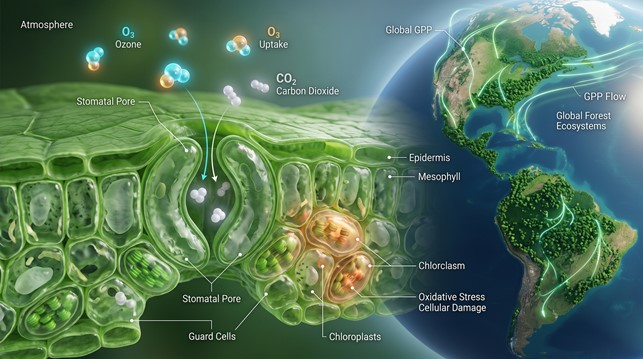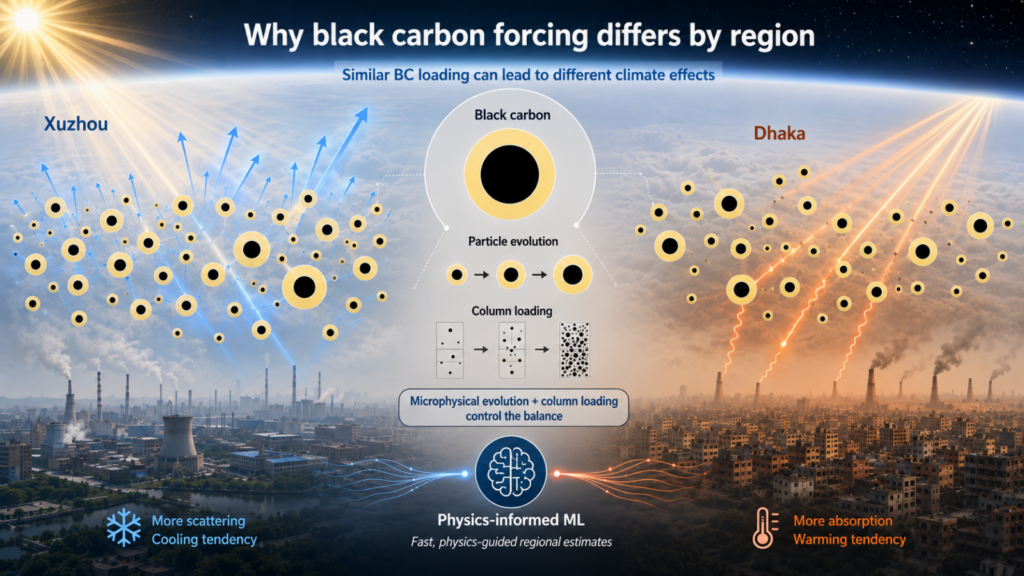
Every time something burns incompletely —whether in a car engine, a factory furnace, a cooking fire, an agricultural field set alight after harvest, or a vast wildfire sweeping through savanna grasslands— tiny particles of black carbon are released into the atmosphere. You might know these more simply as soot. These particles are so small that thousands of them laid side by side would barely stret ...[Read More]
Sudden Temperature Change in a Warming World: Why Future Temperature Swings Are a Global Tug-of-War?
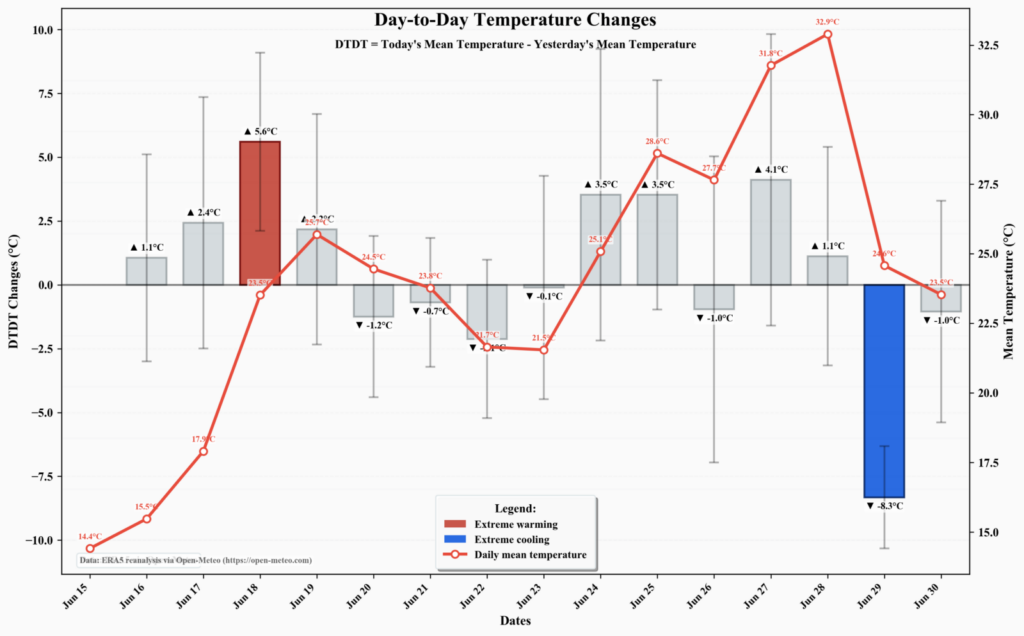
Berlin just went through a brutal heatwave, and then out of nowhere, the temperature crashed between June 28 and 29. The daily mean temperature dropped from nearly 33°C to 25°C—a dramatic drop of about 8°C in just 24 hours (based on ERA5 reanalysis data structure accessed via Open-Meteo). Scientists call these abrupt shifts temperature volatility: rapid transitions from unusually cold to warm cond ...[Read More]
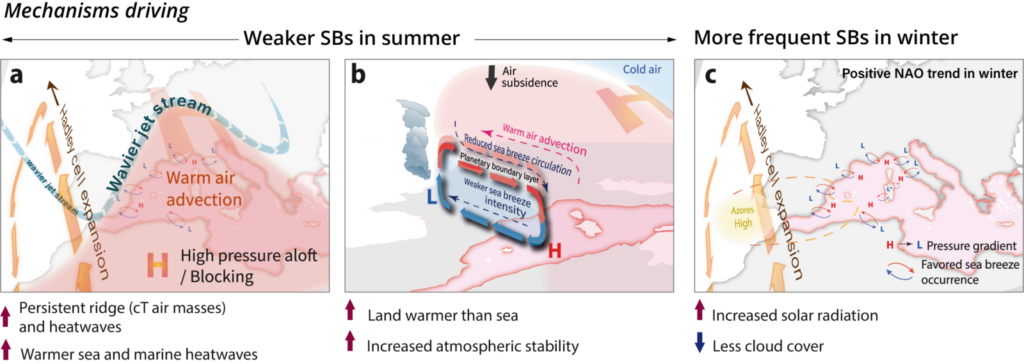
Weaker but more frequent: how sea breezes are changing in a warming climate
For the 500 million people living along the Mediterranean coast, the sea breeze is an essential component of the regional climate. They are more than a pleasant coastal wind, as they are critical for easing summer heat stress, dispersing pollutants, and triggering convection (the rapid upward movement of warm, moist air), sometimes leading to severe storms, among many others. But the Mediterranean ...[Read More]
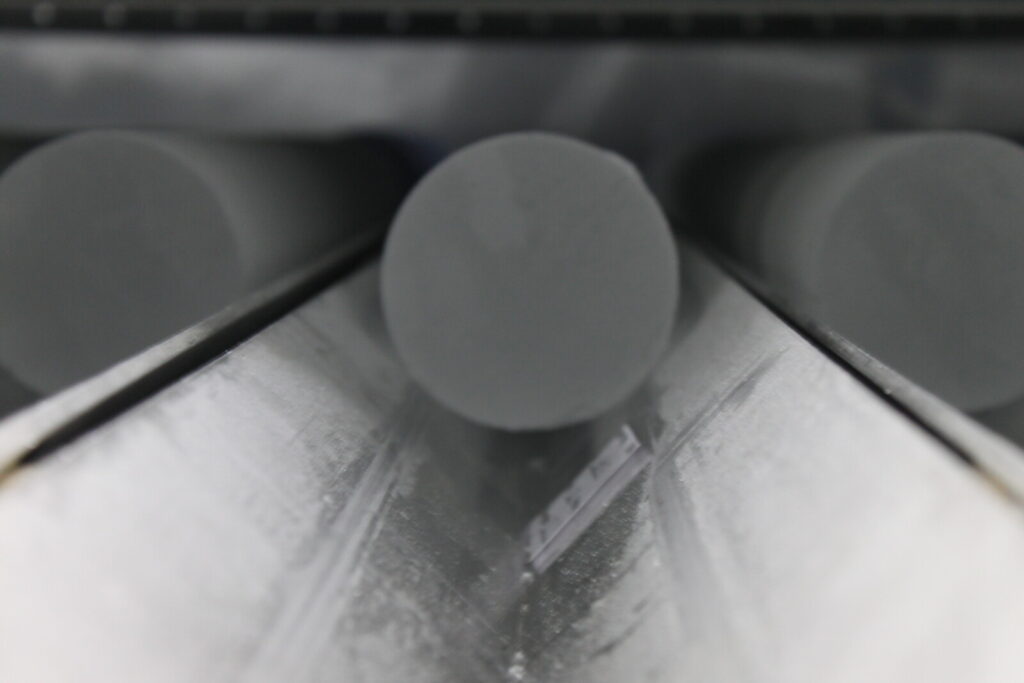
What can Greenland ice cores tell us about winter extreme events over Europe?
Introduction Human-caused climate change is increasing the frequency of extreme weather events around the world, and Europe is no exception. These events typically last from a few days to several weeks or even months. Using climate models and reanalysis products, scientists are studying how extreme weather events will evolve and where they are likely to become more frequent and intense in a warmin ...[Read More]