BG
Biogeosciences

Biogeosciences

How to write a competitive MSCA Postdoctoral Fellowship

How to write a competitive MSCA Postdoctoral Fellowship

Demonstrating independence is a critical step when you pursue a career in academia: not only being excellent at executing research, but also showing you can shape ideas into a coherent project, choose the right environment, and lead work that matters. EU funding can be a strong catalyst for that transition, especially in the postdoc phase, because it is designed to reward clear scientific vision p ...[Read More]

Writing for the BG blog

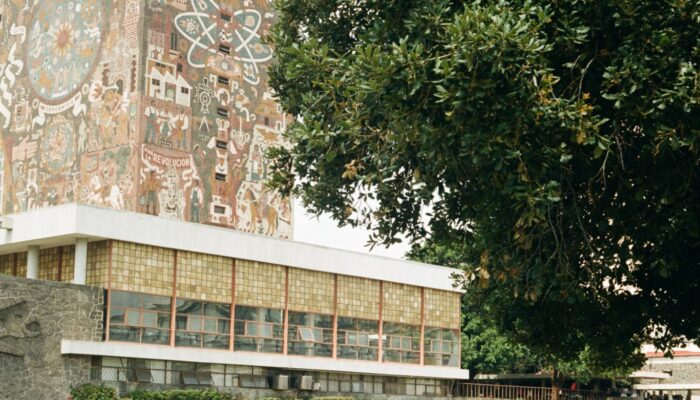
UNAM Campus in Mexico City, showing atomic mode, with tree in the foreground

Thank you for your interest in writing for the Biogeoscience Blog! The BG blog is created for and by EGU’s biogeoscience community. Please do not hesitate to reach out with any ideas, feedback or questions. What we publish Broadly speaking anyone can write for the blog and all ideas are welcome. Since the main readership of the blog are EGU members, our focus is on content that is interesting to a ...[Read More]

BG books for the winter holidays – Editorial picks

BG books for the winter holidays – Editorial picks

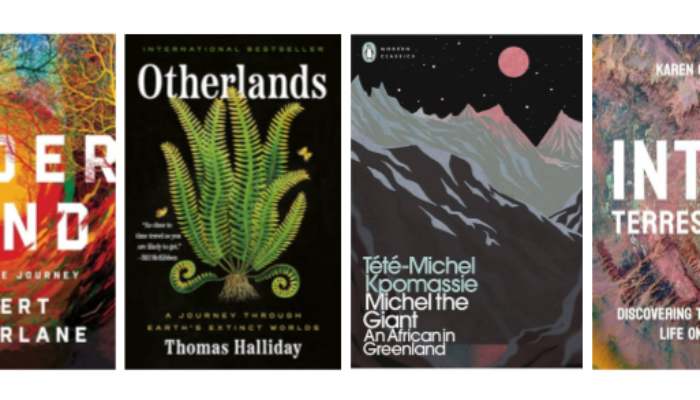
It’s been quite the year! Before we say goodbye to 2025 and send our readers into a well-deserved holiday, our 2025-2026 editorial team shares some of their favorite Biogeoscience-themed books. Lucia S. Layritz – Editor-in-chief recommends Otherlands by Thomas Halliday This book takes you on a journey through Earth’s ancient ecologies. Each chapter tells a story about a past geological perio ...[Read More]

Climate change mitigation and India’s road to net zero

Climate change mitigation and India’s road to net zero

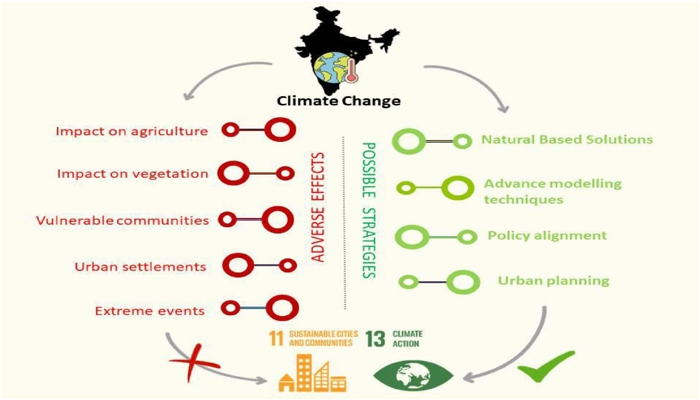
Climate change poses a significant threat to humanity, prompting numerous countries, including India, to implement effective mitigation strategies to alleviate its impact. India is recognized as one of the 17 megadiverse countries, harboring approximately 10% of the world’s known floral and faunal species. This rich biodiversity is largely attributed to its geographical diversity, encompassi ...[Read More]

Meet your BG team 2025/2026

Meet your BG team 2025/2026

The Biogeoscience division team has changed over the last year, and in this blog post, we are delighted to introduce our new team of representatives and describe their roles and research interests so that you can get to know them better. Our division is led by a President and Deputy President, supported by two Early Career Scientist Representatives and several sub-division officers who cover vario ...[Read More]

Working in industry during your PhD

Working in industry during your PhD

A guide for early career researchers exploring opportunities beyond academia Pursuing a PhD often starts with the assumption that your next step will be a postdoc, followed by a tenure-track position. But, for a number of reasons, many early career researchers are starting to look beyond academia. Industry careers represent an appealing alternative as they offer stimulating work, competitive salar ...[Read More]

On fire and ice – the state of wildfires in the boreal zone

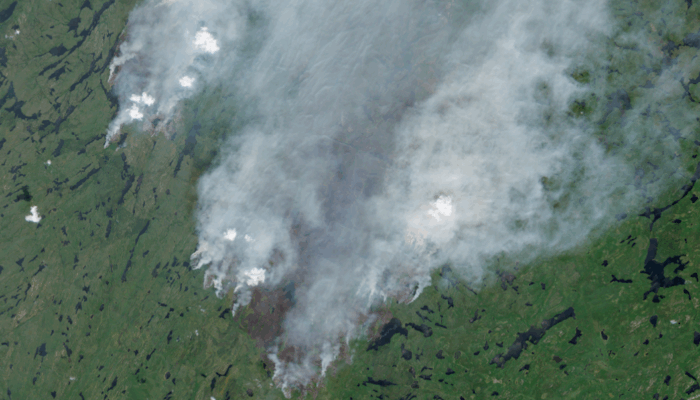
July 2021 Saskatchewan fires captured by Sentinel Hub (Copernicus).

On the second episode of the EGU Biogeosciences Division’s podcast series, Bikem Ekberzade interviews Sander Veraverbeke on the current patterns of wildfires in the boreal zone (as well as Europe, this year) and the effects of climate change and human interference in their severity and return period. You can listen to the podcast here: Of fire and ice – the state of wildfires in the bo ...[Read More]

Microbial Adventures in the Mont Blanc Massif

Microbial Adventures in the Mont Blanc Massif

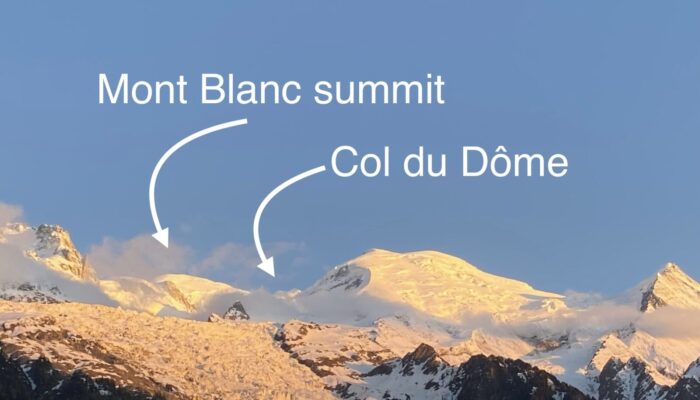
As we passed the town of Saint-Gervais-Les-Bains on the French highway, en route to a sampling campaign, Mont Blanc’s glaciated terrain suddenly emerged above the spring foliage. Breaking the silent awe, Patrick remarked that indeed, “Mont Blanc is still there.” The humor won’t be lost on anyone familiar with the massif. Its unquestionable, human-minimizing presence colours the regions’ cultural a ...[Read More]

On ice: algal blooms and the Greenland Ice Sheet

On ice: algal blooms and the Greenland Ice Sheet

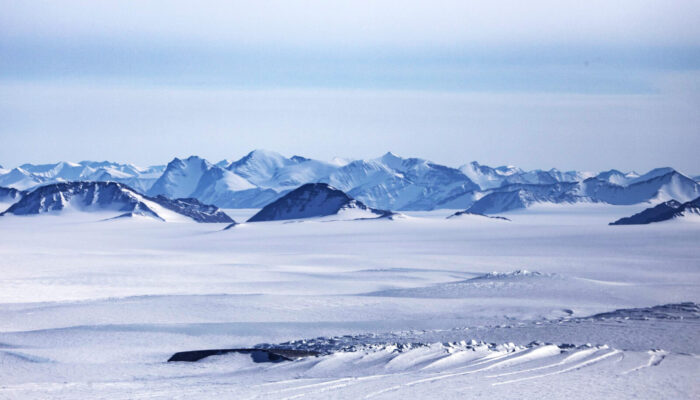
On the first episode of the EGU Biogeosciences Division’s podcast series, Bikem Ekberzade interviews Helen Feord on the algal blooms that contribute to the melting of the Greenland Ice Sheet. Together with Feord, a researcher for the 5-year long project DEEP PURPLE the two scientists talk about cryosphere research, climate change and what it means for us today. You can listen to the podcast ...[Read More]

My EGU25 highlights: Inspiring inland water greenhouse gas emission science

field measurements of greenhouse gas emissions using floating chambers on a agricultural drainage ditch.

The notion that inland waters are passive participants in biogeochemical cycling, with lakes as recipients and rivers as pipes, has long been overturned. More and more research suggests the global importance of inland waters in biogeochemical cycles, particularly in greenhouse gas (GHG) exchange. EGU25 had a remarkable line-up of talks and posters on inland water GHG emissions. I’ll revisit some o ...[Read More]