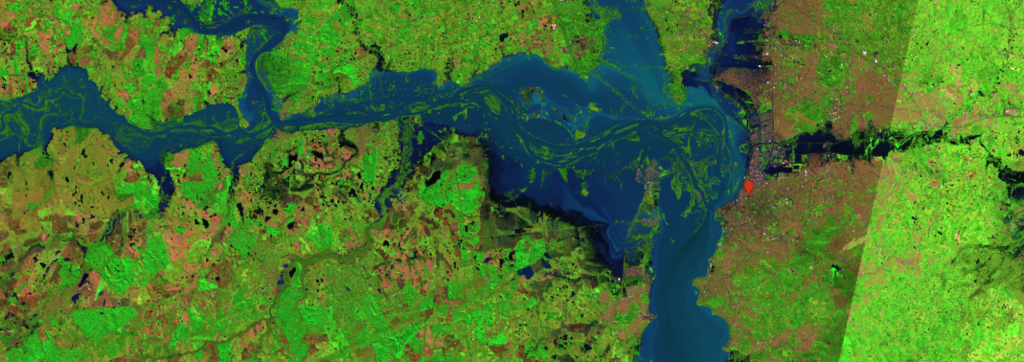
One thing that the COVID pandemic has left us is the flexibility to attend a conference either in person or virtually. This has been the case for the last three editions of the EGU GA. As the deadline for an expected conference approaches, we face the dilemma of whether to attend it in person or opt for the virtual experience. Louis is asking: Should I fly to attend this conference or should I wat ...[Read More]
Cryospheric Sciences
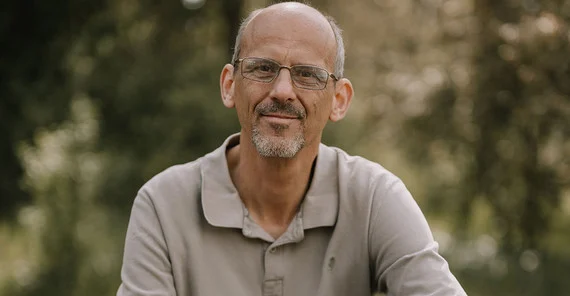
Cryoscientist life stories – an interview with our incoming deputy division president, Daniel Farinotti
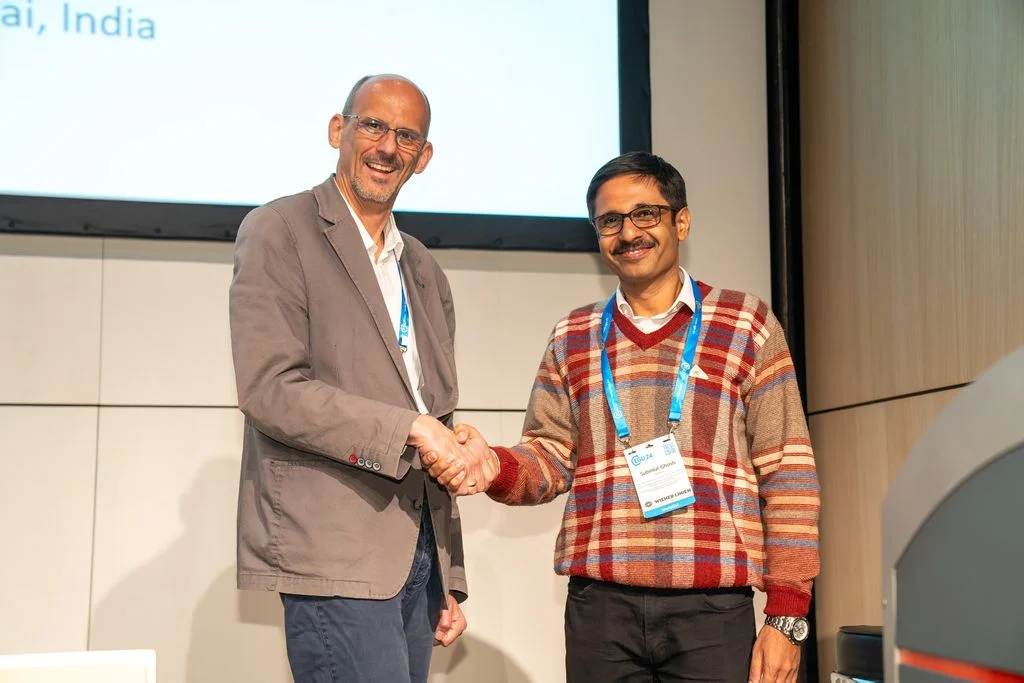
We would like to introduce Daniel Farinotti to you, our Cryosphere Division incoming deputy president, who will take over as division president from 2025-2027. For that, our Cryosphere Division outreach officer, Larissa van der Laan, interviewed Daniel at the EGU General Assembly in April 2024, to ask him a few questions about himself and his view of this exciting role within the EGU. Larissa: Hi ...[Read More]
Geodesy
Bits and Bites of Geodesy – Satellite altimetry: What else can we do with it?
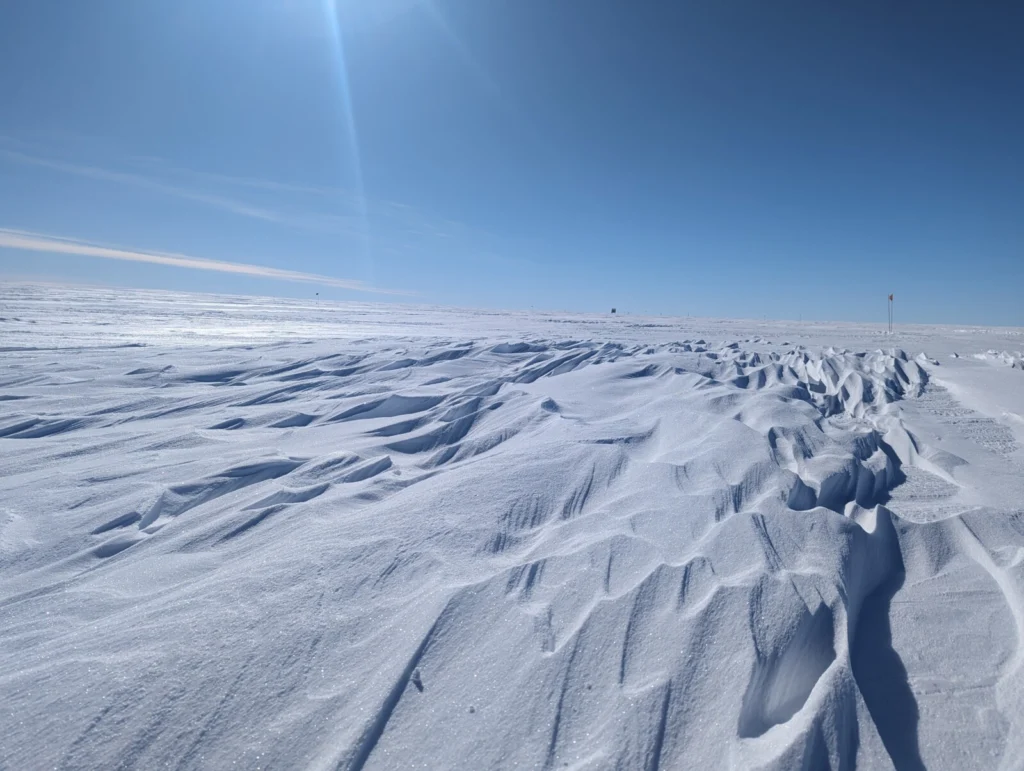
In the previous post of this series, we learned how we can use satellite radar altimetry to retrieve highly accurate estimates of global sea level changes. If only reading “sea level” triggers your climate anxiety – we got you covered! In this post we will introduce you to three more applications of radar altimetry, where the first two are not directly connected to climate change. Instead, w ...[Read More]
Hydrological Sciences
Public engagement in science: how to position ourselves?
The recent student protests against the war in Gaza reminded all of us that being a member of the academic community requires us to reflect upon our role in society. In Switzerland, the university occupations (see SwissInfo) led to several open letter-type reactions from academic staff, either supporting the protests or on the contrary, recalling that scientists should abstain from activism. This ...[Read More]
Geodynamics
Unravelling the Magma Plumbing network of the Deccan Traps
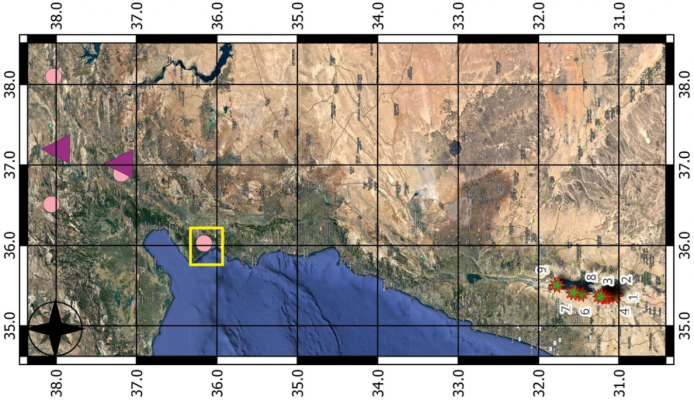
In this week’s blog, Garima Shukla, ECS representative of the Geodynamics Division and PhD student at the Indian Institute of Science Education and Research, Bhopal, India, working with Dr. Jyotirmoy Mallik, discusses her research involving fieldwork and statistical calculations. Her research also delves into rock magnetism and palaeomagnetism to unravel the longstanding enigmas surrounding ...[Read More]
GeoLog
Imaggeo On Monday: Connection to the deep crust
This year for the EGU24 Photo Competition we had some amazing photos submitted! In case you missed them before the meeting, for the next few weeks we will be featuring all 10 of the shortlisted photos, and our three winners! This week, Alberto Caracciolo’s image ‘Connection to the deep crust‘. The 2021 Fagradalsfjall volcanic eruption was the first one in the area after ap ...[Read More]
GeoLog
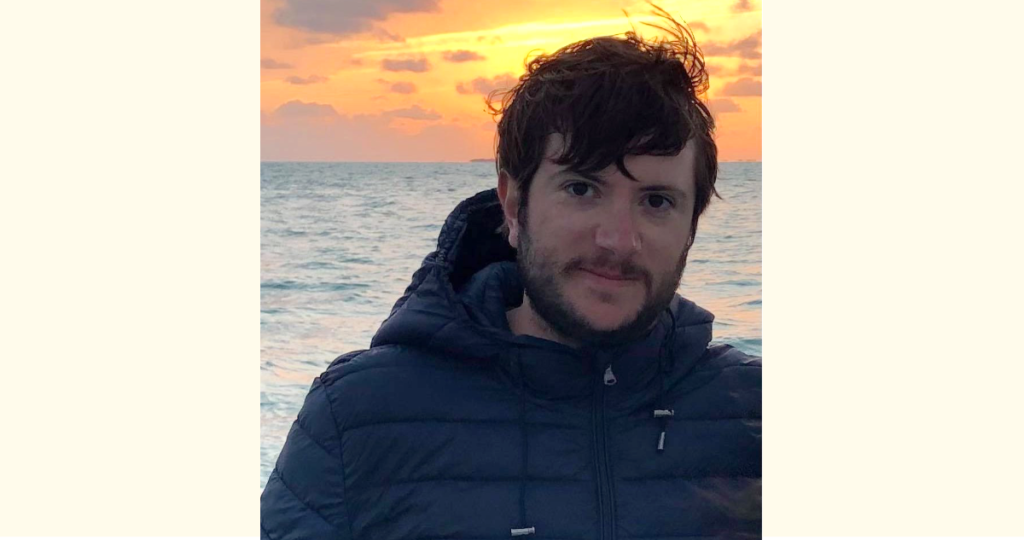
GeoTalk: Meet Dan Evans, the new Early Career Scientist Union Representative!
Hello Dan. Thank you for agreeing to this interview! Before we dig deeper, could you tell our readers about yourself and your career background in soil science? Absolutely, Simon, thank you so much for inviting me to this interview. Well, one of my earliest memories is being in the garden, ripping up the grass to poke my fingers into the soil beneath. That curiosity has fuelled a life-long passion ...[Read More]
Geodynamics
Two phase or not two phase
In this week’s blog Shi Joyce Sim from Georgia Institute of Technology shares the underlying science behind two-phase flow dynamics. A talk at the Lunar and Planetary Science Conference in March got me thinking. Basically, the presenter described how boundary layers grow over time, a phenomenon that cannot be captured using one dimensional models and necessitates modeling in higher dimensi ...[Read More]
GeoLog
Chasing solar storms and coffee breaks
Erika Palmerio, a leading early career scientist working on conditions in space driven by solar activity, shares her journey of networking and inspiration.
Natural Hazards
Evolving multi-hazard paradigms in a nutshell
Understanding multi-hazard approaches is crucial in an era of escalating natural hazards leading to disastrous impacts on Earth’s citizens. Triggered by the increasing frequency and severity of these events, this brief post provides a concise yet comprehensive overview of evolving paradigms in multi-hazard research and management. By exploring definitions, historical developments, and curren ...[Read More]