EGU Blogs

Latest posts

GeoLog

Looking for a job in the geosciences? Visit the job spot at EGU 2016
Looking for a job in the geosciences? Visit the job spot at EGU 2016
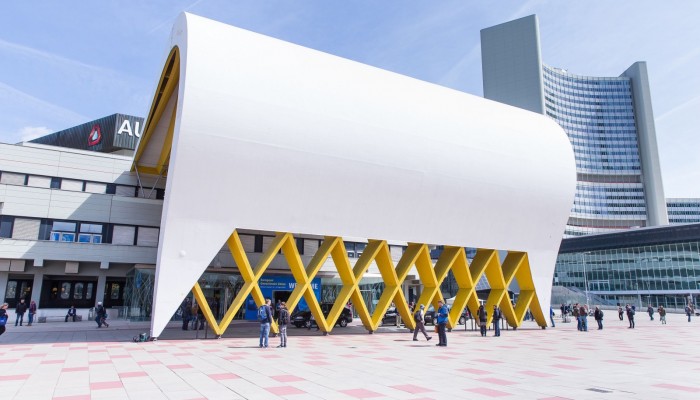
The General Assembly can be an excellent source of information for those looking for jobs or doctoral positions. The Job Spot, is located in the EGU and Friends area, next to the EGU Booth (Hall X2, Brown Level) has a searching station linked to the EGU jobs portal, so you can find the latest vacancies and who’s providing them. Check the session programme and see if they’re here too – what better ...[Read More]

Geology for Global Development

Putting Science at the Heart of Development

Putting Science at the Heart of Development

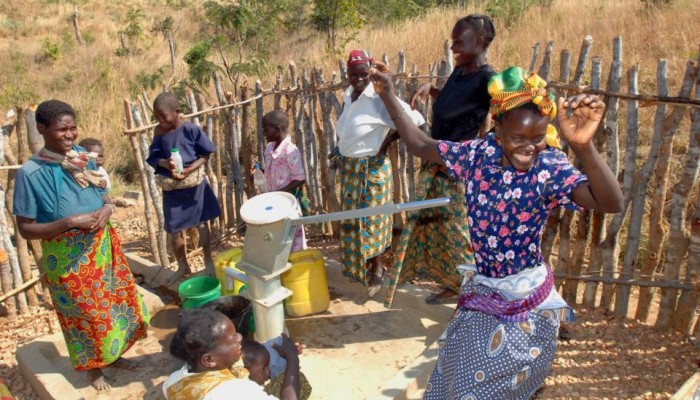
Sue Desmond-Hellman (CEO of Bill & Melinda Gates Foundation) and Nick Hurd (Minister for International Development, DFID – UK Department for International Development) have written a joint article on putting science at the heart of development. “If we are going to end extreme poverty, it’s going to take more than additional funds or deeper commitment, however. We are going to have ...[Read More]

ERE
Energy, Resources and the Environment

Student reporter for ERE at the 2016 GA

This year we will have our own student reporter, Lindsey Higgins, from Stockholm University, at the EGU GA. Lindsey will be reporting on research presented in the ERE sessions on this blog and social media. Please let us know if you think you have a suitable session for Lindsey to attend and report on. Here is some more about Lindsey and her motivations! **** Blog by Lindsey Higgins As far back as ...[Read More]

WaterUnderground

Can we use an infrared camera to tell us how much groundwater is coming out of the side of a cliff?

Can we use an infrared camera to tell us how much groundwater is coming out of the side of a cliff?

By Erin Mundy – a plain language summary of part of her Masters thesis Groundwater is an important resource, with approximately 2 billion people around the world using groundwater everyday. Although most groundwater is beneath our feet, sometimes groundwater leaks out of stream-banks, hill sides and cliff faces – this is called groundwater seepage. Current scientific methods are not ab ...[Read More]

GeoLog

Imaggeo on Mondays: Mother Tree

Imaggeo on Mondays: Mother Tree

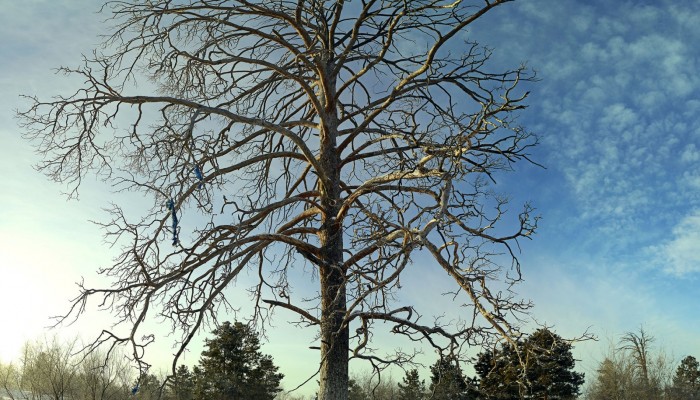
Landlocked, home to mountains, deserts and the southernmost permafrost territories, Mongolia’s climate is harsh.  Warm, often humid summers, give way to freezing winters where temperatures dip as low as -25°C. Rainfall is restricted to a short period in the summer months of June and August. These climatic factors, combined with the lack of a strong forest management strategy and anthropogenic infl ...[Read More]

CR
Cryospheric Sciences

Image of The Week – When Glaciers Fertilize Oceans

Image of The Week – When Glaciers Fertilize Oceans

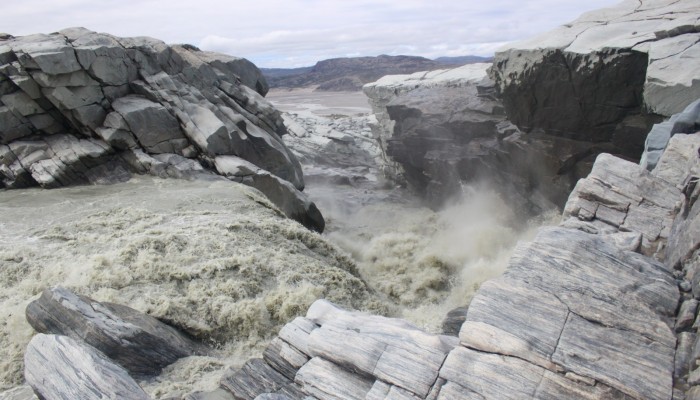
Today’s Image of the Week shows meltwaters originating from Leverett Glacier pouring over a waterfall in southwest Greenland. We have previously reported on how meItwater is of interest to Glaciologist (e.g. here) but today we are going to delve into how and why Biologists also study these meltwaters and how the cryosphere interacts with biogeochemical cycles in our oceans. Where? Leverett G ...[Read More]

BG
Biogeosciences

Digging up bones for science – looking into 48 million years old blood vessel-like structures

Digging up bones for science – looking into 48 million years old blood vessel-like structures

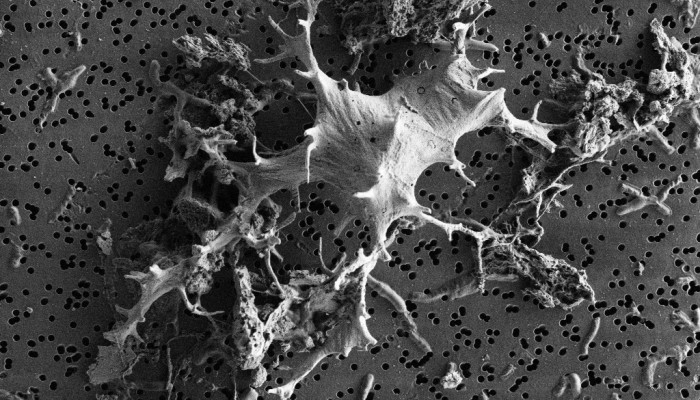
The Messel Pit is a worldwide famous fossil site recognized by UNESCO as a World Natural Heritage Site because of the exceptional preservation, as well as the diversity of its fossils from the early-middle Eocene (~48 Ma). The Messel Pit, located in an old Quarry in Germany near Frankfurt am Main , includes fossils from vertebrates (turtles, crocodiles, mammals, birds, lizards, among others), inve ...[Read More]

VolcanicDegassing

Living with volcanoes, and learning from the past.

Living with volcanoes, and learning from the past.

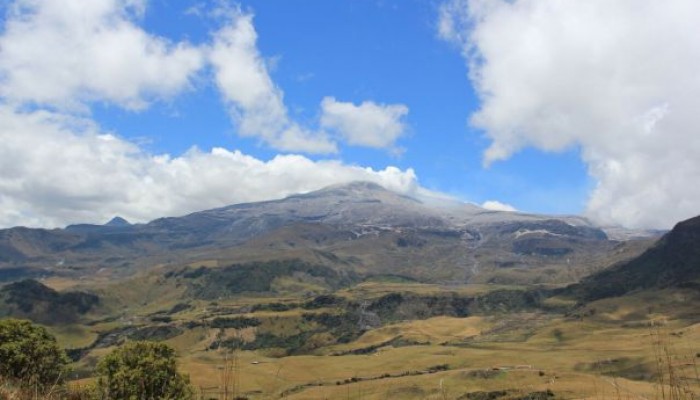
November 13th, 1985, is a date that is still etched in my memory. This was the day that the Colombian town of Armero was submerged beneath a catastrophic flood of volcanic rocks, mud and water; a lahar that had swept down from the summit of the volcano Nevado del Ruiz, erupting about 40 kilometres away. For days, terrible scenes of anguish and despair filled our television screens, as rescuers str ...[Read More]

GeoLog

GeoPolicy: Hazards, climate impacts, resources – Supporting science-based policy at EGU16

GeoPolicy: Hazards, climate impacts, resources – Supporting science-based policy at EGU16

As researchers, we spend a lot of time and energy trying to extend the limits of our scientific knowledge, but how much of our new findings can be translated into policies, and what are the best practices for doing this? A multitude of science-policy-related sessions are scheduled at this year’s general assembly (GA), spanning most of the EGU divisions. This month’s GeoPolicy post highlights a sel ...[Read More]

GeoLog

EGU 2016: Getting to Vienna, getting to sleep and getting to know the city

EGU 2016: Getting to Vienna, getting to sleep and getting to know the city

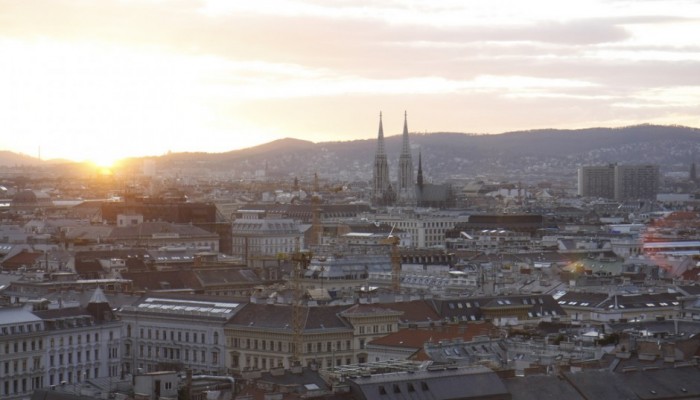
With the conference less than a month away here is a brief, and by no means comprehensive, introduction of how to get to Vienna and what to do when you’re there! Getting here Vienna’s International Airport is served by many of the major European airlines. If you would like to consider overland you’ll find more information on the General Assembly website. And, if you haven’t seen it already, make s ...[Read More]