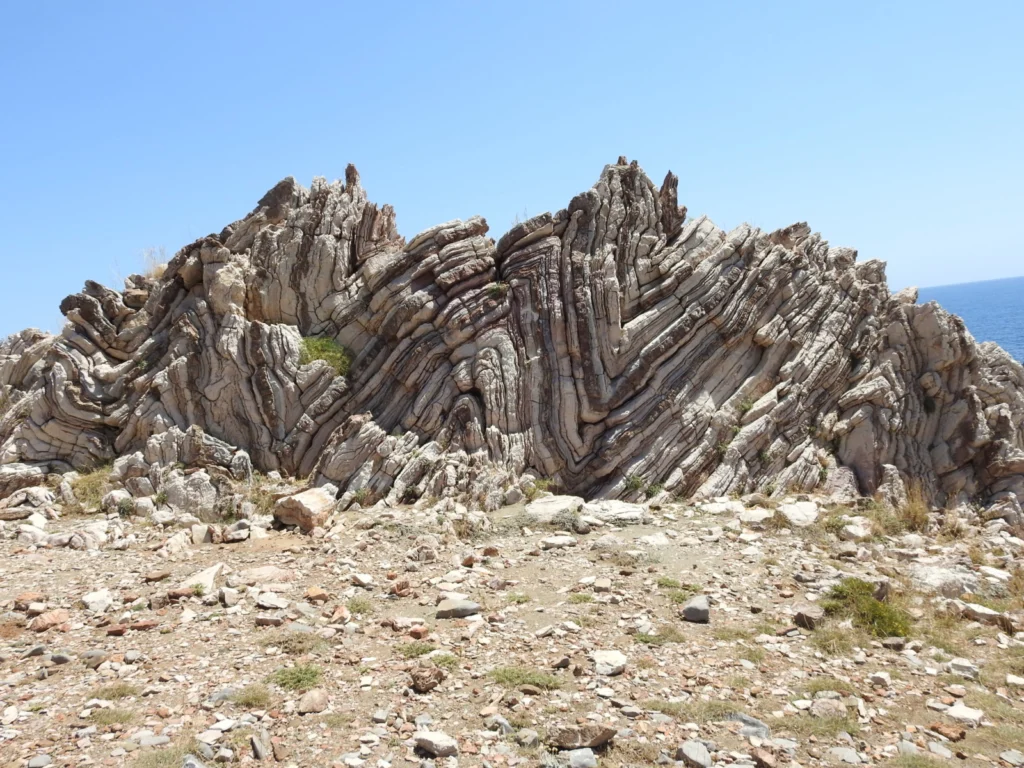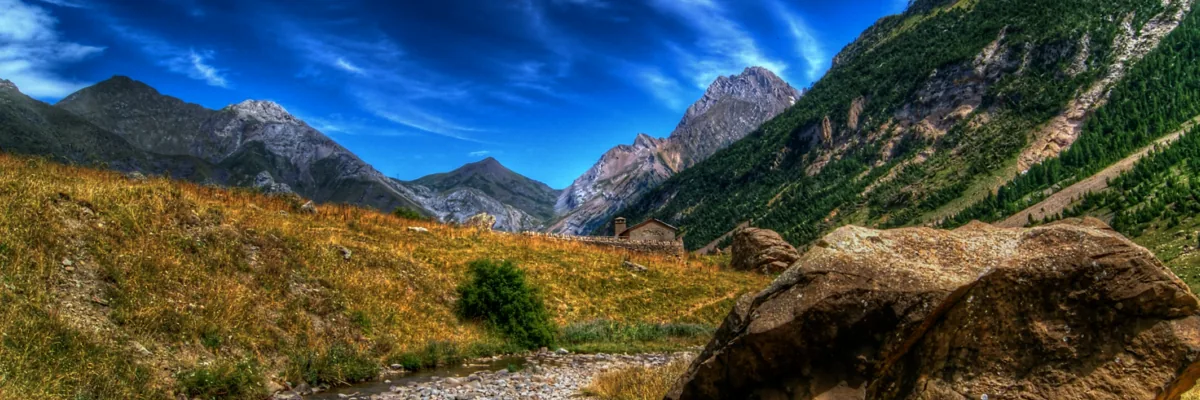
Diplono Petris near Agios Pavlos in the south of Crete island is one of Europe’s most impressive folded rock formations. The rock strata document an alternation of different limestone layers in the pindos top of the Cretan ceiling pile. These sediments, once deposited in a deeper ocean basin of the Pindos Ocean, were deformed in …[Read More]
Latest posts
The Sassy Scientist – Mi Outcrop Es Su Casa
Stuck at home, Roger keeps alive the hope of returning to fieldwork. Obviously, he wants my thoughts on: What are your top tips for planning fieldwork during a pandemic? Dear Roger, I see you started the long and costly process of planning remote fieldwork, only to have it cancelled by a pandemic. Given the huge …[Read More]
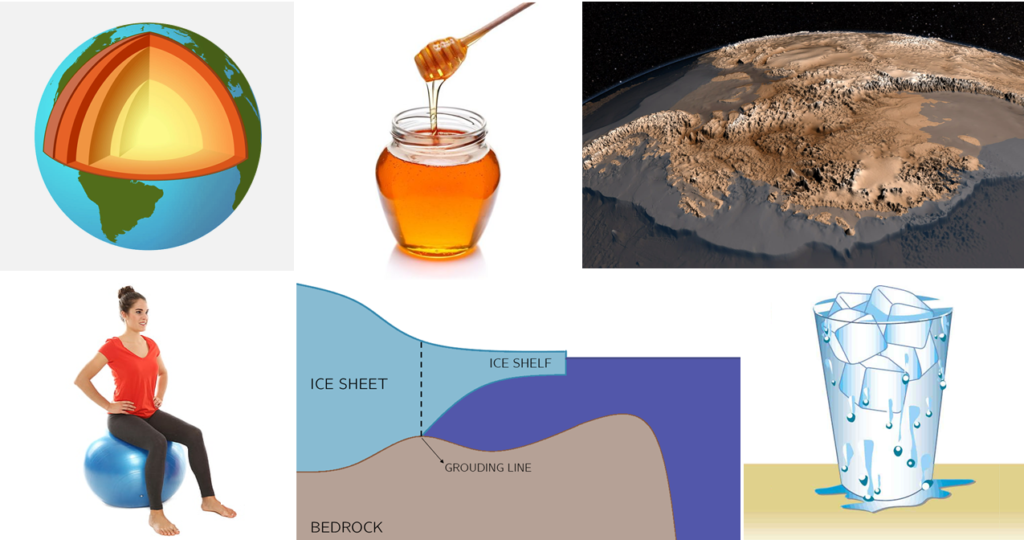
How do the ups and downs of the solid Earth influence the future of the West Antarctic ice sheet?
When the Antarctic ice sheet loses mass, the pressure it exerts on the underlying solid Earth decreases. As the ice sheet becomes less heavy, the Earth’s surface is not pressed down as much as before and therefore slowly rises up. In some regions, this rebound process is much faster than previously thought and could stabilise …[Read More]
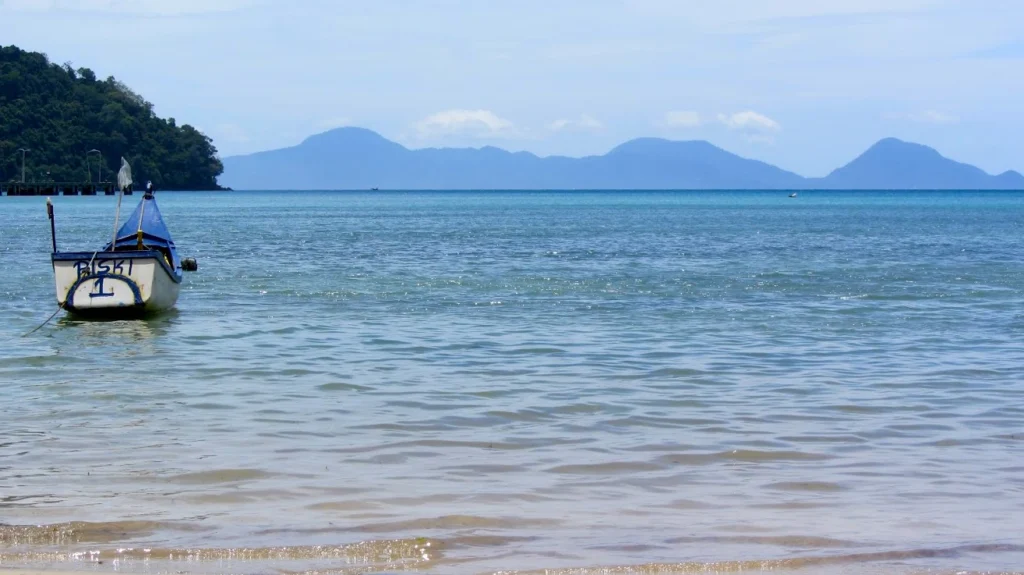
Geosciences Column: Spatial seismic hazard in western Indonesia – a new, adaptive, approach
A Natural Hazards Earth System Sciences (NHESS) paper proposes a new sampling method for reducing uncertainty in geographical location in seismic hazard risk analysis, with implications for the insurance industry and risk communication in general. Globally, rapid urbanisation is increasing the risk of exposure of human populations and infrastructure to natural hazards, including earthquakes …[Read More]
GeoRoundup: the highlights of EGU Journals published during October!
Each month we feature specific Divisions of EGU and during the monthly GeoRoundup we will be putting the journals that publish science from those Divisions at the top of the Highlights roundup. For October, the Divisions we are featuring are: Natural Hazards (NH), Hydrological Sciences (HS) and Seismology (SM). They are served by the journals: …[Read More]
What can we learn from geodynamic failure?
In this week’s post, Mohamed Gouiza discusses the challenges of living under constant stress, paralysed by the possibility of failure and self-perceived inevitability of impending breakup. Continental rifting, of course! Oh… did you think I was talking about life as a researcher? Under tensile stress, the lithosphere stretches, the asthenosphere rises, the crust fails, and …[Read More]
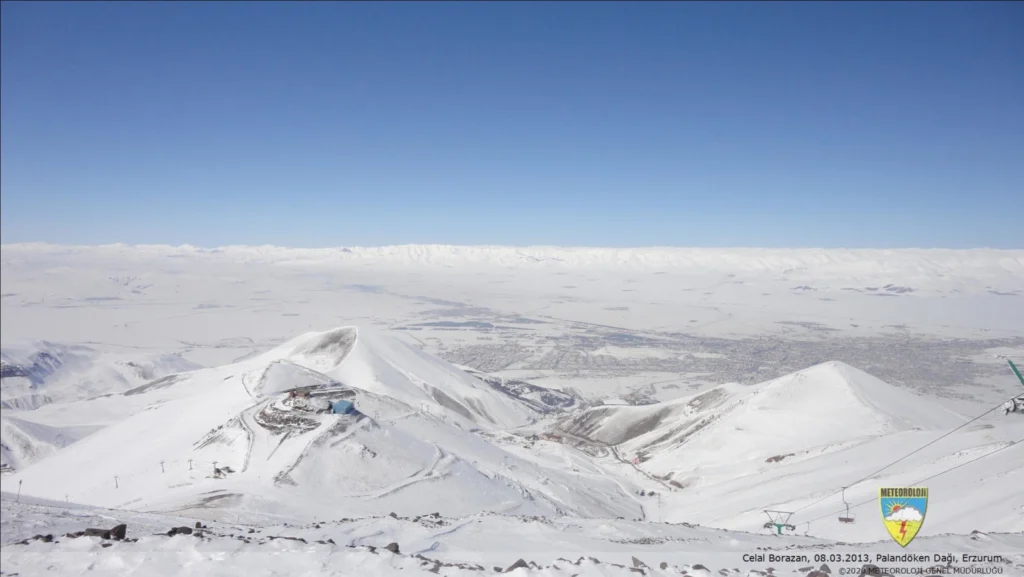
Featured catchment: Water Towers of Mesopotamia: Snow feeding the cultural heritage
Importance and challenges of snow modelling in Turkey Snow and glaciers in the high mountains play a crucial role for 1.6 billion people living downstream of mountainous areas. Thus, understanding snow dynamics is crucial for downstream irrigation, hydropower, flood control etc. In eastern Anatolia, Turkey (the mean elevation is around 1140 m), much of the …[Read More]
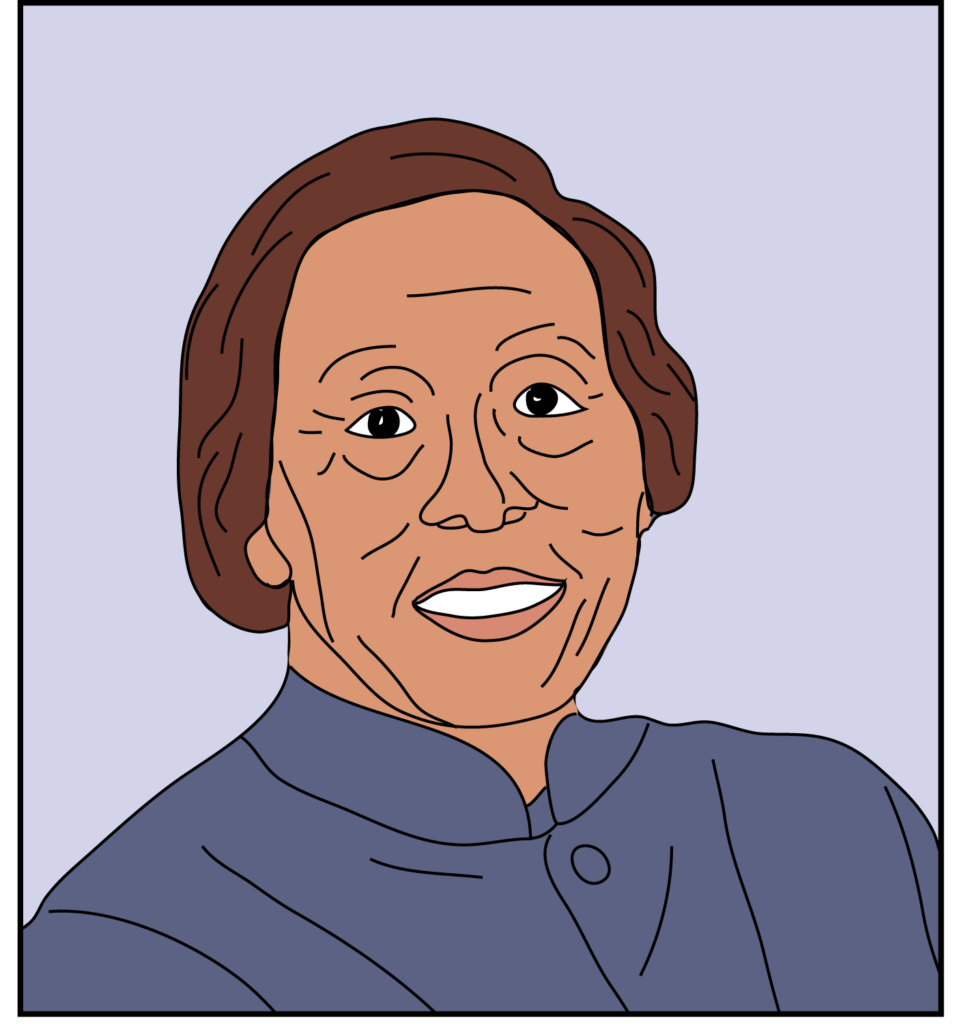
Chi Jishang (1917-1994): the diamond hunter who shaped her own future
Chi Jishang was born on the 25th of June 1917 in the Anlu County in the Province of Hubei, central China, but she moved to Beijing when she was four years old. Because her family was poor and she had three older siblings, her parents did not allow her and her younger sibling to go …[Read More]
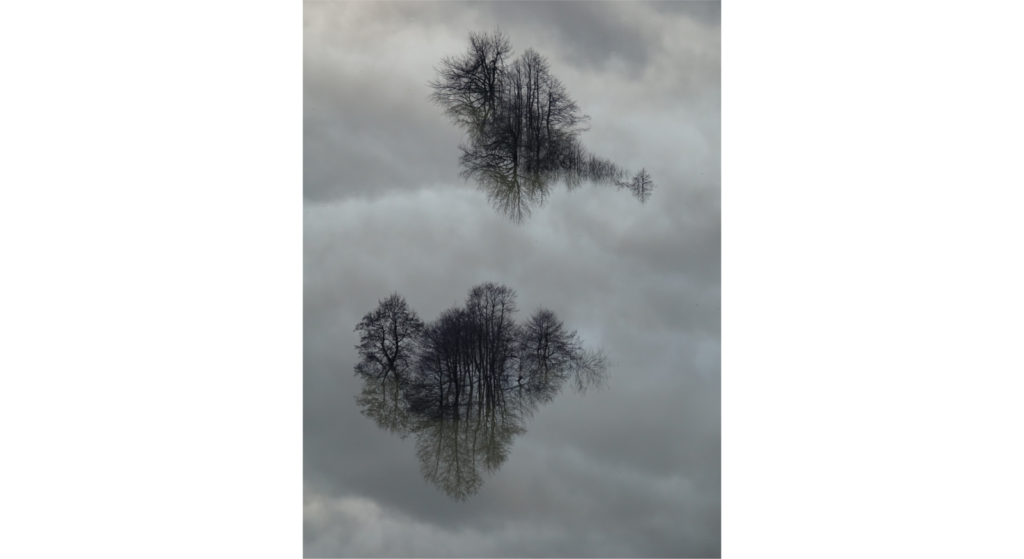
Imaggeo On Monday: Reflections in floodwater
This picture shows several trees and the sky reflecting in floodwater during an event that occured in February 2019 in front of the famous Postojna cave (Slovenia). In Slovenian karst areas, floods are considered as a very common natural phenomenon that can occur several times per year. While most of them are not harmful for …[Read More]
The HAMMER (AKA: The Best of the Worst)
Back in the day when my group organised the yearly retreat, we would also plan for a movie night. Usually, we would not get far because a heated discussion would break out about the quality of the movie: “…but this is a terrible movie!”, my colleagues would scream in agony and despair. In my opinion, …[Read More]