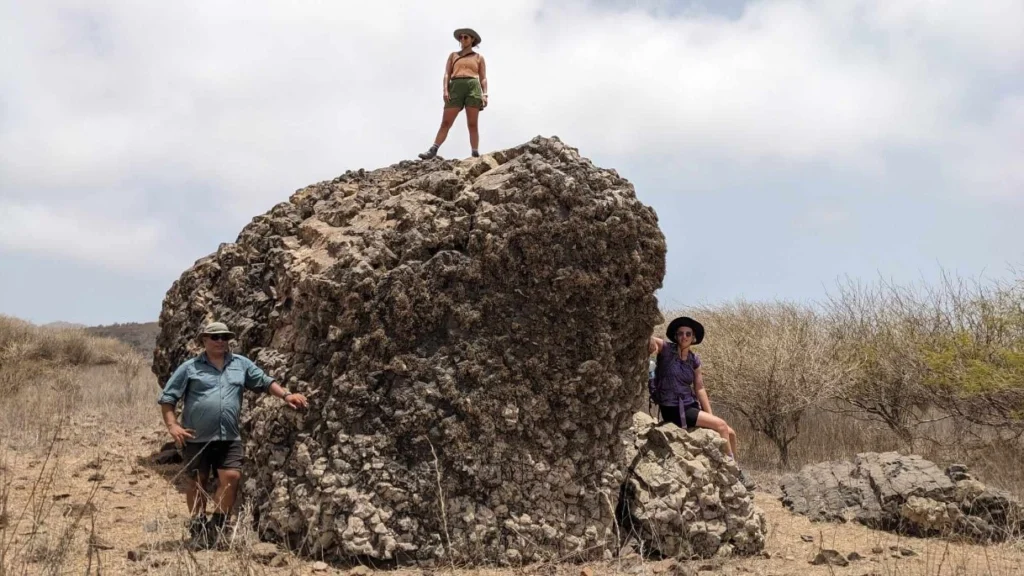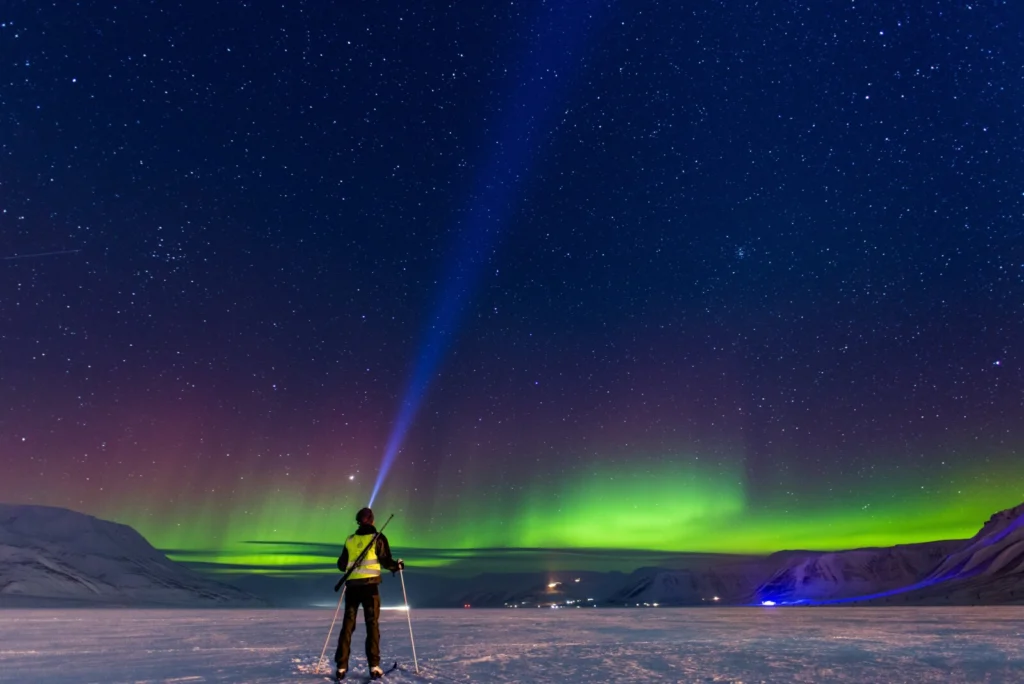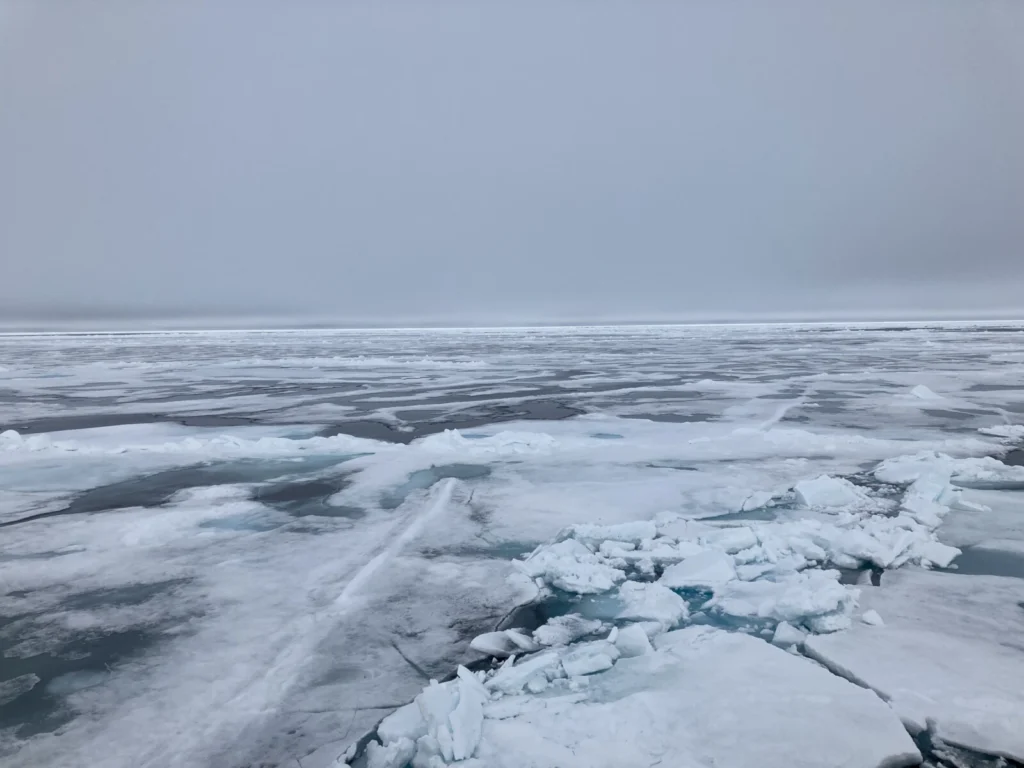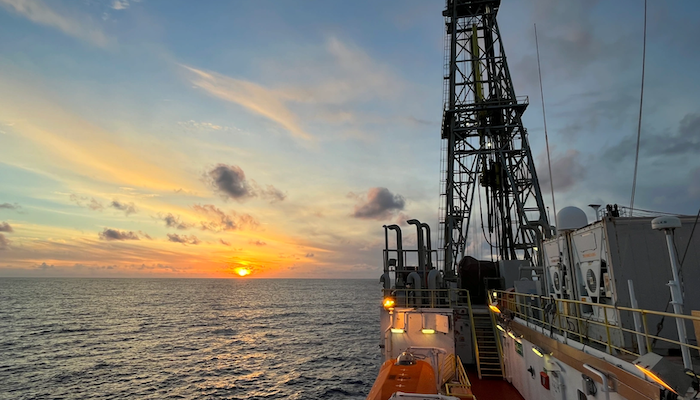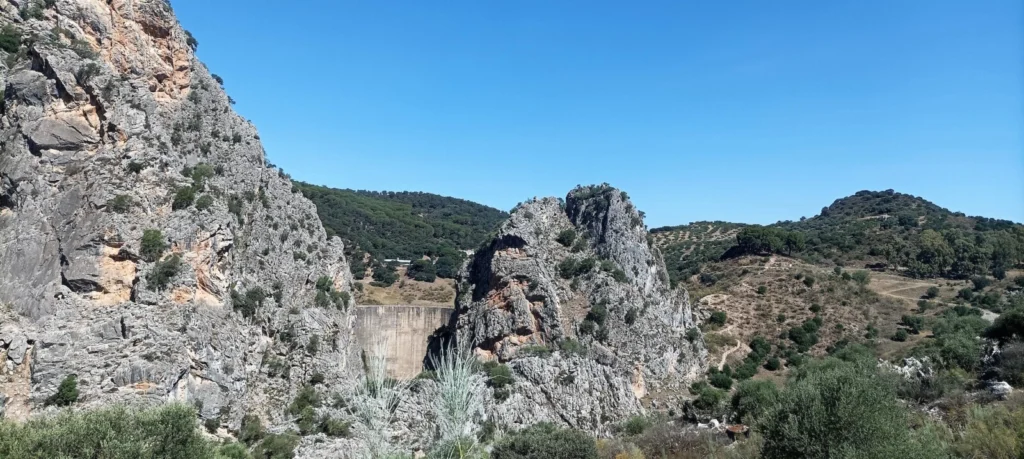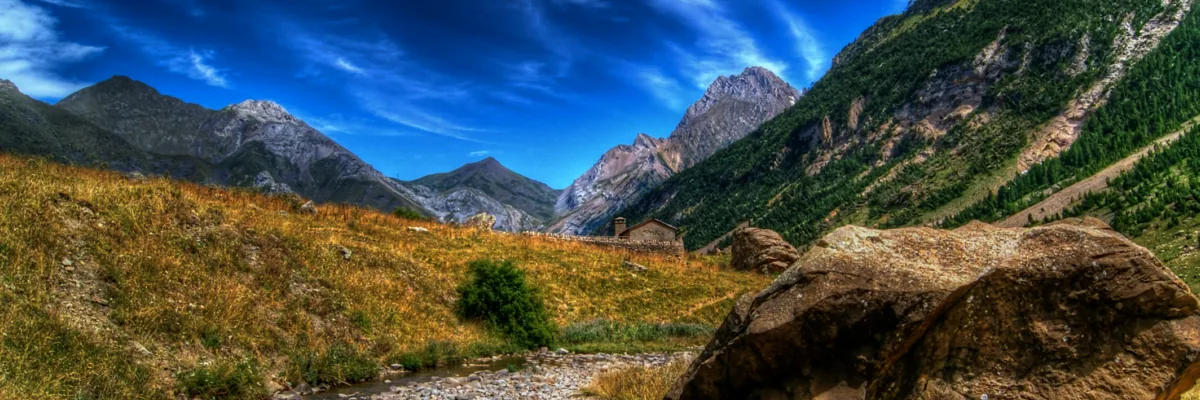
Emma Lodes, PhD student, GFZ-Potsdam (Germany) Twitter: @LodesEmma | email: lodes@gfz-potsdam.de When I consider places with exciting geomorphology, Germany’s capital does not spring to mind. Berlin is an isolated urban hub encircled by the flat, agriculturally dominated state of Brandenburg. Northeastern Germany was leveled by ice sheets during the last several glaciations, and …[Read More]
Latest posts
Geochemistry, Mineralogy, Petrology & Volcanology
Revisiting the roots of minerals’ names: A journey to mineral etymology
Hello everyone!! In an earlier blog, my colleague Eliot Carter discussed the etymology of elements. As a PhD student in geochemistry, mineralogy, Petrology and Volcanology, we all regularly deal with a large number of minerals. Among them, some are very common and a few are hardly known. However, sometimes we forget the basics to deal …[Read More]
GeoLog
Imaggeo On Monday: Layers of dust and snow
This image shows layers of dust and snow at the surface of Fox Glacier, Southern Alps, New Zealand. The glacier surface in the upper part of Fox Glacier’s ice fall is heavily crevassed and intersected into seracs. Individual layers of fresh and old snow are visible, some with visible thin dust layers at their surface. …[Read More]
GeoLog
What is an Impact Factor and why does it matter to me?
You have put in the hours, collected the data and written a great paper, but before you take your next steps you need to choose a journal in which to publish your work and there are a lot of factors in play. One of those, often discussed, is the Impact Factor, a number that each …[Read More]
Geodynamics
The Sassy Scientist – Everything everywhere all at once
Ever wondered how to manage a flurry of projects without losing your sanity? Maggie was curious if the Sassy Scientist could provide some insight into this. So she is asking: How do I manage to work on multiple projects at a time? Dear Maggie, You simply DON’T. Let me debunk this “juggling a gazillion …[Read More]
Geodynamics
Rendering tools for Geodynamics and Surface Modeling
Hydrological Sciences
Floods and droughts: two sides of the same hydrological coin
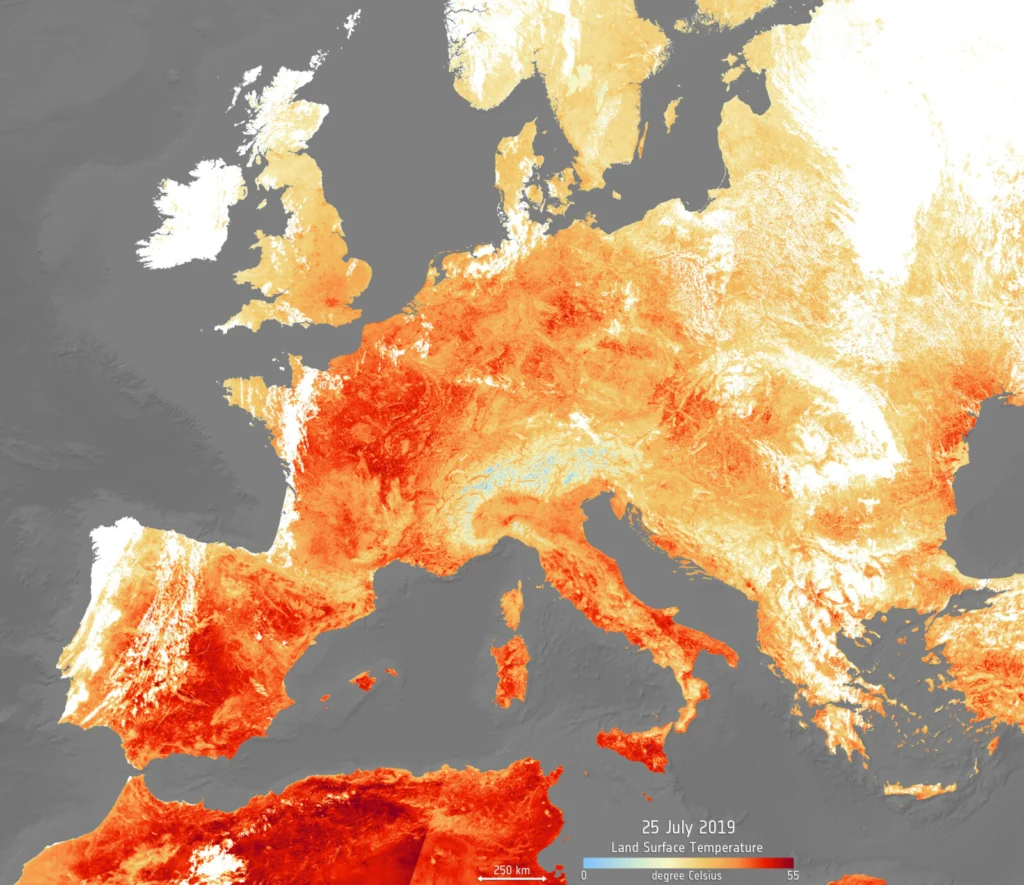
This is not (only) a flood. Inspired by Magritte’s painting: ‘Ceci n’est pas une pipe’ After an alarming dry winter, the European continent has been enduring weeks of a record-breaking heatwave across the southern regions, while coping with scattered, intense precipitation and flash floods. In Zaragoza (Spain), recent flash floods swiftly transformed the previously dry landscape …[Read More]
GeoLog
Imaggeo On Monday: Iceberg A-81, Brunt Ice Shelf, Antarctica
Information from a British Antarctic Survey Press Release. A huge iceberg (1550 km²), almost the size of Greater London, has broken off the 150m thick Brunt Ice Shelf. It calved after cracks that have been developing naturally over the last few years extended across the entire ice shelf, causing the new iceberg to break free. …[Read More]
Hydrological Sciences
How to organize an EGU24 Session as a newcomer? A guide for early career scientists.
Have you ever thought about organizing an EGU session instead of just attending them? Until September 14th you have the chance to do just that! It can sound a bit intimidating, especially if you’ve never done it before. But don’t worry – here’s everything you have to know. Find a Topic and Co-Conveners First off, …[Read More]
GeoLog
GeoPolicy: Reflecting on science advice as shown in the 2019 Chernobyl series
The HBO and Sky UK television series Chernobyl is a historical drama that explores the events leading up to and following the 1986 Chernobyl nuclear disaster in Pripyat Ukraine. Not only does this series focus on one of the worst nuclear accidents in history, but also on the challenges and successes of one of the …[Read More]