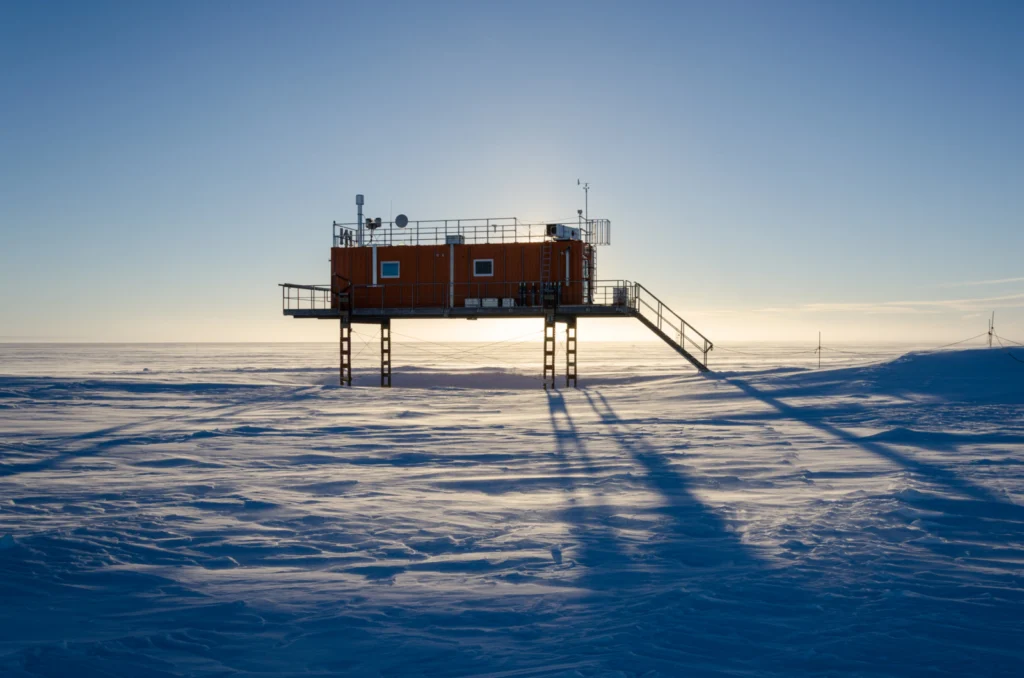
Photo of the air chemistry observatory of the German Neumayer III Antarctic station during Polar Day 2017. Located in a clean air sector south of the station, the observatory’s main purpose is to record continuous, year-round data records of relevant particulate and gaseous trace components of the troposphere. As one of only few stations located …[Read More]
1727 search results for "network"
If you didn't find what you were looking for, try searching again.
Seismology Job Portal
On this page, we regularly update open positions in Seismology for early career scientists. Do you have a job on offer? Contact us at ecs-sm@egu.eu Please, note that other available research positions are displayed on the EGU Jobs Portal. Special Thanks to Eric Löberich for researching job postings for the ECS.
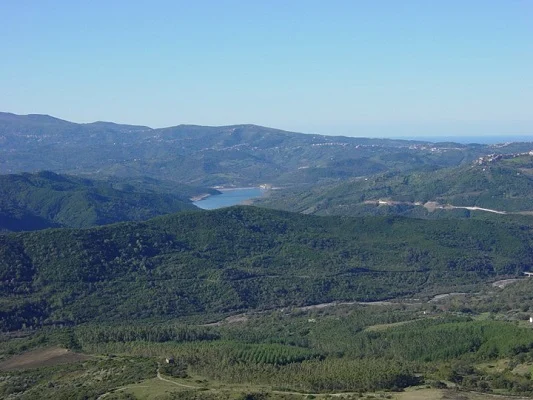
Featured catchment: The Alento Hydrological Observatory in the middle of the Mediterranean Region
Importance of investigating water fluxes in Mediterranean catchments MOSAIC (Modeling and Observing a mosaic of processes for Soil and water resources management in the Alento critical zone and Implementing adaptation strategies to climate and land use Changes) is an interdisciplinary research program that was established by the Soil Hydrology Group of University of Naples Federico …[Read More]
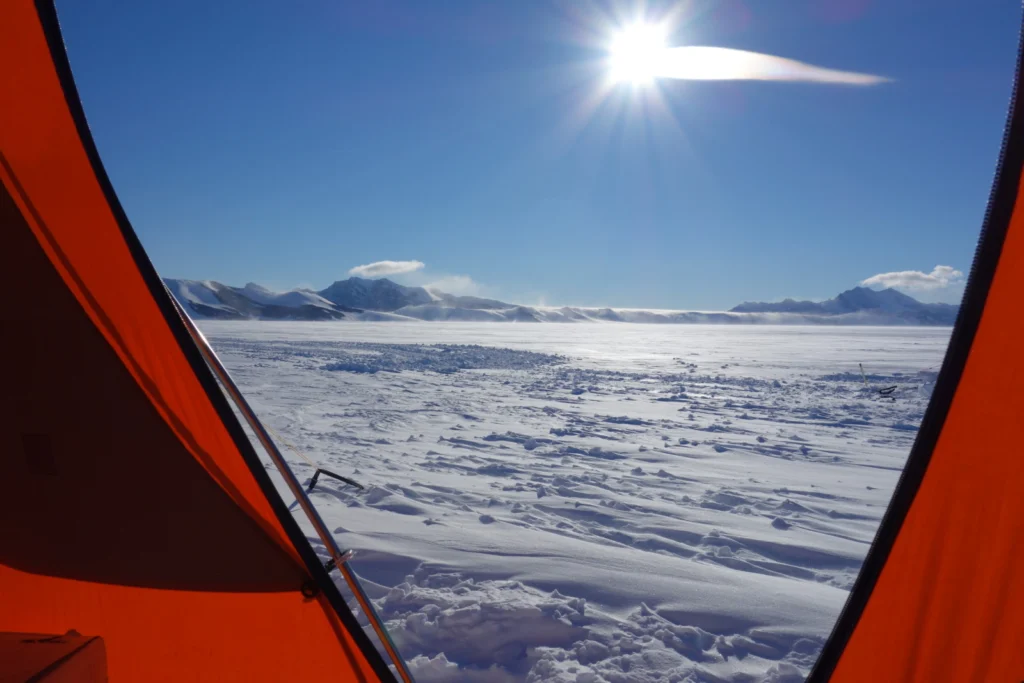
Why is research in Antarctica so important?
On the 1st December 1959 the Antarctic Treaty was signed by 12 nations, setting aside nearly 10% of the Earth “forever to be used exclusively for peaceful purposes… in the interests of all mankind.” In the years that followed more and more countries signed the agreement, until today when the agreement has been signed by …[Read More]
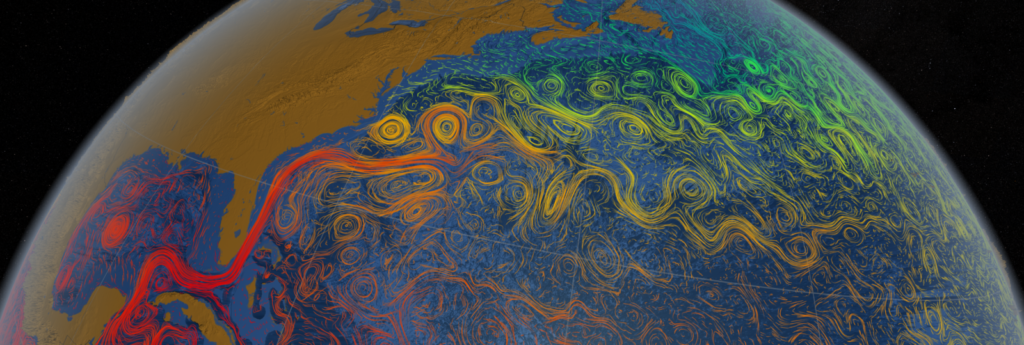
Life as a “dry” oceanographer – studying Earth’s oceans from your laptop
I didn’t always know that I would become an oceanographer when I grew up, but I knew I would be doing ‘Science’. I was born and raised in Paris, France. While growing up, I was always interested in Science, from watching documentaries about the universe or nature, to attending science events at museums. While Science …[Read More]
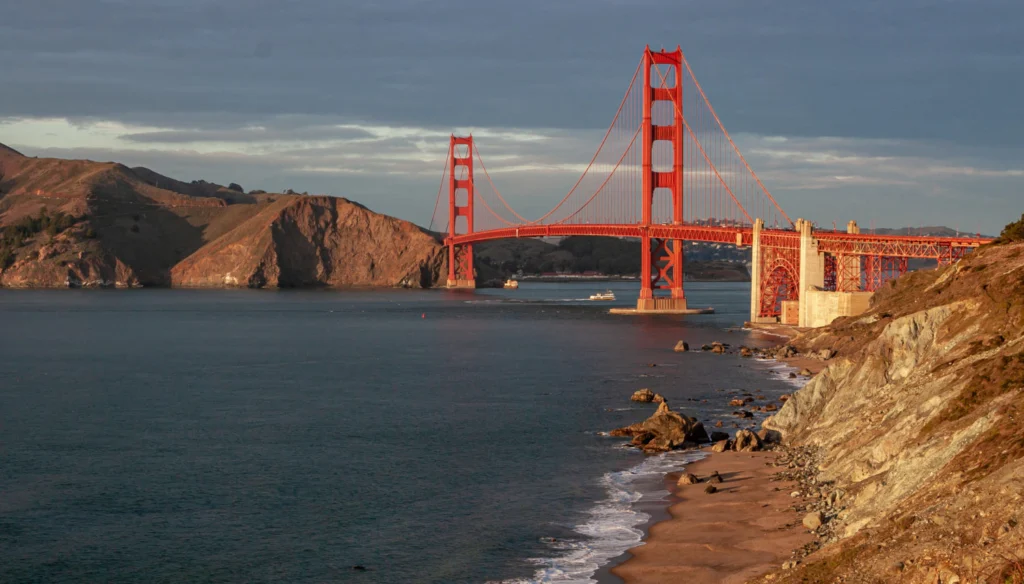
San Francisco: Where the Plates Meet
San Francisco has been a natural gathering place for people across the millennia. It is not a coincidence that this city, situated at the entrance to the largest estuary on the U.S. West Coast, owes its dramatic setting to active geology on the North American plate margin. The first people of the San Francisco Peninsula, …[Read More]
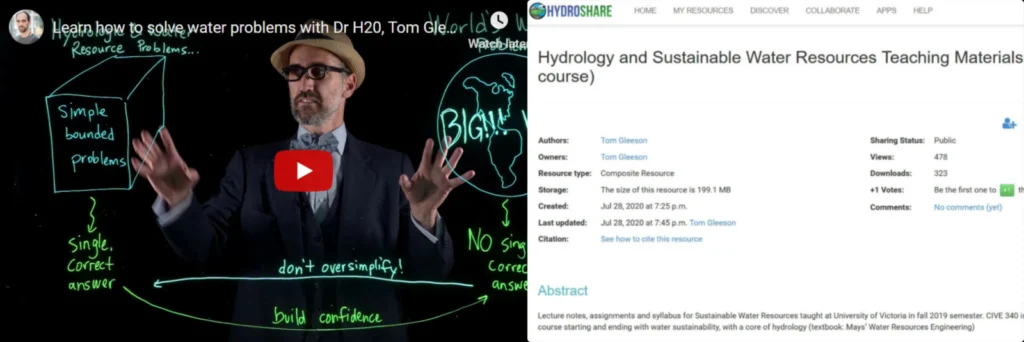
A buffet of new resources for teaching hydrology and water resources!
By Tom Gleeson (aka Dr. H2O) The content of this post will be presented as an invited eLightning presentation at AGU 2020 in the session “Online Hydrology Education: Lessons Learned from Designed and Impromptu Remote Instruction”. When: Tuesday, 8 December 2020: 07:00 – 08:00 PST What I teach and basic resources I teach Sustainable Water …[Read More]
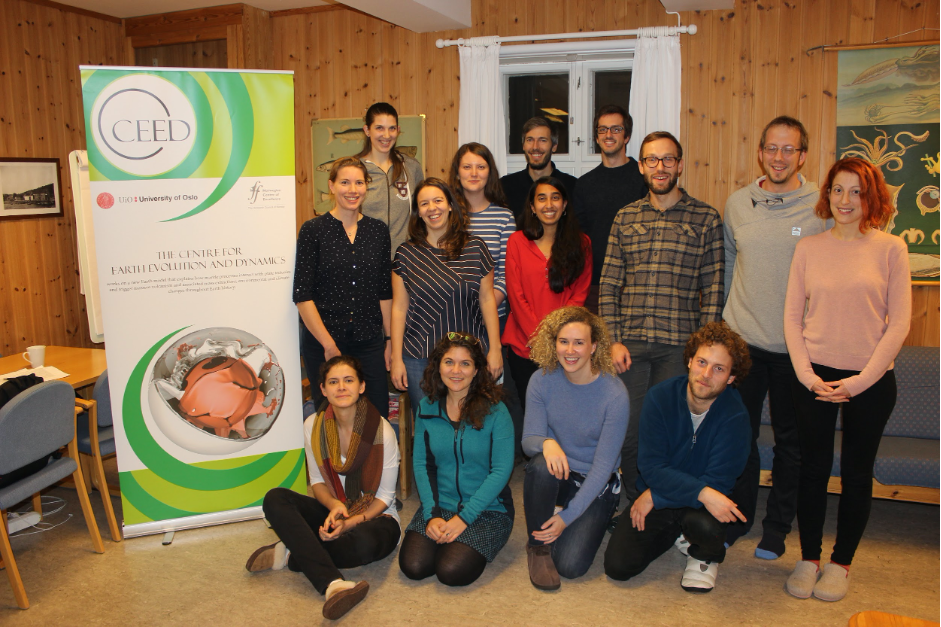
How many transdisciplinary researchers does it take to find out how an ocean sinks?
There is no shortage of increasingly uphill challenges in the current research landscape, especially for Early Career researchers: discouragingly long-standing science questions; minimal freedom for developing methodologies; invariably ambivalent proposal reviews; an academic grading scheme based mainly on publication productivity and impact; and enforced competition for few permanent research positions, just to name a few. …[Read More]
How Open Science may help us during and after the pandemic
As Hedding et al. (2020) indicate, it is “not business as usual” for higher education across the globe. There are many testimonies by scientists who are struggling to work while their children are stuck at home during the coronavirus pandemic (Langin, 2020). Indeed, it is very complex to stay at home to raise and home-school …[Read More]
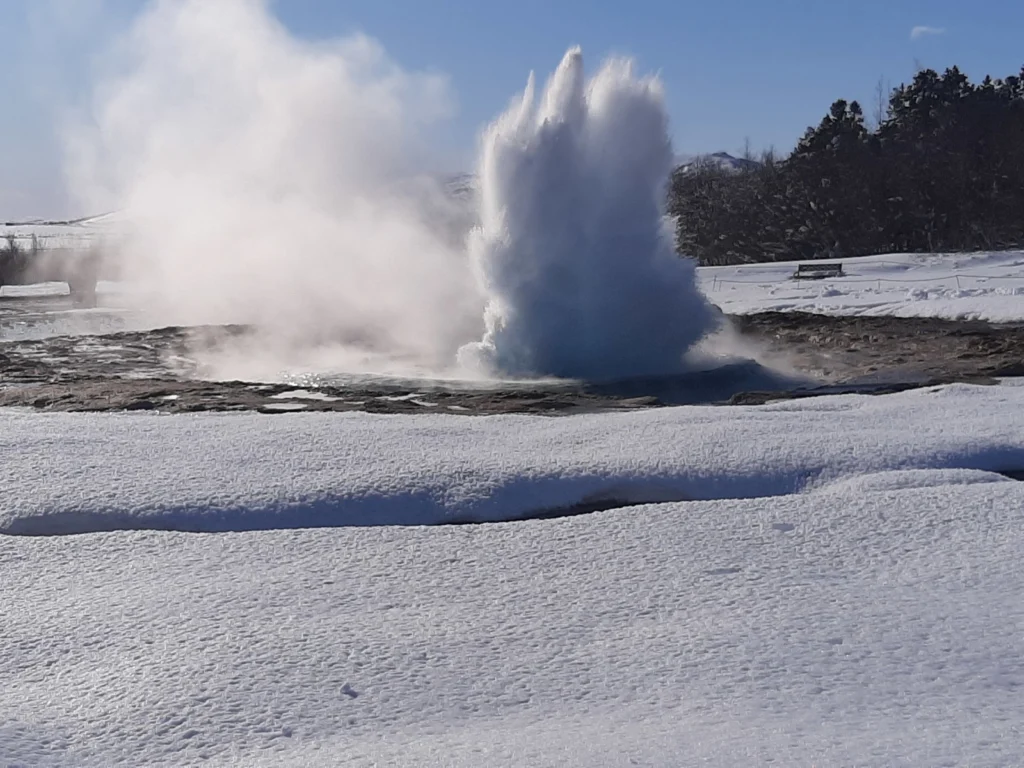
Field work in winter in Iceland: The beautiful nature of Strokkur geyser
I was fascinated and excited on my first trip to Iceland in August 2010; just a few months after the eruption of Eyjafjallajökull that affected the air traffic across Europe for a few days. Besides these dangerous volcanoes, the Icelandic landscape is beautiful, rough, wide and impressive with elements such as water and ice interacting …[Read More]