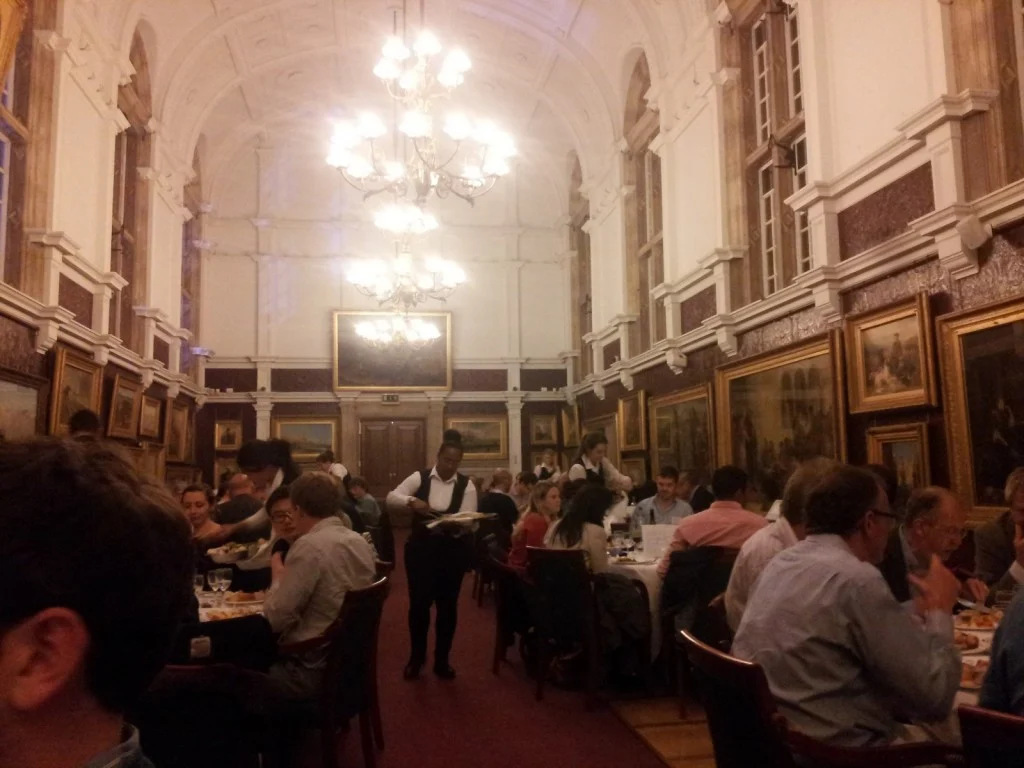
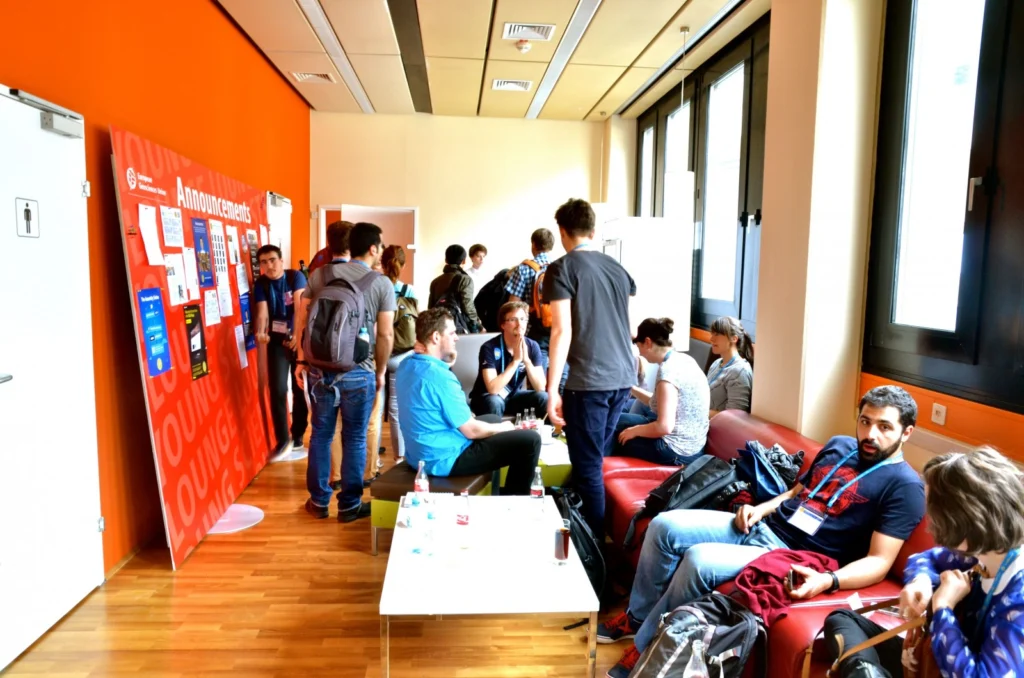
The EGU General Assembly, the largest geoscience conference in Europe, attracts more than 15,000 participants every year. While there are countless opportunities throughout the week to meet new people and reconnect with colleagues, the convention centre can be overwhelming, especially for early career scientists (ECS) and first-time attendees. The Networking & Early Career Scientists’ Zone …[Read More]
1727 search results for "network"
If you didn't find what you were looking for, try searching again.
Water Underground has a new home on the EGU Network Blogs
The newest addition to the Network Blogs is a groundwater nerd blog written by a global collective of hydrogeologic researchers for water resource professionals, academics and anyone interested in groundwater, research, teaching and supervision. Water Underground was started, and is currently led, by Tom Gleeson. It is the first blog to be jointly hosted by the …[Read More]
Revamping the EGU blog network: call for bloggers
The EGU blog network is getting a make-over! Since 2013 the network blogs have enjoyed thought-provoking and engaging contributions by Simon Redfern, Dan Schillereff and Laura Roberts, Jon Tennant, as well as Will Morgan on a range of topics: from the workings of the inner Earth, through to geomorphology, palaeontology and air quality. However, the …[Read More]
Join the EGU Blog Network!
After announcing earlier this week that we are sadly saying goodbye to the EGU network blog Between a Rock and Hard Place, the time has come to find a new blog to take their place. If you are an Earth, planetary or space researcher (a PhD student, an early career scientist, or a more established …[Read More]
The EGU Network blogs are looking for guest contributions
Are you a budding science writer, or want to try your hand at science communication? You might just be the person for our EGU network bloggers! A number of our network blogs would like to give their pages a bit of a boost and are seeking guest bloggers to contribute new, informative and engaging posts …[Read More]
A real-world example of ‘networking’ success
One piece of advice that Early Career Researchers (certainly including PhD students) encounter repeatedly is this concept of ‘developing academic networks’ that may potentially lead to collaborative research and ideally a job in the future. I often wondered what on earth that actually meant when I started my PhD. Attending conferences and speaking to colleagues …[Read More]
Scientists and the social network
Nature just blew the bubble! Last month an article entitled Online collaboration: Scientists and the social network, by Richard Van Noorden, put focus on the role social media has on scholars. The article gives a detailed insight on the attitude of scientist towards social media by discussing the various existing platforms such as Google Scholar, ResearchGate, LinkedIn, Twitter, …[Read More]
READ: Networking for young scientists
A recommended read. The latest article on Wileys blog talks about the importance of networking for young scientists – how to do it and why you should. The blog is maintained by Wiley and share views about ideas, research and discussion. The article is well written and is a recommended read for all young scientists. Follow the …[Read More]
The home of our hearts, Cape Breton – A transformative professional experience with the Canadian Water Network (Part 1 of 6: prologue)
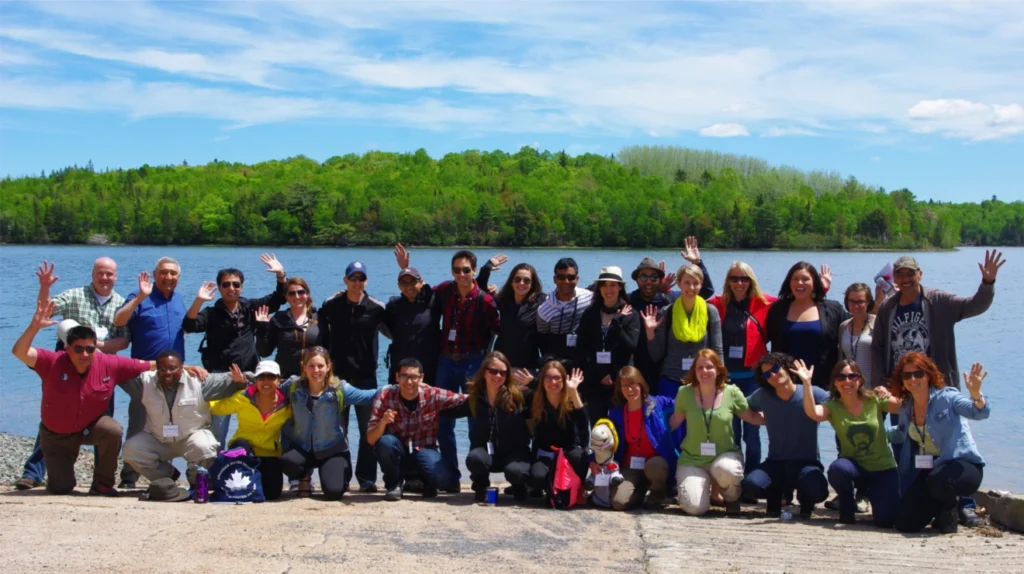
Prologue [part one of a special six-part blog series by Mark Ranjram, MEng student at McGill University. From June 8 to June 13 2014, Mark had the privilege of being a part of the Canadian Water Network’s (CWN) Student and Young Professionals (SYP) Workshop in Cape Breton Island, Nova Scotia] Let me start this series …[Read More]
Permafrost Young Researchers Network: the study of permafrost in a climate change scenario
Marc Oliva University of Lisbon, Portugal The World Climate Research Program (WCRP) and the IPCC Working Group 1 (Fourth Assessment Report) recognize the Cryosphere as one of the most significant challenges of climate science and as a major source of uncertainty in global climate projections. While the permafrost carbon feedback has been identified as …[Read More]