
By Sam Zipper Groundwater is often invisible because it’s hidden below the ground. However, for those who know what to look for, you can see evidence for groundwater everywhere you look! A couple of years ago, I wrote about the great American groundwater road trip across the Ogallala Aquifer where we could see groundwater in the form of irrigation, streamflow, and town names. In honor of the Unite ...[Read More]
If you didn't find what you was looking for try searching again.
GeoLog
Imaggeo On Monday: the EGU Photo Competition – colourful thin-sections.
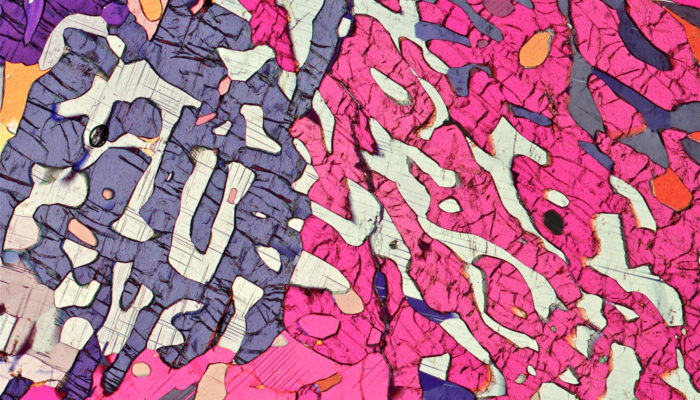
In 2010 EGU held our first annual Photo Competition at the General Assembly in Vienna. Since then hundreds of photos have been shared on imaggeo by geoscientists and researchers just like you, with a lucky few being selected each year to be highlighted during the meeting and voted on by our members. These images can be of anything to do with geology or geoscience – we get many beautif ...[Read More]
GeoLog
How to EGU22: Beyond the science – a world of networking, science for policy, mentoring, jobs and careers
With EGU’s first hybrid General Assembly soon approaching, we’re sure you’re browsing through the conference sessions to bookmark your favourite ones. The scientific sessions are certainly amongst the highlights every year, but did you know there’s so much more you can explore during the week-long event? EGU22 has an exciting program with sessions that go beyond the science – including Early Caree ...[Read More]
Ocean Sciences
The fragile connection of the Ocean and the Cryosphere – a story from the past
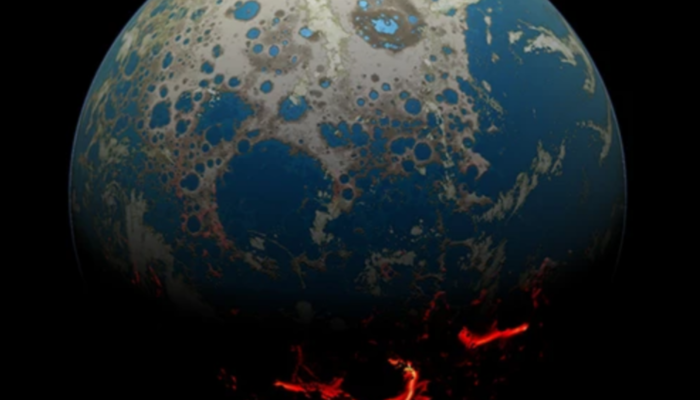
Compared to the formation and evolution of the Earth’s surface, the ancient oceans receive little attention in geological history. However, understanding the rise and fall of the oceans of the past—or “ghost oceans”—can reveal crucial information about the evolution of our planet, the cryosphere included. Can oceans play a historical role in climate change? If water bodies had not existed, would w ...[Read More]
Geodynamics
The Sassy Scientist – The Coffee Nirvana

Air travel is a thing of the past, or at least it has been in the past couple years. Nowadays conferences are attended from the comfort of our closet home-office. Although there are undeniable advantages in not being in the USA (please keep me out of there!), Sadia wonders: How to stay awake until 3am to present your poster at a virtual US conference? Dear Sadia, You are talking about a possible c ...[Read More]
Cryospheric Sciences
The fragile connection of the Ocean and the Cryosphere – a story from the past
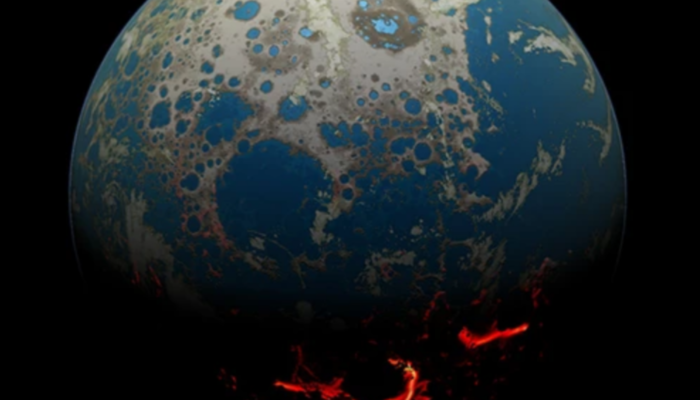
Compared to the formation and evolution of the Earth’s surface, the ancient oceans receive little attention in geological history. However, understanding the rise and fall of the oceans of the past—or “ghost oceans”—can reveal crucial information about the evolution of our planet, the cryosphere included. Can oceans play a historical role in climate change? If water bodies had not existed, would w ...[Read More]
GeoLog
The most-read EGU journal articles in 2021!

This year EGU published more than 3,375 peer-reviewed articles in our 19 Open Access journals. Upon learning about this impressive number of articles, we wondered: which of these were the most popular? You can find out in the following list of the most-read article for each EGU journal. From rainfall-runoff prediction, tipping points and open source hazard mapping, to the use of language around fr ...[Read More]
Geodynamics
There’s more to Geoscience than just oil and gas
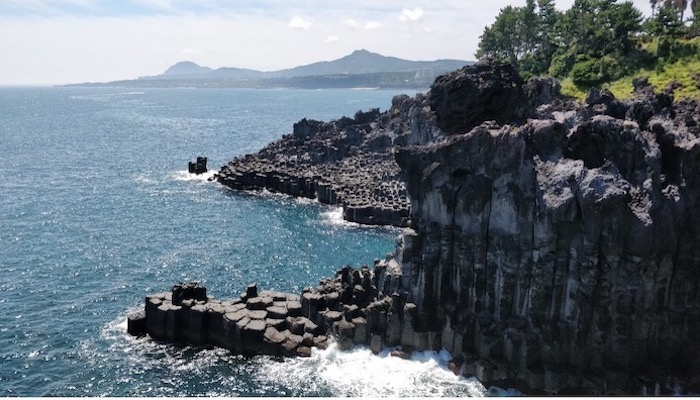
When most people hear Geology, they might think ‘rocks’, ‘diamonds’ or ‘oil and gas’, and these perceptions of the Geosciences vary from country to country. This week, we have PhD student Ayuni Ina Mohamaad from the University of Florida to tell us more about the Malaysian view of geoscientists. Fresh out of high school in 2009, I was still unclear with how I would like to move forward in life, ca ...[Read More]
Geodesy
Geodesists on Tour: GNSS measurements in East Africa
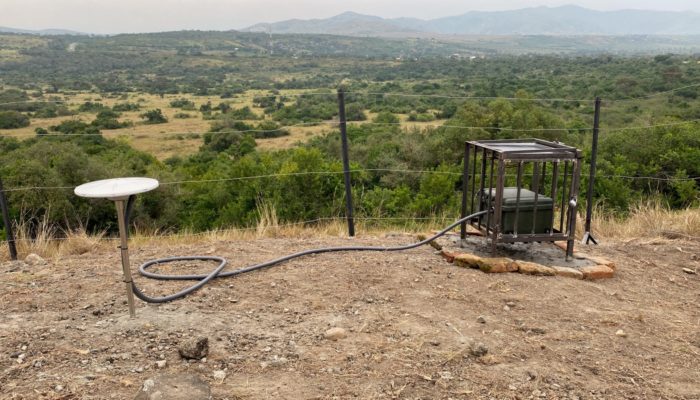
Africa hosts the world’s most extensive subaerial rift system on Earth known as the East African Rift System (EARS). It stretches over 5000 km from the Red Sea and Gulf of Aden intersection in the north to the Southwest Indian Spreading Ridge south of South Africa. East-West, the EARS spans the eastern border of the Democratic Republic of Congo across to eastern Madagascar over 3000 km. The ...[Read More]
Natural Hazards
We want you: New Science Officers seeking.
Interested in getting involved in shaping the EGU NH Division? Interested in having an active role during the organisation of the annual General Assembly? Are you working in a field of research related to Natural Hazards? Then keep reading! Our Division is seeking new volunteer Science Officers to fill in the role for the following subdivisions: NH2: Volcanic Hazards NH3: Landslide Hazards NH5: S ...[Read More]