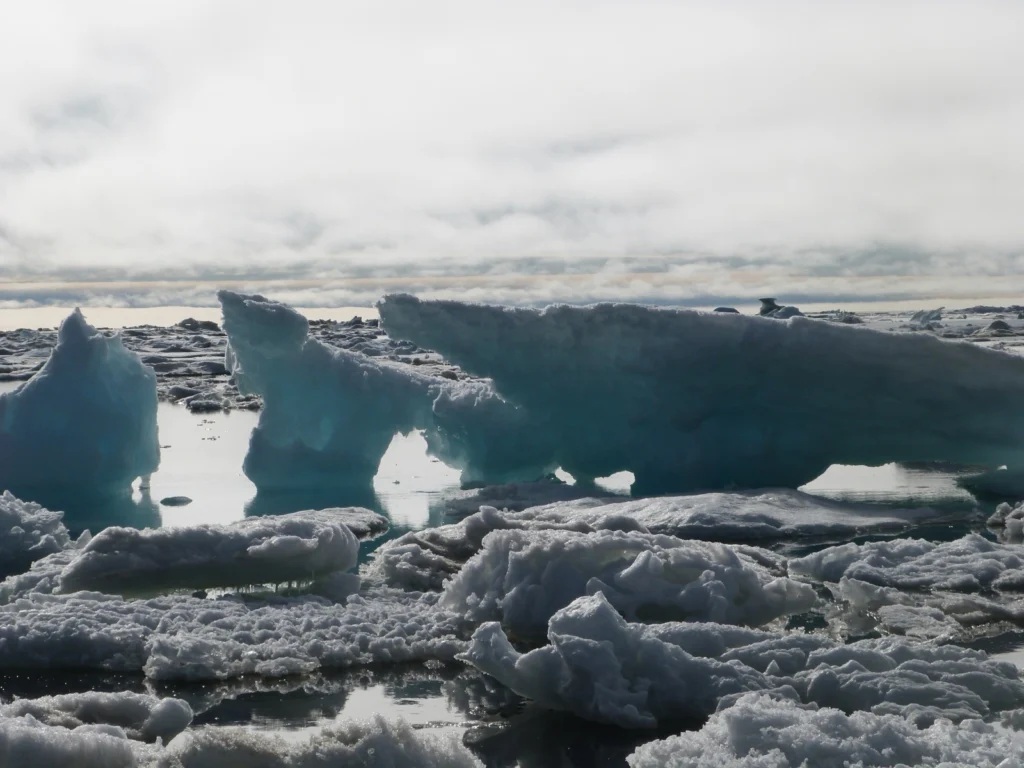
The global climate system is complex. It is composed of, and governed by, a plethora of interconnect factors. Solar radiation, land surface, ice cover, the atmosphere and living things, as well as wind and ocean currents, play a crucial role in the climate system. These factors are intricately connected; changes to some can have significant …[Read More]
2110 search results for "researcher"
If you didn't find what you were looking for, try searching again.
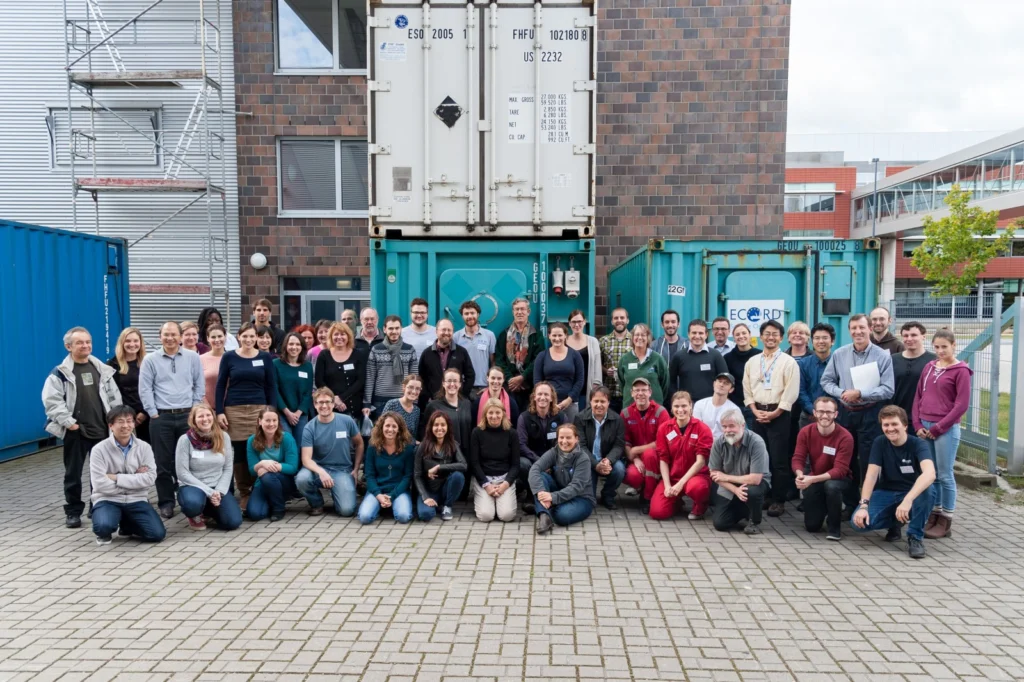
Introducing the people behind the TS division
This week we present the many volunteers behind the activities of the Tectonics and Structural Geology (TS) division. We can also be found on http://www.egu.eu/ts, Facebook and twitter. We are always happy to hear new ideas and feedback! Just drop a message on ts@egu.eu and don’t forget to stop by the division meeting during the General Assembly …[Read More]
Try something different – choose a PICO session at EGU 2017!
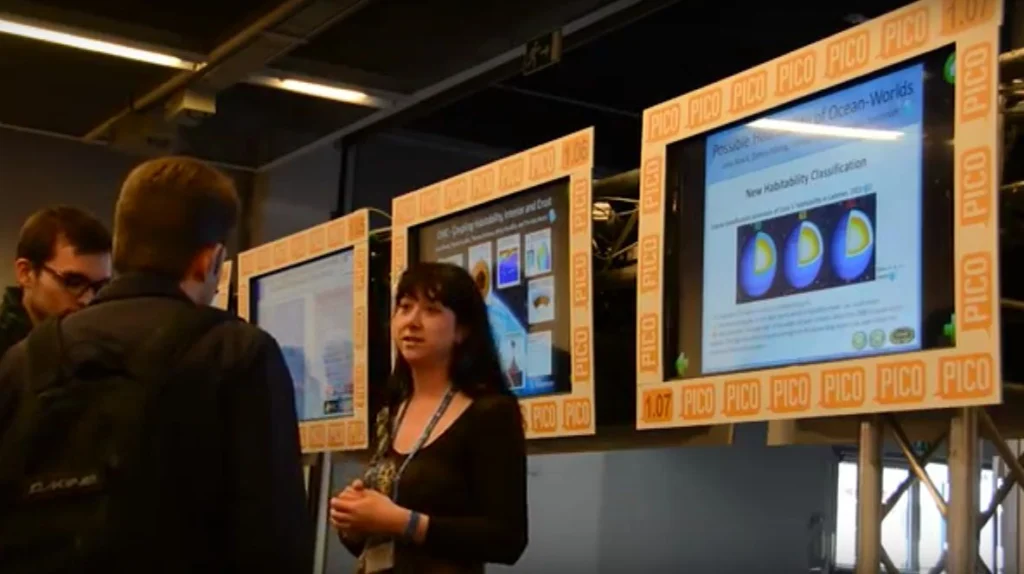
Some of the sessions scheduled for the upcoming EGU General Assembly are PICO only sessions. This means that, rather than being oral or poster format, they involve Presenting Interactive COntent (PICO). The aim of these presentations is to highlight the essence of a particular research area – just enough to get the audience excited about …[Read More]
Publishing in Solid Earth: interview with Anna Rogowitz
Following our previous blog about the EGU journal Solid Earth, we now would like to share some experiences of open access publishing in this journal with you. Therefore, we interviewed Anna Rogowitz, who recently published in Solid Earth, about her experiences. About Anna: Anna is an Assistant Professor in the Structural Processes Group at …[Read More]
GeoTalk: Peter Lippert, understanding continental tectonics through palaeomagnetic studies
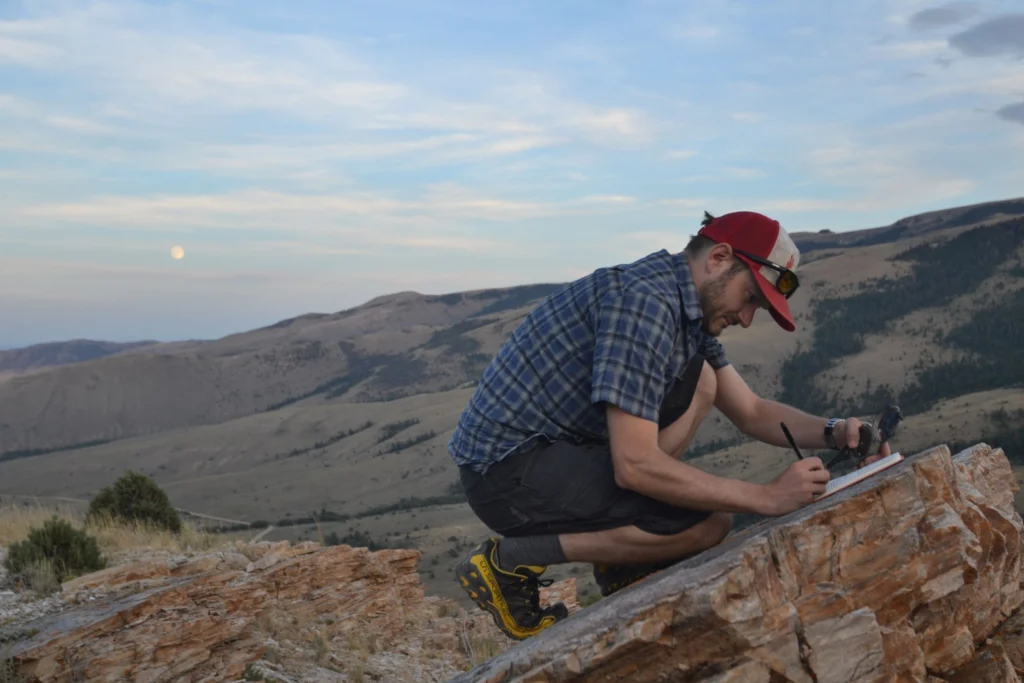
Geotalk is a regular feature highlighting early career researchers and their work. In this interview we speak to Peter Lippert, a palaeomagnetist at the University of Utah, and winner of the 2016 EMRP Outstanding Young Scientist Award. He was granted the award for his contributions to insights into palaeoceanography and continental tectonics through palaeomagnetic studies. …[Read More]
EGU2017: Financial support to attend the General Assembly
The EGU is committed to promoting the participation of both early career scientists and established researchers from low and middle income countries who wish to present their work at the EGU General Assembly. In order to encourage participation of scientists from both these groups, a limited amount of the overall budget of the EGU General …[Read More]
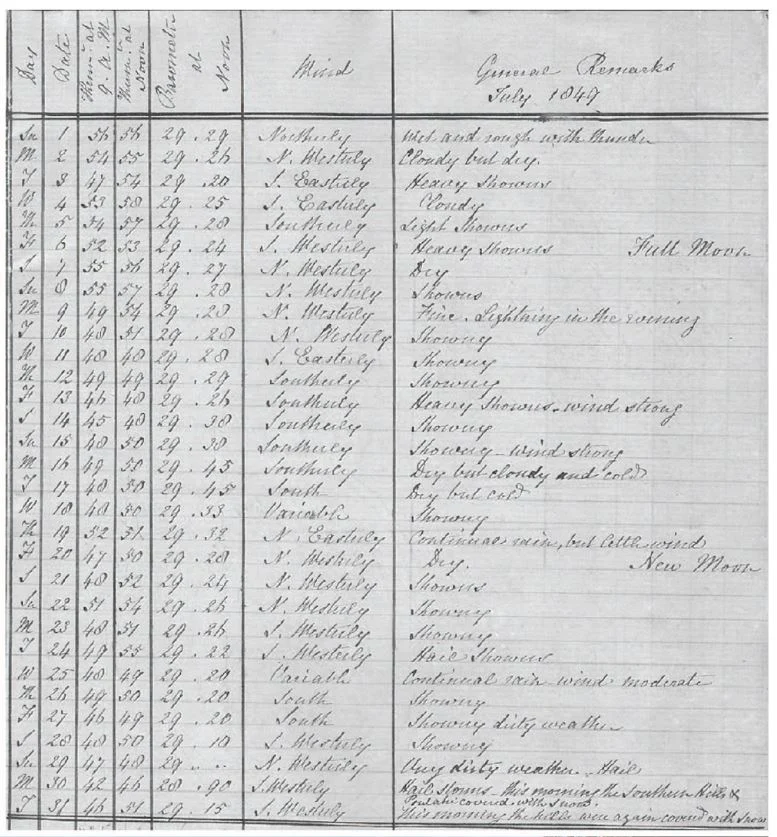
GeoSciences Column: The ‘dirty weather’ diaries of Reverend Richard Davis
Researching the Earth’s climate of the past, helps scientists make better predictions about how the climate and our environment will continue to be affected by, change and adapt to rising temperatures. One of the most invaluable sources of data, when it comes to understanding the Earth’s past climate, are historical meteorological records. Accounts of weather …[Read More]
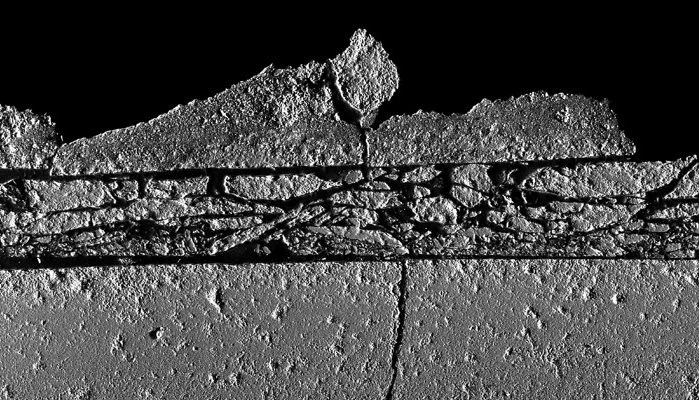
Minds over Methods: Experimental earthquakes
After our first edition of Minds over Methods, which was about Numerical Modelling, we now move to Rock Experiments! How can rock experiments be used to study processes within the Earth? We invited Giacomo Pozzi, PhD student at Durham University, to explain us how he uses rock experiments to study fault behaviour during earthquakes. …[Read More]
GeoTalk: Drilling into the crater which contributed to the demise of dinosaurs
Six months ago, somewhere in the tropical waters off the coast of Mexico, scientists began drilling into one of the most iconic geological features on Earth: the Chicxulub crater; the 66 million year old remnants of a deadly asteroid impact, thought to have contributed to the demise of dinosaurs and most other forms of life …[Read More]
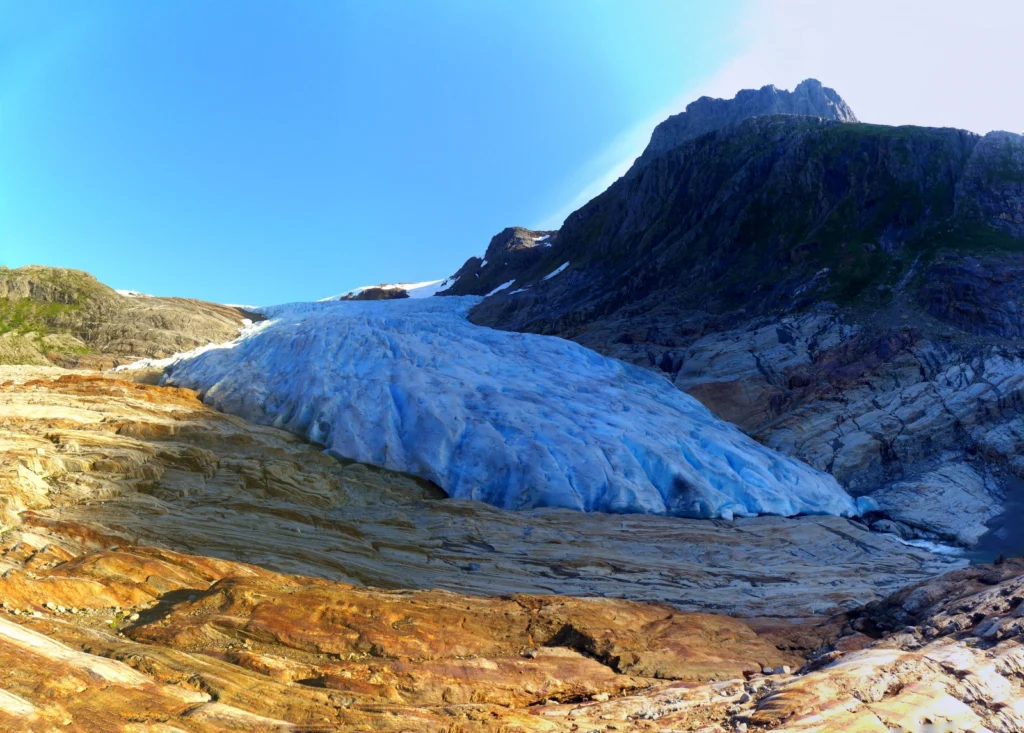
Imaggeo on Mondays: Why does a Norwegian glacier look blue?
This picture shows the outlet glacier Engabreen running down from the plateau of Svartisen in Norway. Svartisen ice cap comprises two glacier systems of which the Vestre (western) Svartisen is Norway’s second largest glacier. Located right at the polar circle, Svartisen covers a total of 369 km² of the Nordland region. These coastal mountains accumulate …[Read More]