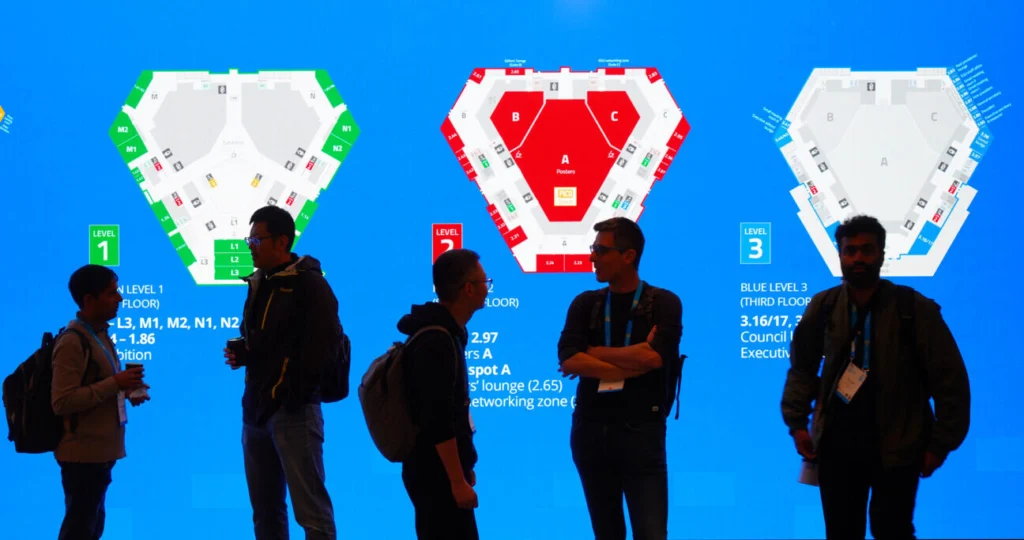
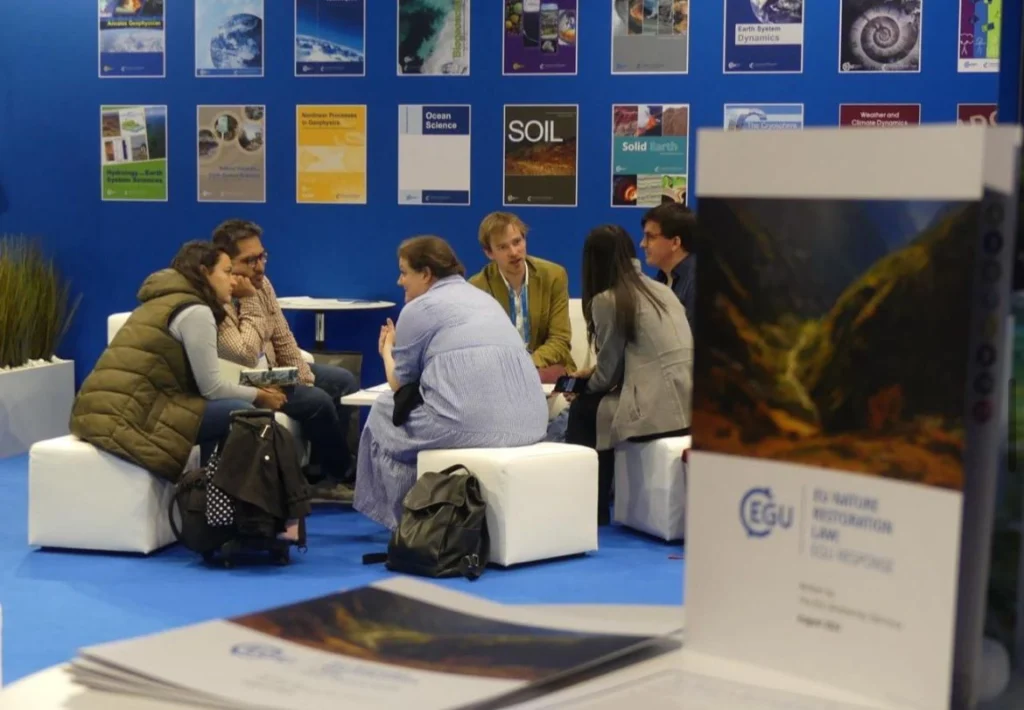
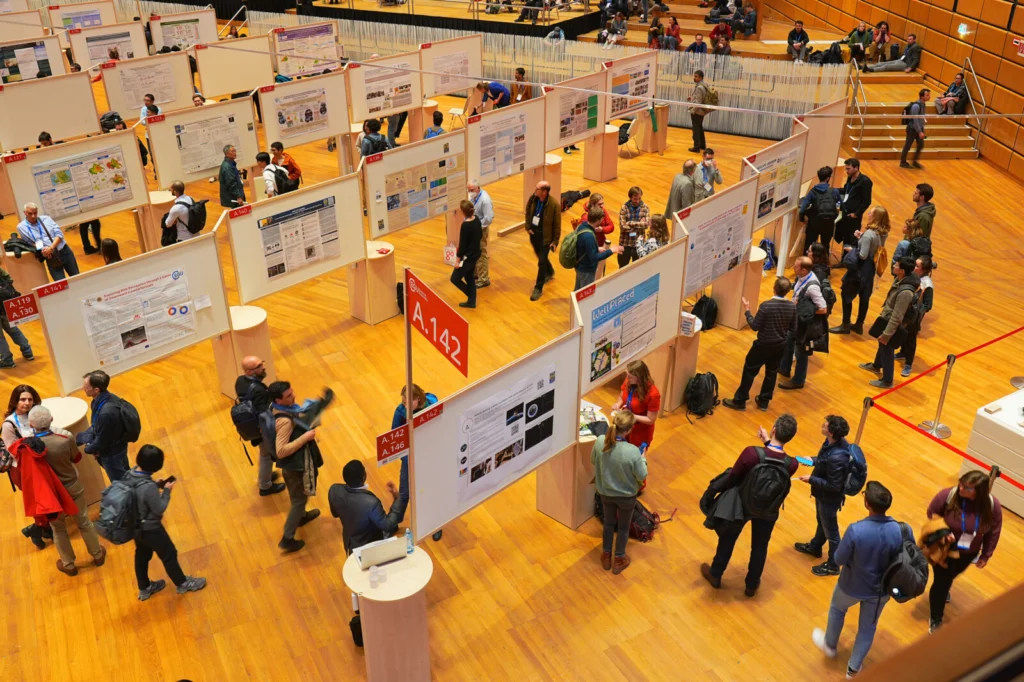
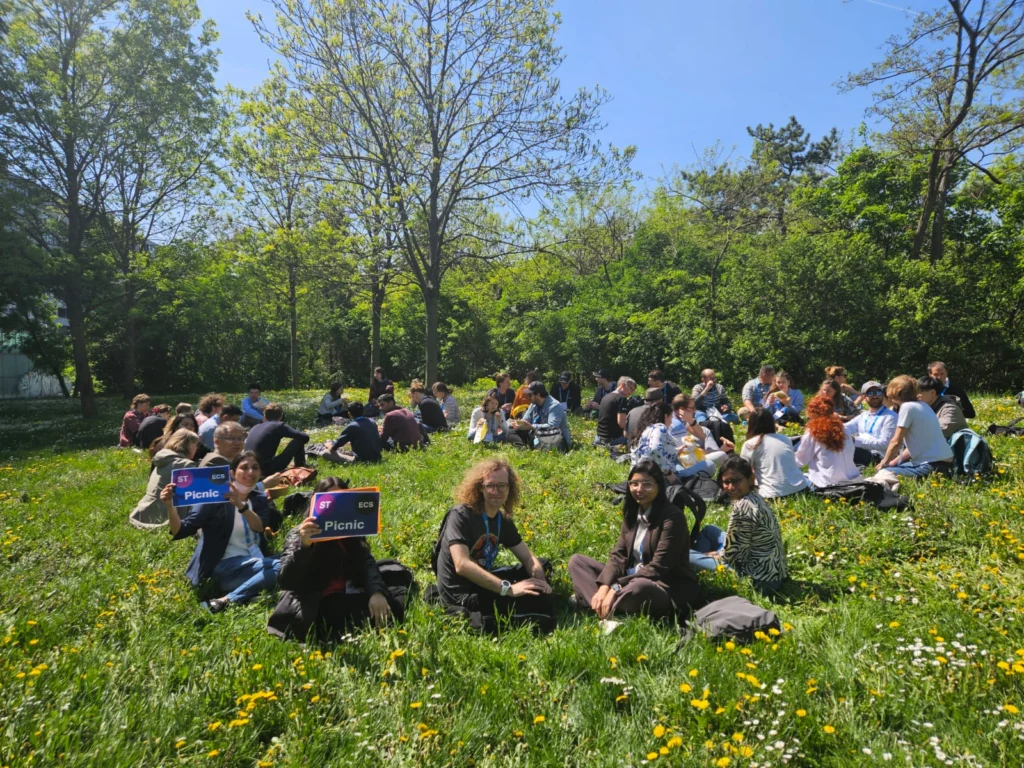
Early Career Scientists (ECS) – defined as a student, a PhD candidate, or a practising scientist who received their highest certificate (e.g. BSc, MSc or PhD) within the past seven years – compose about half of EGU’s members. Many of the sessions and events throughout the Assembly are built with our ECS attendees in mind, from …[Read More]
1727 search results for "network"
If you didn't find what you were looking for, try searching again.
GeoPolicy: Jump into Science for Policy at EGU26!
Each year, the EGU General Assembly offers a diverse programme of scientific and skills-focused sessions where participants can explore new research, grow their network, broaden their expertise, and build new skills. Among these are sessions that focus on science for policy, showcasing how researchers can start engaging in policymaking, connect with decision-makers, and create policy …[Read More]
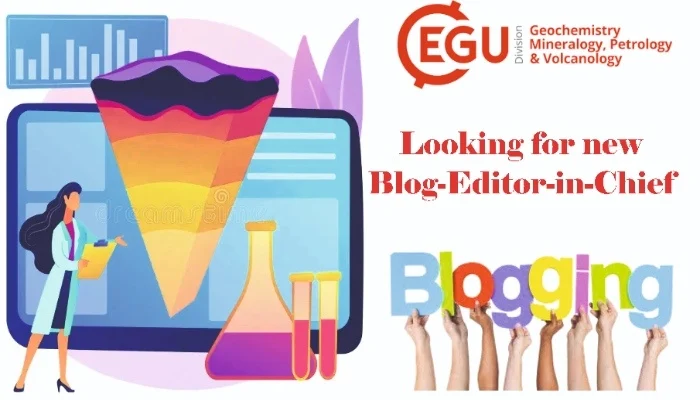
EGU GMPV Division is looking for a new Blog Editor-in-Chief!
Are you an Early Career Scientist passionate about Geochemistry, Mineralogy, Petrology, or Volcanology? Do you thrive on connecting with fellow scientists and sharing discoveries with the world? The GMPV division of the EGU invites you to become our next Editor-in-Chief and inspire our blog community. The GMPV Blog is a vibrant platform showcasing scientific breakthroughs, …[Read More]
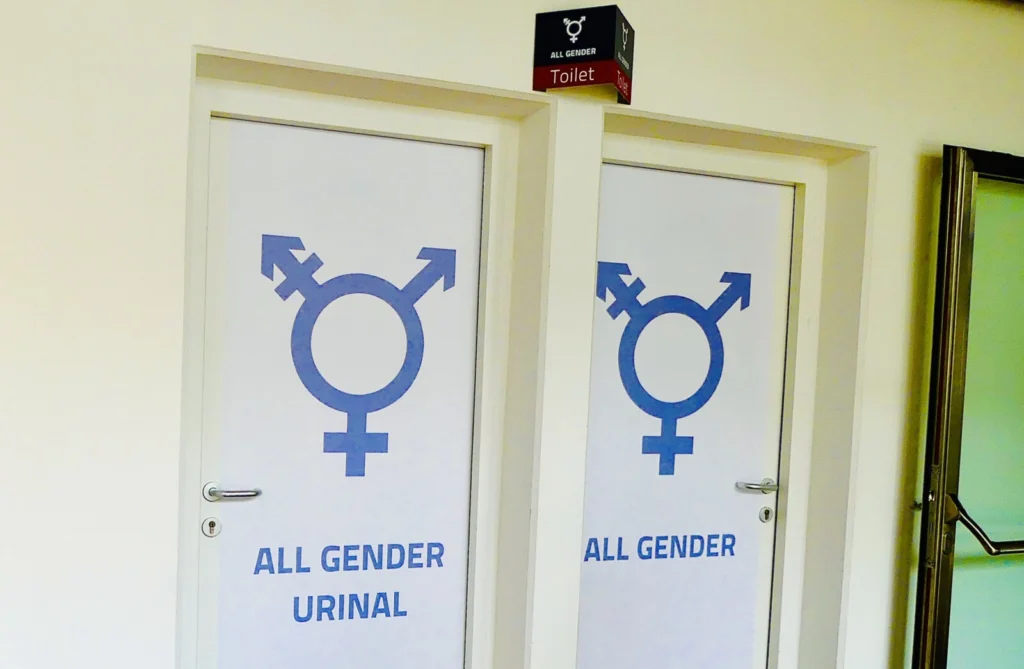
Questions about accessibility at EGU26? Useful resources for parents, disabled attendees and more!
The annual EGU General Assembly is a wonderful chance to gather together with friends and colleagues to discuss recent scientific work, plan new projects and develop your career, but a scientific meeting, especially one the size and length of time of the General Assembly is not an equally accessible experience for everyone. With this in …[Read More]
The Neurodivergent Guide to the EGU General Assembly: Tips and tricks to improve your experience
What is neurodiversity? Neurodiversity is the concept that individuals experience the world, process information, function and communicate in diverse ways; there is no ‘default’ way of thinking. As a framework it supports the self-advocacy of people who face obstacles due to their needs not being considered in the design of environments and systems. Such individuals …[Read More]
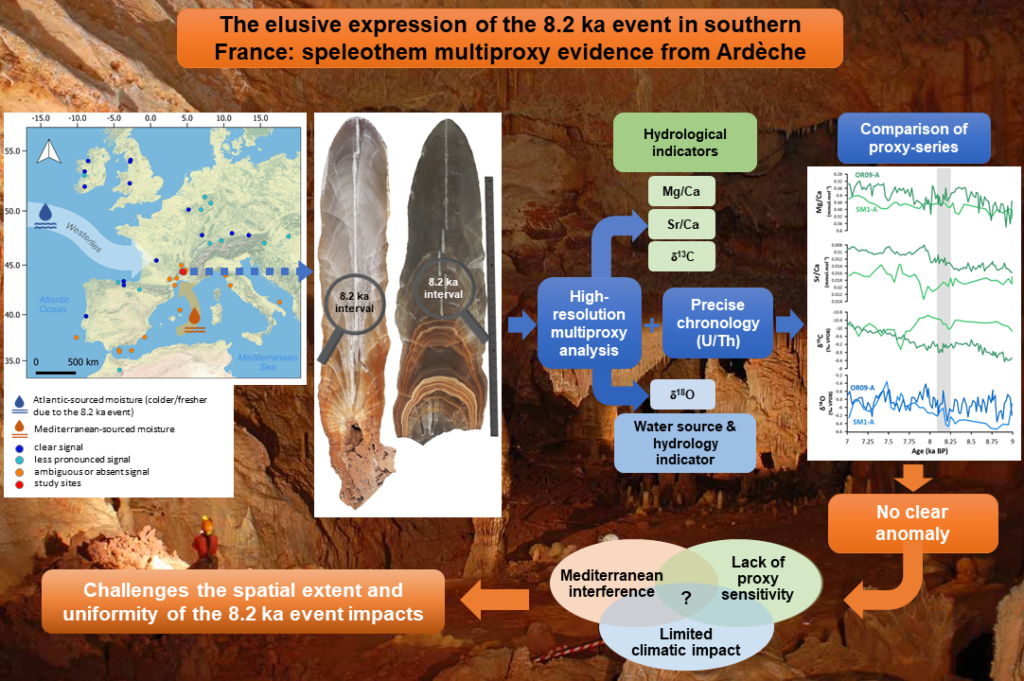
When a major climate event goes almost unnoticed: the elusive 8.2 ka signal in southern France stalagmites
Around 8,200 years ago, the climate of the Northern Hemisphere experienced an abrupt disturbance. In Greenland ice cores, the signal is unmistakable: a rapid drop in temperatures, followed by a gradual return to previous conditions. This episode, which lasted about 150 years, is known as the 8.2 ka event (“ka” meaning thousand years before …[Read More]
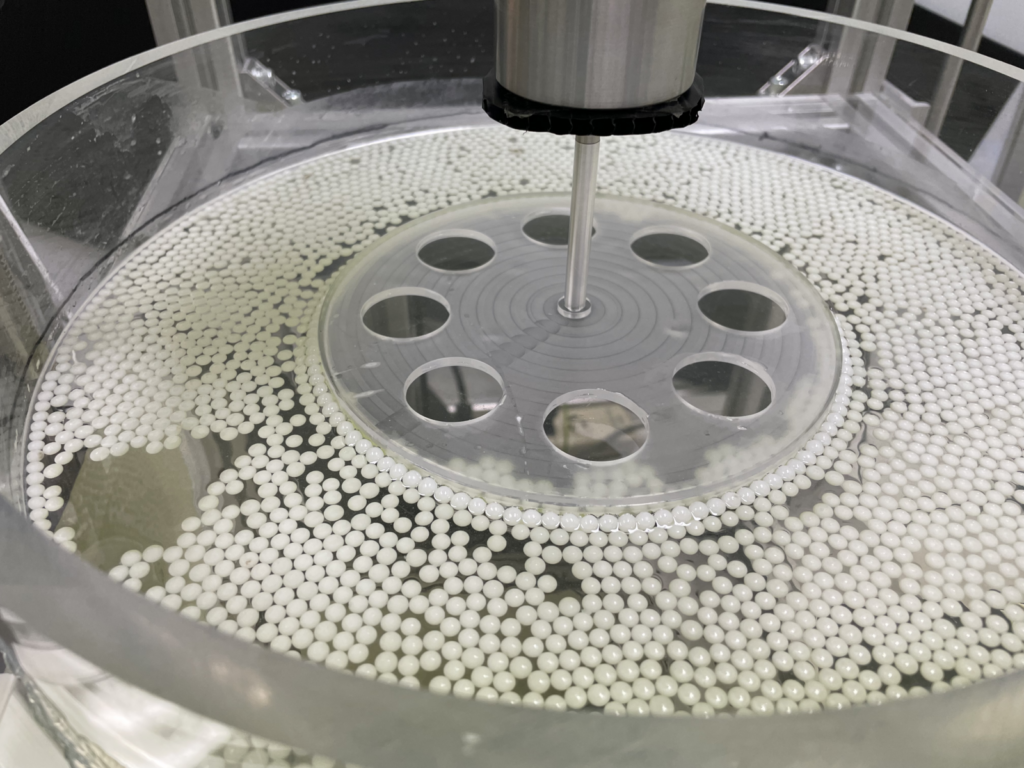
Exploring Earth’s interior with analogue models: The case of slow earthquakes
Have you ever heard of “analogue modelling”? In solid Earth science, directly observing the Earth’s interior is challenging, and the analogue modelling approach often overcomes this limitation by using alternative systems analogous to natural phenomena. By identifying fundamental mechanisms in these tractable systems, we can apply physical scaling laws to understand processes deep within the …[Read More]
Making a plan: using your EGU26 personal programme
The EGU26 Programme is online and hopefully by now you have found your abstract or session, so what do you do next?! This year’s scientific programme of the General Assembly features a wide range of options, including the Keynote sessions; Medal and Award Lectures (MAL), Great Debates (GDB), Union Symposia (US), and the Union-wide sessions; Short …[Read More]
Don’t Miss the EGU-ST Early-Career Scientist Events during EGU26!
As the EGU General Assembly (GA) 2026 approaches, the Solar-Terrestrial (ST) Division Early-Career Scientist (ECS) team is organizing various events to give researchers a platform to network with their peers, and strengthen our community! What is ECS? Students (BSc, MSc), PhD candidates and researchers who obtained their highest academic degree in the last seven years …[Read More]
Geodesists on Tour: Circumnavigating Greenland by Helicopter
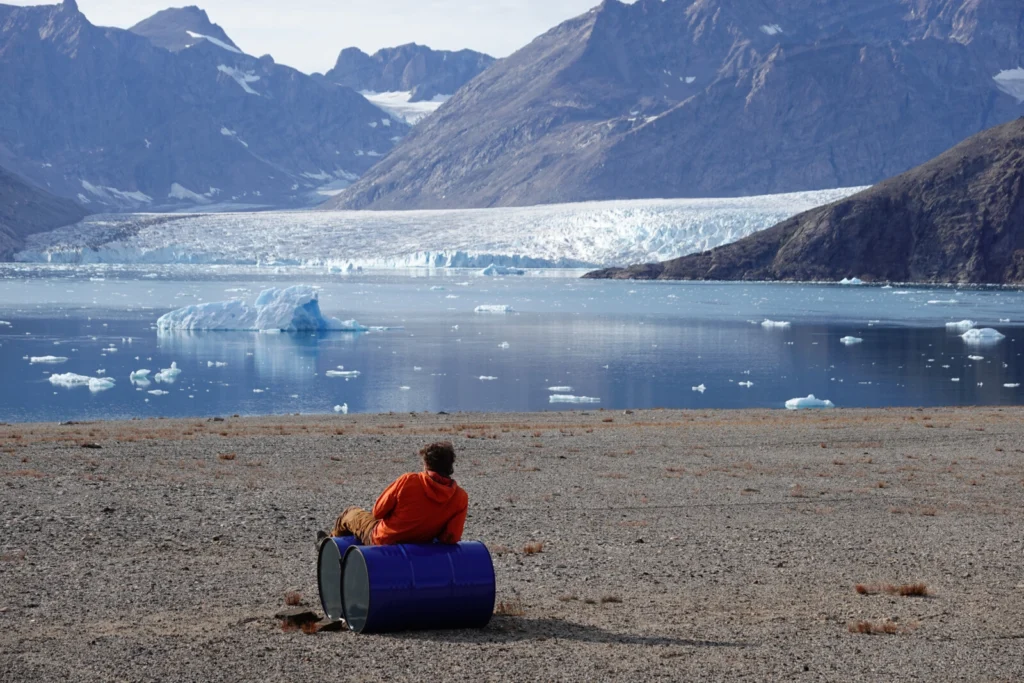
Greenland, the world’s largest island, has one of the most challenging environments for geodetic measurements. Maintaining GNSS (Global Navigation Satellite Systems) stations here isn’t just about precision – it’s about ensuring data continuity in an area that’s constantly moving. This is the behind-the-scenes story of a 15,000 km journey around Greenland: five weeks of …[Read More]