In the last fifty years, models and observations have enabled us to better understand sea-ice processes. On the one hand, global climate models have been developed, accounting for the sea-ice component in the climate system. On the other hand, satellite instruments have been developed to monitor the “real” sea-ice evolution. These satellite observations are often used to evaluate climate models. H ...[Read More]
If you didn't find what you was looking for try searching again.
GeoLog
EGU2018: Financial support to attend the General Assembly
The EGU is committed to promoting the participation of both early career scientists and established researchers from low and middle-income countries who wish to present their work at the EGU General Assembly. In order to encourage participation of scientists from both these groups, a limited amount of the overall budget of the EGU General Assembly is reserved to provide financial support to those ...[Read More]
GeoLog
GeoTalk: Hellishly hot period contributed to one of the most catastrophic mass extinctions of Earth’s history
Geotalk is a regular feature highlighting early career researchers and their work. Following the EGU General Assembly, we spoke to Yadong Sun, the winner of a 2017 Arne Richter Award for Outstanding Early Career Scientists, about his work on understanding mass-extinctions. Using a unique combination of sedimentological, palaeontological and geochemical techniques Yadong was able to identify some o ...[Read More]
Geodynamics
Planting seeds of deformation in numerical models
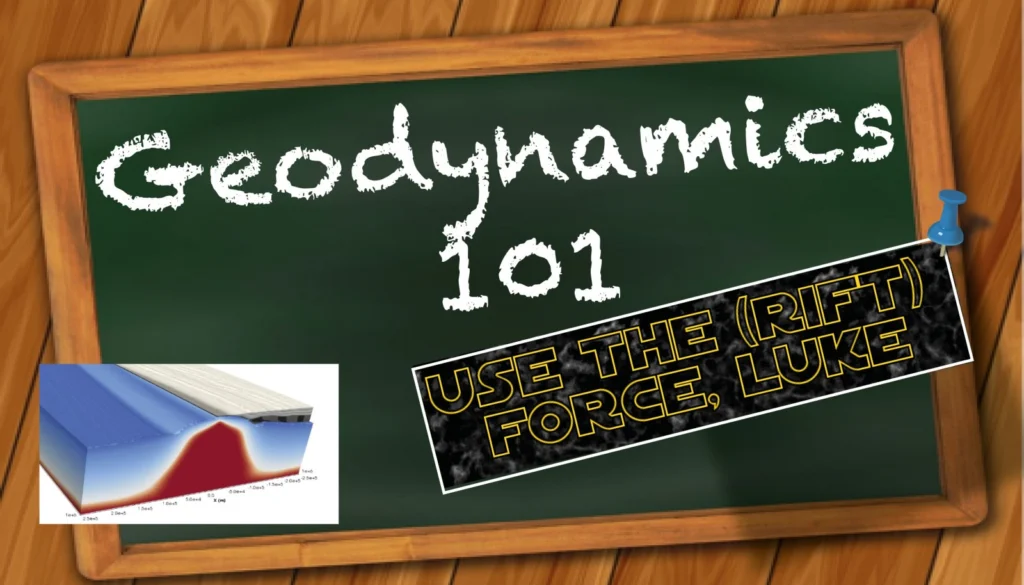
The Geodynamics 101 series serves to showcase the diversity of research topics and methods in the geodynamics community in an understandable manner. We welcome all researchers – PhD students to Professors – to introduce their area of expertise in a lighthearted, entertaining manner and touch upon some of the outstanding questions and problems related to their fields. This month we continue the con ...[Read More]
GeoLog
Geoscience communication: A smart investment
In this post, originally published in June 2017 on the blog of the Geological Society of America (GSA), Terri Cook, a science and travel writer and former winner of the EGU’s Science Journalism Fellowship, argues the importance of quality science communication as a means for scientists to make their research accessible to a broad audience. One way to achieve this is working with a science jo ...[Read More]
GeoLog
Join us at EGU 2018: Call-for-abstracts is now open!
From now, up until 10 January 2018, you can submit your abstract for the upcoming EGU General Assembly (EGU 2018). In addition to established scientists, PhD students and other early career researchers are welcome to submit abstracts to present their research at the conference. Further, the EGU encourages undergraduate and master students to submit abstracts on their dissertations or final-year pr ...[Read More]
Cryospheric Sciences
Image of the Week – Karthaus Summer School 2017
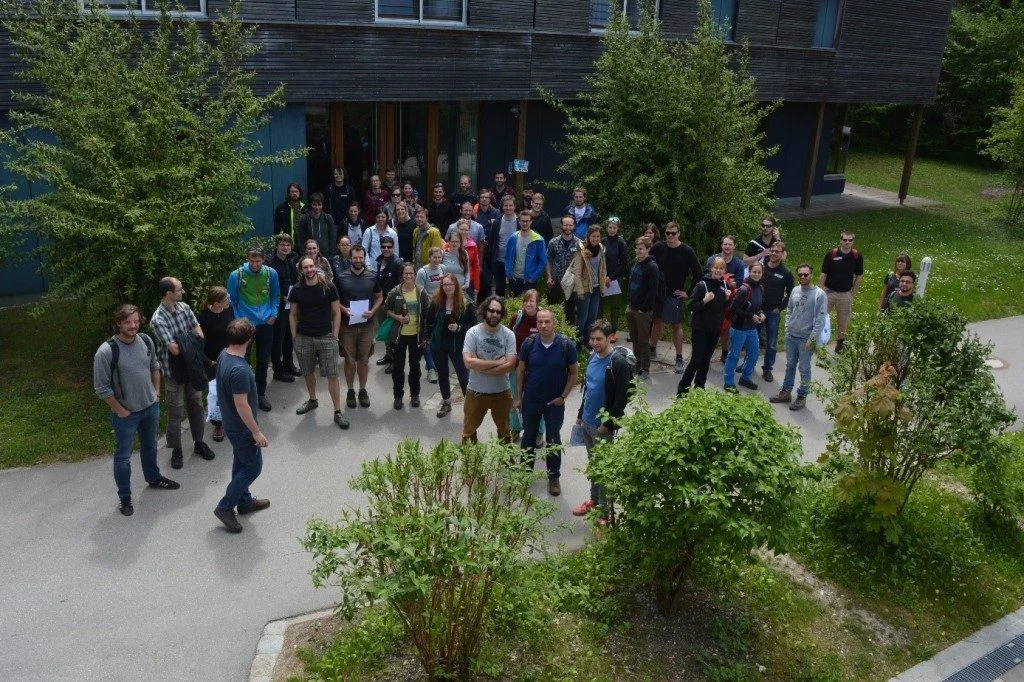
Glaciologists often undertake fieldwork in remote and difficult to access locations, which perhaps explains why they happily travel to similar locations to attend meetings and workshops. The Karthaus Summer School, which focuses on Ice Sheets and Glaciers in the Climate System, is no exception. The idyllic village of Karthaus, located in the narrow Schnalstal valley in Südtirol (Italy), has been h ...[Read More]
Cryospheric Sciences
Mapping the bottom of the world — an Interview with Brad Herried, Antarctic Cartographer
Mapping Earth’s most remote continent presents a number of unique challenges. Antarctic cartographers and scientists are using some of the most advanced mapping technologies available to get a clearer picture of the continent. We asked Brad Herried, a Cartographer and Web Developer at the Polar Geospatial Center at the University of Minnesota, a few questions about what it’s like to do this unique ...[Read More]
GeoLog
EGU announces 2018 awards and medals
From 8th to the 14th October a number of countries across the globe celebrate Earth Science Week, so it is a fitting time to celebrate the exceptional work of Earth, planetary and space scientist around the world. Yesterday, the EGU announced the 49 recipients of next year’s Union Medals and Awards, Division Medals, and Division Outstanding Early Career Scientists Awards. The aim of the awards is ...[Read More]
GeoLog
Imaggeo on Mondays: The unique bogs of Patagonia
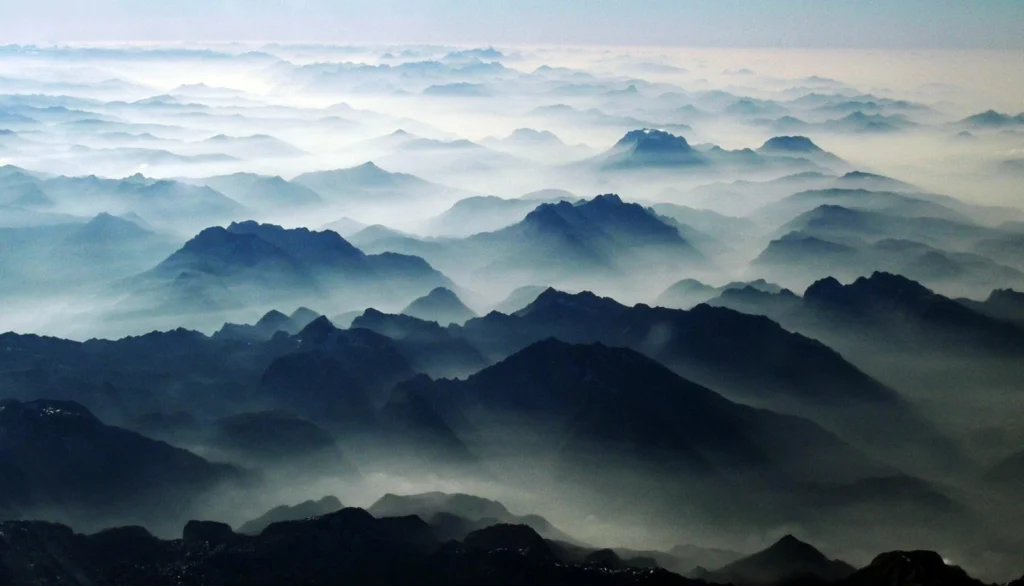
Patagonia, the region in southernmost tip of South America, is as diverse as it is vast. Divided by the Andes, the arid steppes, grasslands and deserts of Argentina give way to the temperate rainforests, fjords and glaciers of Chile. Also on the Chilean side are rolling hills and valleys of marshy topography: Patagonia’s bogs. Today, Klaus-Holger Knorr, a researcher at the University of Münster’s ...[Read More]