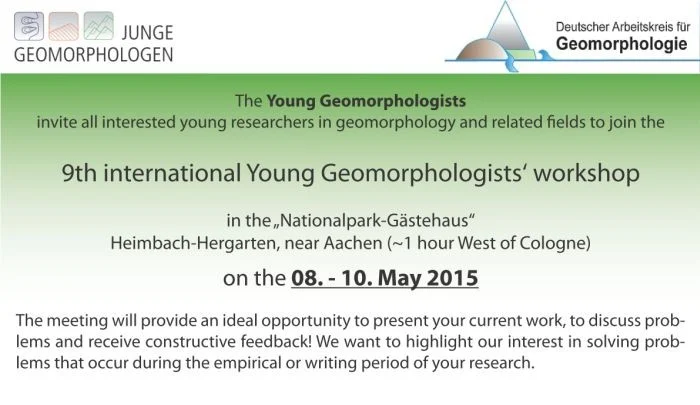
We’re happy to announce the 9th international young geomorphologists’ workshop, organized by the “Junge Geomorphologen” from Germany. The workshop will take place on 08.-10. May 2015 in Heimbach-Hergarten, near Aachen, Germany (see flyer). The meeting will provide an ideal opportunity to present your current work, to discuss problems and receive constructive feedback! We want to …[Read More]
1727 search results for "network"
If you didn't find what you were looking for, try searching again.
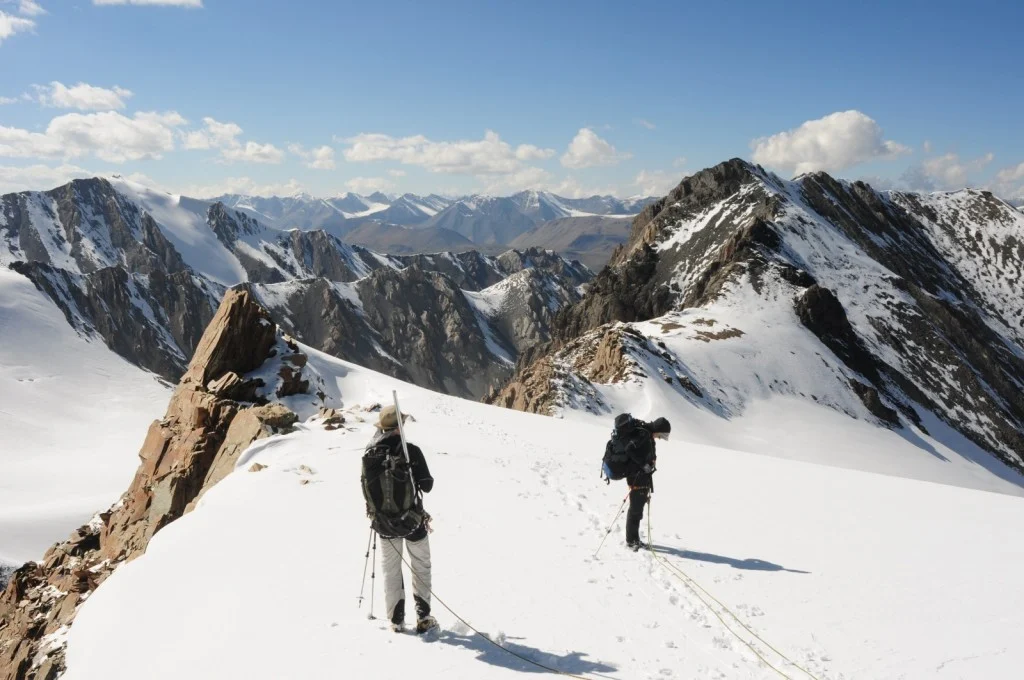
Imaggeo on Mondays: High altitude glacier monitoring
What a place to work: Spectacular views from the top of the rugged and icy peaks of Tien Shan mountain range. The desire to better understanding global climate change took Leo Sold to this remote area of Central Asia. The frozen slopes of ice and snow in today’s Imaggeo on Mondays photograph hold some of …[Read More]
Contributors wanted
We are looking for individuals interested in helping with the running of this blog dedicated to the Seismology Division (SM) within EGU. Single contributions are also welcome. The aim of this blog is to share latest news, ideas, promote upcoming events/conferences, and other information that is relevant to the seismological community. The blog is run in conjunction …[Read More]
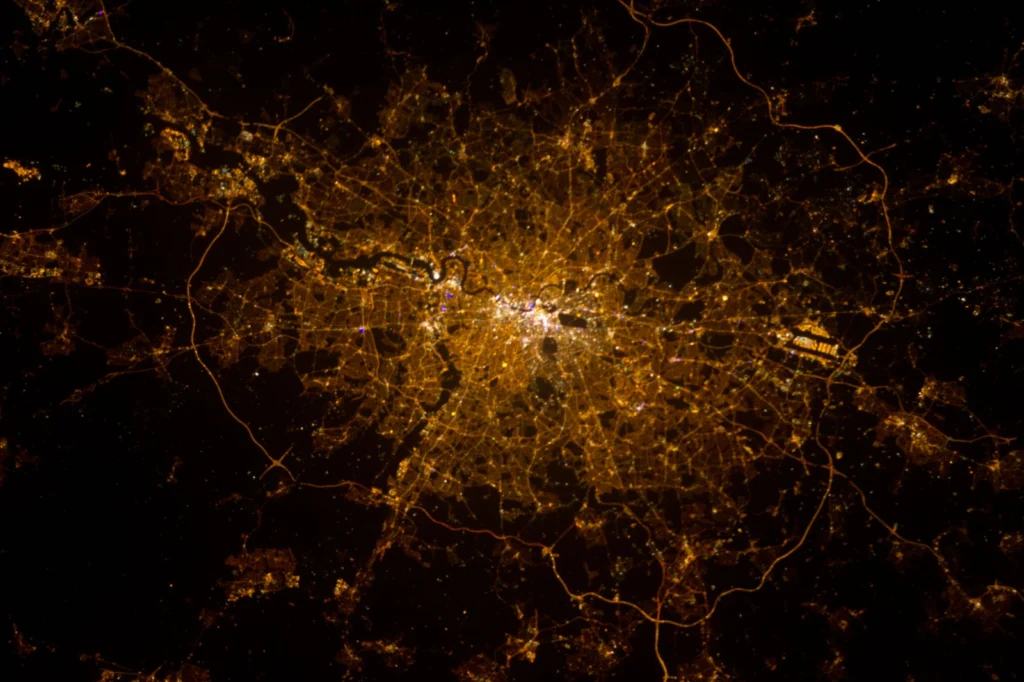
Night flight
After what has seemed like an eternity (or more than one post-doc post, which is essentially the same thing), I’ve got a new paper published. To commemorate this auspicious occasion, I’m going to write about it. The paper is published in Atmospheric Chemistry and Physics and is available open access here. The study investigated how …[Read More]
EGU15 – Natural Hazards Education and Communications
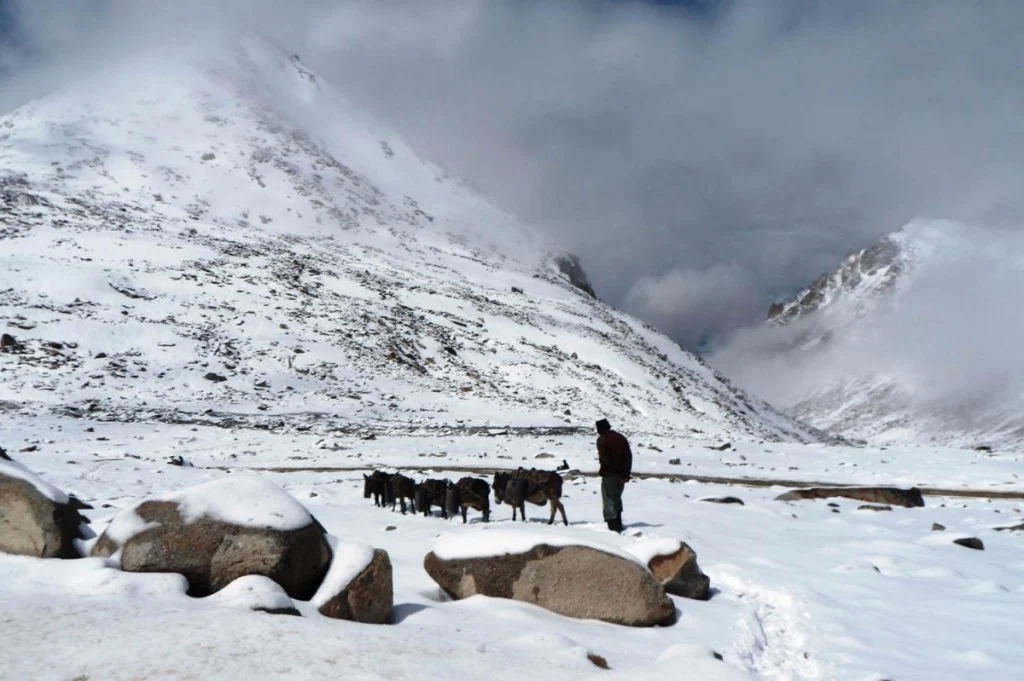
Figure 1: A man herds his livestock in remote, high altitude, snowy conditions in Ladakh. This post first appeared on GeoEd Trek (AGU Blogs) on December 22nd 2014. It has been slightly modified below, given the deadline for EGU Abstracts has now passed, to include the latest information available about this session. Ladakh is …[Read More]
Around the world
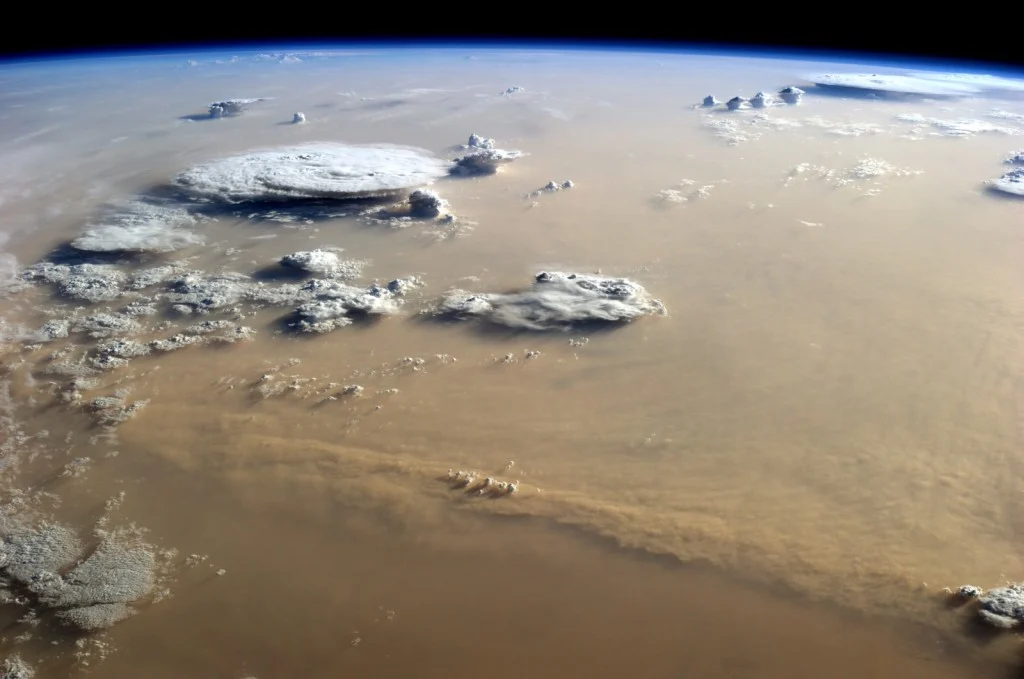
The short lifetime of aerosol particles in the atmosphere means that they tend to be found concentrated in regions close to where they were formed. As they only last for days to weeks in the atmosphere, they don’t travel too far as the Earth’s winds aren’t able to fully mix the air over such a short …[Read More]
GeoEd: A risky business
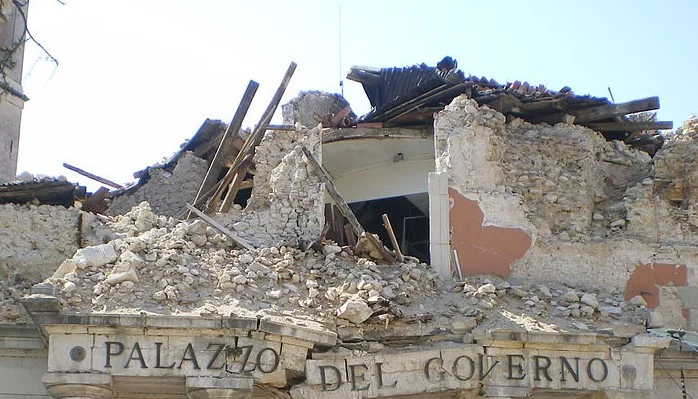
In this month’s GeoEd post, Sam Illingworth explores the pitfalls of being a scientist in the public eye. Following the recent acquittal of 6 geoscientists on manslaughter charges after ‘failing’ to predict the 2009 L’Aquila earthquake, is it time we thought about improving how risk is communicated to the wider public? At the beginning of …[Read More]
GeoTalk: Stacia Gordon
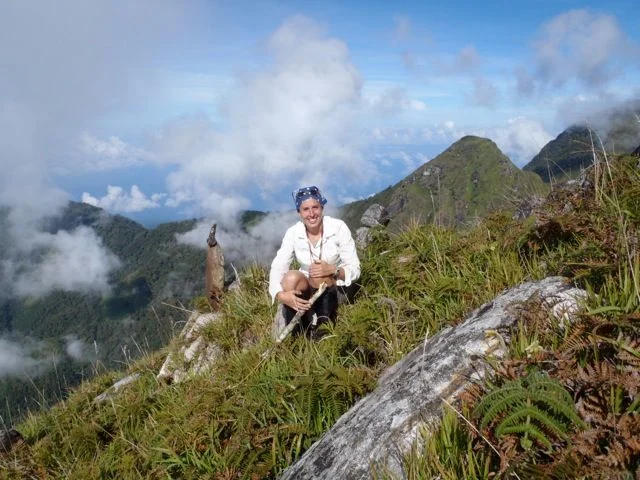
Geotalk is a regular feature highlighting early career researchers and their work. Following the EGU General Assembly, we spoke to Stacia Gordon, the winner of the Tectonics and Structural Geology Division Outstanding Young Scientist Award, 2014. First, could you introduce yourself and tell us a little more about your career path so far? My name …[Read More]
Wuthering heights
Aerosol particles typically have short life spans in the atmosphere (days to weeks) but they can travel far and wide in that time. They can be lifted up to new horizons, higher and higher in the atmosphere. This is important for their impact on our climate, for example, at least 20% of the uncertainty in the …[Read More]
4 Reasons Why You Should Get Involved as an Early Career Scientist (& a caveat) – Allen Pope
You’re an early career scientist (ECS), or maybe you mentor one. So you know that we ECS are busy people, with responsibilities ranging from coursework to teaching, research to outreach, and labwork to fieldwork. And now there is this listicle (no, I’m not embarrassed about choosing this format) telling you to make time in your …[Read More]