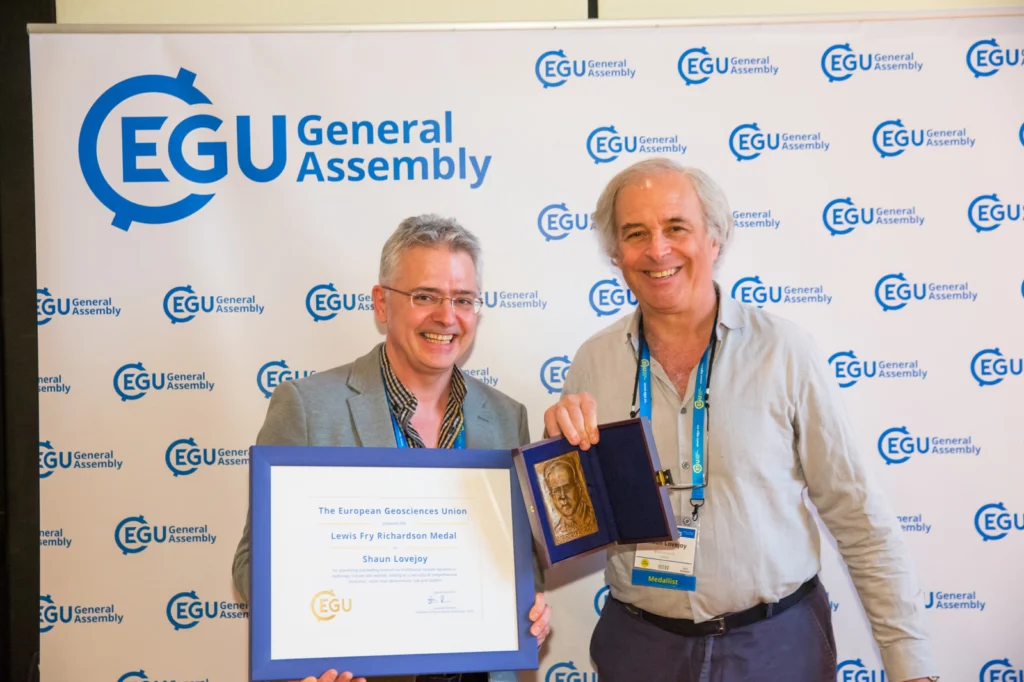
This week, the EGU announced the 49 recipients of next year’s Union Medals and Awards, Division Medals and Division Outstanding Early Career Scientist Awards. The aim of the awards is to recognise the efforts of the awardees in furthering our understanding of the Earth, planetary and space sciences. The prizes will be handed out during the …[Read More]
2111 search results for "researcher"
If you didn't find what you were looking for, try searching again.
Join us at the EGU 2020 General Assembly: Call for abstracts is now open!
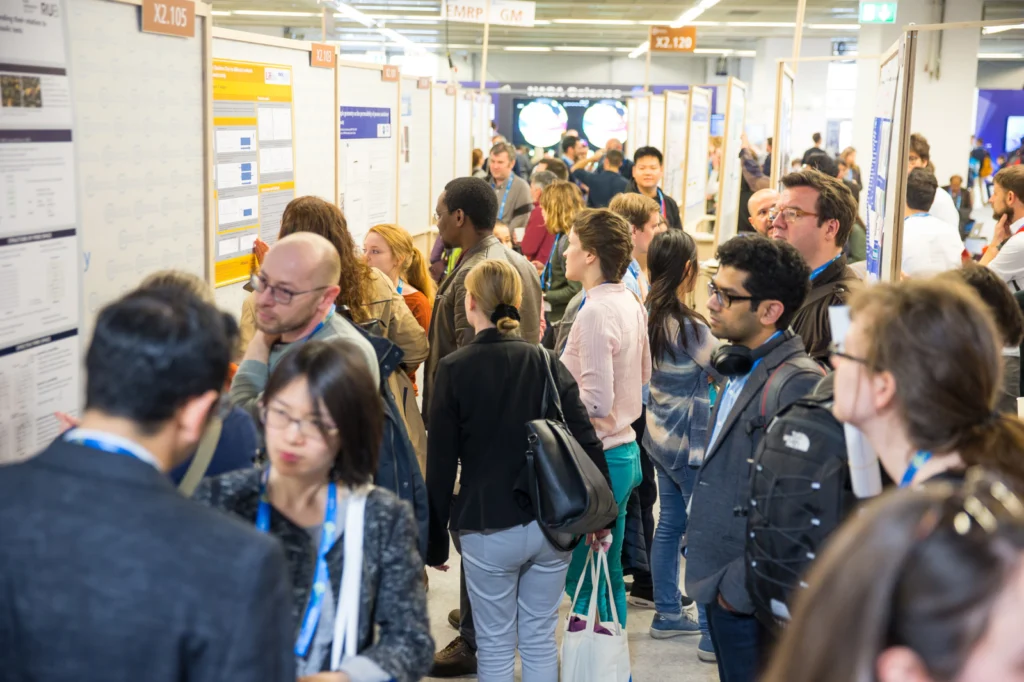
From now, up until 15 January 2020 13:00 CET, you can submit your abstract for the upcoming EGU General Assembly (EGU 2020). In addition to established scientists, PhD students and other early career researchers are welcome to submit abstracts to present their research at the conference. Further, the EGU encourages undergraduate and master students to …[Read More]
Can limestone digestion by volcanoes contribute to higher atmospheric carbon dioxide levels?
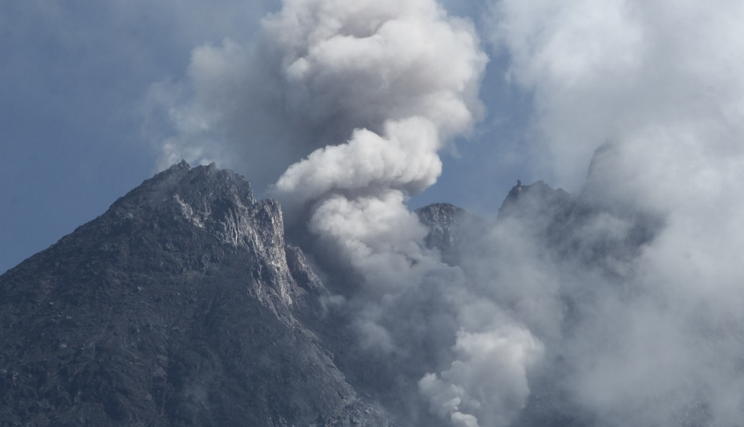
By Frances Deegan and Ralf Halama Carbon – the element on everyone’s lips. Carbon is unquestionably one of the most important elements on Earth – terrestrial life is carbon-based and so are many of our energy sources. From the perspective of a human time-scale, biological and anthropogenic (caused by human activity) carbon fluxes are very …[Read More]
The Sassy Scientist – Earthquake Exoteries Nr. VI
Every week, The Sassy Scientist answers a question on geodynamics, related topics, academic life, the universe or anything in between with a healthy dose of sarcasm. Do you have a question for The Sassy Scientist? Submit your question here or leave a comment below. In a comment on a post about the key papers in geodynamics, …[Read More]
Geosciences Column: Taking a Breath of the Wild – are geoscientists more effective than non-geoscientists in determining whether video game world landscapes are realistic?
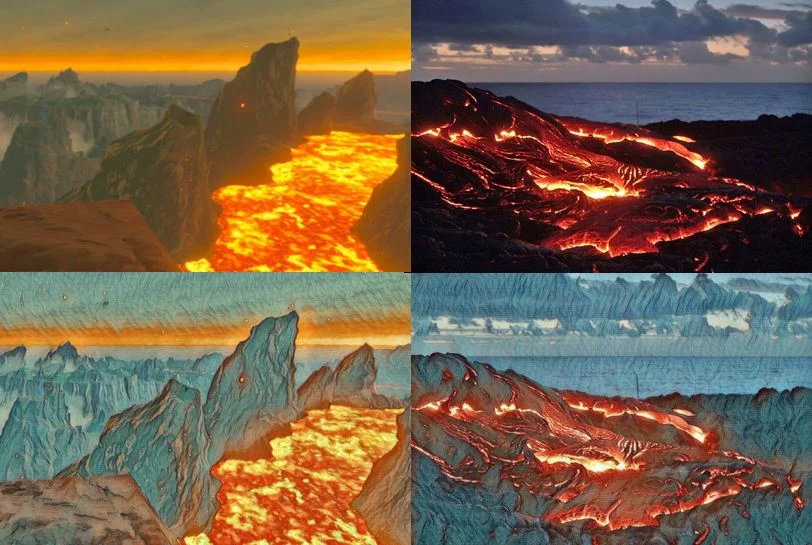
For years, geoscientists have been both fascinated and perplexed by the beautiful (yet often inaccurate) landscapes present in several video games. But are people with a geoscientific education better at telling ‘fake’ natural features from real ones? Rolf Hut, an assistant professor at Delft University of Technology in the Netherlands, and his colleagues sought to …[Read More]
Featured catchment series: Disentangling the ecohydrology of a tropical hotspot!
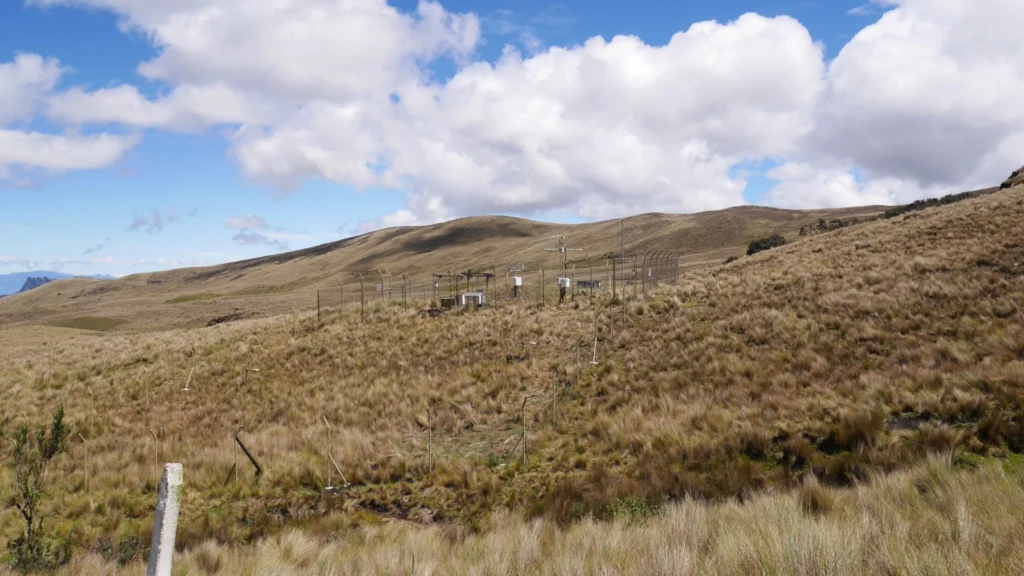
Zhurucay Ecohydrological Observatory: Critical zone observations at the top of the Andes! A natural laboratory of tropical alpine ecohydrology Tropical alpine ecosystems, known as the Páramo, extend to high elevations (3,000-5,000 m a.s.l.) mainly through the northern Andes of South America from Venezuela to northern Peru. Given their geographical location and elevation, Páramo areas are …[Read More]
NP Interviews: the 2019 Lewis Fry Richardson Medallist Shaun Lovejoy
Today’s NP Interviews hosts the Lewis Fry Richardson Medallist Shaun Lovejoy. Shaun has degrees in physics from Cambridge and McGill University; he has been a McGill professor since 1985. For four decades, he has developed fractal, scaling ideas in the geosciences, contributing to advances in cascade processes, multifractals, anisotropic scale invariance, space-time multifractal modeling as …[Read More]
EGU General Assembly 2020: Apply to be our next artist in residence!
Calling all artists interested in the geosciences! For the third year in a row, the European Geosciences Union (EGU) will be providing artist in residence opportunities at its annual General Assembly. Our residency programme provides artists with an opportunity to engage with scientific research in a dynamic setting and be inspired by new scientific discoveries. …[Read More]
Educators: apply now to take part in the 2020 GIFT workshop!
The General Assembly is not only for researchers but also for teachers and educators with an interest in the geosciences. Every year the Geosciences Information For Teachers (GIFT) workshop is organised by the EGU Committee on Education to bring first class science closer to primary and high school teachers. The topic of the 2020 edition of …[Read More]
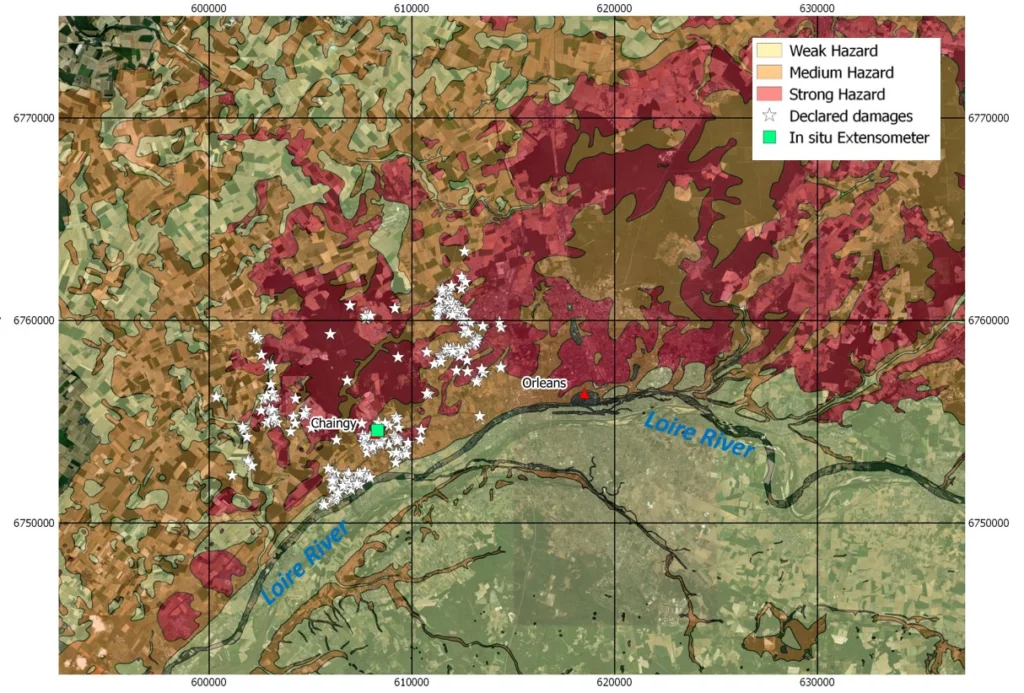
How can remote sensing and wavelet transform unravel natural and anthropogenic ground motion processes?
Underground energy storage and gas storage in aquifers In the context of energy transition, massive energy storage is a key issue for the integration of renewable sources into the energy mix. Storing energy in the underground can lead to larger-scale, longer-term and safer solutions than above-ground energy storage technologies. In particular, natural gas storages are …[Read More]