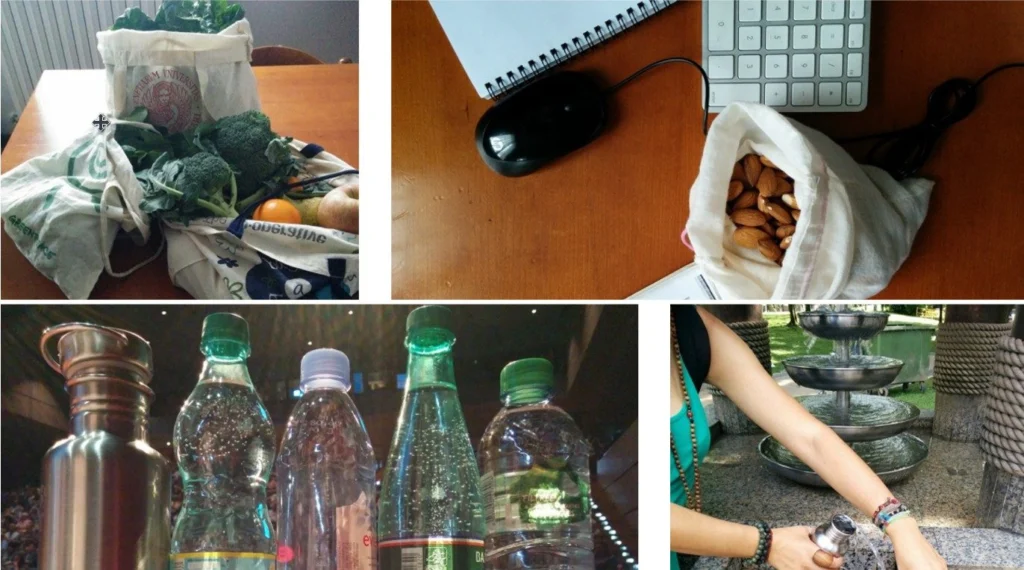
Geoscientists do not have to deal only with technical matters, but have to think also about the ethical implications related to their discipline. To increase the awareness of researchers on the ethical aspects of their activities, it has been created the International Association for Promoting Geoethics (IAPG). To better understand what geoethics and the IAPG …[Read More]
1727 search results for "network"
If you didn't find what you were looking for, try searching again.
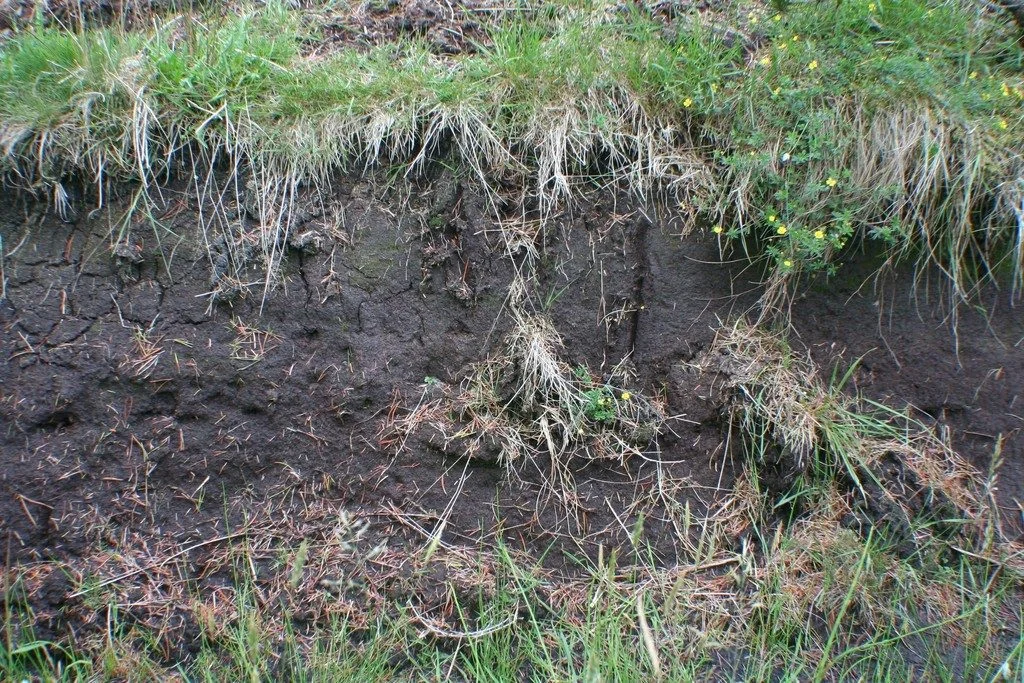
Peat in the Tropics
As has been previously discussed in Robert’s blog, fertile soil is an incredibly important resource that is fast running out in many regions of the world. It is true that soil’s importance for agriculture (and sustainable development) cannot be understated, but I wish to focus on another aspect of soil in this week’s blog– its …[Read More]
New Early Career Scientist representatives wanted
The EGU seismology division is looking to elect a new enthusiastic team of early career scientist (ECS) representatives from the beginning of May. If you are a PhD or Postdoc, why not consider taking up this role? Why should you consider becoming an ECS representative? Producing innovative science is the first and foremost task of any …[Read More]
I want you to stop being an early career scientist
In this guest post Roelof Rietbroek, EGU’s Union-wide Early Career Scientist Representative (2017-2018), speaks about the importance of reseachers getting involved with the Union’s early career activities to really reap the benefits of being part of the network. With over half of the participants of EGU’s general assembly qualifying as an Early Career Scientist (ECS), …[Read More]
GeoPolicy: Reaching out on Twitter – casually engage with policymakers!
Reaching out to policymakers and sharing your research with them can seem like a daunting task! While there are many formal outlets for engaging with policymakers (such as completing questionnaires, contributing to workshops and participating in paring schemes), there are also more casual methods that can be done sporadically and with less effort. One example …[Read More]
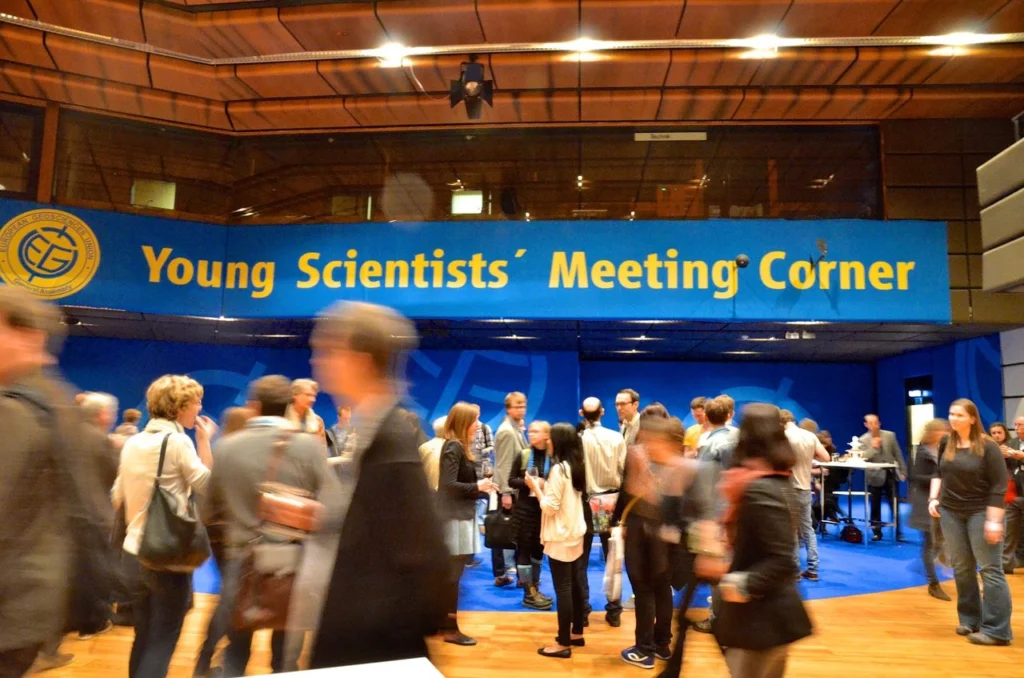
Doing and wandering of NhET at the EGU’s General Assembly
If you were wondering what a group of young scientists such as NhET does in its free time, this is the right post for you to read! In between doing exciting fieldwork on an active volcano, writing an inspiring paper on landslide monitoring and applying that complicated algorithm for the analysis of earthquake return times: …[Read More]
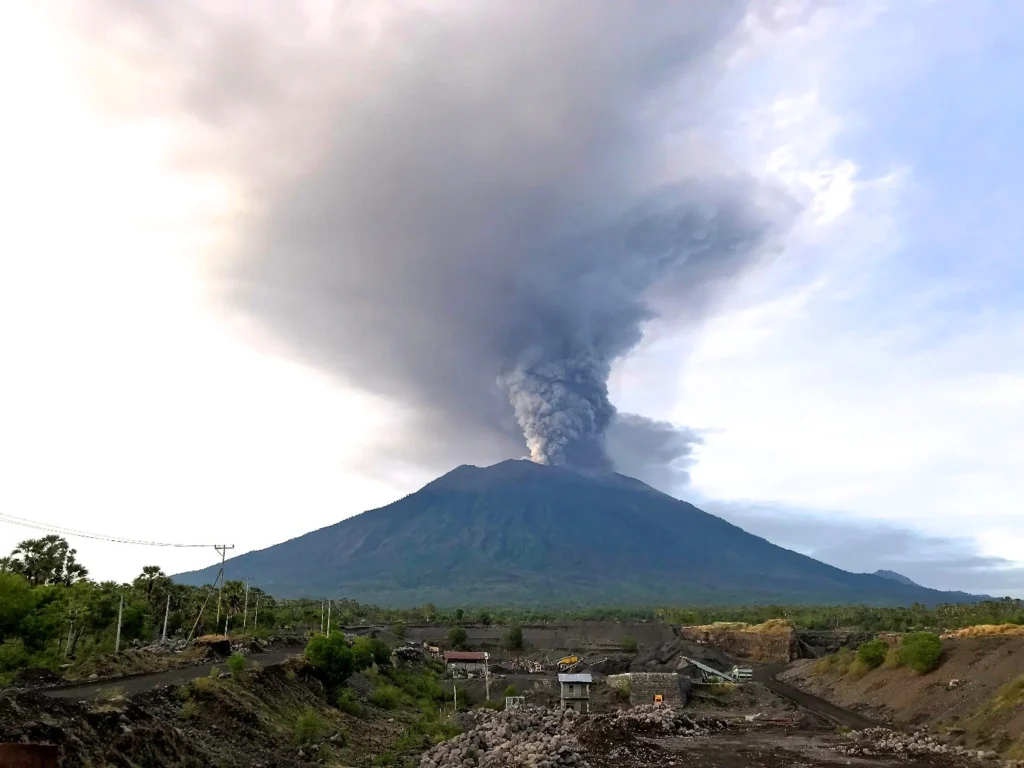
How do you monitor an internationally disruptive volcanic eruption? How can you communicate SDGs in an Earth Science class? Jesse Zondervan’s Nov 13 – Dec 13 2017 #GfGDpicks #SciComm
Each month, Jesse Zondervan picks his favourite posts from geoscience and development blogs/news, relevant to the work and interests of Geology for Global Development . Here’s a round-up of Jesse’s selections for the past four weeks: Bali’s Mount Angung started erupting ash this month, and a post on the Pacific Disaster Center’s website gives you an insight into the …[Read More]
On the social responsibility of water scientists
Post by Viviana Re, a post-doctoral research fellow at the Department of Earth and Environmental Sciences of the University of Pavia, in Italy. _______________________________________________ Should we feel a moral obligation to engage, if our work has real implications on society? As an environmental scientist, with a PhD in Analysis and Governance of Sustainable development, I grew …[Read More]
GeoTalk: Maribel García-Ibáñez, Early Career Scientist Representative
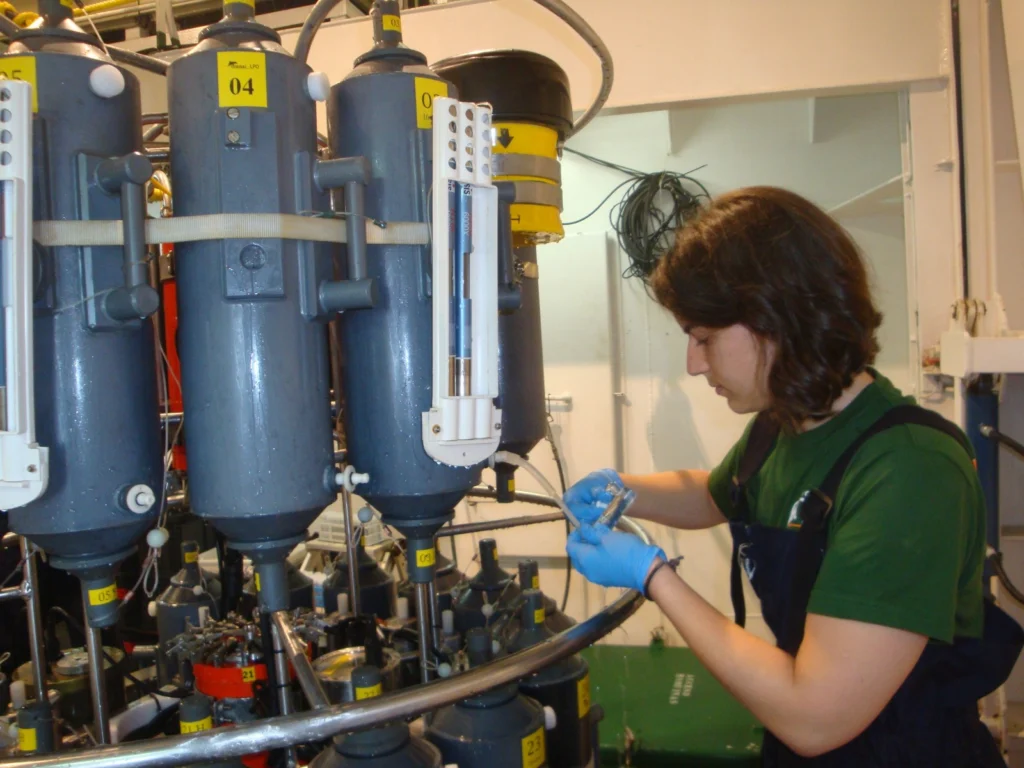
In addition to the usual GeoTalk interviews, were we highlight the work and achievements of early career researchers, this month we’ll also introduce one of the (outgoing) Division early career scientist representatives (ECS). The representatives are responsible for ensuring that the voice of EGU ECS membership is heard. From organising short courses during the General …[Read More]
What is in the (European) air?
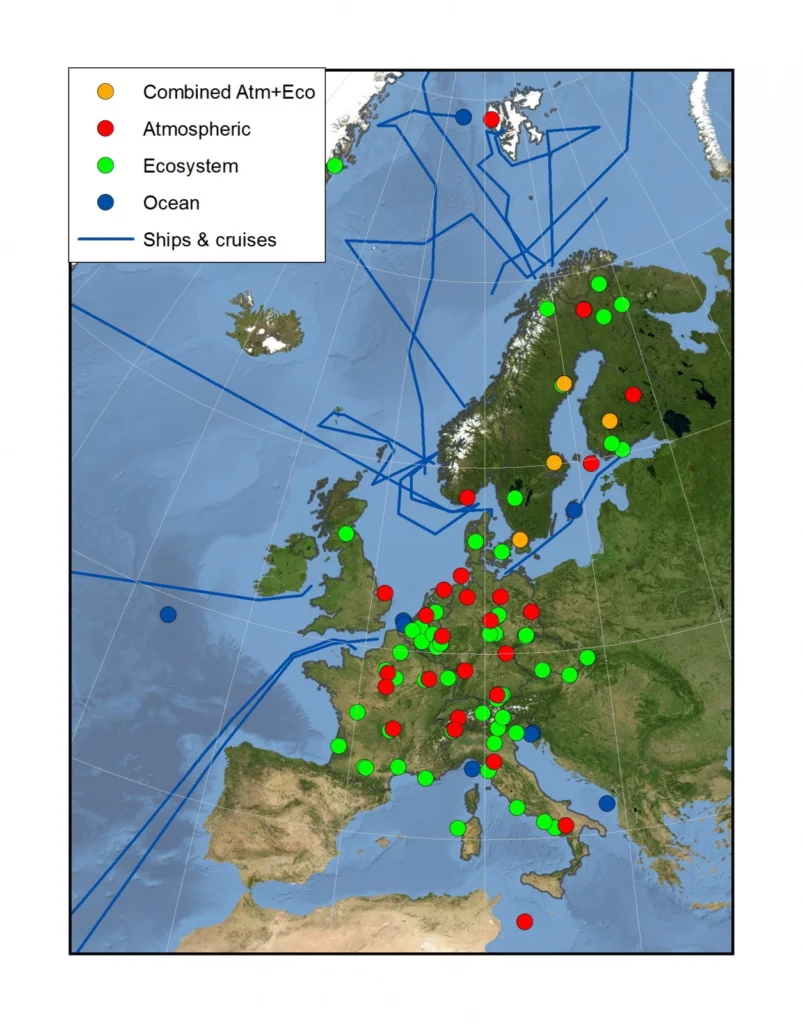
You thought that Mauna Loa was the only observatory to provide continuous measurements of atmospheric carbon dioxide concentration and were disappointed because Hawaii is way too far from your study area or because you wanted to know how bad the air is in your hometown? The US have been monitoring the composition of the atmosphere …[Read More]