
Hello fellow scientists! We hope you had a good start of the new year: may it be filled with plenty of exciting new research :) As a quick reminder, the EGU abstract submission deadline is this week: on Wednesday the 7th of January at 13.00 CET. Don’t forget to submit your abstract to one of our …[Read More]
Latest posts
The year ahead – twenty fift-green?
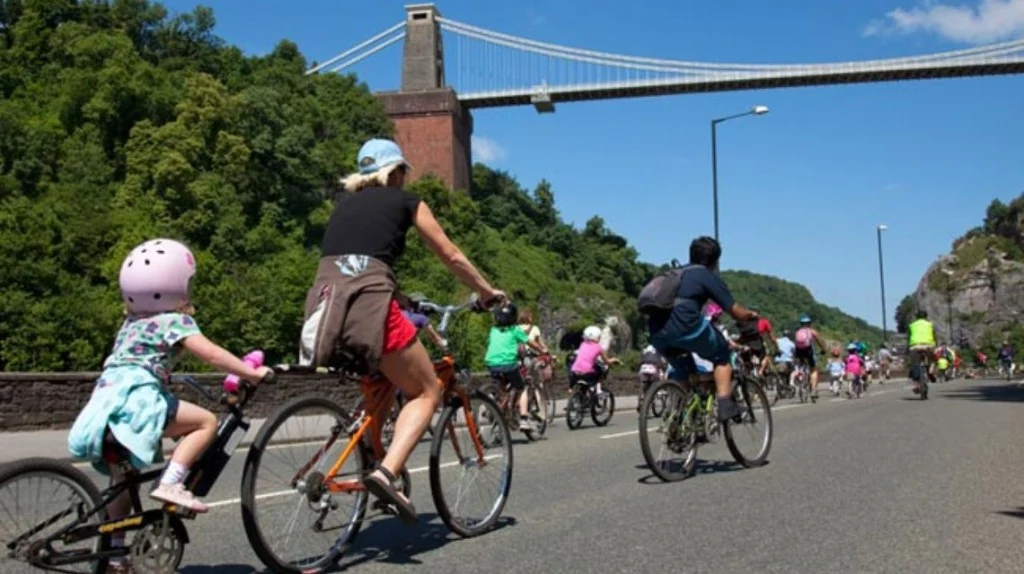
Firstly, happy New Year from all those at BaR! The start of January always seems to herald a surfeit of navel-gazing blog posts. Therefore, I thought I would attempt to broaden my horizons and consider whether, with only five years to go to meet the 20-20-20 EU climate targets, will 2015 be the greenest year …[Read More]
Twitter logos for conference talks
Recently, there was a pretty massive discussion about the practice of live-tweeting at conference talk hosted on this blog. While the discussion is by no means over, or particularly conclusive, one idea to emerge was having an icon of some sort on slides during talks to indicate whether or not they could be live-tweeted. Sarah …[Read More]
The best of Imaggeo in 2014: in pictures.
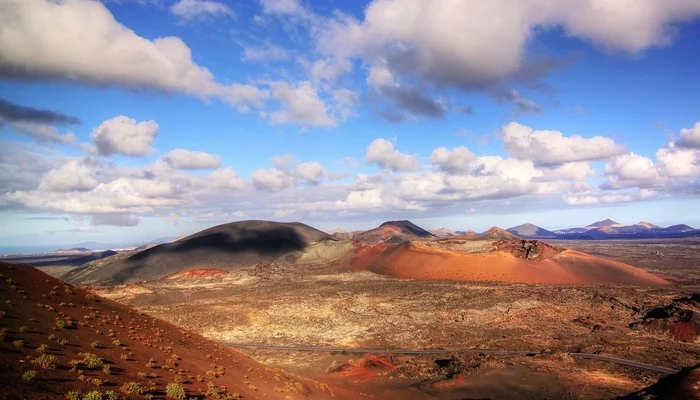
From the rifting of the African continent, to mighty waterfalls in Slovenia, through to a bird’s eye view of the Glarus Thurst in the Alps, images from Imaggeo, the EGU’s open access geosciences image repository, they have given us some stunning views of the geoscience of Planet Earth and beyond. In this post we have …[Read More]
Imaggeo on Mondays: Lusi from the sky with drones
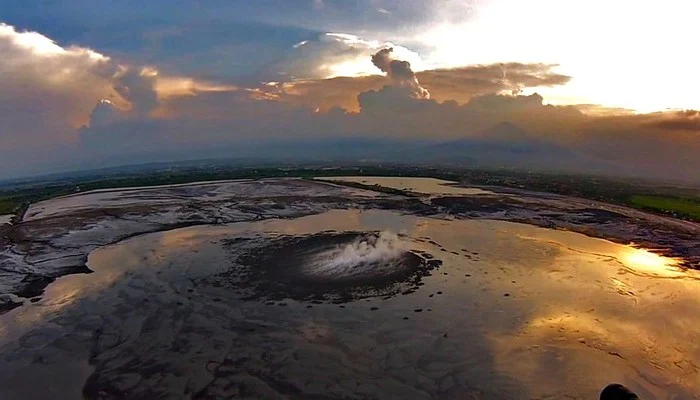
The picture shows a spectacular aerial view of a sunset over the Lusi mud eruption in East Java, Indonesia. Here thousands of cubic meters of mud, are spewed out every day from a 100 m sized central crater. Since the initial eruption of the volcano in 2006, following a 6.3 M earthquake, a surface of …[Read More]
Dwarf crocodiles are the cutest, even if they’ve been dead for 150 million years..
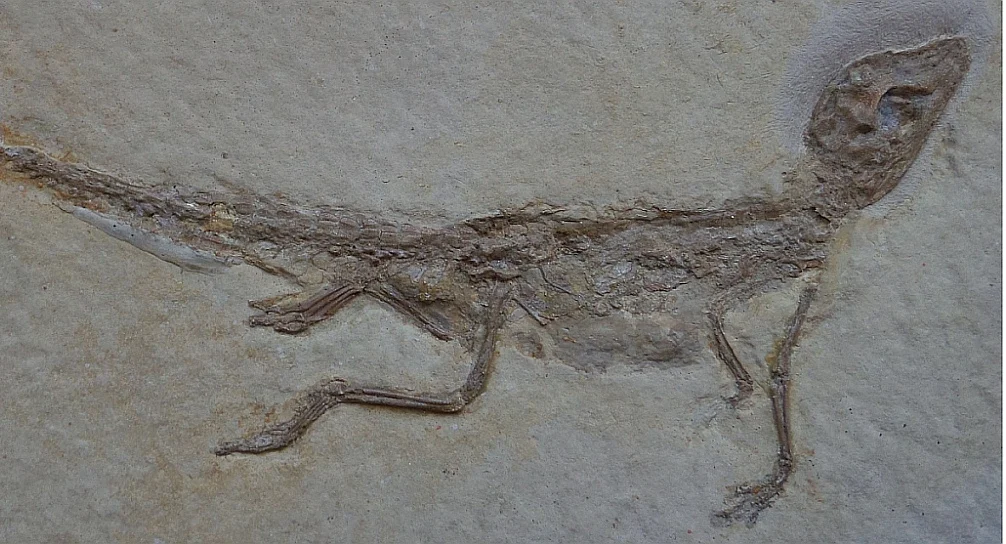
Europe 150 million years ago must have been a brilliant place to go on holiday. Tropical islands, warm lagoons to bathe, a warm climate, and nine metre long crocodiles noshing on anything that couldn’t swim fast enough. Ok, so maybe not that great for humans, but if you were an ancient archosaur, living alongside dinosaurs …[Read More]
Christmas cracker jokes 2014
Sorcha Q:Why didn’t the geologist want his Christmas dinner? A: He lost his apatite. Elspeth Q: Who did Santa bring along to perform at the Earth Sciences Christmas party? A: Elf-is Presley! Charly Q: What is Father Christmas’s favourite element? A: Holmium (Ho Ho Ho!) KT Q: What happened to Rudolph when he accidentally ate …[Read More]
Imaggeo on Mondays: Wadis in a war zone
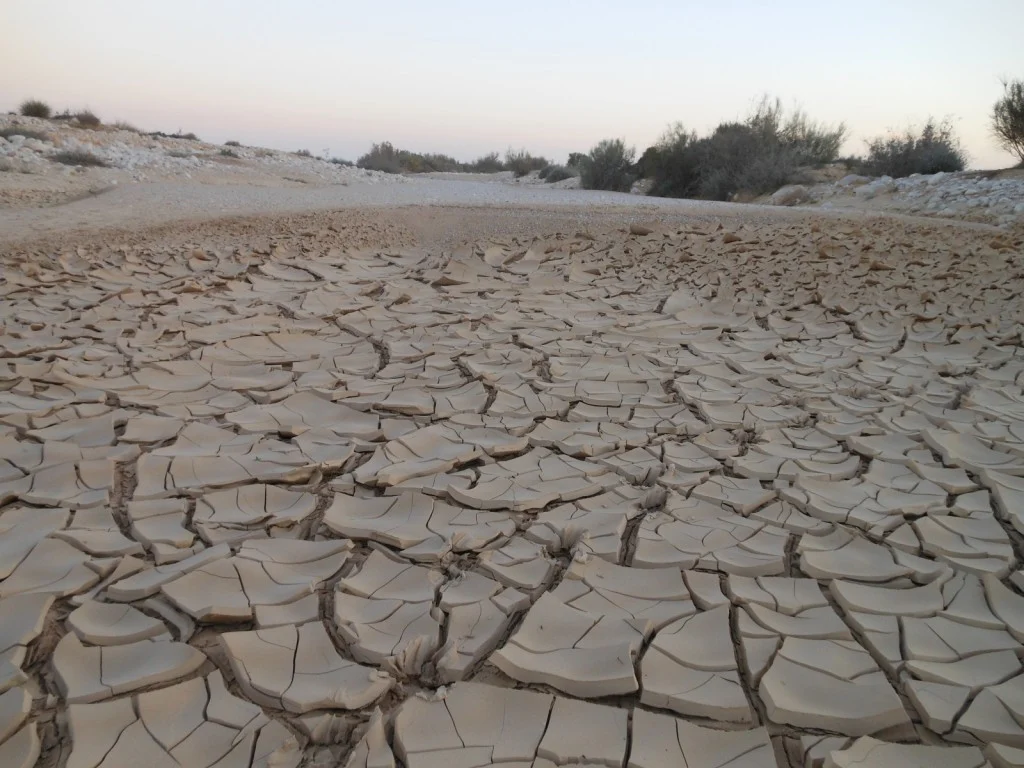
The range of challenges scientists face when carrying out Earth science research in the field are vast. However, the story behind Vincent Felde’s, a PhD candidate at Giessen University, image of the wadi, is truly remarkable and highlights how geoscientific research is not limited by borders or conflict. Wadi Nizzana (the Arabic term used to …[Read More]
Christmas Post
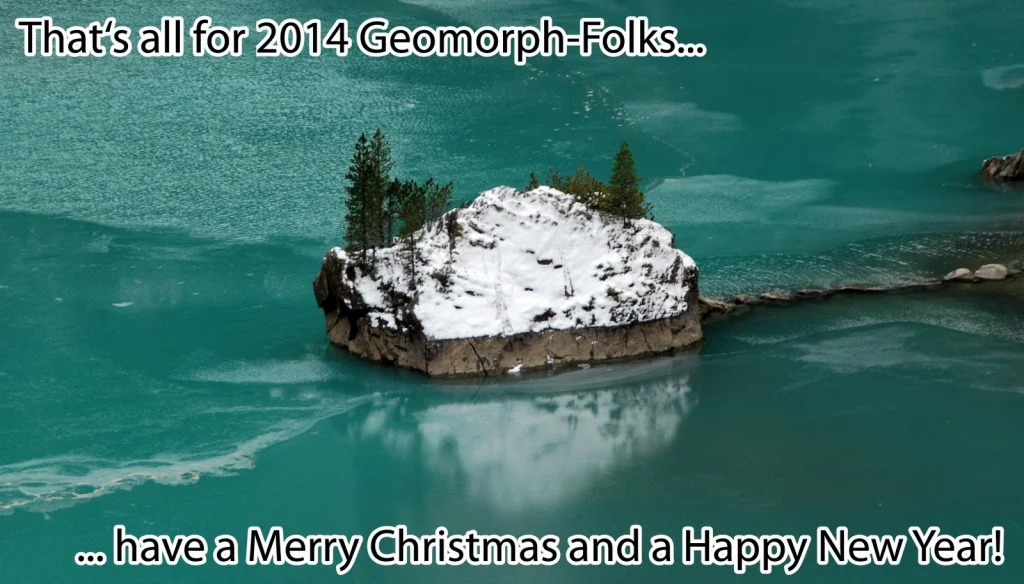
Shortly before leaving our offices for Christmas holidays, we’d like to whish you all a merry Christmas and a perfect start into the new year! But before saying goodbye to you for 2014 we want to announce 3 important geomorphology events in 2015: EGU 2015 abtract submission on January 7th. In 2015 the EGU General Assembly will …[Read More]
When Astronomy Gets Closer to Home: Why space weather outreach is important and how to give it impact
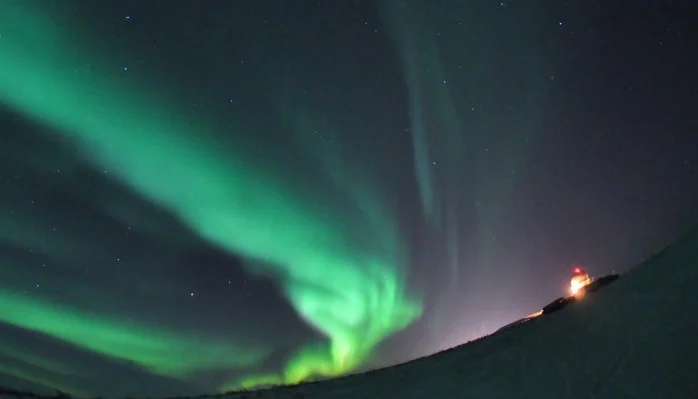
When the public think about natural hazards, space weather is not the first thing to come to mind. Yet, though uncommon, extreme space weather events can have an economic impact similar to that of large floods or earthquakes. Although there have been efforts across various sectors of society to communicate this topic, many people are …[Read More]