EGU Blogs

Latest posts

TS

Features from the field: Growth Faults
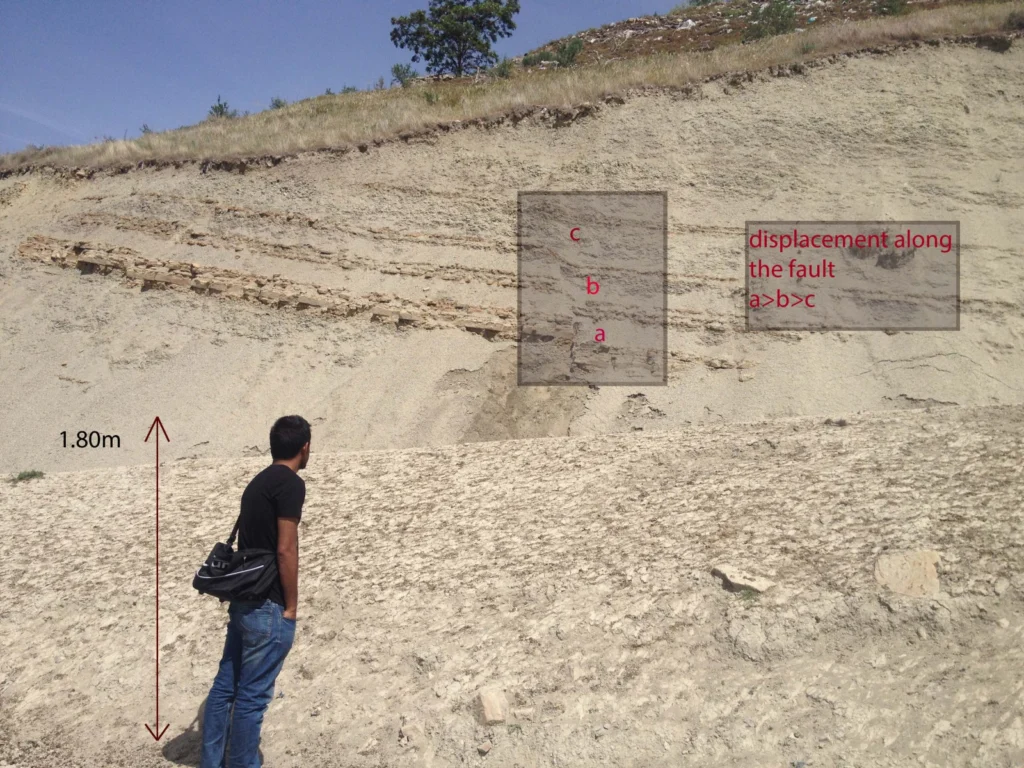
Features from the field: Growth Faults
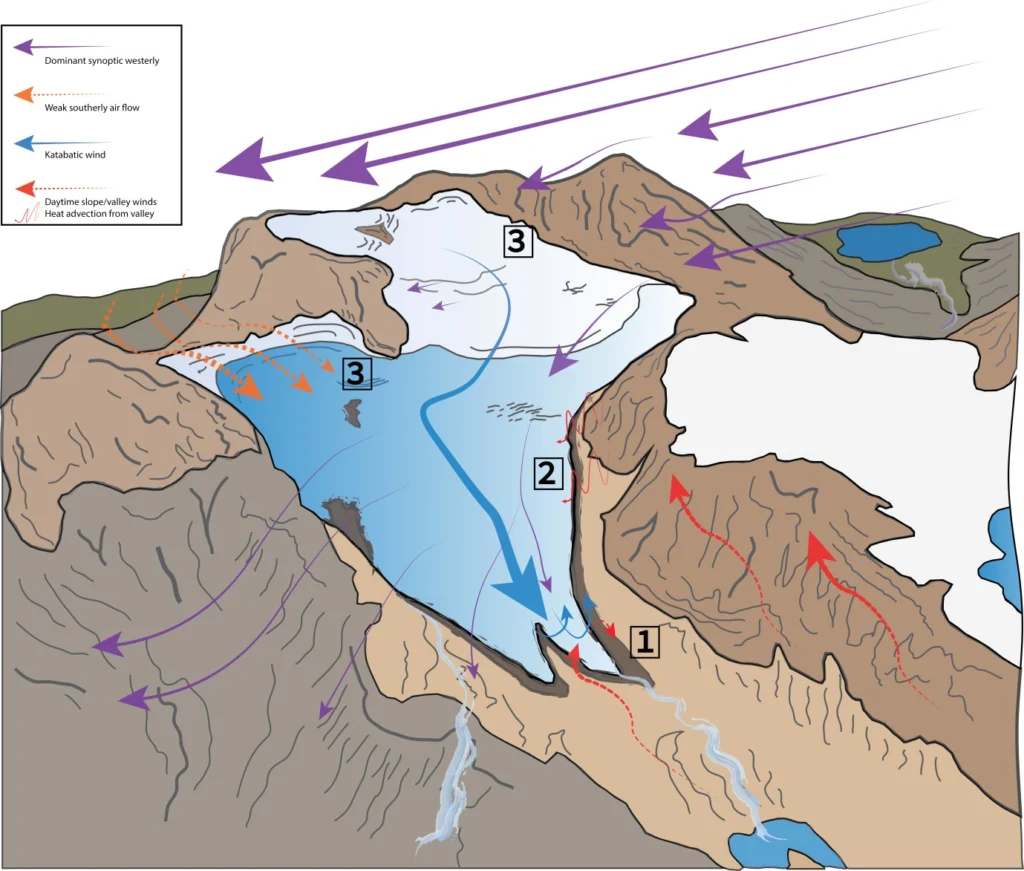
Growth faults are syndepositional or syn-sedimentary extensional faults. Growth faults develop when sediments are being deposited, are key elements in understanding deformation processes. Indeed, successively deposited sedimentary layers are involved in the different stages of the growth of the structure and produce a record of the deformation history. Their fault plane dips mostly toward the …[Read More]

SM

Paper of the Month – Bubbles and seismic waves

Our paper of the month is  “Bubbles attenuate elastic waves at seismic frequencies: First experimental evidence” (N. Tisato et al., 2015) commented by Luca De Siena. Luca De Siena is Lecturer in Geophysics at the School of Geoscience, University of Aberdeen (UK). He received his PhD from the University of Bologna (Italy) with a scholarship …[Read More]

How did our planet get its water?

How did our planet get its water?

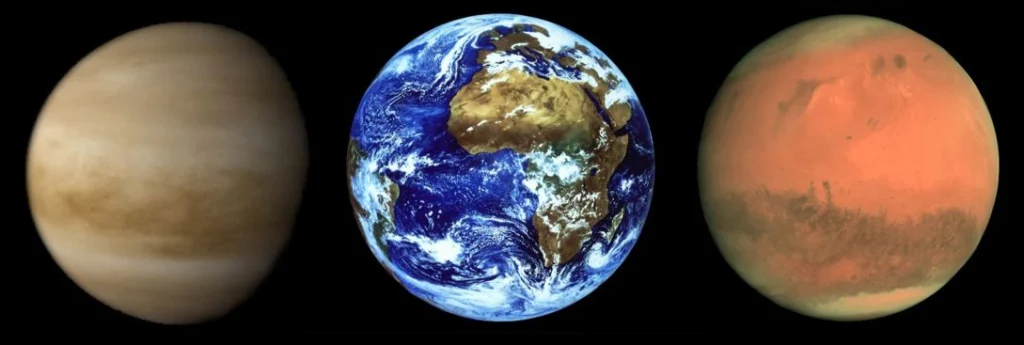
Post by WaterUnderground contributors Elco Luijendijk and Stefan Peters from  the University of Göttingen, in Germany. After my first ever scientific presentation, someone in the audience asked a question that caught me off guard: “Where does the groundwater come from?”.  “Ehm, from rainfall”, I answered. The answer seemed obvious at the time. However, we did …[Read More]

EGU Photo Contest 2017

EGU Photo Contest 2017

If you are pre-registered for the 2017 General Assembly (Vienna, 23 – 28 April), you can take part in our annual photo competition! Winners receive a free registration to next year’s General Assembly! The eighth annual EGU photo competition opens on 1 February. Up until 1 March, every participant pre-registered for the General Assembly can submit up three …[Read More]

Imaggeo on Mondays: littoral rainforests

Littoral rainforests

Making room for growing populations, and the resources they demand, comes at the cost of precious natural environments. Rainforests, globally, are under threat from farming, logging and ever expanding cities. It is reported that if current rates of exploitation continue, the world’s rainforests could be lost within the next century. Like almost anything else, rainforests …[Read More]