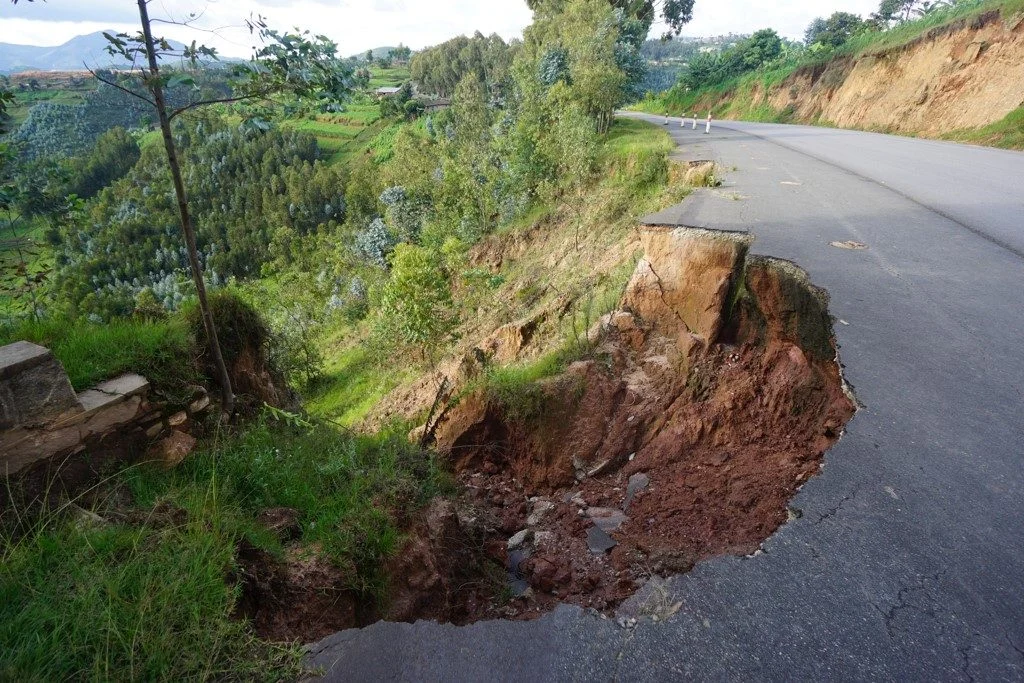
Megan Jamer is a geoscientist from Canada, and an avid cyclist and explorer. Megan is currently travelling around East Africa on bicycle, taking in some remarkable sites and observing first hand the relationship between geoscience and sustainable development. Today Megan makes her debut on the GfGD blog site, writing on the relationship between agroforestry, landslides, …[Read More]
Latest posts
New ECS representative!
At the EGU ESSI division meeting, Christoph Stasch was elected as the new representative of the early career scientists in the ESSI division following Jennifer Roelens. Christoph works as research associate and consultant at 52°North, a non-profit research organisation in the field of applied geoinformatics. His focus is on simplifying the integration of sensors and …[Read More]
A young person’s journey through the largest geoscience conference in Europe
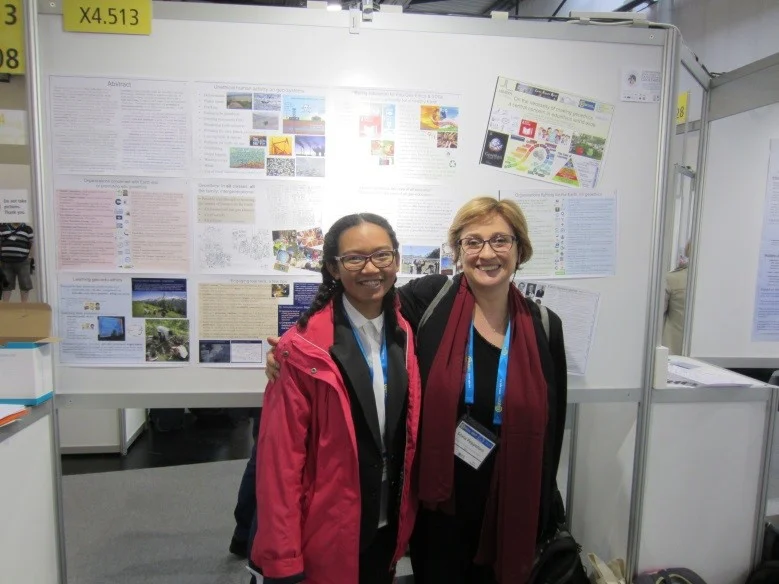
Today we welcome, potentially one of the youngest participants of this year’s General Assembly, Pimnutcha Promduangsri: a 17-year-old science baccalaureate student at Auguste Renoir high school in Cagnes-sur-mer, France, as our guest blogger. With a deep interest in the environment and taking care of the environment, Pimnutcha was a keen participant at the conference and …[Read More]
Stormy Geomorphology
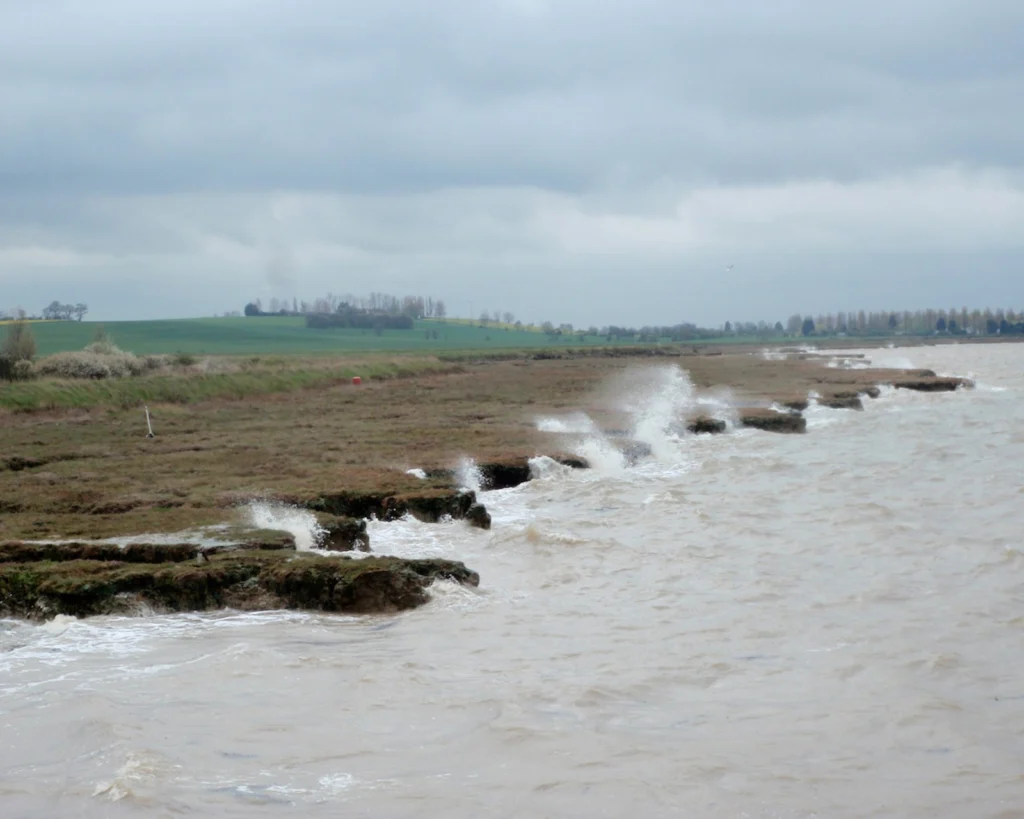
– written by James Tempest (University of Cambridge), Larissa A. Naylor (University of Glasgow), Tom Spencer and Iris Möller (University of Cambridge) – Extreme storm and flood events are occurring with increasing frequency and intensity across the globe causing significant geomorphic change throughout many landscapes often with detrimental impacts on local populations. In 2014 an …[Read More]
Imaggeo on Mondays: Sedimentary record of catastrophic floods in the Atacama desert
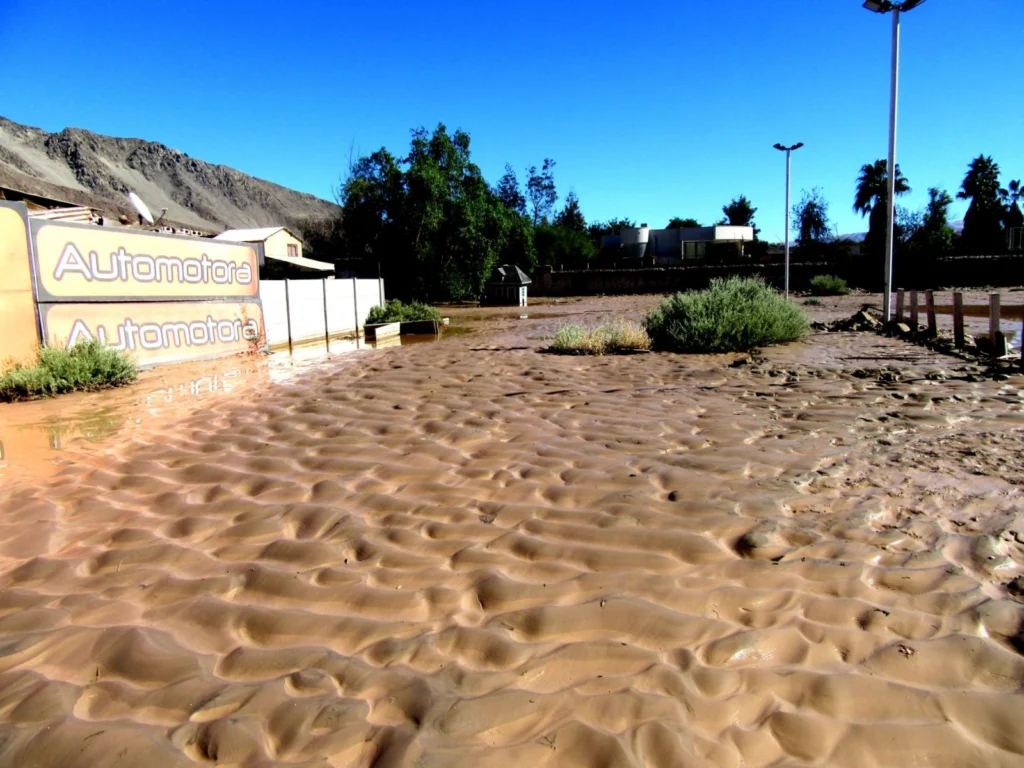
Despite being one of the driest regions on Earth, the Atacama desert is no stranger to catastrophic flood events. Today’s post highlights how the sands, clays and muds left behind once the flood waters recede can hold the key to understanding this natural hazard. During the severe rains that occurred between May 12 and 13, …[Read More]
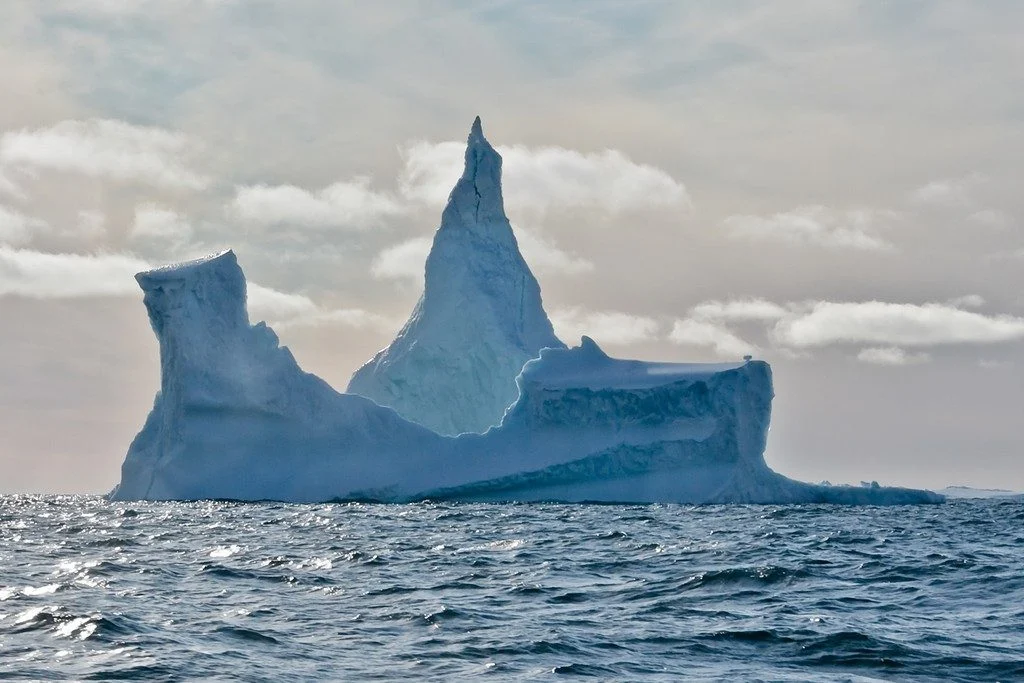
Image of the Week – Ice Ice Bergy
They come in all shapes, sizes and textures. They can be white, deep blue or brownish. Sometimes they even have penguins on them. It is time to (briefly) introduce this element of the cryosphere that has not been given much attention in this blog yet: icebergs! What is an iceberg? Let’s start with the basics. …[Read More]
Conversations on being a woman in Geoscience
While at this year’s General Assembly in Vienna, Keri McNamara, one of the EGU’s press assistants, spoke to a number of female geoscientists (at different career stages), to get their perspective on what being a female in geosciences is like. At this year’s EGU General Assembly I decided to construct a blog out of conversations I …[Read More]
Squeezed by gravity: how tides affect the groundwater under our feet
Post from the Conversation, by Gabriel C Rau, Ian Acworth, Landon J.S. Halloran, Mark O Cuthbert When returning from a swim in the ocean, sometimes it seems as though your towel has moved. Of course, it’s just that the water line has shifted. The natural rise and fall of the ocean at the beach is …[Read More]
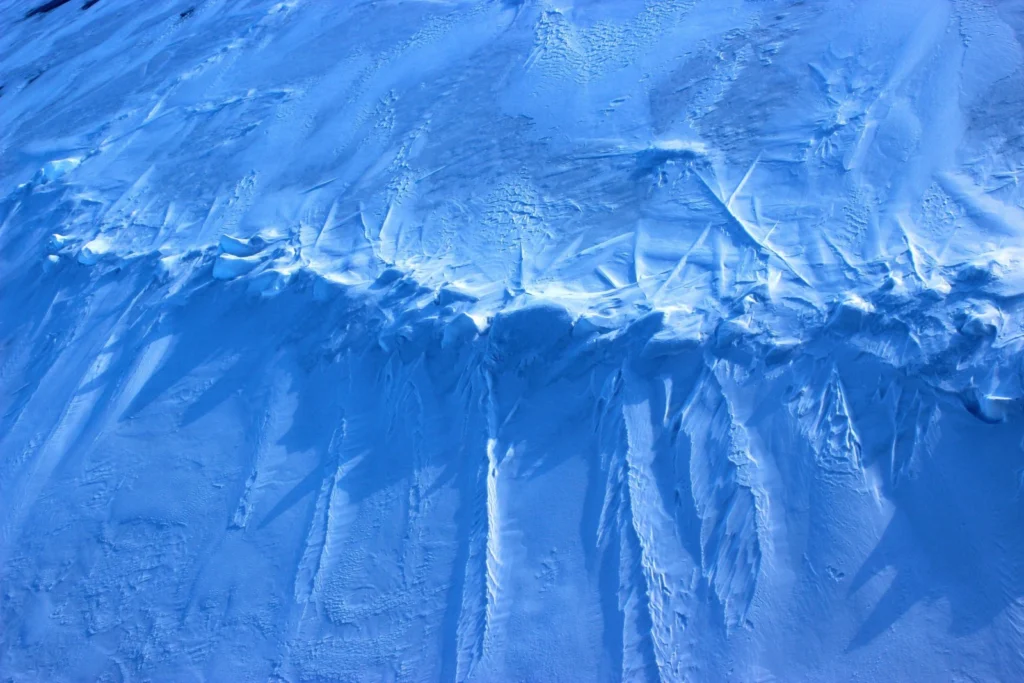
Imaggeo on Mondays: Polar backbone (Arctic Ocean)
This image was taken during the Arctic Ocean 2016(AO16) expedition that ventured to the central regions of the Arctic Ocean, including the North Pole. It shows a pressure ridge, or ice ridge, as viewed from onboard the deck of the icebreaker Oden. It was quite striking that the ice ridge resembled an image of a …[Read More]
Defrosting the freezer. Climate change and glacial meltwater
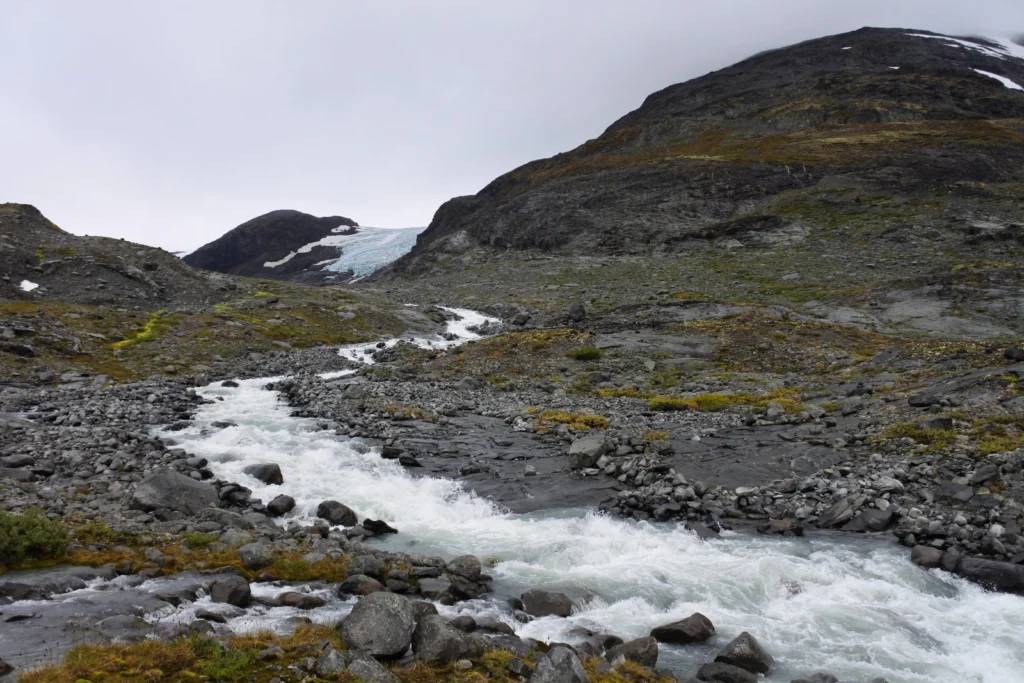
Why are glaciers important? Glaciers cover around 10% of the global land surface. This includes the large ice sheets (e.g. in Greenland and Antarctica) as well as smaller ice caps and valley glaciers (e.g. in Iceland, Norway and New Zealand). Figure 1 shows the current distribution of glaciers around the world. Figure 1 – The …[Read More]