EGU Blogs

Latest posts

Is it an earthquake, a nuclear test or a hurricane? How seismometers help us understand the world we live in
Is it an earthquake, a nuclear test or a hurricane? How seismometers help us understand the world we live in
Although traditionally used to study earthquakes, like today’s M 8.1 in Mexico,  seismometers have now become so sophisticated they are able to detect the slightest ground movements; whether they come from deep within the bowels of the planet or are triggered by events at the surface. But how, exactly, do earthquake scientists decipher the signals …[Read More]

AS

How can we use meteorological models to improve building energy simulations?

How can we use meteorological models to improve building energy simulations?

Climate change is calling for various and multiple approaches in the adaptation of cities and mitigation of the coming changes. Because buildings (residential and commercial) are responsible of about 40% of energy consumption, it is necessary to build more energy efficient ones, to decrease their contribution to greenhouse gas emissions. But what is the relation …[Read More]

Academia is not the only route: exploring alternative career options for Earth scientists

Academia is not the only route: exploring alternative career options for Earth scientists

With more PhD and postdoc positions than there are tenured posts, landing a permanent job in academia is increasingly challenging. For some, years of funding and position uncertainty, coupled with having to relocate regularly is an unwelcome prospect. A changing job market also means that aspiring to the traditional, linear career path might be an …[Read More]

CL

What speleothems can tell about the past climates !

What speleothems can tell about the past climates !

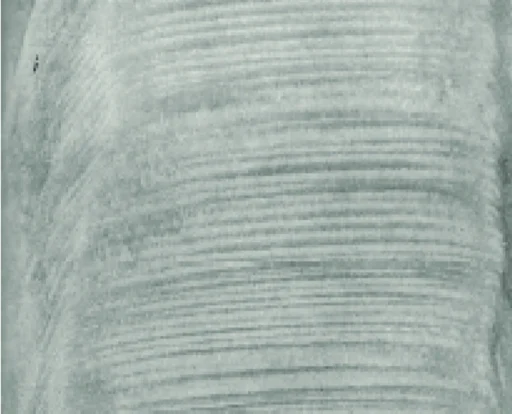
Name of the proxy: Stable isotope ratios of carbonates in speleothems Type of proxy: Precipitation, atmospheric circulation, CO2 availability in soil, soil productivity Paleoenvironment: Continental environments Period of time investigated: Present day to 10 million years How does it work? Speleothems are inorganic carbonate deposits growing in caves that form from super-saturated cave waters (with …[Read More]

Imaggeo on Mondays: Viñales Valley

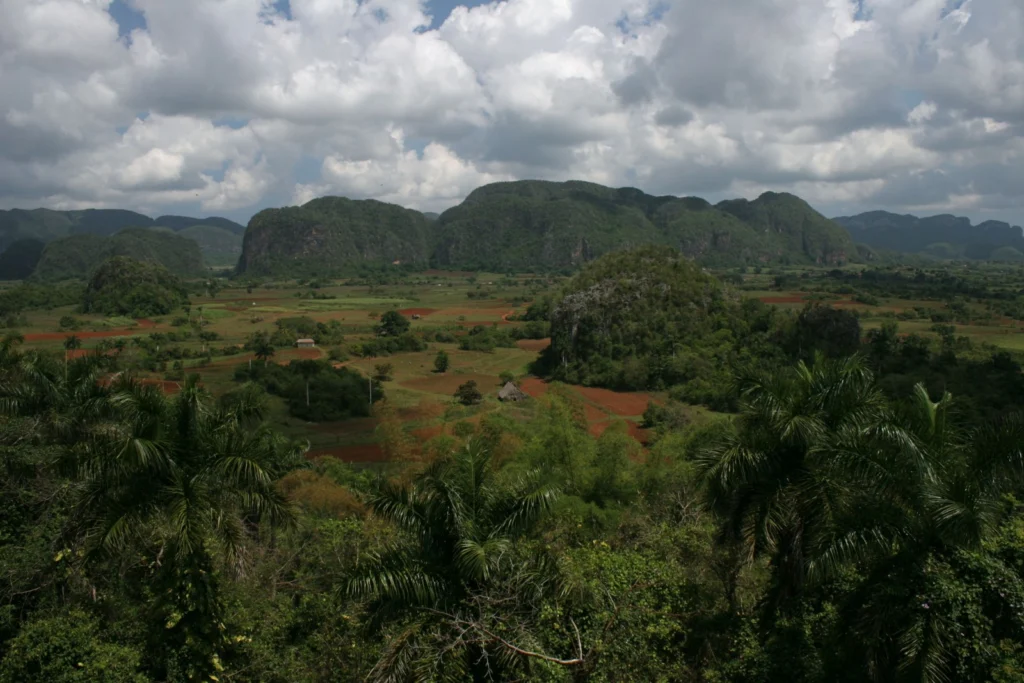
Imaggeo on Mondays: Viñales Valley

From last week’s unusual desert landscape to this week’s lush valley in Cuba… The picture shows the Vinales Valley, a karstic depression with mogotes in western Cuba. Karst is the general term for landscapes formed when limestone is disolved by carbonic acid, in rain water. This leads, in particular, to the formation of an underground …[Read More]

GD

NetherMod Day 4 & 5 – Secret Summary

NetherMod Day 4 & 5 – Secret Summary

I hear you exclaiming: “Why merge day 4 and 5 together? What happened to the secret summary of day 4?” Well, I have to admit, apart from being your daily NetherMod reporter, I also needed to present my poster, so apologies for the delay and merge. Day 4 started with a keynote talk from Dave …[Read More]