The EGU General Assembly brings together geoscientists from all over the world to one meeting that covers all disciplines of the Earth, planetary and space sciences. The conference is taking place in Vienna on 8–13 April 2018, providing an opportunity for both established scientists and early career researchers to present their work and discuss their …[Read More]
Latest posts
Heather Britton: Can Animals be Used to Predict Earthquakes?
One of the most common questions faced by the disaster risk reduction community relates to earthquake prediction (see this Geological Society briefing on prediction vs. forecasting). The disaster risk reduction community, however, would perhaps argue that improved buildings, reduction in poverty, and improved governance are a greater priority than predicting earthquakes. Even so, there are …[Read More]
What is in the (European) air?
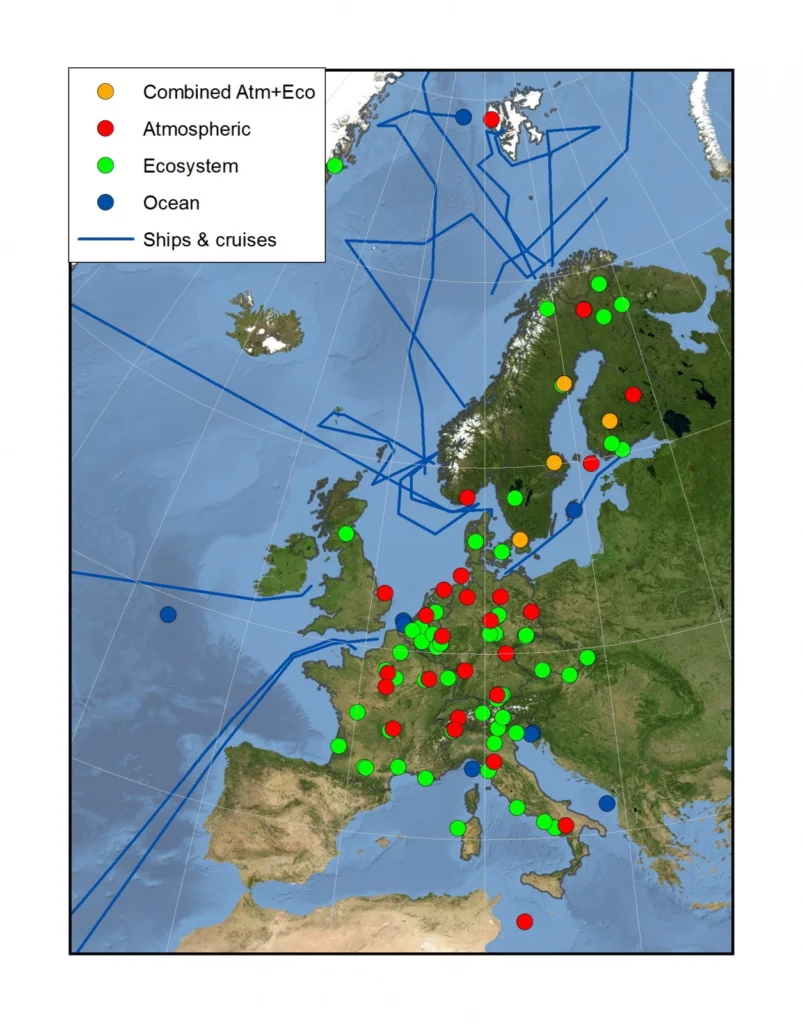
You thought that Mauna Loa was the only observatory to provide continuous measurements of atmospheric carbon dioxide concentration and were disappointed because Hawaii is way too far from your study area or because you wanted to know how bad the air is in your hometown? The US have been monitoring the composition of the atmosphere …[Read More]
Conferences – so near and yet so far
Attending conferences is expensive and time consuming, so going to all the conferences relevant for your research topic(s) is an impossible mission. One solution might be to attend (parts of) conferences remotely. Suzanne Atkins, postdoc at ETH Zürich, Switzerland, discusses the pros and cons of remote conferencing. Last month the Geological Society of London live-streamed …[Read More]
Imaggeo on Mondays: Autumnal Larch
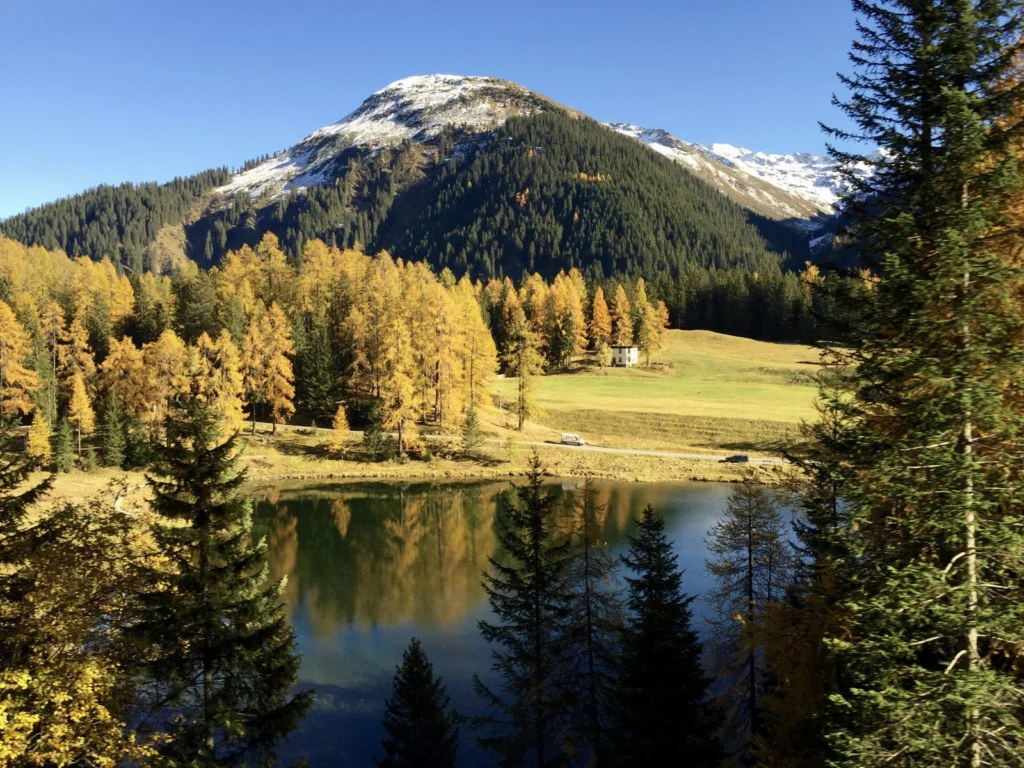
For a fantastically picturesque train ride, consider travelling by rail between Lanquart and Davos (in Switzerland). You’ll be rewarded with stunning Alpine views, especially in autumn when the Larches, surrounded by Spruces, turn yellow and cast pretty reflections in the waters of the mountain lakes. Seen here is Schwartzsee, located only a few meters from …[Read More]
AGU fall meeting New Orleans – what we’re most looking forward, to reduce your FOMO!
Two words: French Quarter. OK, well beyond that quite a few things… On Sunday the fun kicks off with the Hubbert Quorum (link) – a nice and informal meeting with lots of interaction. On Monday is Advances in Hydrologic Science by Early Career Scientists: A Discussion of the Publishing Process (TH13A; link) On Tuesday is …[Read More]
How Rome and its geology are strongly connected
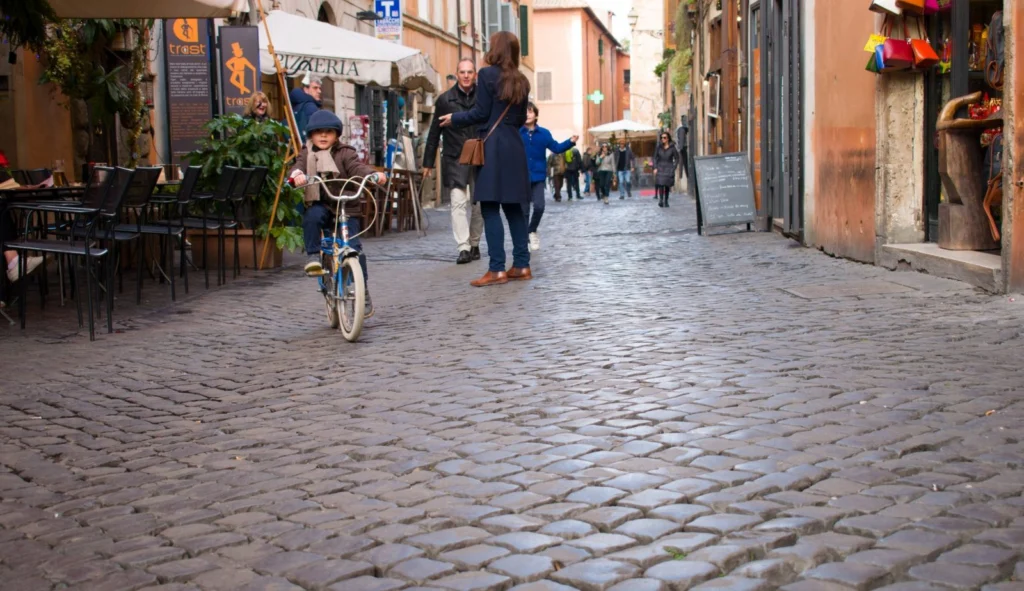
Walking through an ancient and fascinating city like Rome, there are signs of history everywhere. The whole city forms an open-air museum, full of remnants of many different times the city has known, from the Imperial to the Medieval times, the Renaissance, the Fascist period, and finally the present day version of Rome. For historians …[Read More]
A little fracture can go a long way: How experiments illuminate our understanding of volcanic eruptions
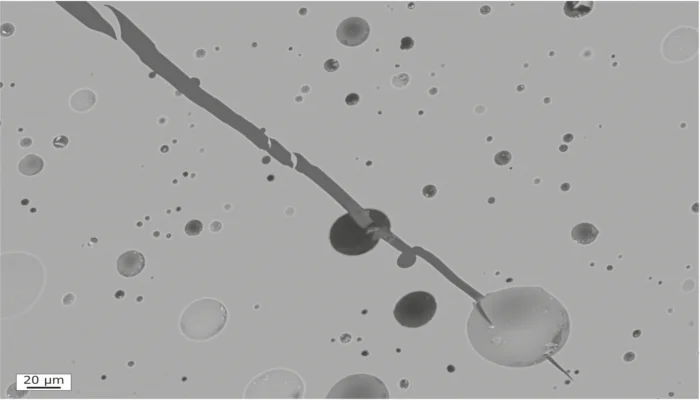
What controls how violently a volcano erupts? Stratovolcanoes like Mount St Helens (USA), Gunung Merapi (Indonesia), or Volcán de Colima (Mexico) tend to erupt in two distinct ways: effusively and/or explosively. Effusive eruptions are eruptions where lava is extruded without any major explosions. Although effusive eruptions can be dangerous, at stratovolcanoes they tend to be …[Read More]
Image of the Week – Antarctica Day
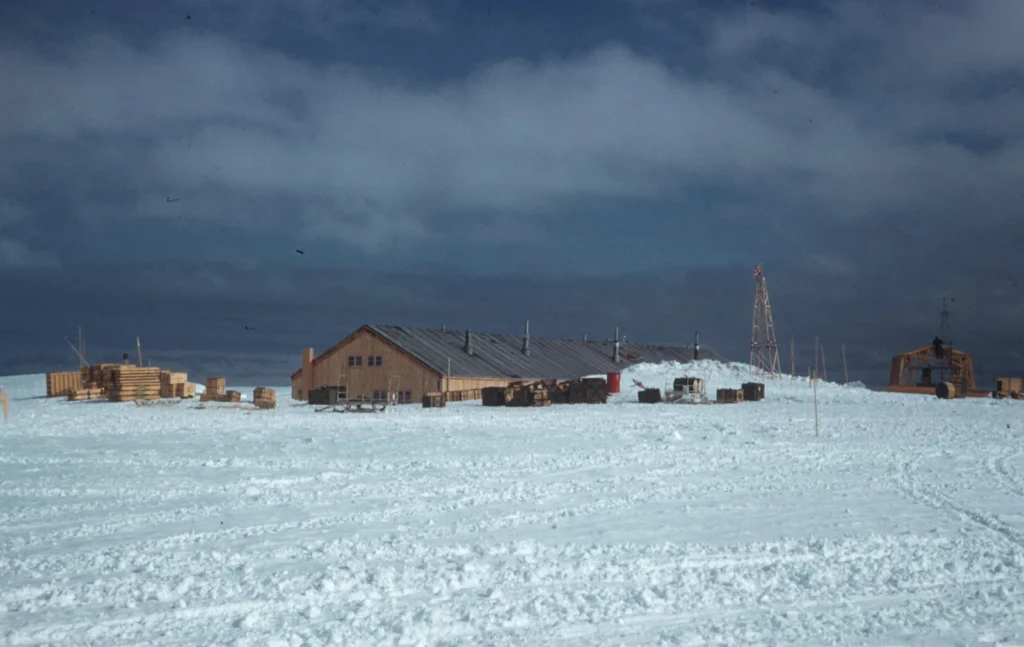
Today, 1st December 2017, marks the 58th anniversary of the signing of the Antarctic Treaty in 1959. The Antarctic Treaty was motivated by international collaboration in Antarctica in the International Geophysical Year (IGY), 1957-1958. During the IGY over 50 new bases were established in and around Antarctica by 12 nations- including this one at Halley …[Read More]
Bárbara Zambelli Azevedo: Access to clean water, gender equality and geosciences
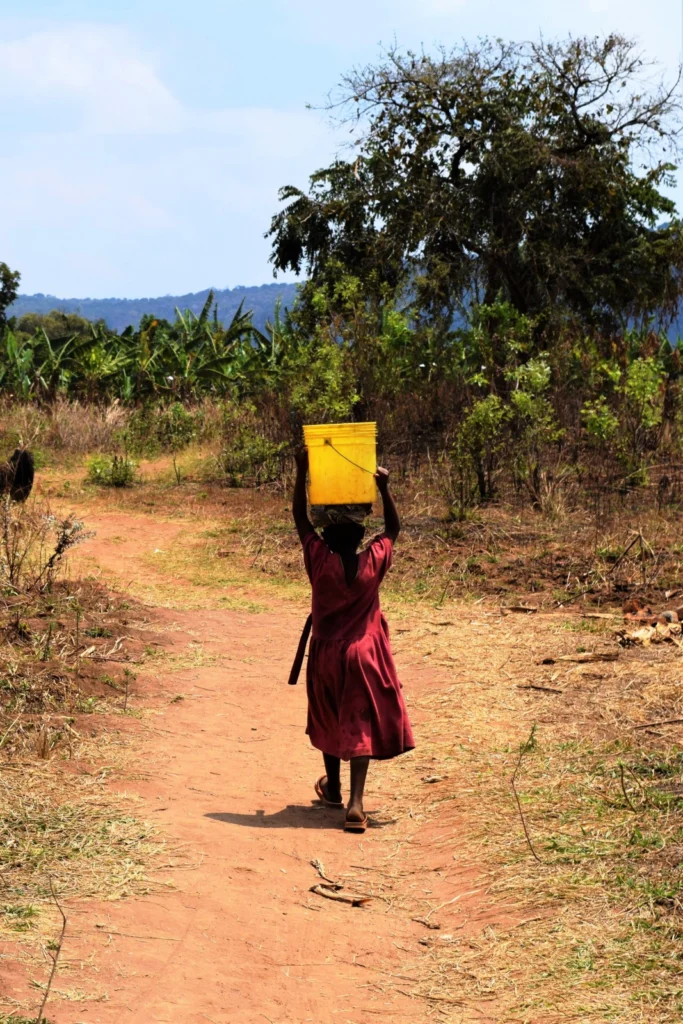
The importance of access to safe drinking water in our lives is quite obvious. Although its relation with gender equality and sustainable development may be less so. In this article, Bárbara Zambelli Azevedo explores the relationship between the two and discusses what geoscientists can do to improve the situation. In 2017, according to the WHO, …[Read More]