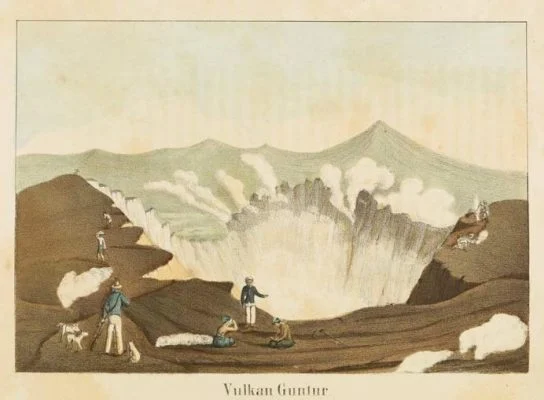
Since late September, the eyes of the volcano world have turned to Gunung Agung. This prominent volcano in Bali last erupted in 1963, when it released enough sulphur dioxide to form a global stratospheric sulphate aerosol layer that led to vivid sunsets, and short-term global cooling. The 1963 eruption was one of the largest and …[Read More]
Latest posts
Arts and culture at EGU 2018
As well as a stimulating scientific programme (remember the call-for-abstracts is currently open!), the upcoming General Assembly will also feature exciting cultural activities. Read on for a whistle-stop tour of what to expect, and of course, stay tuned to our social media channels, and follow the official hashtag (#EGU18) for more information on the run-up …[Read More]
2017 AGU Fall Meeting
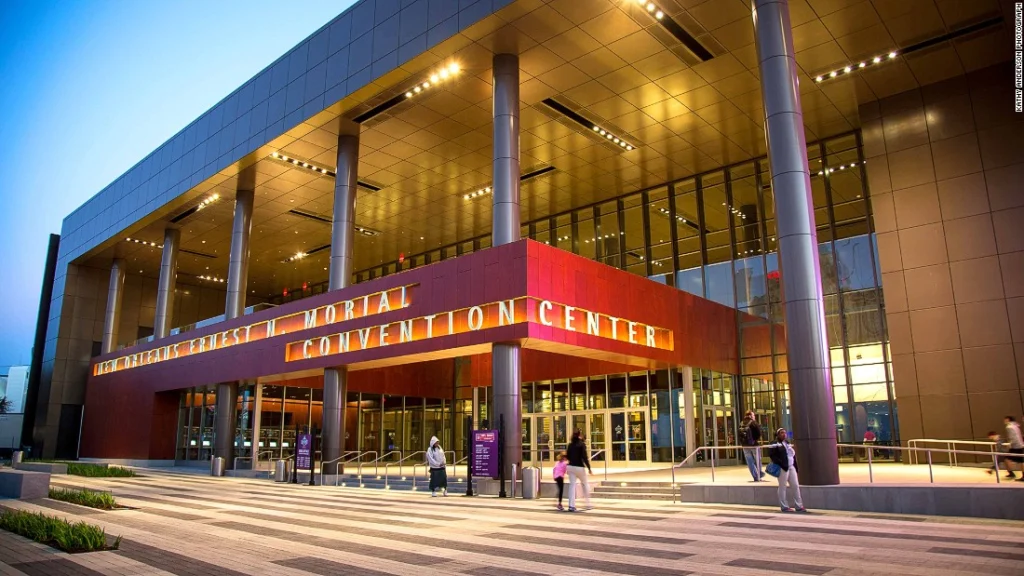
The largest Earth and Space science meeting in the world is taking place in New Orleans, Louisiana. As usual, once a year AGU gathers the best and brightest minds from around the globe in the pursuit of high quality science, knowledge, and a more sustainable future. In particular, AGU allows to share your science, …[Read More]
The risk of a Natural Hazard blog is now real, be prepared!
Hello and welcome to the blog of the Natural Hazards division! Starting from today we will try to enrich your readings every two weeks on Monday morning with a new blog post! Our division encompasses and intersects various topics in geoscience. For this reason, we will aim to diversify the content from post to post, …[Read More]
An alternate career path for Groundwater Science-Engineering PhDs
Post by Jim Roy, Research Scientist at Environment and Climate Change Canada. _______________________________________________ A recent editorial in Nature highlighted the relative scarcity of academic positions available to graduating PhD students (Many junior scientists need to take a hard look at their job prospects; 25 October, 2017). It notes that “it has been evident for years that …[Read More]
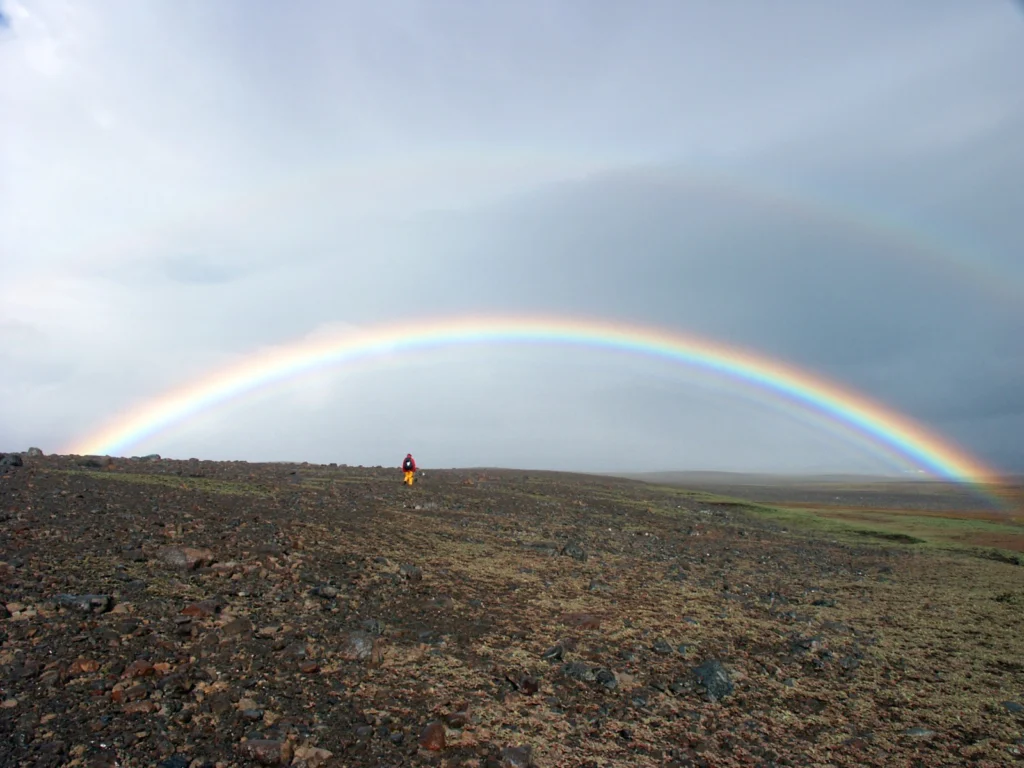
Imaggeo on Mondays: A spectacular rainbow
Back in February 2005, François Dulac and Rémi Losno worked in the field in the very remote Kerguelen Islands (also known as the Desolation Islands). Located in the southern Indian Ocean they are one, of the two, only exposed parts of the mostly submerged Kerguelen Plateau. Our work consisted in sampling atmospheric aerosols and their …[Read More]
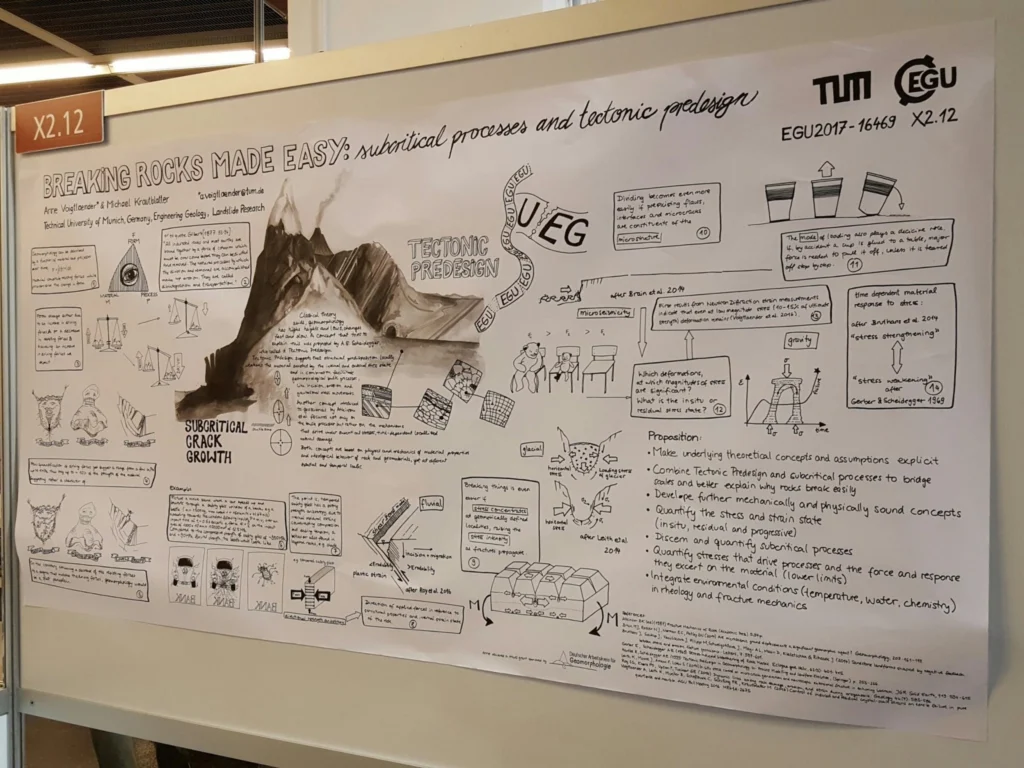
Theoretical Geomorphology: Selling a seemingly boring topic
Anne Voigtländer (TUM Munich) presented her poster at the EGU 2017 and attracted quite some attention. She drew everything per hand and besides chocolate bars and smiling mountains she touched some very interesting topics. Have a look and get inspired! – written by Anne Voigtländer (TUM Munich) – Have you ever tried to sell a …[Read More]
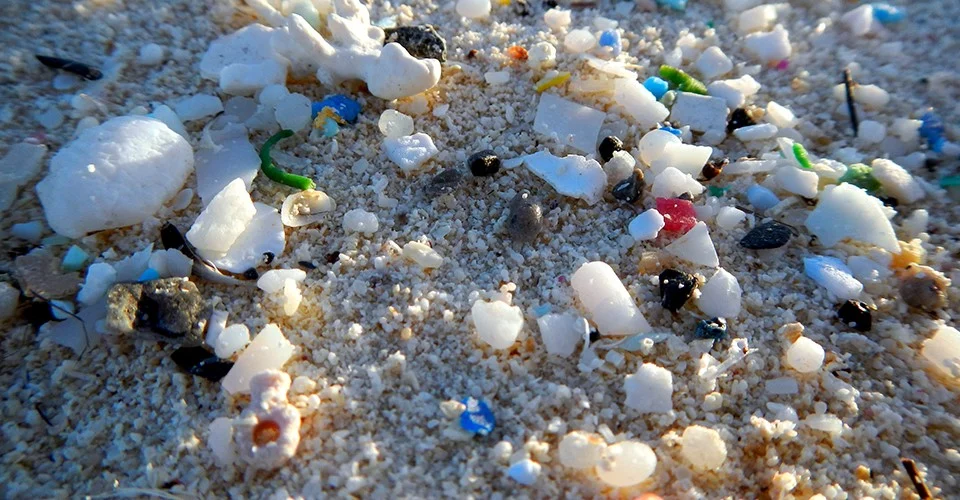
Robert Emberson: Microplastic – Too Important to Ignore
Anyone lucky enough to catch any of the BBC’s recent new series Blue Planet II will have noticed that each episode devotes a portion of the time to the impact humans have on the oceans. A breathtaking series of shots from a recent episode detailed the heart-wrenching demise of a baby whale, possibly poisoned by …[Read More]
Image of the Week – Searching for clues of extraterrestrial life on the Antarctic ice sheet
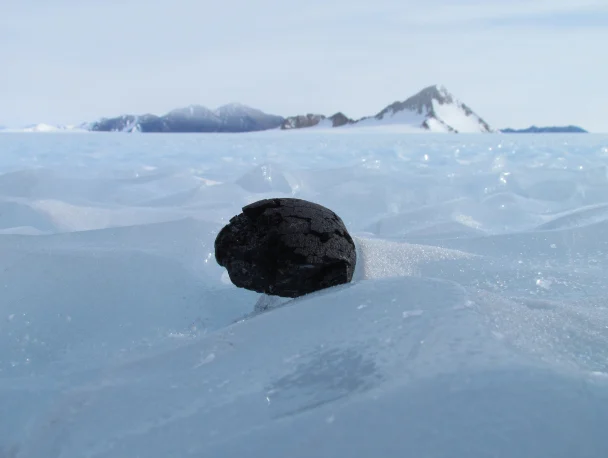
Last week we celebrated Antarctica Day, 50 years after the Antarctic Treaty was signed. This treaty includes an agreement to protect Antarctic ecosystems. But what if, unintentionally, this protection also covered clues of life beyond Earth? In this Image of the Week, we explore how meteorites found in Antarctica are an important piece of the …[Read More]
GeoSciences Column: Don’t throw out that diary – medieval journals reveal the secret of lightning
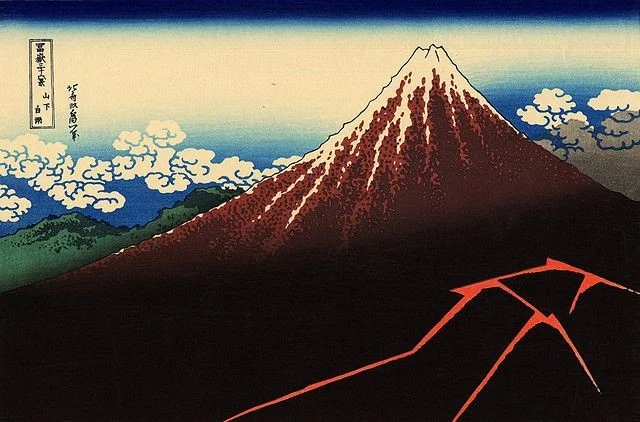
When 17th century Japanese princess Shinanomiya Tsuneko took note of an afternoon storm in her diary one humid Kyoto summer, she could not have imagined her observations would one day help resolve a longstanding scientific conundrum. Statistical analysis of her journals has revealed a link between lightning strikes and the solar wind – proving that …[Read More]