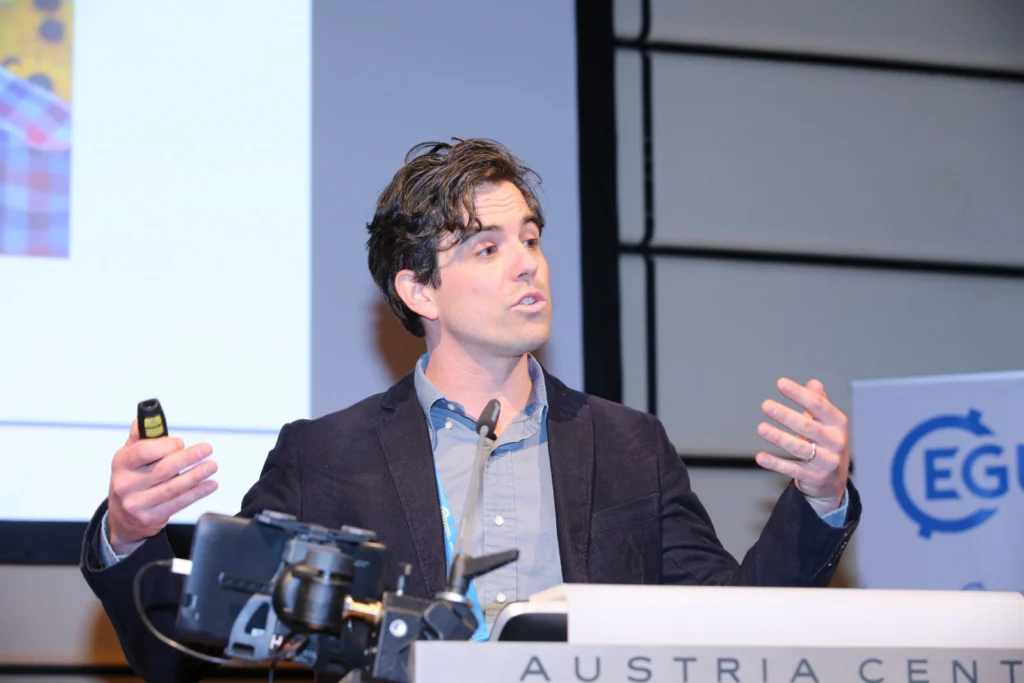
Geotalk is a regular feature highlighting early career researchers and their work. In this interview, we caught up with Christo Buizert, an assistant professor at Oregon State University in Corvallis, who works to reconstruct and understand climate change events from the past. Christo’s analysis of ice cores from Greenland and Antarctica helped reveal links between …[Read More]
Latest posts
GeoLog
EGU 2019: Registration open & townhall and splinter meeting requests
The EGU General Assembly brings together geoscientists from all over the world to one meeting that covers all disciplines of the Earth, planetary and space sciences. The conference is taking place in Vienna on 7–12 April 2019, providing an opportunity for both established scientists and early career researchers to present their work and discuss their …[Read More]
Climate: Past, Present & Future
How earthworms can help us understand past climates?
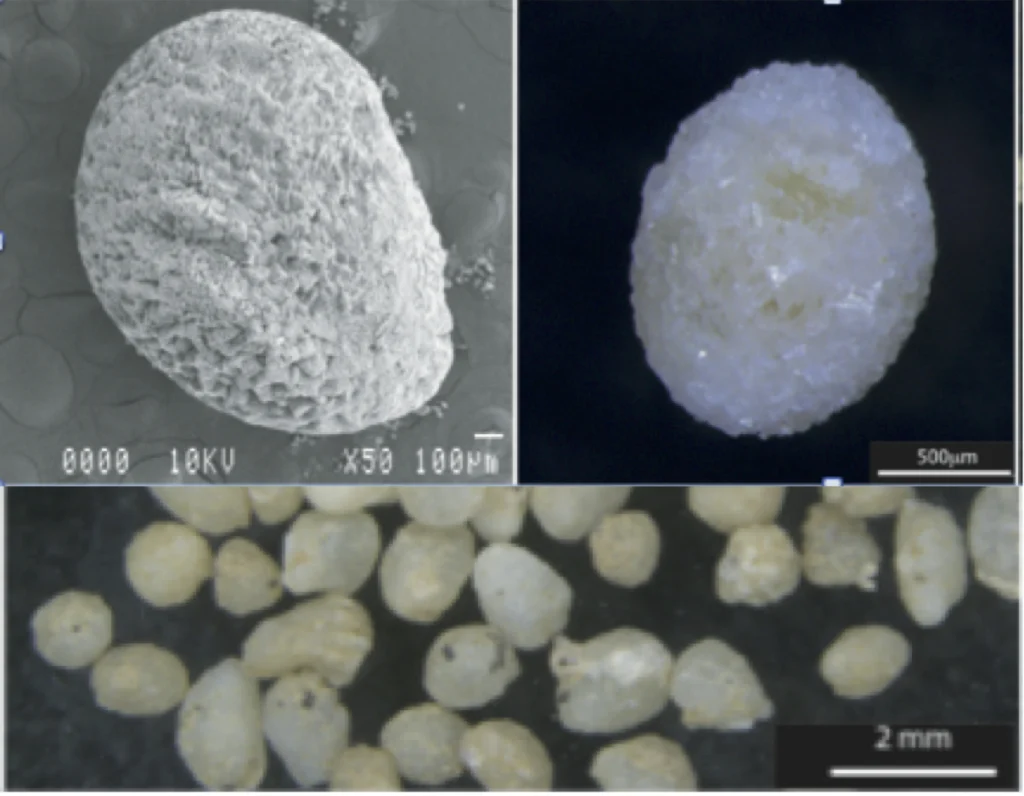
Name of proxy Earthworm calcite granules (ECG) Type of record Paleotemperature and paleoprecipitation reconstruction; radiocarbon dating Paleoenvironment Continental environments – loess/paleosol sequences Period of time investigated Mostly Last full Glacial cycle – from 112,000-15,000 years Before Present (BP) (or older depending on the preservation of the granules). How does it work? Earthworms are commonly found …[Read More]
Tectonics and Structural Geology
Meeting Plate Tectonics – David Bercovici
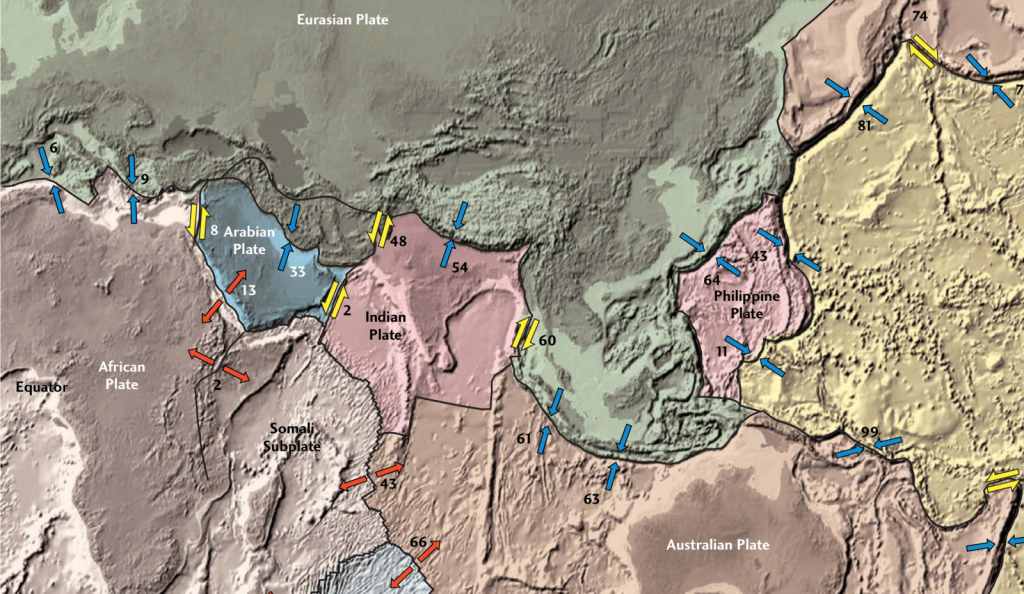
These blogposts present interviews with outstanding scientists that bloomed and shape the theory that revolutionised Earth Sciences — Plate Tectonics. Get to know them, learn from their experience, discover the pieces of advice they share and find out where the newest challenges lie! Meeting David Bercovici David Bercovici started his scientific career with a BSc in …[Read More]
GeoLog
Imaggeo on Mondays: Wandering the frozen Svalbard shore
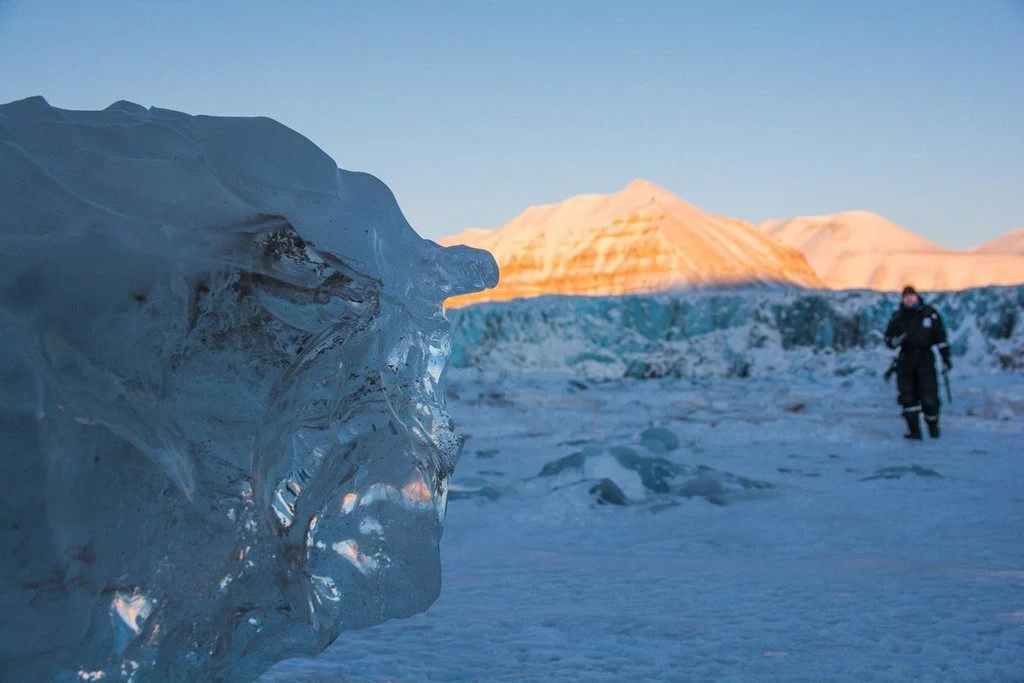
These ethereal, twisted ice sculptures litter the frozen shoreline of Tempelfjorden, Svalbard, giving the landscape an otherworldly feel and creating a contrast with the towering ice cliff of the glacier and the mountains behind. They are natural flotsam, the scoured remnants of icebergs calved from the Tunabreen glacier, washed up on the shoreline. These icebergs …[Read More]
Natural Hazards
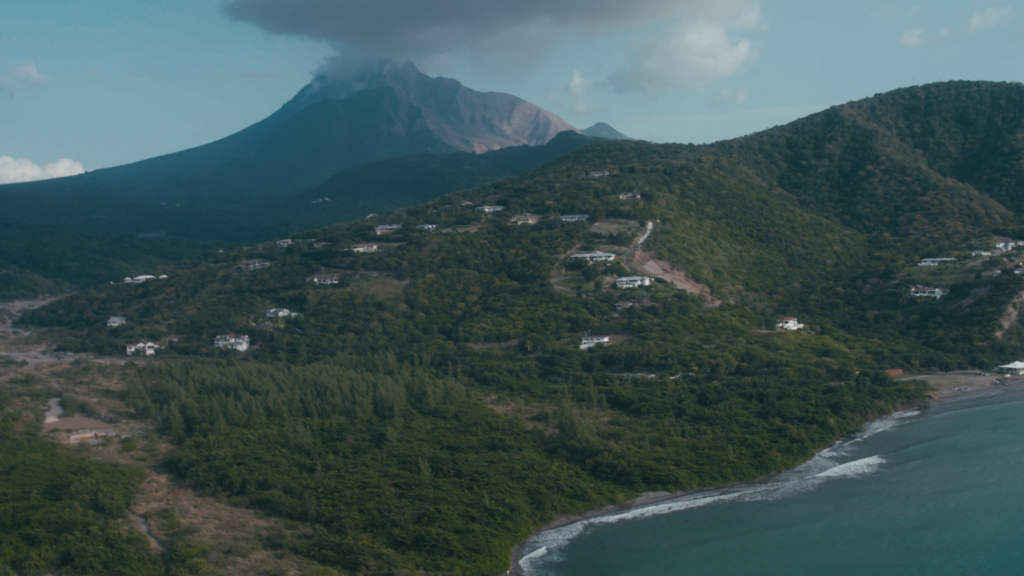
The devil in disguise: filmmaking lives under the threat of volcanoes.
Dear readers, today our blog will host Ryan Stone from Lambda Films. He will tell us his story and perspective behind the camera while documenting people’s lives constantly exposed to volcanic risk. If you want to get a quick taste of today’s content, just take a long breath and watch this video: https://www.lambdafilms.co.uk/video-production/an-eclipse/. Hello Ryan, Please …[Read More]
Cryospheric Sciences
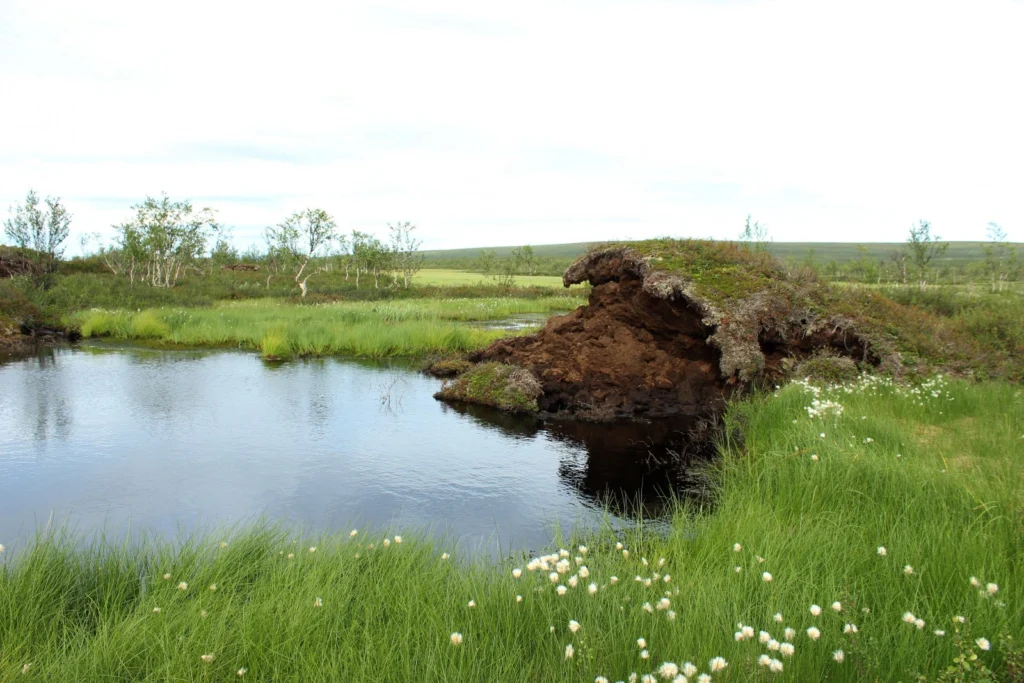
Image of the Week – Permafrost features disappearing from subarctic peatlands
Some of the most remarkable, marginal features of permafrost – palsas – are degrading and disappearing metre by metre from North European peatlands, and are driven close to extinction by the climate change. What are these permafrost features? A palsa is a peat mound with an icy core, which stays frozen throughout summer due to …[Read More]
Solar-Terrestrial Sciences
FOXSI: The NASA mission that combines rockets, flares, and X-rays
For decades, high-energy aspects of the Sun have been studied using indirect imaging and spectroscopy in hard X-rays (HXR) by the pioneering RHESSI spacecraft. However, advanced understanding of small-scale energy releases and particle acceleration in the outermost layer of the Sun require better sensitivity and dynamic range, which can be achieved by using direct focusing …[Read More]
Stratigraphy, Sedimentology and Palaeontology
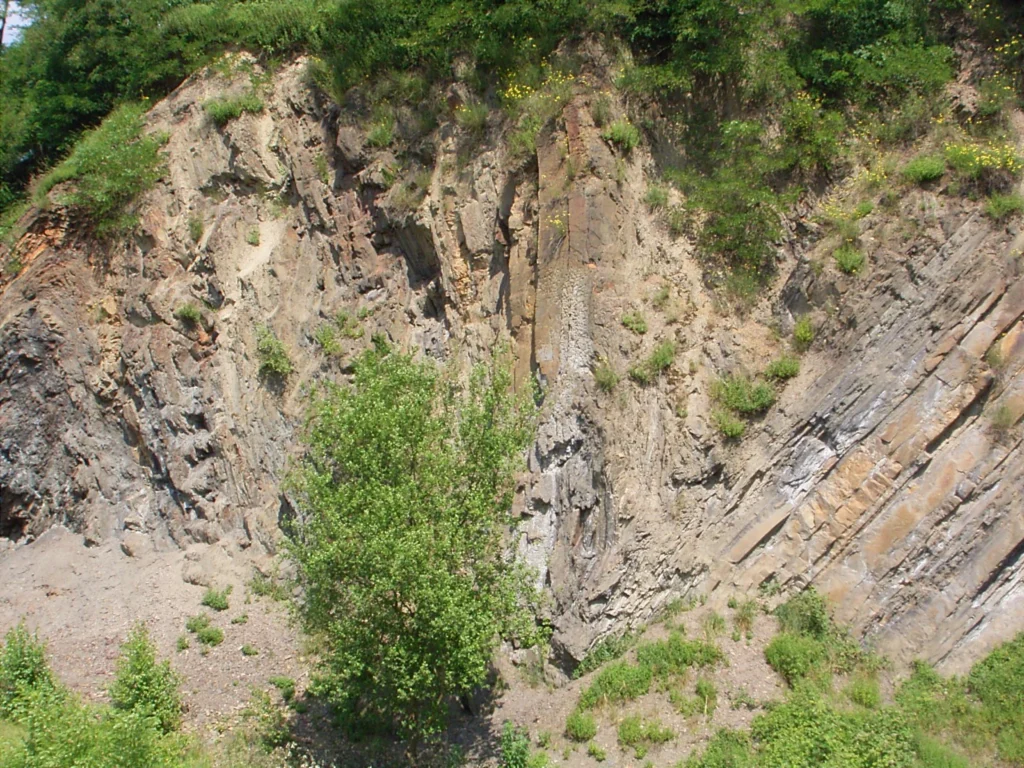
Mining the Carboniferous in the Ruhr area (Germany)
During the upper Carboniferous period (Namurian, Westfalian and Stephanian) large areas of central western Germany were covered by coastal swamp forests dominated by Lepidodendron und Sigillaria. Periodic marine and fluvial transgressions caused the swamps being regularly buried by siliciclastic material, resulting in up to 5500 m thick successions of alternating organic-rich and clastic-rich sedimentary rock. …[Read More]
GeoLog
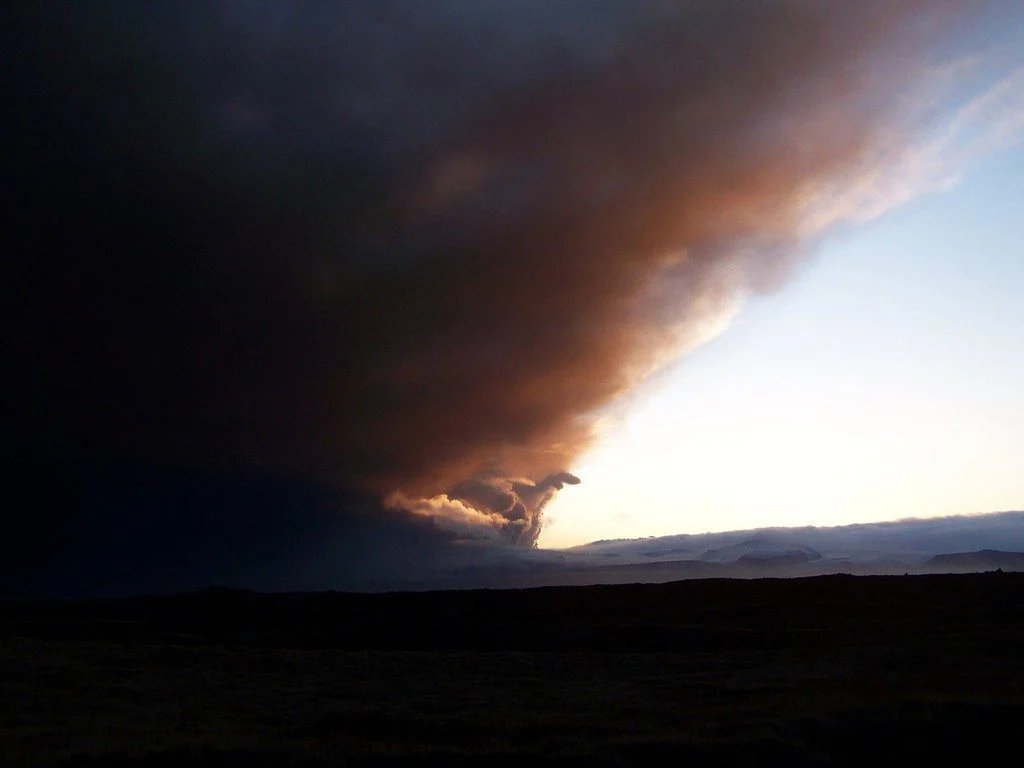
Imaggeo on Mondays: The ash cloud of Eyjafjallajökull approaches
This photo depicts the famous ash cloud of the Icelandic volcano Eyjafjallajökull, which disrupted air traffic in Europe and over the North Atlantic Ocean for several days in spring 2010. The picture was taken during the initial phase of the eruption south of the town of Kirjubæjarklaustur, at the end of a long field work …[Read More]