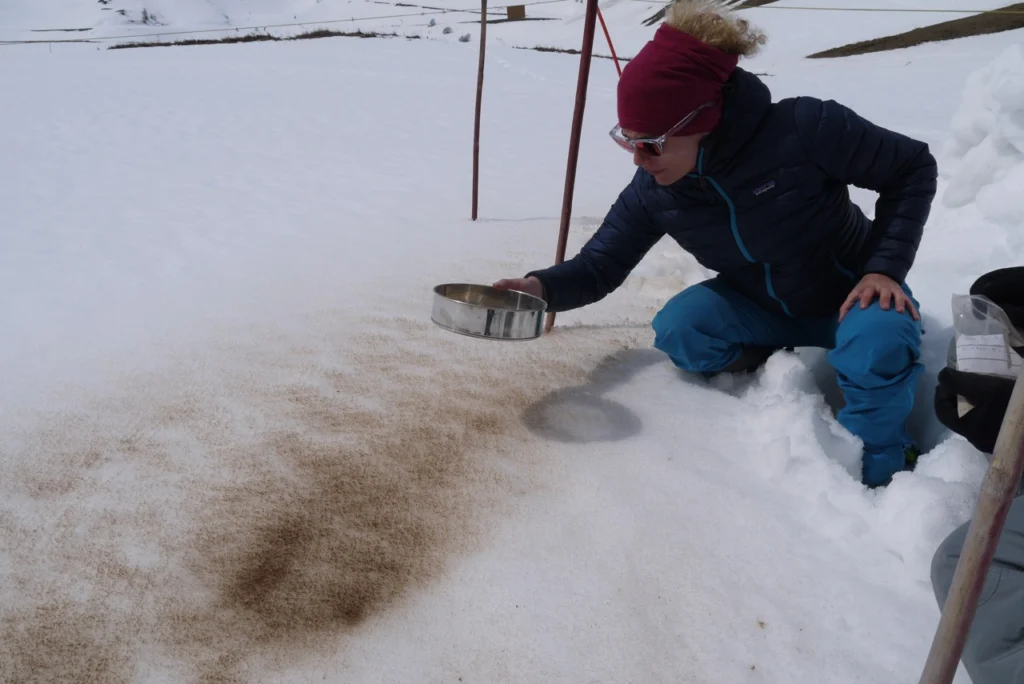
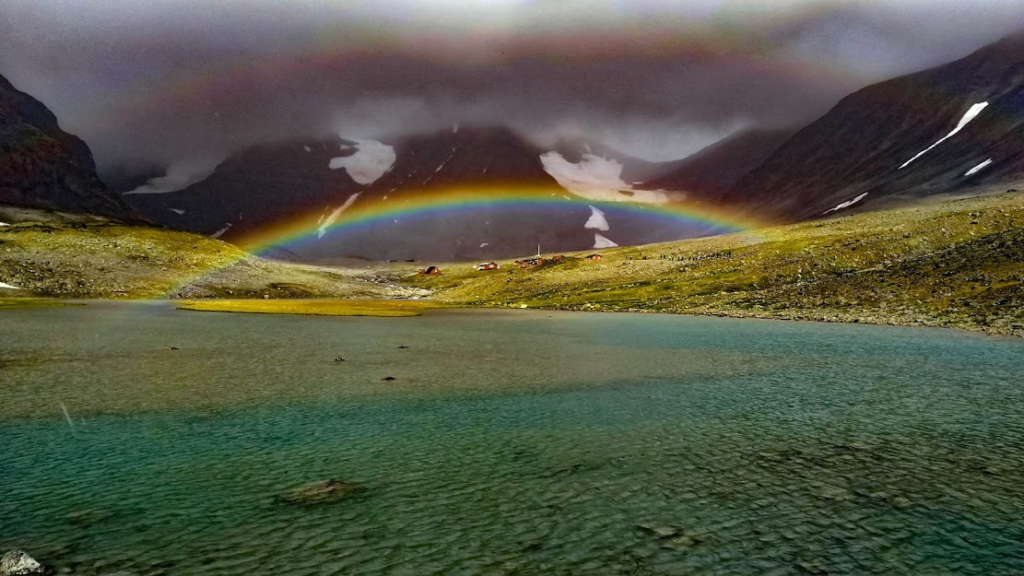
This week, we are interviewing Dr Marie Dumont. At the European Geosciences Union (EGU) general assembly in 2019, Marie was awarded the Arne Richter Award for Outstanding Early Career Scientist. Marie is currently a research team leader and deputy scientific director for the Snow Research Centre (part of Centre National de Recherches Meteorologiques, Météo-France & …[Read More]
Latest posts
Geodynamics
The Sassy Scientist – Hyde: Lithosphere Dynamics
Every week, The Sassy Scientist answers a question on geodynamics, related topics, academic life, the universe or anything in between with a healthy dose of sarcasm. Do you have a question for The Sassy Scientist? Submit your question here. Senna asks: I’m torn between mantle dynamics and lithosphere dynamics as a research topic. Which shall I …[Read More]
Stratigraphy, Sedimentology and Palaeontology
Slimy Landscapes 2: This time it’s Precambrian
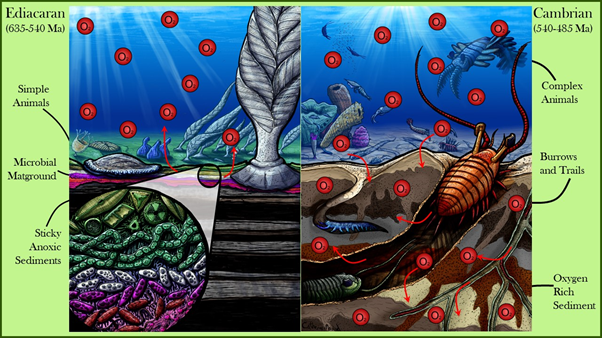
Slime is important to the developments of Earth’s landscapes – I have already explored this in a previous post where I learnt how Extracellular Polymeric Substances (EPS), a fancy phrase for a slime produced by organisms, can bind sediments together and making them resistant to erosion. This has impacts on the development of landscapes, from …[Read More]
GeoLog
We’re hiring! New job opportunities at the EGU Executive Office
The EGU is hiring for two job vacancies at its Executive Office in Munich, Germany. The deadline for applications is fast approaching (14 July 2019) so send your submission soon! Chief Strategy & Finance Officer The EGU has recently launched a new strategy to set a direction for the Union and to guide the work of its Council, committees and …[Read More]
Geodynamics
Iron volcanism on metallic asteroids?
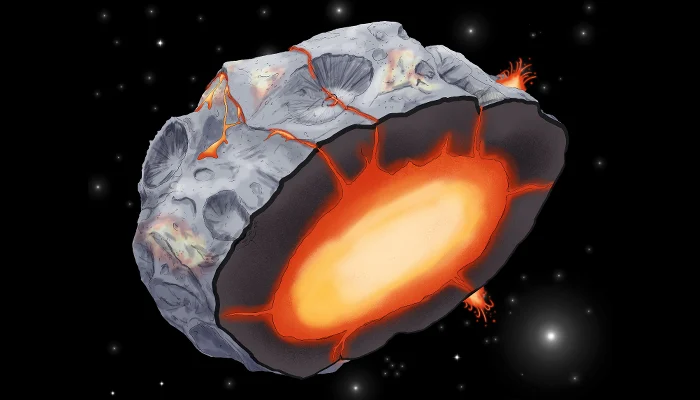
This week, Francis Nimmo, professor in the Department of Earth and Planetary Sciences (University of California Santa Cruz), tells us about volcanism on metallic asteroids! Around and after the formation of the solar system (4.5 billion years ago onwards), volcanoes on some of the gigantic bodies of the asteroid belt might have erupted … iron. …[Read More]
Climate: Past, Present & Future
Magnetic minerals: storytellers of environmental and climatic conditions
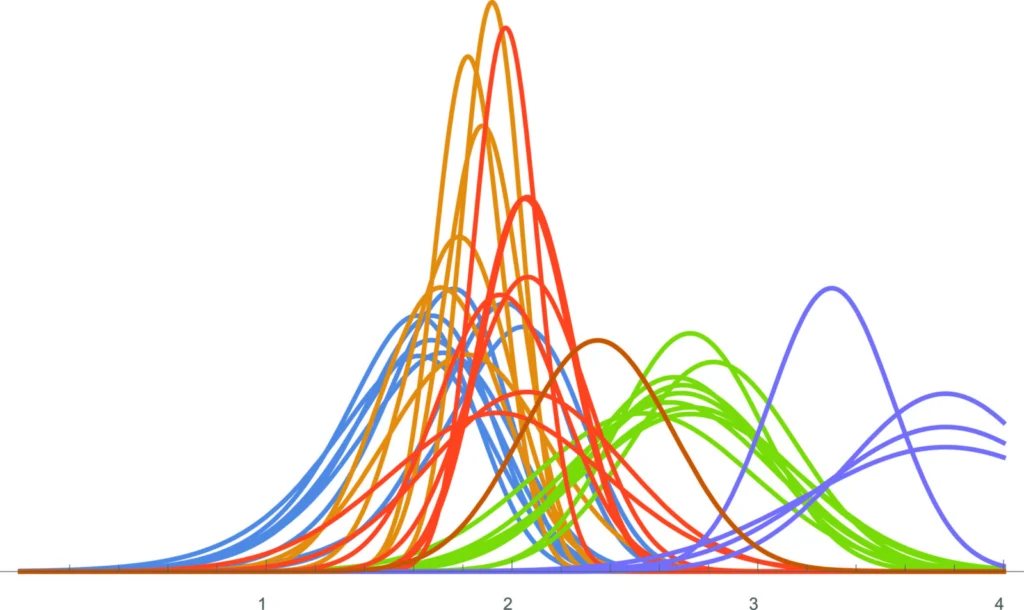
Name of proxy Environmental Magnetism (also known as enviromagnetics) Type of record Environment and climate proxy Paleoenvironment Sedimentary environments (for the most part) Period of time investigated Present times to millions of years (depending on the preservation conditions) How does it work? Magnetism is a physical property that results from the behaviour of elementary particles …[Read More]
GeoLog
Imaggeo on Mondays: Recreating monster waves in art and science
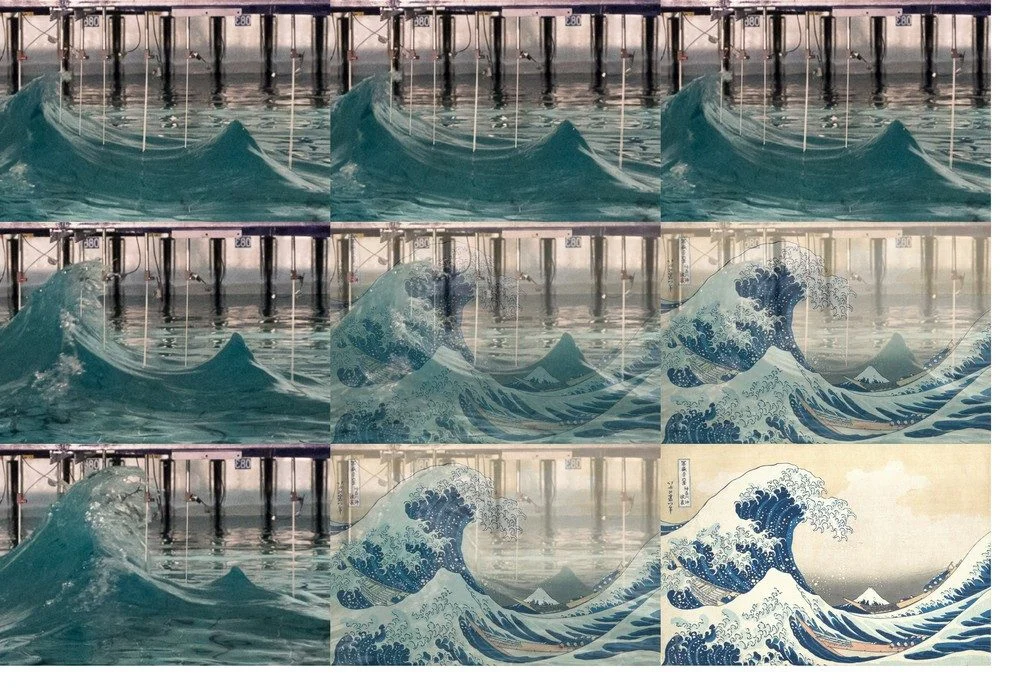
Featured in this blog post is a collection of images that gives a picture-perfect example of life imitating art. The photos in the left column are three consecutive still frames of a breaking wave that scientists generated in a lab environment at the University of Edinburgh in the UK. The pictures in the centre and …[Read More]
Natural Hazards
NH10 Multi-Hazards: The Latest EGU Natural Hazards Sub-Division
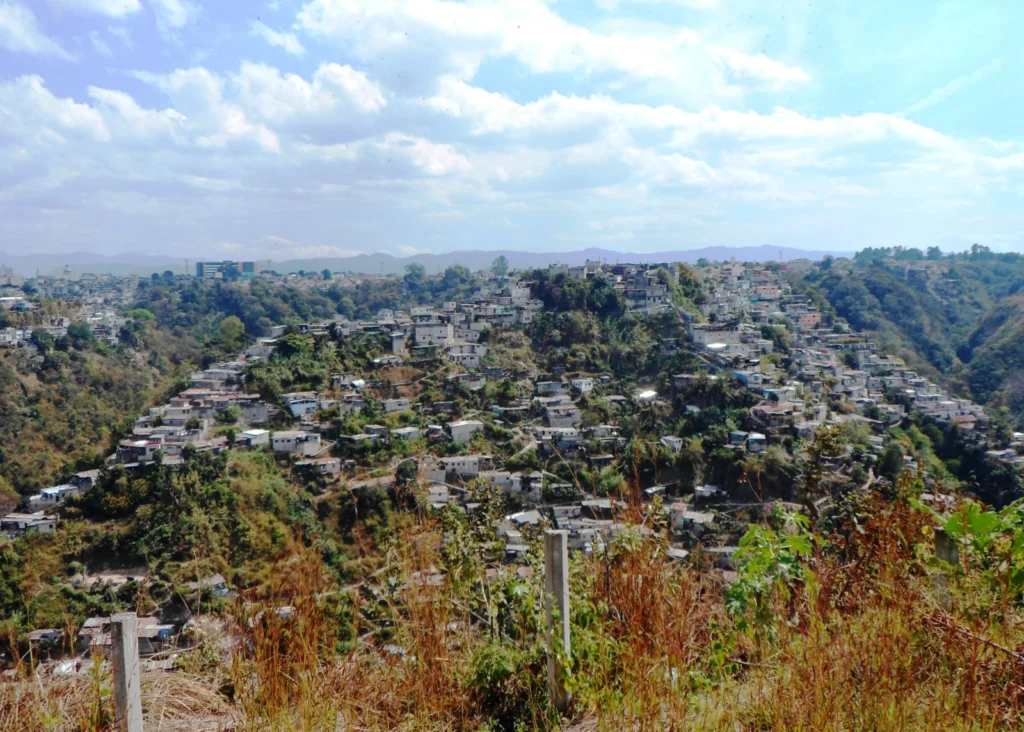
Earlier this year, the EGU Natural Hazards Division approved the addition of a new sub-division focused on the theme of ‘multi-hazards’. The Science Officers representing this sub-division, Joel Gill (British Geological Survey) and Marleen de Ruiter (IVM-VU Amsterdam), reflect on why this sub-division is necessary and how you can get involved. Many regions are affected …[Read More]
WaterUnderground
Urban water underground: How green infrastructure makes it visible
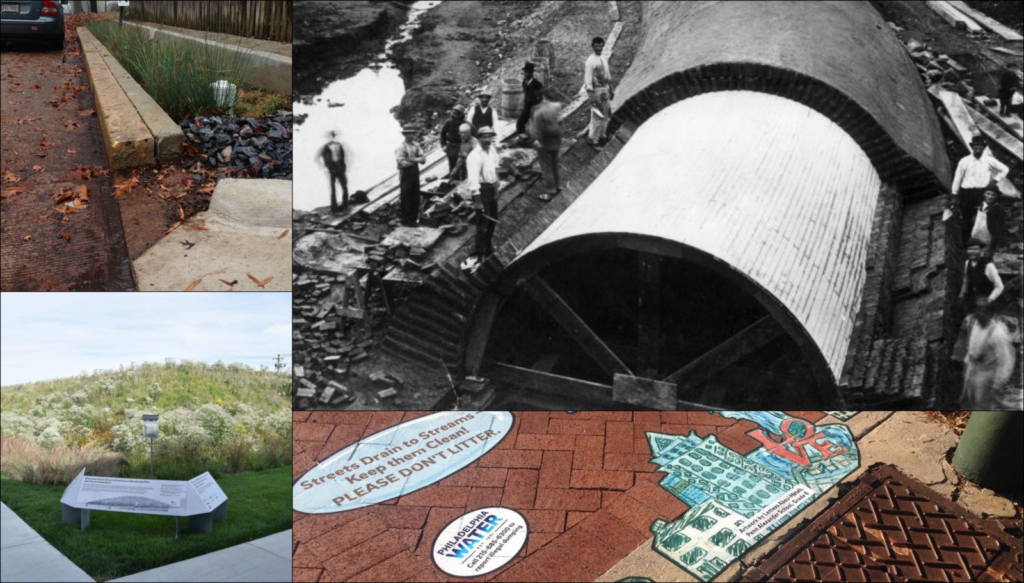
Post by Theodore Lim, assistant professor of Urban Affairs and Planning at Virginia Tech. He researches the socio-hydrology of green infrastructure planning and implementation. In order for people to care about something, to value it, they have to be able to see it and experience it. This point should not be taken lightly. So much …[Read More]
Cryospheric Sciences
Surviving in cold environments: from microbes under glaciers to queer scientists in the current social context
On the 5th of July we will celebrate the International Day of LGBTQ+ (lesbian, gay, bisexual, transsexual, queer, and people that do not identify themselves as cis and/or straight) People in Science, Technology, Engineering, and Maths (STEM). Many people will ask: “Why is this day important?” Being a queer scientist in particular, and a queer …[Read More]