
By Jack Wilkin. One of the techniques used to examine fossils in the laboratory is photography with the aid of UV light. Ultraviolet light causes minerals in the fossils to fluoresce creating a clearer contrast between the fossil and the surrounding matrix. Ultraviolet photography is a cost-effective laboratory technique that can be readily applied to …[Read More]
Latest posts
Natural Hazards
A coffee with Mr Fujitsuka: Typhoon Hagibis and the recovery process
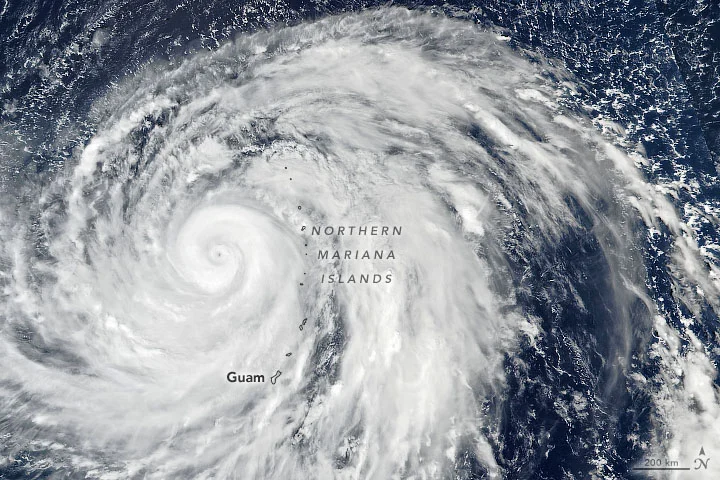
Today I got the chance to grab a coffee with Mr Fujitsuka, an ex-officer of the Ministry of Environment of Japan in charge of disaster preparedness, management and recovery. The reason why I decided to interview Mr Fujitsuka is that he helped in first person to manage the recovery process during Typhoon Hagibis that paralyzed …[Read More]
Geochemistry, Mineralogy, Petrology & Volcanology
#EGU2020 Sessions in the spotlight: Earthquake swarms and complex seismic sequences driven by transient forcing in tectonic and volcanic regions
The abstract submission deadline for EGU 2020 is now 1 month away – so the clock is ticking to pick a session and submit an abstract! If you still haven’t chosen which session to submit to, we are here for you! Every few days, on this blog, a different session in the general GMPV section …[Read More]
Cryospheric Sciences
Cryo History – How airborne glaciologists measured the movement of glaciers before the satellite era
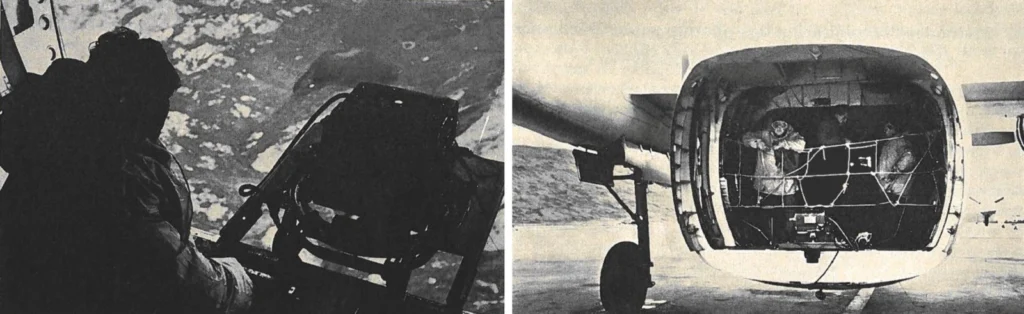
Recent work published in my department at the Geological Survey of Denmark and Greenland (GEUS) focused on solid ice discharge into the ocean from the Greenland Ice Sheet from 1986 to 2017 (Mankoff et al. 2019). Solid ice discharge is the ice that is lost from a glacier as it flows towards the coast and …[Read More]
Geodynamics
The Sassy Scientist – Seeking Specials

Every week, The Sassy Scientist answers a question on geodynamics, related topics, academic life, the universe or anything in between with a healthy dose of sarcasm. Do you have a question for The Sassy Scientist? Submit your question here or leave a comment below. Feeling kind of special after her paper got published, Marie-Jeanne asked: How …[Read More]
Climate: Past, Present & Future
Dear “climate sceptic”, do you have a fire insurance? – Climate policy under uncertainty
One often hears that ambitious climate policy might be premature while climate change is still “uncertain”. This sounds like a fair argument: The amount of global warming per doubling CO2 is not well constrained, and the amount of economic damage per degree of warming even less. But is this uncertainty a sound excuse to wait …[Read More]
Geodynamics
AGU19 – we’ll be back, soon!
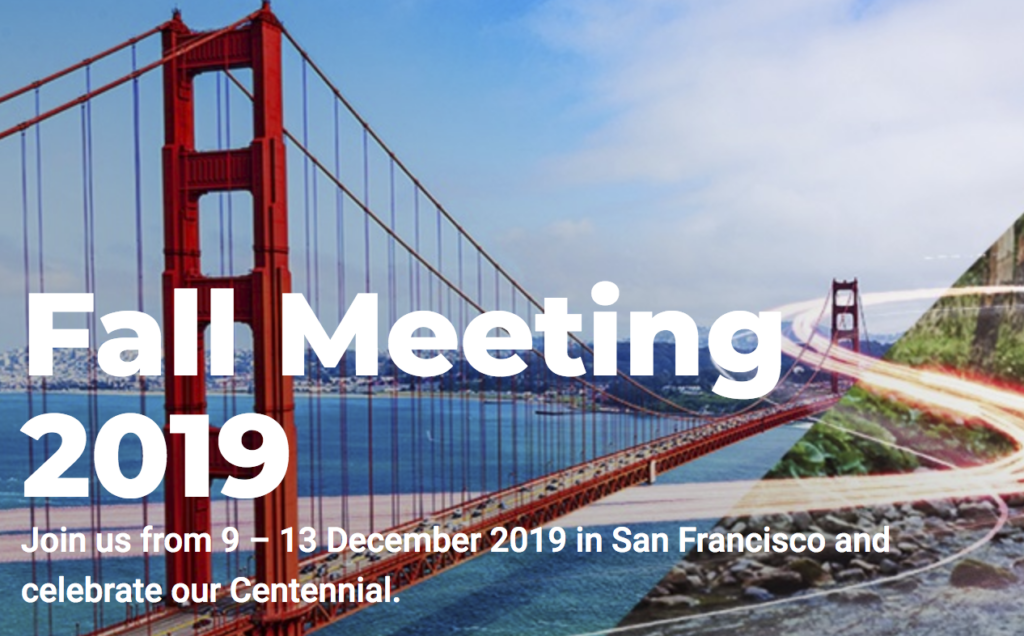
This week (9-13th December), the AGU19 Fall Meeting is back in the newly renovated Moscone Centre in central San Francisco. For the previous 2 years whilst the facelift has been happening, the Fall Meeting has been carted around to New Orleans and Washington, D.C. You can find more details of the week’s proceedings at the …[Read More]
Geochemistry, Mineralogy, Petrology & Volcanology
#EGU2020 Sessions in the Spotlight: Magmatic processes at divergent plate boundaries in space and time
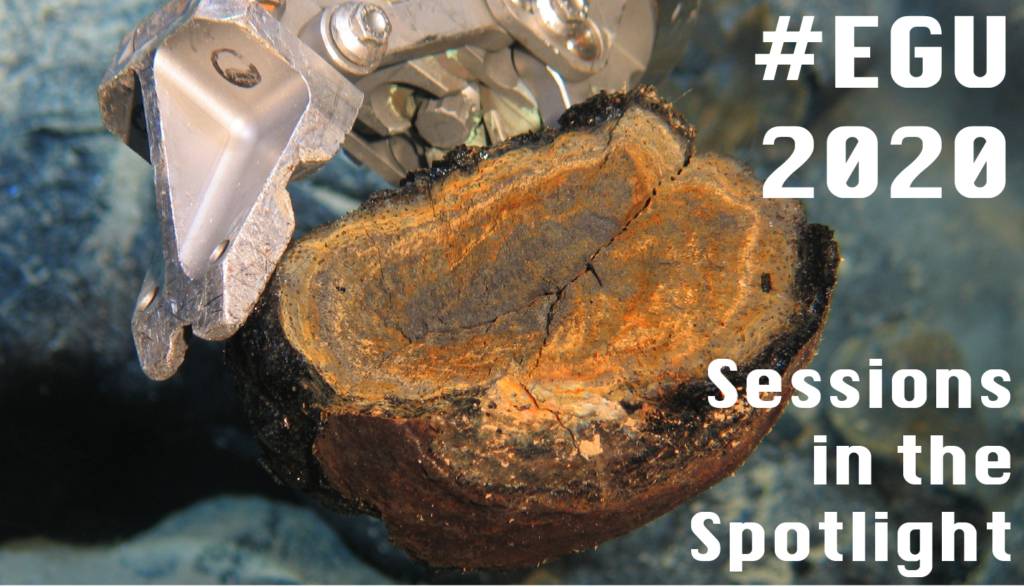
Do you feel like a journey through time and space, all from the comfort* of a seat in the Austria Centre Vienna? (*comfort not guaranteed). Does your dream holiday involve Iceland, and not for Game of Thrones reasons? Are you jealous of those scientists who spend 12 hours in a tiny submarine just to look …[Read More]
GeoLog
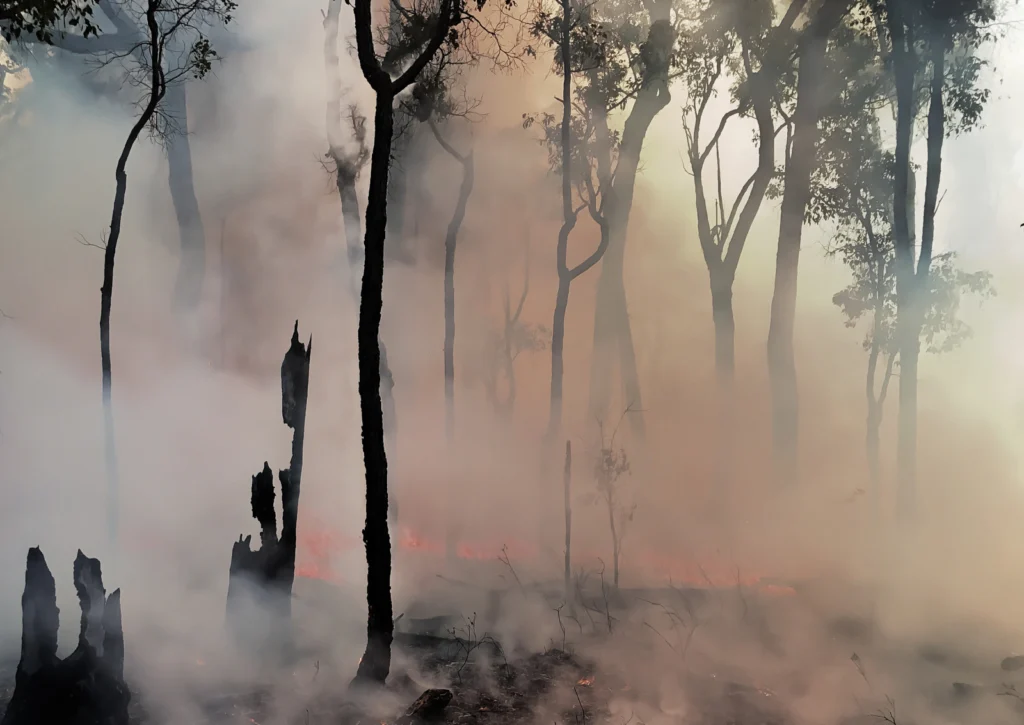
Imaggeo on Mondays: Setting trees aflame to understand the carbon balance of fires
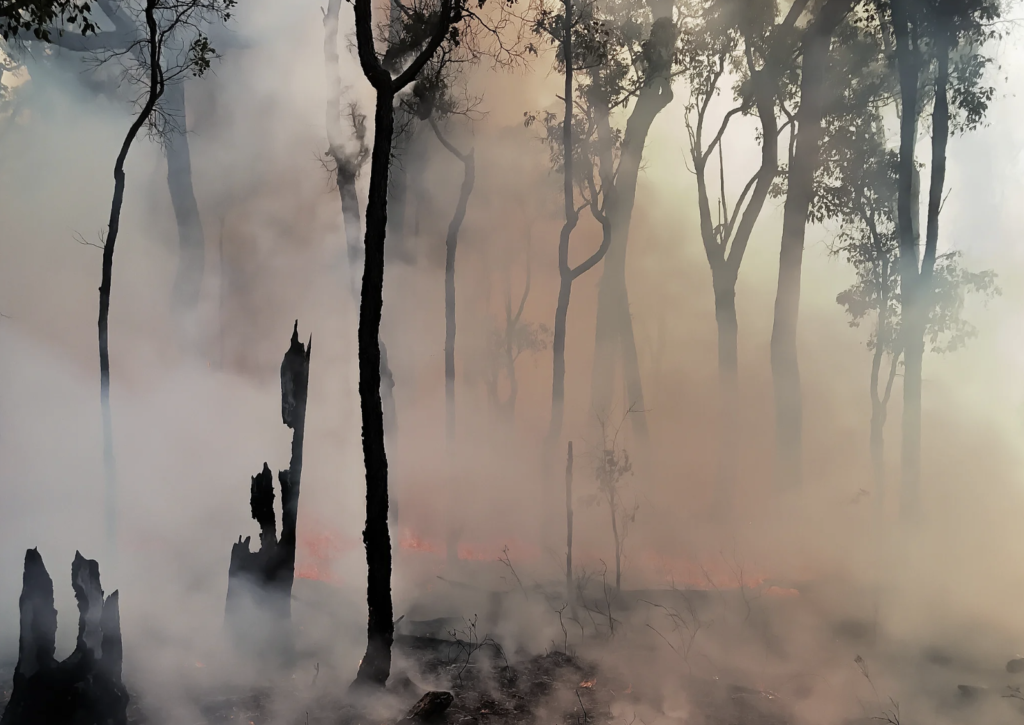
Smoke clears after an experimental wildfire in Australian eucalyptus forest carried out for carbon balance estimations of wildfires. We meticulously measured the carbon in all leaves, twigs, logs and bark in a forest block about 35km east of Manjimup and then they set it on fire with help from the Dept. of Parks and Wildlife, …[Read More]
Geochemistry, Mineralogy, Petrology & Volcanology
#EGU2020 Sessions in the Spotlight: Hotspots, LIPs and LLSVPs: a global investigation with joint constraints from geochemistry, seismology and geodynamics
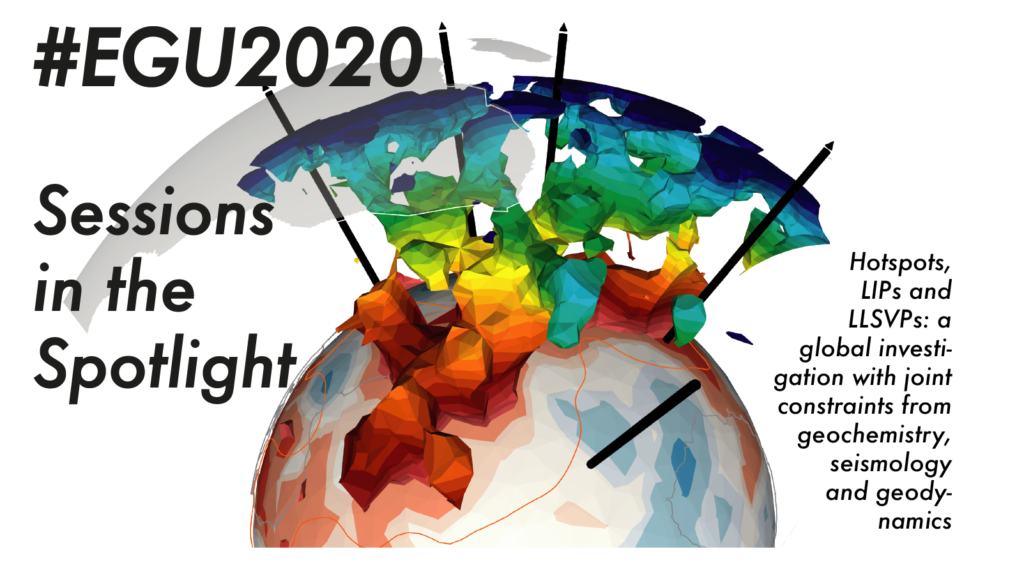
The Earth Sciences are so broad, that sometimes we can end up forgetting the other parts of it exist. We can get so focused on our field that we forget there might be other people working on really similar things, who might have something really useful to say. The EGU conference is great for solving …[Read More]