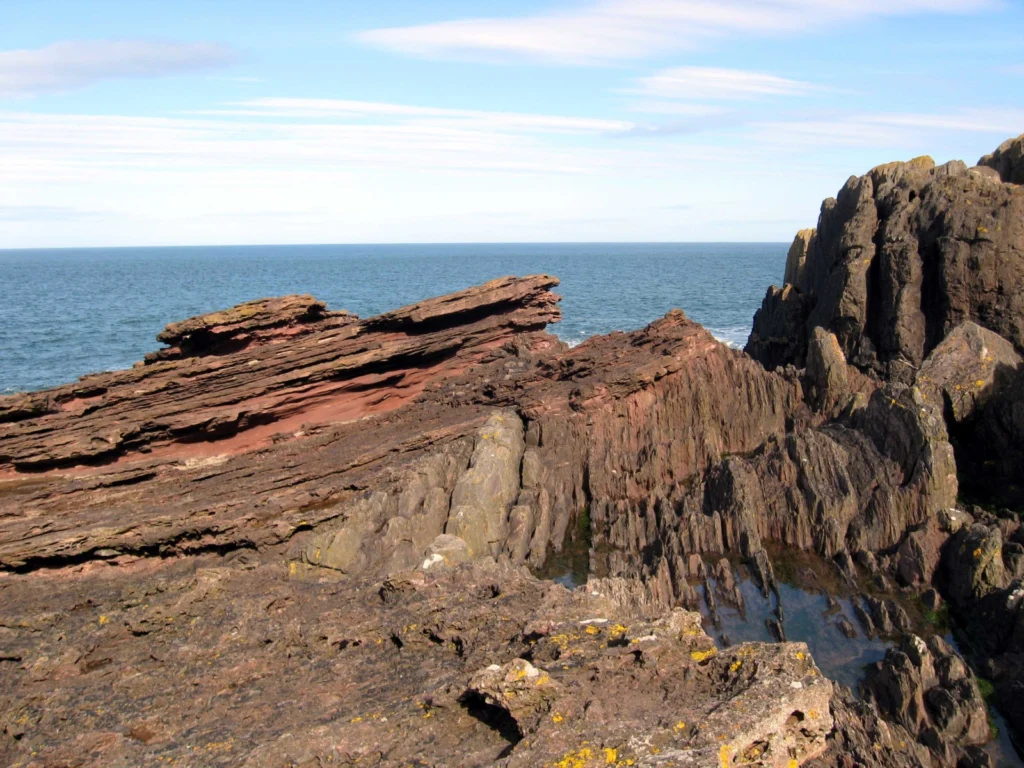
An angular unconformity is an erosional surface that truncates older, tilted sedimentary layers and that is overlain by younger layers, oriented parallel to the unconformity. The discovery and interpretation of angular unconformities, like the famous Hutton’s unconformity at Siccar Point, Scotland, marked a paradigm shift in the geological theories of the 18th century. At that …[Read More]
Latest posts
Volcano-seismology in North Korea
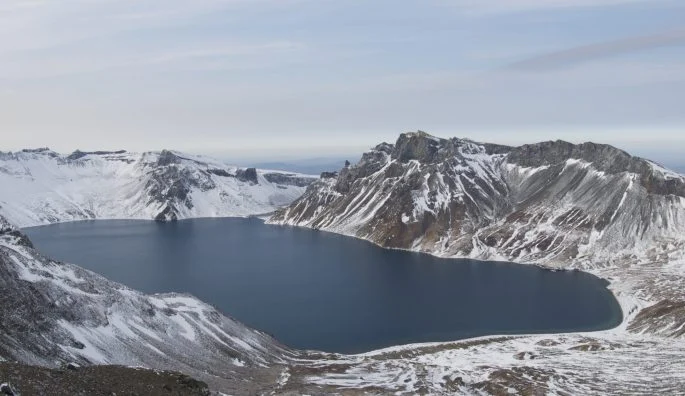
For any field-based seismologist, there is nothing more satisfying than standing in a remote location, laptop in hand finalising the installation of a new broadband seismic station. In 2013 this feeling was amplified as we deployed the first, and still the only broadband seismic array in the Democratic People’s Republic of Korea (DPRK, the formal …[Read More]
Filmmakers get creative with the sounds of satellite data
One of the major motivations behind research into solar-terrestrial physics is the potential consequences of space weather on our technologically dependent society. Given this risk, recognised by many governments around the world, it is a little concerning that a sizable fraction of the public have never even heard of the term “space weather” – for …[Read More]
Imaggeo On Monday: Tragédia em Petropolis (Brazil)
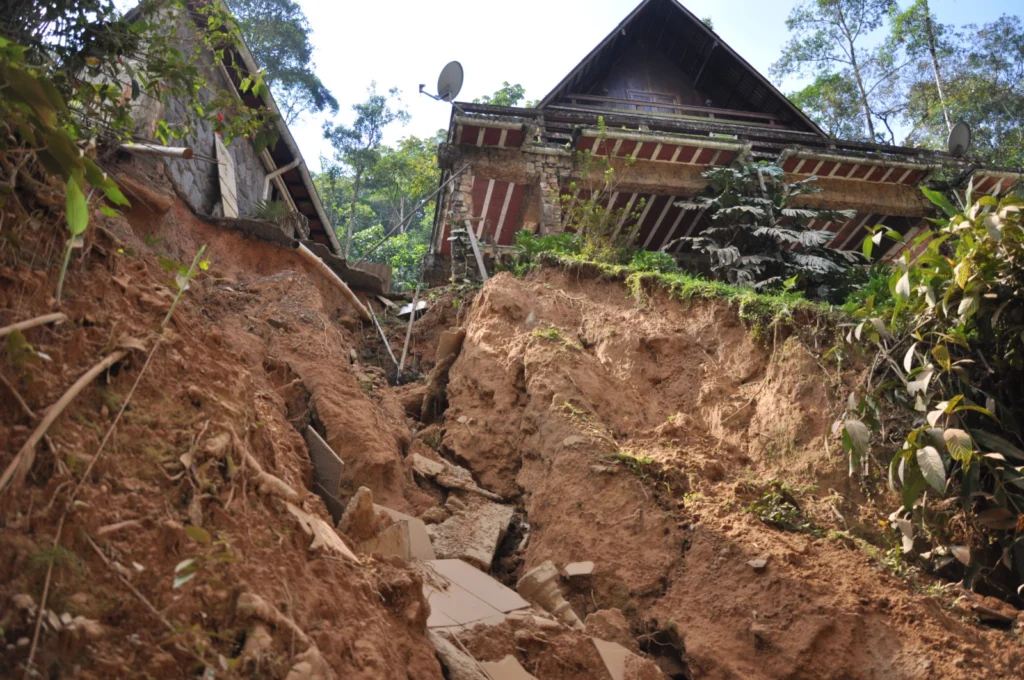
A series of deadly landslides and debris flows occurred in March 2013 in Petropolis, a municipality in the Brazilian state of Rio de Janeiro. This photo has been shot a little more than a month later. It highlights the important “supporting role” played by sewer pipes in this disaster. Description by Michele Calvello, after the …[Read More]
Tips for presenting a Webinar
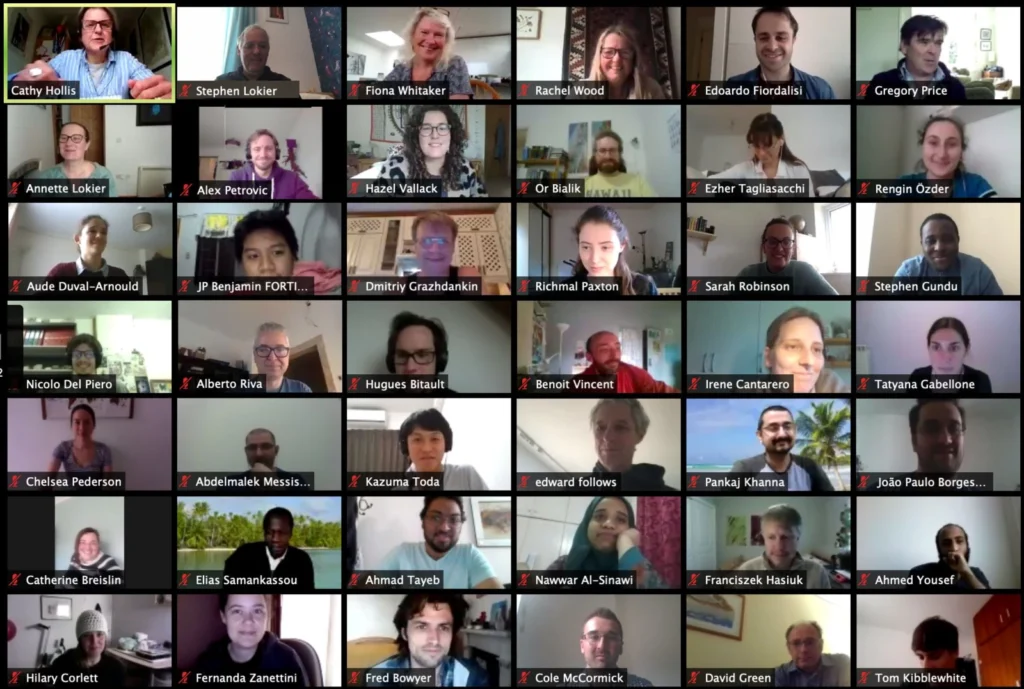
While many of us are experienced in giving presentations before a variety of audiences, for some, the switch to a remote presentation format can be daunting. With this in mind, and based on our experiences at sedsonline.com I have put together the following tips for our community – these are in no way exhaustive, but …[Read More]
GeoTalk: #BlackInTheMud panellists reflect on Black in Geoscience Week 2020
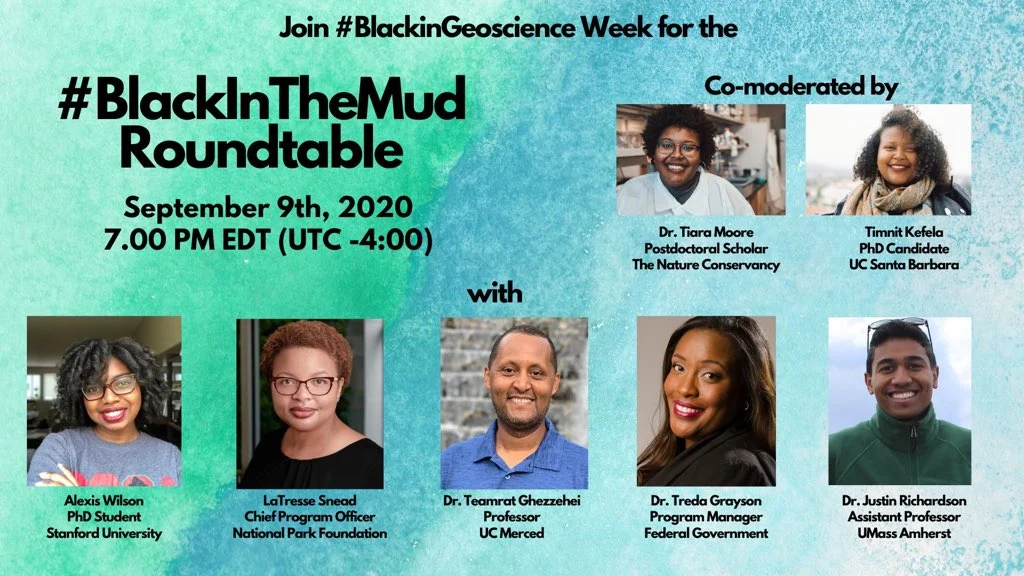
After telling a personal and traumatizing field experience to my fellow colleagues of color, I found that we all had shared similar events! Shocked and outraged, I wanted to find a place to expose and highlight these events thus the #BlackInTheMud panel was created. This event was inspired by this picture. And it’s so funny because this …[Read More]
Women of Cryo II: Dr Lu Li
Women make up 50.8% of the worlds population, yet fewer than 30% of the world’s researchers are women. Of this percentage, BAME (Black Asia and Minority Ethnic) comprise around 5%, with less than 1% represented in geoscience faculty positions. The divide between women in the population and women in STEM needs to be addressed. Through …[Read More]
The ocean floor is sinking under the weight of sea level rise
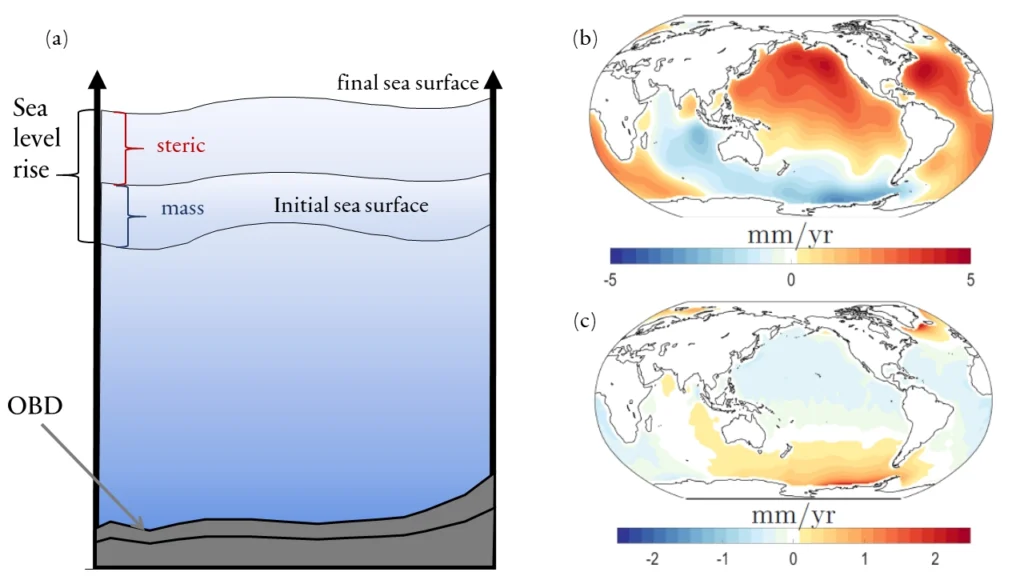
Sea level rise is one of most dreadful consequences of anthropogenic (caused by humans) global warming. It is estimated that the loss of coastal infrastructure alone would cost the global economy more than 1 trillion dollars per year by 2100 [1]. This number is based on climate models, but these are only as good as …[Read More]
The Sassy Scientist – Join the Club?
With his dazzling wit, charm and handsome moustache, Groucho has an engagements calendar that would make the most sparkly socialite jealous. He therefore asks: Should you ever turn down an invited presentation? Dear Groucho, If being dead since 1977 isn’t enough to get you out of an awkward invited spot, I recommend you follow your …[Read More]
Earthquake of the month: Bransfield Basin – Antarctica M 5.4
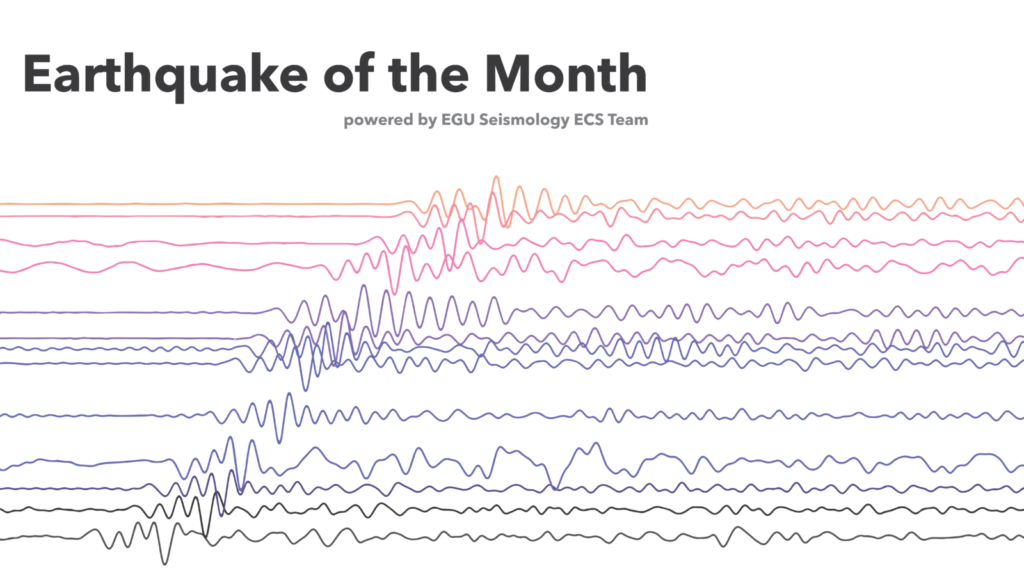
As well as August, September was not highlighted by a large event (> M 7). The TOP 3 strongest earthquakes which occurred during this month correspond to a strike-slip earthquake in the Mid-Atlantic Ridge (M 6.9), an interplate EQ in central-north Chile (M 6.8), and another EQ in a different segment of the Mid-Atlantic Ridge …[Read More]