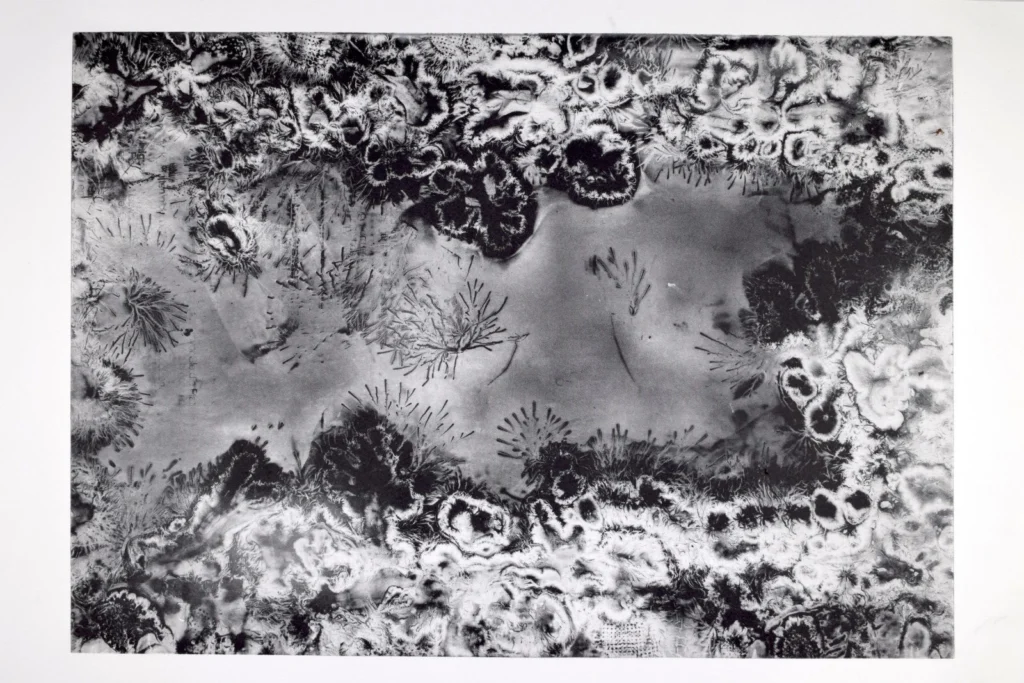
A visualisation of an electrical charge moving through plastic. Machines are used to discharge electricity onto surfaces then metallic powders are used to visualise the static. The image is then exposed onto a photopolymer plate and etched with ink. Is is called the photogravure process. Description by Nicolas Strappini, after the description on imaggeo.egu.eu. …[Read More]
Latest posts
LANDAWARE: the international network on landslide early warning systems
For today’s interview, it gives me great pleasure to host Dr Manfred Stähli, who will tell us about a new initiative in the field of Landslide Early Warning Systems (LEWS), which is attracting the attention and participation of researchers from many countries. This initiative is called LandAware. Manfred is a senior scientist in mountain hydrology, …[Read More]
Podcast conversations about geology with researchers making key contributions to our understanding of the Earth and the Solar System
I have always sought to grasp the widest spatial and temporal context in which we find ourselves. So, after completing a physics degree at Cambridge University, I focused on cosmology and did a PhD on the structure of clusters of galaxies at Oxford University. I then joined the Science Museum, London, where I discovered the …[Read More]
#vEGU21: meet the new EGU Early Career Scientist Representatives!
Each year, at the end of the General Assembly, EGU’s volunteers who have come to the end of their terms go through the handover. This year in our Early Career Scientist (ECS) Division Representatives teams, we have nine new members (or members in a new role) joining us to start their terms volunteering to help …[Read More]
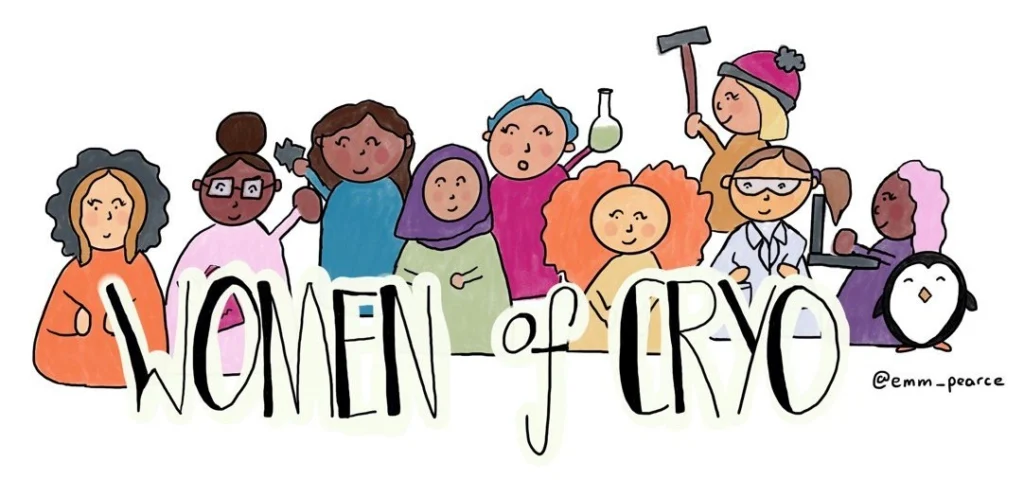
Women of Cryo III: Women monitoring the Peruvian glaciers
The ruins of a hidden majestic city as Machupicchu in Peru immediately call for our attention. However, there are far more beautiful attractions found hidden amongst the landscape, such as the glaciers, high mountains or the cultural heritage in the area. In South America, glacial bodies are geographically restricted to the Andes, the mountain range …[Read More]
The Sassy Scientist – Video Versatility
Lis has been studying, investigating, deconvoluting, cross-correlating, referencing, inverting, plotting, database searching … and whatnot. With just a few synapses still firing at all cylinders and demonstrating an uninterrupted dispense of productivity, she wonders: Should I start my own (geodynamics…?) online video channel? Dear Lis, Why not? Everyone’s not working properly anyways in this day-and-age …[Read More]
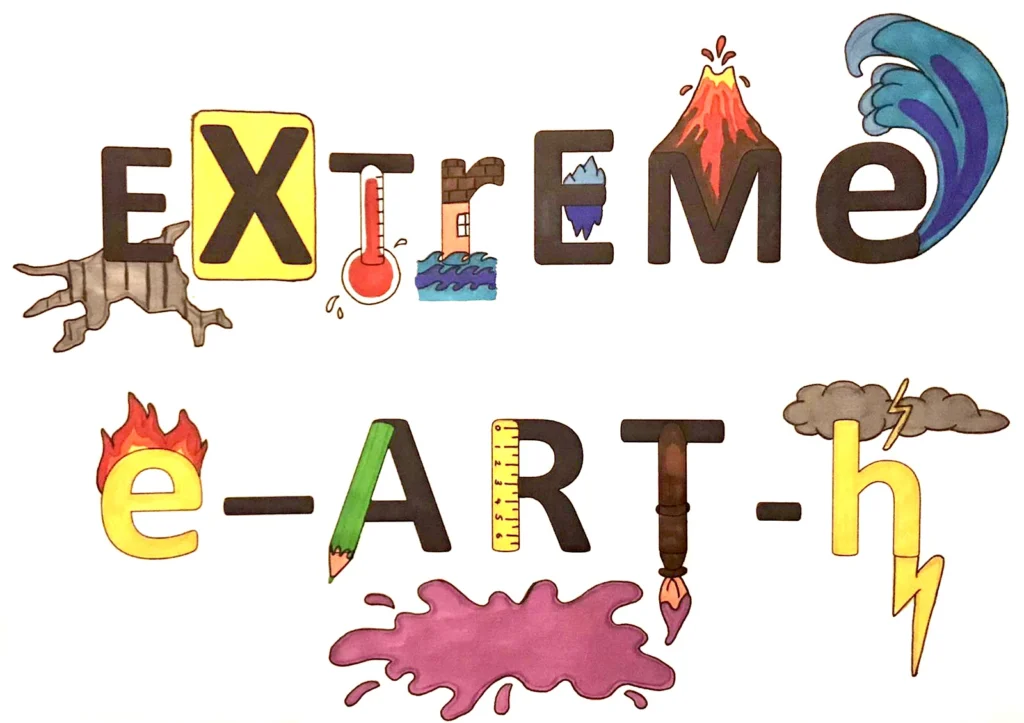
#vEGU21: #EGUartKIDS Hall of Fame – Extreme e-ART-h!
The EGU Kids Art activity normally happens in person in the creche at the conference centre during the General Assembly, but first last year and now this year we have had to move all our activities online instead. Working together – two of our Division Early Career Scientist teams, one from Natural Hazards and one …[Read More]
Cybersecurity at work
In this weeks Wit & Wisdom, revisit some cybersecurity 101 nuggets! We are not even half-way through 2021 and I can list more than a handful of occasions where my cyber-safety, both private and professional, was jeopardised (that I have been made aware of, the actual number is probably much higher). The Dutch research council …[Read More]
TS Must-Read – Platt (1986): Dynamics of orogenic wedges and the uplift of high-pressure metamorphic rocks
Orogens are the locus of intense deformation and metamorphism, mainly caused by convergent tectonics and burial. Yet, deeply buried rocks – metamorphosed at high pressure (HP) – are customarily met at the surface, even in “recent” systems such as the Alps. The long-standing question is naturally “how are these rocks brought back to the surface?” …[Read More]
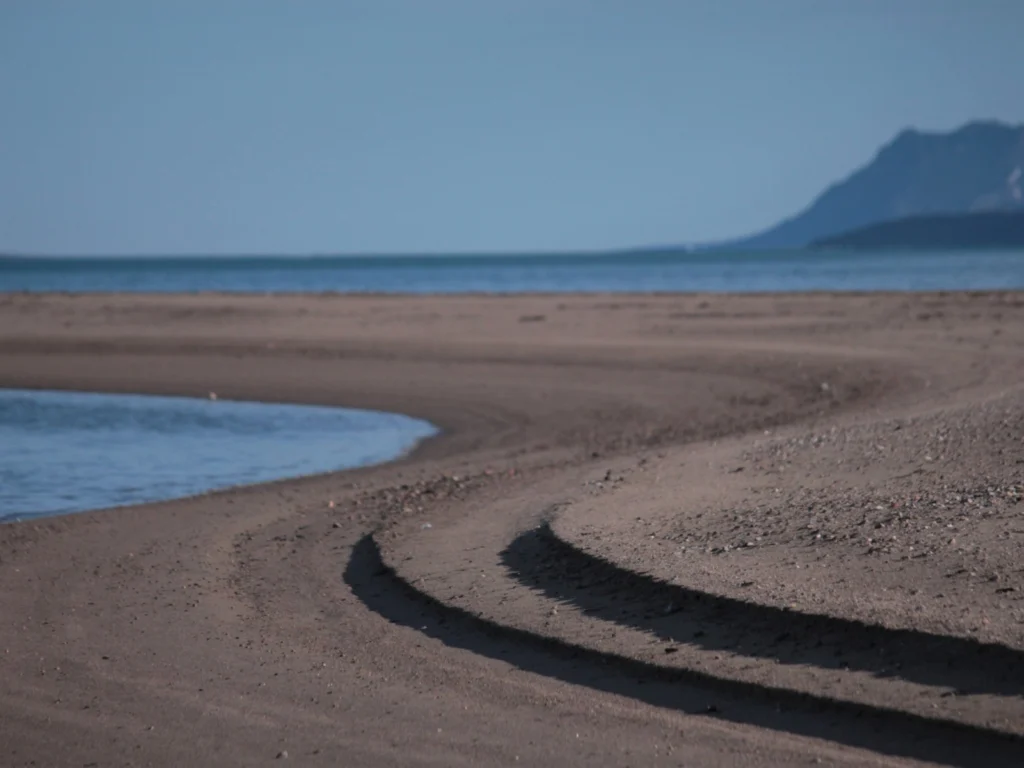
Imaggeo On Monday: Tides at Young Sound
The work of the autumn tides at Young Sound, Northeast Greenland, created a fine sand artwork just before the freezing in of the fjord with the approaching winter. Due to the changing sediment of the nearby Zackenberg river, the local coastal erosion is an object of great recent investigations. Description by Maria Scheel, after …[Read More]