EGU Blogs

Latest posts

NH
Natural Hazards

Geoscience communication series: a blogging survival kit
Geoscience communication series: a blogging survival kit
Science communication is the practice of informing and inspiring the public about scientific knowledge. It comes in different forms, from documentaries, books, academic publishing, mass media journalism, to public talks. These days, digital communication, including blogging, vlogging, podcasting, and social media, has become an increasingly popular form of science communication, reaching a wide audience. But …[Read More]

CR
Cryospheric Sciences

The Polar Amplifier

The Polar Amplifier

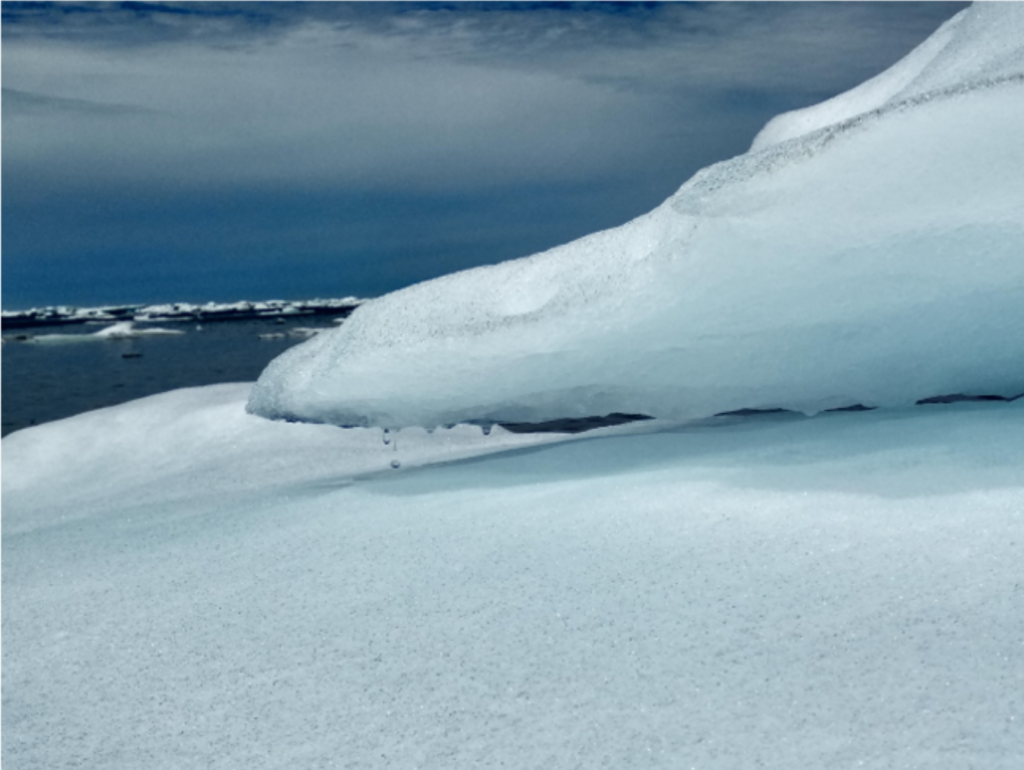
It’s no secret that the Arctic is warming faster than the rest of the planet, but why? Polar Amplification (often called Arctic Amplification) is the mechanism at play. In this week’s blog, we find out about its origins and why it happens. Early Discoveries In 1969, Russian scientist Mikhail Budyko and US scientist William Sellers …[Read More]

GD
Geodynamics

AGU times

AGU times

The first hybrid AGU meeting has everything one expects from the AGU – a long line to the registration desk and, a mile walk between the two ends of the conference hall, a large exhibit hall with NASA and their most-desirable calendars at the nexus, and our favorite poster hall to “network” with others – …[Read More]

NP
Nonlinear Processes in Geosciences

NPG Paper of the Month: “Comparing estimation techniques for temporal scaling in palaeoclimate time series”

The NPG paper of the month of July was awarded to Comparing estimation techniques for temporal scaling in palaeoclimate time series by Raphaël Hébert, Kira Rehfeld and Thomas Laepple (https://doi.org/10.5194/npg-28-311-2021). Raphaël Hébert is currently a post-doctoral researcher at the Alfred-Wegener-Institut in Potsdam (Germany) in the Earth System Diagnostics group of Thomas Laepple, where he also …[Read More]

GeoLog

Imaggeo On Monday: Ice caves in high altitude karstic areas

Imaggeo On Monday: Ice caves in high altitude karstic areas

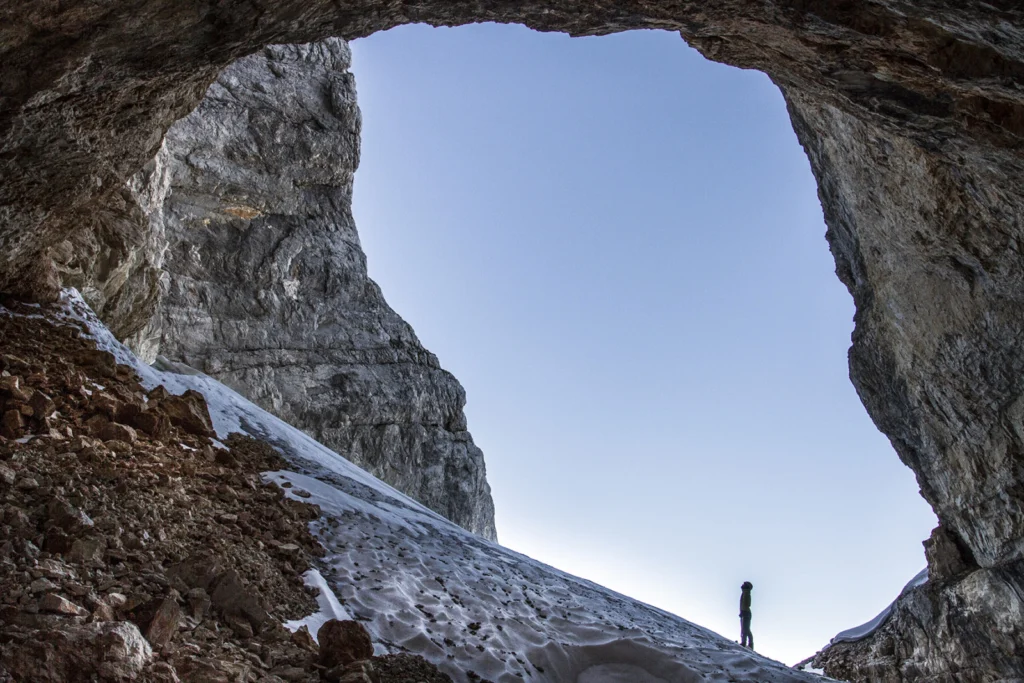
High altitude karstic environments often preserve permanent ice deposits within caves, representing a lesser-known portion of the cryosphere. Despite being not so widespread and easily reachable as mountain glaciers and ice caps, ice-caves preserve a great deal of information about past environmental changes and paleoclimatic evolution. Since one of their main characteristics is to have …[Read More]