
This was originally posted on James Lewis’ personal blog at: http://marsblogger.wordpress.com/2014/12/08/minerals-and-the-search-for-life-on-mars/ (Re-posted with permission) Understanding if life could ever have existed on Mars is one of the most challenging scientific questions facing us in the 21st Century. We know that the Martian surface at present is an arid environment bombarded with ...[Read More]
Geology for Global Development
#EGU15 – Some Sessions of Interest (1) – Education, Communication and Ethics
We’re expecting a strong GfGD presence again at the European Geosciences Union General Assembly in 2015. We note below a number of relevant sessions that our readers may like to get involved with. Deadline for abstracts is 7th January 2015. NH9.4/EOS19 **Natural Hazards Education, Communications and Policy-Practice Interface** This session addresses how we communicate and educate students, t ...[Read More]
Four Degrees
Geology and the Autumn Statement
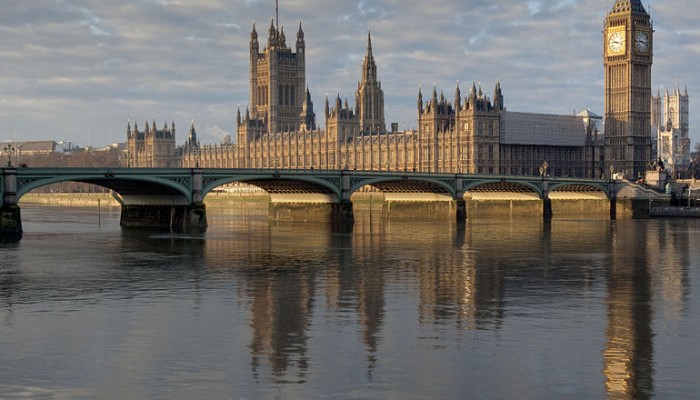
So George Osborne donned the ceremonial red briefcase on wednesday and took to the helm in the House of Commons (rather inconsiderately while I was in Brussels and couldn’t follow the news…) to deliver the Autumn Statement, one of the two statements that the HM Treasury makes each year to Parliament upon publication of economic forecasts (the other being the Budget which is normally an ...[Read More]
Geology for Global Development
Images of Guatemala (7) – Volcano Art
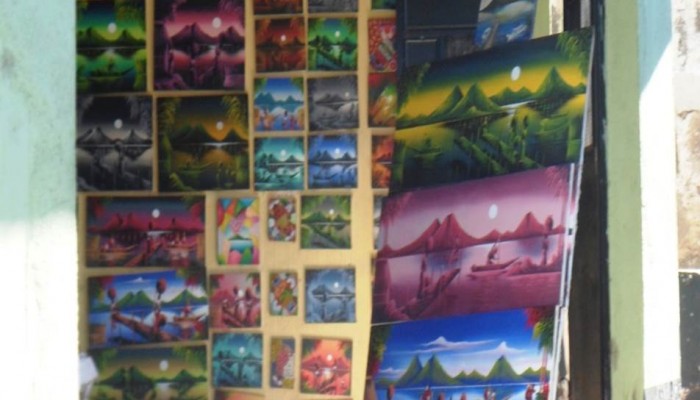
The dramatic landscapes of Guatemala are an important source of inspiration for some of the creative arts being produced in Guatemala. The images above (from top to bottom) a shop selling paintings aimed at the tourist market, a wall painting as part of a commercial advertisement, and my own purchased collection of three hand painted ‘volcano’ tiles from a local artist based around Lak ...[Read More]
Geology Jenga
Sharing my new discovery – aquatic plants are (sometimes) suitable for radiocarbon dating!
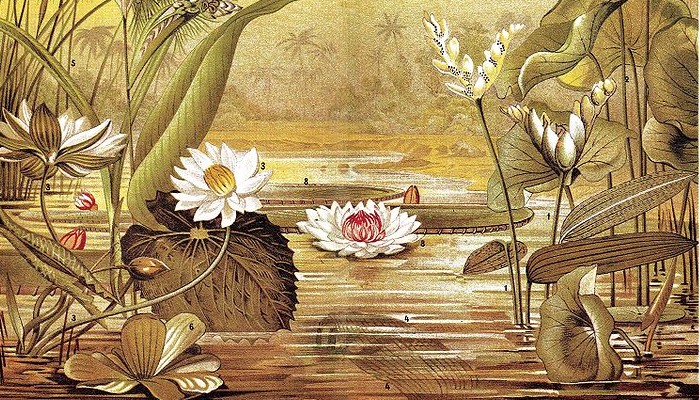
Radiocarbon dating is probably the most well-known chronological technique regularly employed by archaeologists, geomorphologists and researchers analysing sediment cores. Palaeolimnologists (those who study lake sediments) hoping to determine the age of a sample extracted from a long sediment core traditionally seek terrestrial plant macrofossils (fragments of organic matter visible without a mic ...[Read More]
VolcanicDegassing
The fate of volcanic ash in the environment
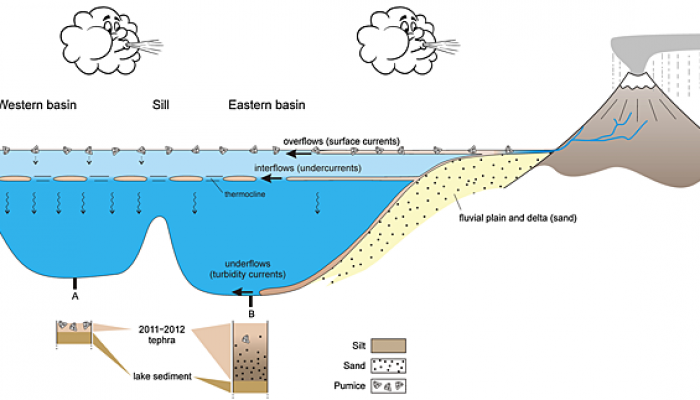
Over the past few years, we have been working to piece together the record of major post-glacial volcanic eruptions in southern Chile that have occurred over the past 18,000 years. This work started off with a search for volcanic ash layers that were preserved in road cuttings, or cliff faces other accessible geological locations in the region. Since then it has expanded to include the search for ...[Read More]
Between a Rock and a Hard Place
PhD reflections: Sorcha
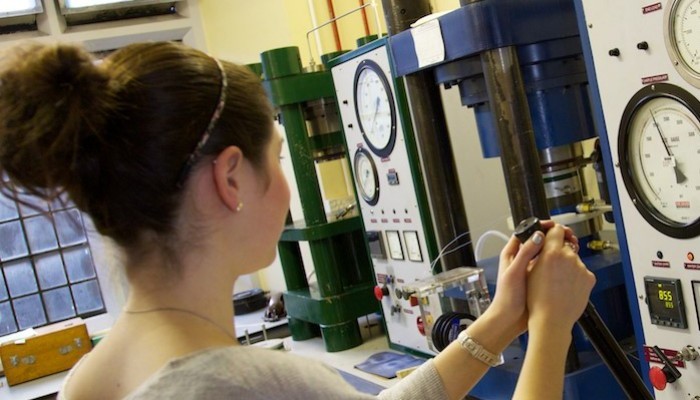
Between a Rock and a Hard Place began as an Earth Science PhD blog in February 2013, as a place to ramble on about PhD life and general science topics. Almost two years later, some of the contributors have finished, others have submitted, and the rest are nearing the end. Over the next few weeks, the BaR contributors will be sharing some reflections on their PhD experiences. Taken from an original ...[Read More]
Polluting the Internet
The dark side of the atmosphere: the blog awakens
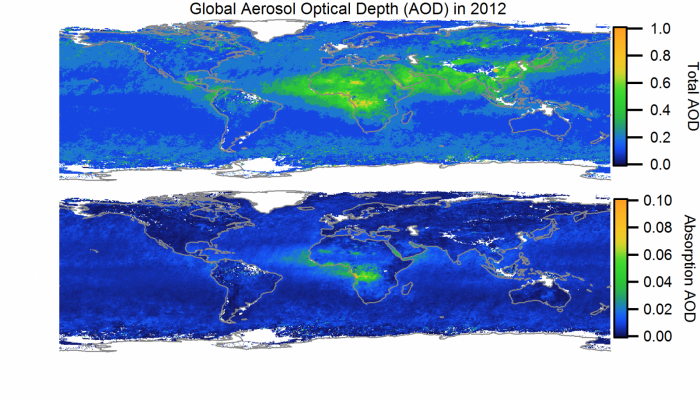
Aerosol particles come in lots of different flavours and one of their most important properties is how they deal with incoming sunlight. Some are rather unwelcoming and send sunlight back to whence it came (space), which leads to a cooling of the atmosphere as the sunlight doesn’t reach the surface of the Earth. Others offer sunlight a warm(ing) embrace and absorb it, which heats up the atmo ...[Read More]
GeoSphere
Shades of L’Aquila: Italian Geochemists avoid Huge Miscarriage of Justice
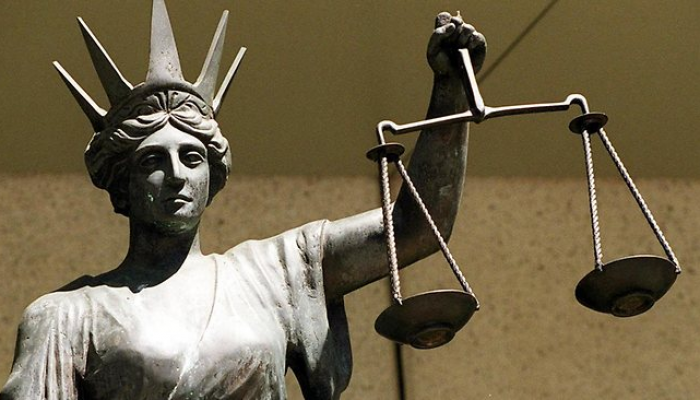
On rare occasions I hear about a story that must be told. This story is one of those and I feel that it deserves attention from the broader geoscience community. We have all heard of the L’Aquila verdict against the Italian seismologists concerning the devastating earthquake in 2009. If you haven’t, read these articles by Chris Rowan. At the time the guilty verdict was handed down the ...[Read More]
Geology for Global Development
Guest Blog: GfGD UCL Event Report
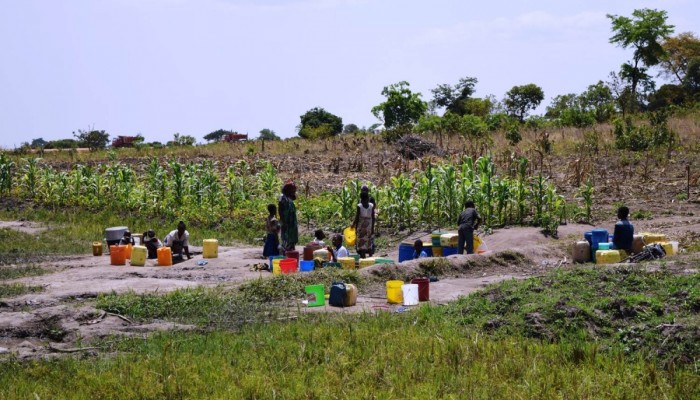
Celia Willoughby, UCL Geography student and GfGD Ambassador, writes about a recent event… Wednesday 19th November, saw the first UCL GfGD lecture of the year, taken by guest speaker Prof. Richard Taylor. Professor of hydrogeology in UCL’s Geography Department, his most recent focus of research is the study of groundwater, and the effects of climate change on groundwater supplies. The a ...[Read More]