
Whilst geologists are often trained in the technical aspects of natural hazards, our courses are often devoid of information on what causes disasters, how we can better avoid them and effective disaster management. Recent events in Nepal highlight that hazard does not simply equal disaster, but that we must understand what drives exposure and vulnerability to be so high in certain parts of the wor ...[Read More]
Geology for Global Development
Guest Blog: Exploring Land Use in Guatemala
Jane Robb is GfGD’s University Groups Training Programme Officer, and a new PhD student at the Natural Resources Institute, University of Greenwich. Jane has just returned from Guatemala, where she was meeting with community groups and exploring land use issues. Here she shares some of the highlights of her trip with us. In 2014 I started my PhD in Natural Resources at the Natural Resources ...[Read More]
Geology for Global Development
Blog Break
We’ll be taking a break from blogging for the next fortnight. Don’t forget you can find a wide range of articles in our archives on topics from water, hazards, disasters and more.
Geology for Global Development
Nepal Earthquake – Further Reading
At the weekend we published a selection of reading on the geological and humanitarian aspects of the Nepal earthquake. Over recent days much has been written reflecting on aspects of disaster relief and learning lessons as soon as possible from this awful event, to reduce the impact of future geohazards. These articles are accessible and give geoscientists much to consider: Ilan Kelman (UCL IRDR) ...[Read More]
Geology for Global Development
Disasters Emergency Committee – Nepal Earthquake Appeal
In the coming weeks there’ll be time for reflection, for debate, for advocacy to build back better. Today the priority has to be ensuring a swift and effective response – getting clean water, food, shelter, medical aid to those that desperately need it. The UK Disasters Emergency Committee is a collective of UK development organisations, working together in emergency situations. They l ...[Read More]
VolcanicDegassing
Volcán Calbuco: what do we know so far?
Detailed assessments of what happened during the April 22-23 eruption of Calbuco, Chile, are now coming in from the agencies responsible for the scientific monitoring of the eruption (SERNAGEOMIN) and for the emergency response (ONEMI). The volcano is well monitored and accessible, and as a result there has been a great deal of high quality information, and imagery, made available very quickly. In ...[Read More]
VolcanicDegassing
Taking the pulse of a large volcano: Mocho-Choshuenco, Chile
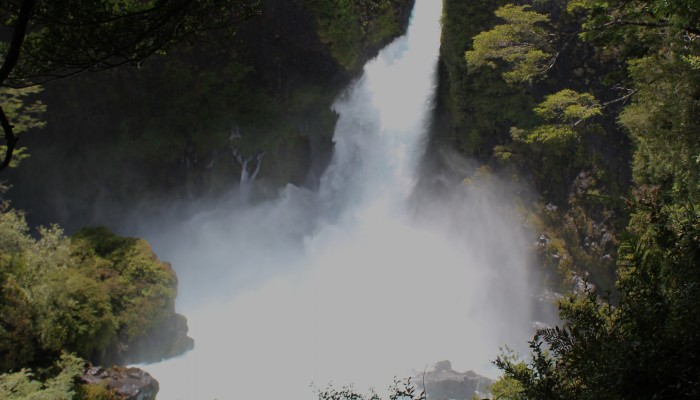
As the recent eruptions of Calbuco and Villarrica in southern Chile have shown, the long arcs of volcanoes that stretch around the world’s subduction zones have the potential to cause widespread disruption to lives and livelihoods, with little or no warning. Fortunately, neither of these eruptions has, so far, led to any reported loss of life – but the consequences of these eruptions ...[Read More]
An Atom's-Eye View of the Planet
Why Kathmandu was so vulnerable
The magnitude 7.9 earthquake that hit Nepal this morning is shocking news. For some time scientists have realised that the Kathmandu valley is one of the most dangerous places in the world, in terms of earthquake risk. A combination of high seismic activity at the front of the Tibetan plateau, poor building standards, and haphazard urbanisation have come together today with fatal consequences. The ...[Read More]
Geology for Global Development
Tragedy in the Himalaya – Largest Earthquake for 80 years in Nepal
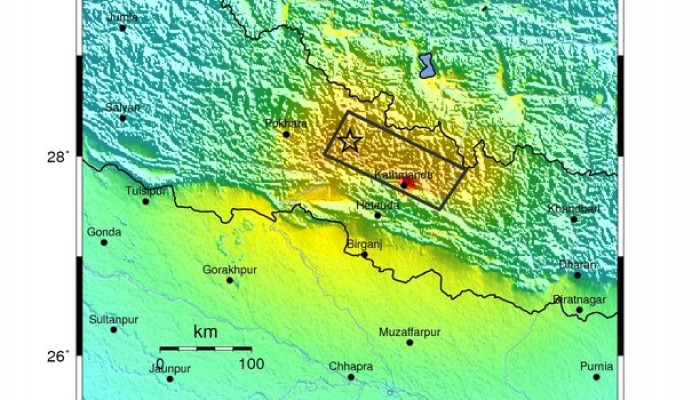
(Updated: 27th April 2015) Almost all of you will have seen the tragic news coming from Nepal. A magnitude 7.8 earthquake struck the region between Pokhara and Kathmandu, with at least 1000 killed at the time of writing. This number is likely to go up in the coming hours and days as the true extent of the devastation becomes apparent. Here we note some recommend reading and news sources on the eve ...[Read More]
VolcanicDegassing
Calbuco erupts. April 22, 2015.
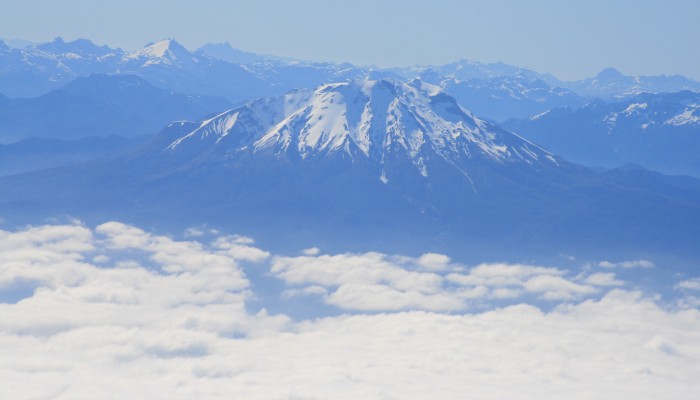
Volcan Calbuco, which burst into eruption on April 22nd, is one of more than 74 active volcanoes in Southern Chile that are known to have erupted during the past 10,000 years. Unlike its photogenic neighbour, Osorno, Calbuco is a rather complex and rugged volcano whose eruptive record has posed quite a challenge for Chilean geologists to piece together. The little that we do know about Calbuco’s e ...[Read More]