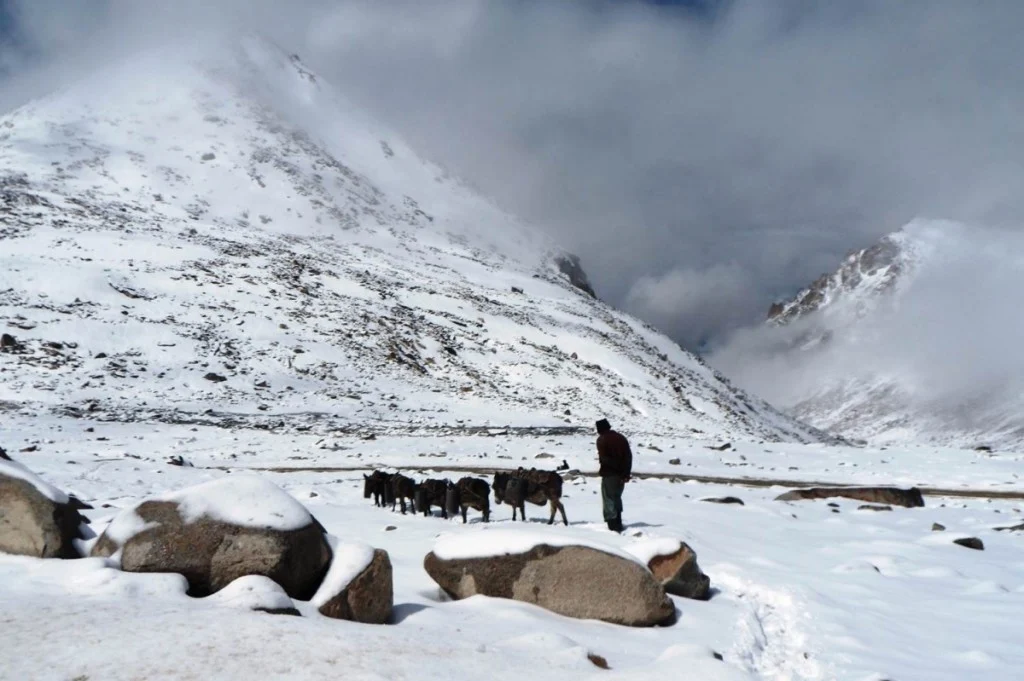
Figure 1: A man herds his livestock in remote, high altitude, snowy conditions in Ladakh. This post first appeared on GeoEd Trek (AGU Blogs) on December 22nd 2014. It has been slightly modified below, given the deadline for EGU Abstracts has now passed, to include the latest information available about this session. Ladakh is …[Read More]
Geohazards
Images of Guatemala (9) – Conflict and Disasters
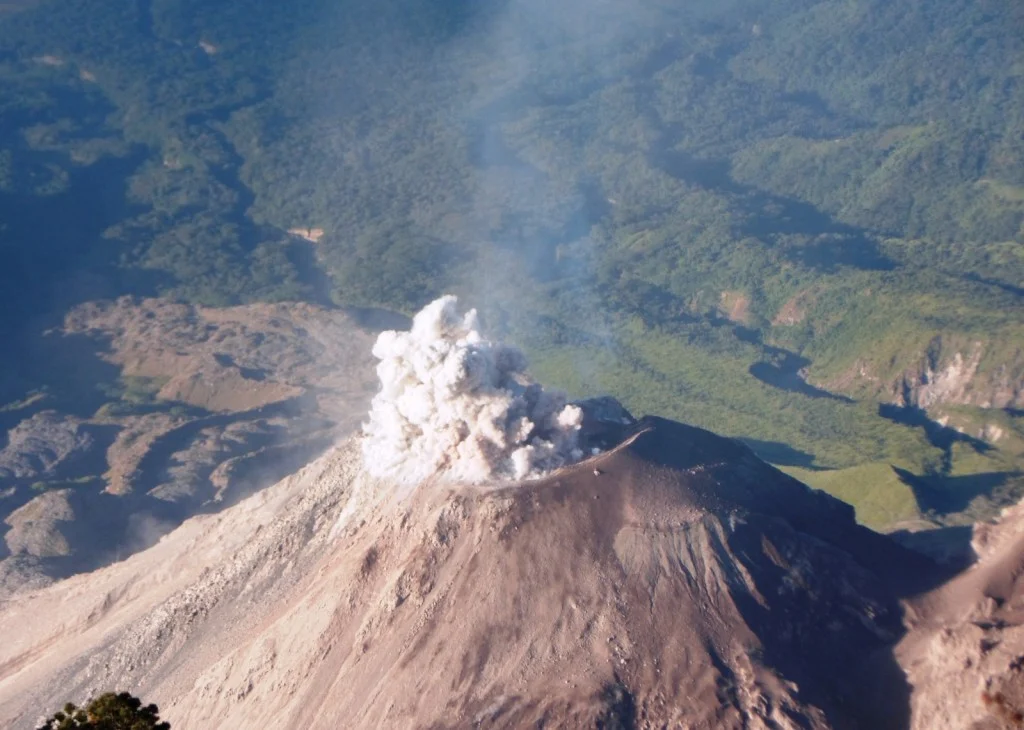
Until 1996, Guatemala was in the midst of a brutal Civil War. This sculpture in the Presidential Palace of Guatemala City is a reminder of that troubled past and symbolic of a hopeful peaceful future. In the same way that conflict/disasters can hamper and set-back development efforts, conflict can also set-back disaster risk reduction and management. …[Read More]
How ‘Natural’ is a ‘Natural Disaster’?
‘Natural disasters’ is a phrase widely used by the geoscience community but how accurate is it? Given the human and societal factors that create a disaster, it has been highlighted that there is no such thing as a natural disaster. Is this simply a convenient phrase that recognises the contribution of natural processes (e.g., earthquakes), are we …[Read More]
#EGU15 – Some Sessions of Interest (2) – Natural Hazards and Society
We’re expecting a strong GfGD presence again at the European Geosciences Union General Assembly in 2015 and look forward to meeting some of you there. Last week we noted some great sessions on natural hazards education, communications and geoethics (all with exemption from abstract processing charges). Here we note some sessions from the ‘Natural Hazards and Society’ session …[Read More]
Images of Guatemala (8) – Volcanic Observatories
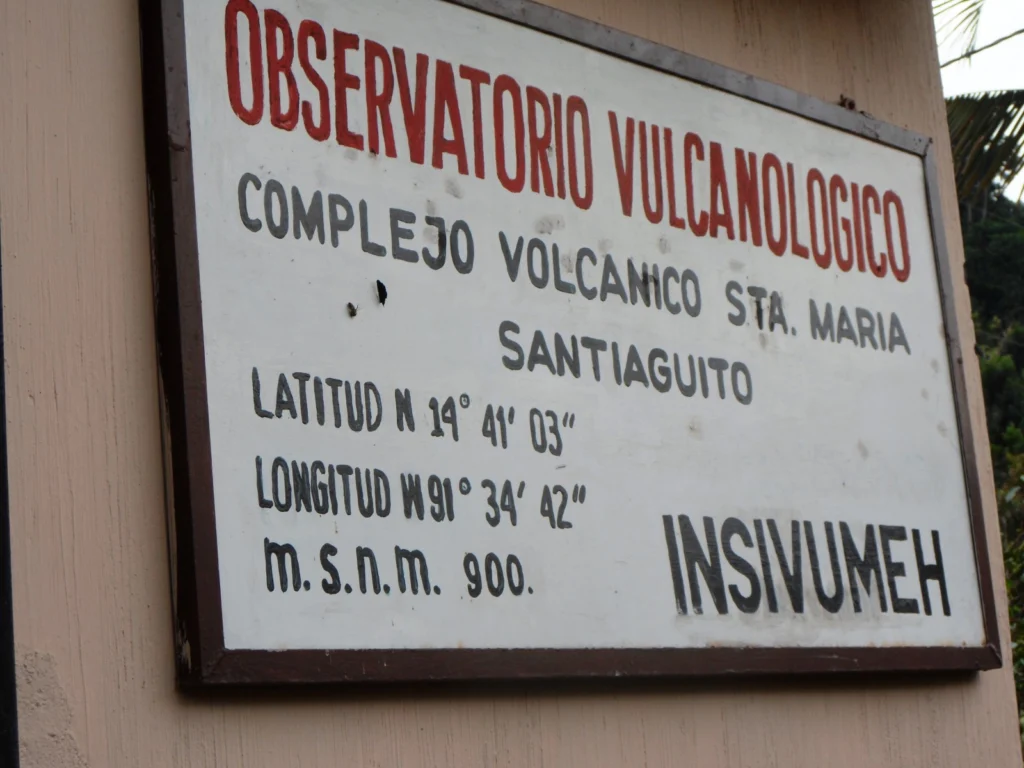
The volcanic observatories, run by the National Institute for Seismology, Volcanology, Meteorology and Hydrology (INSIVUMEH), are based close to Guatemala’s active volcanoes, including Fuego and Santiaguito. Observers, located at each observatory, make observations and work with those in the local community to share information about the volcano. Our fundraising project will be working to strengthen …[Read More]
Images of Guatemala (7) – Volcano Art
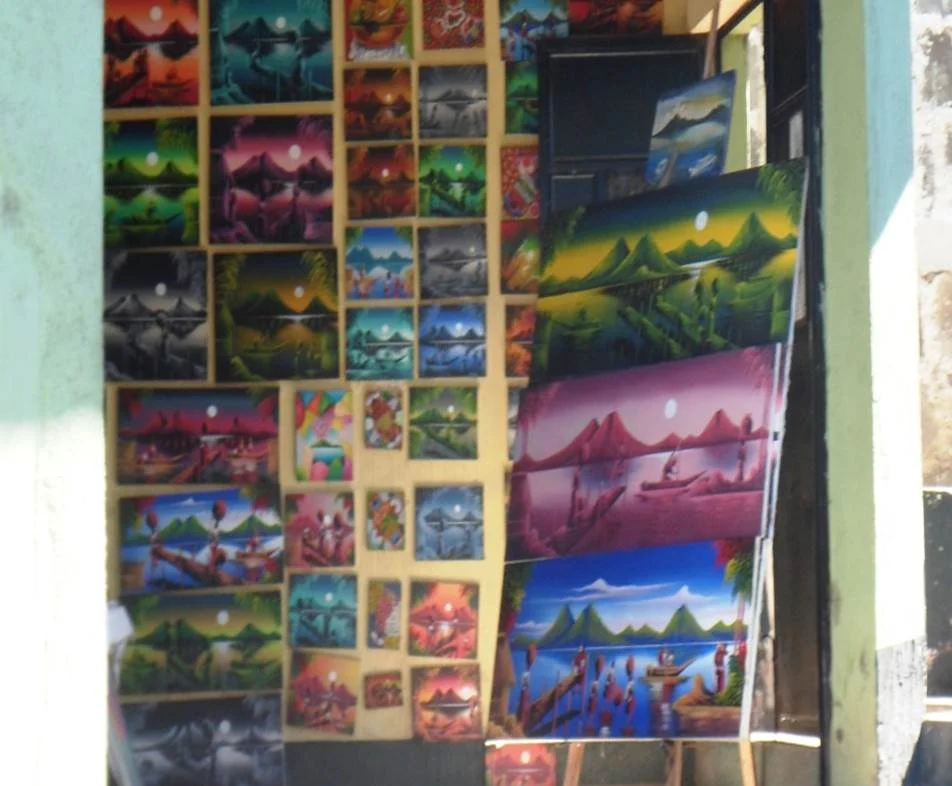
The dramatic landscapes of Guatemala are an important source of inspiration for some of the creative arts being produced in Guatemala. The images above (from top to bottom) a shop selling paintings aimed at the tourist market, a wall painting as part of a commercial advertisement, and my own purchased collection of three hand painted ‘volcano’ …[Read More]
#EGU15 – Natural Hazards Education, Communications and Science-Policy-Practice Interface
Below we’ve listed details of a session that will be of interest to many of you at the EGU General Assembly, in Vienna, next spring. Many postgraduates and academic staff from across the UK and beyond attend this event, sharing details of the latest research they have been doing. The convenors of this session, including …[Read More]
Images of Guatemala (4) – Fiesta at Lake Atitlan
Fiesta at Lake Atitlan, Guatemala. Guatemala is a country with many volcanic hazards, as shown in some of the previous images in this series, but also a country rich in culture and traditions. The image above was taken at the annual fiesta in San Pablo, a small town on the edge of Lake Atitlan. During the …[Read More]
Images of Guatemala (3) – Lahar Deposits at Fuego
Lahars at Volcan de Fuego, Guatemala. This image captures a lahar [mudflow] deposit close to Volcan de Fuego. These deposits are formed when rain mobilises ash and pyroclastic material on the volcano to form a fast moving, powerful mudflow with the ability to transport material including large boulders. As the energy dissipates, the sediment is deposited as …[Read More]
Images of Guatemala (2) – Pyroclastic Flow Deposits
Pyroclastic Flow Deposits close to Volcan de Fuego, Guatemala. The scale of these deposits, formed in 2012, can be seen against the scale of the person standing in the background [dark line, just above the red shrub]. Pyroclastic flows, alongside lahars, are two of the most significant and destructive volcanic hazards associated with Volcan de Fuego. …[Read More]