

This article was originally published online by Geoscientist, the independent fellowship magazine of the Geological Society of London. Afghanistan has been in the news for as long as I can remember, normally as a place of conflict and almost never as a place of diverse landscapes, resources and culture. In 2011, however, I was invited to join a workshop in Leicester on higher education in Afghanis ...[Read More]
World Water Day 2015
Today is World Water Day, with a special focus on water and sustainable development. Water is a fundamental human need, used for drinking, washing, cooking and sanitation. Yet it is estimated that nearly 800 million people lack access to clean water. More people on the planet own mobile phones than have access to flushing toilets. In the past I’ve seen many places where people have to colle ...[Read More]
EGU15: Natural Hazards Education, Communications and Science-Policy-Practice Interface
As we approach the EGU General Assembly (12-17th April 2015), we share one particular session of interest with you – focusing on natural hazards education, communications and the interface between science-policy-practice. Please share this image with anybody who may be interested, and submit your ideas/topics/questions for our discussion session online here.
HFA2: News, Blogs and Resources
From 14-18th March, disaster professionals, politicians and other stakeholders will be gathering in Sendai (Japan) at the UN World Conference on Disaster Risk Reduction (WCDRR). The aim of the meeting will be to agree upon the final text to replace the Hyogo Framework for Action, the UN guidelines for action on disaster risk reduction and strengthening resilience. Today’s post collates some key ba ...[Read More]
HFA2: Let’s define what we mean by ‘multi-hazard’…
From 14-18th March, disaster professionals, politicians and other stakeholders will be gathering in Sendai (Japan) at the UN World Conference on Disaster Risk Reduction (WCDRR). The aim of the meeting will be to agree upon the final text to replace the Hyogo Framework for Action, the UN guidelines for action on disaster risk reduction and strengthening resilience. Today’s post, adapted from ...[Read More]
Introducing our new DRR Blog Columnist…
A significant way that geologists contribute to international development is through their work on natural hazards (e.g., earthquakes, landslides, volcanic eruptions) and subsequent contribution to disaster risk reduction (DRR). As such we’re delighted to welcome Clare Sweeney to our blog team – to write specifically about all things hazard and disaster. Clare is a recent graduate of B ...[Read More]
HFA2: Understanding hazards or disasters
From 14-18th March, disaster professionals, politicians, UN representatives and many other stakeholders will be gathering in Sendai (Japan) at the UN World Conference on Disaster Risk Reduction. The aim of the meeting will be to agree upon the final text to replace the Hyogo Framework for Action, the UN guidelines for action on disaster risk reduction and strengthening resilience. At our first ann ...[Read More]
EGU15 – GfGD Events and Information
Effective International Engagement (1) – Introduction
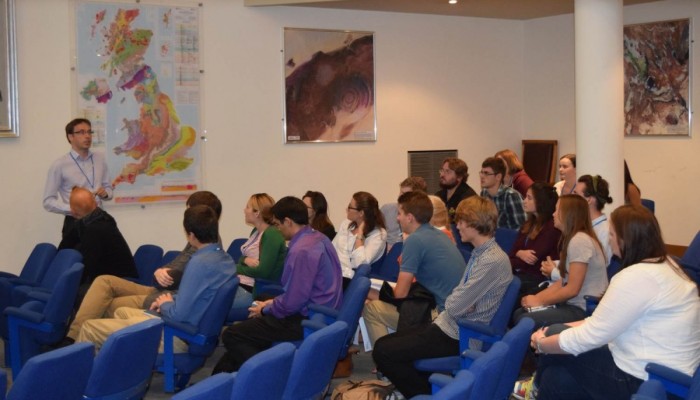
Many geologists will have to, and indeed want to, work overseas at some point in their careers. The global opportunities offered by research and working within the geosciences is a big attraction when deciding to study geology and join the profession. In many cases working internationally will often mean partnering with host-country agencies and industries (e.g., universities, geological surveys, ...[Read More]
EGU15 – Natural Hazards Education and Communications
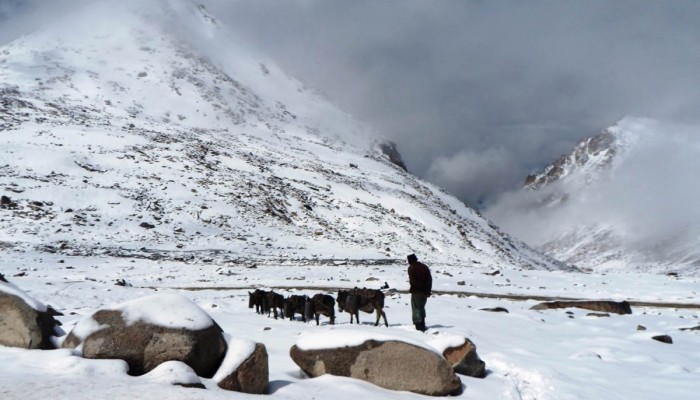
Figure 1: A man herds his livestock in remote, high altitude, snowy conditions in Ladakh. This post first appeared on GeoEd Trek (AGU Blogs) on December 22nd 2014. It has been slightly modified below, given the deadline for EGU Abstracts has now passed, to include the latest information available about this session. Ladakh is a remote and beautiful Himalayan region in the north of India (Figure ...[Read More]