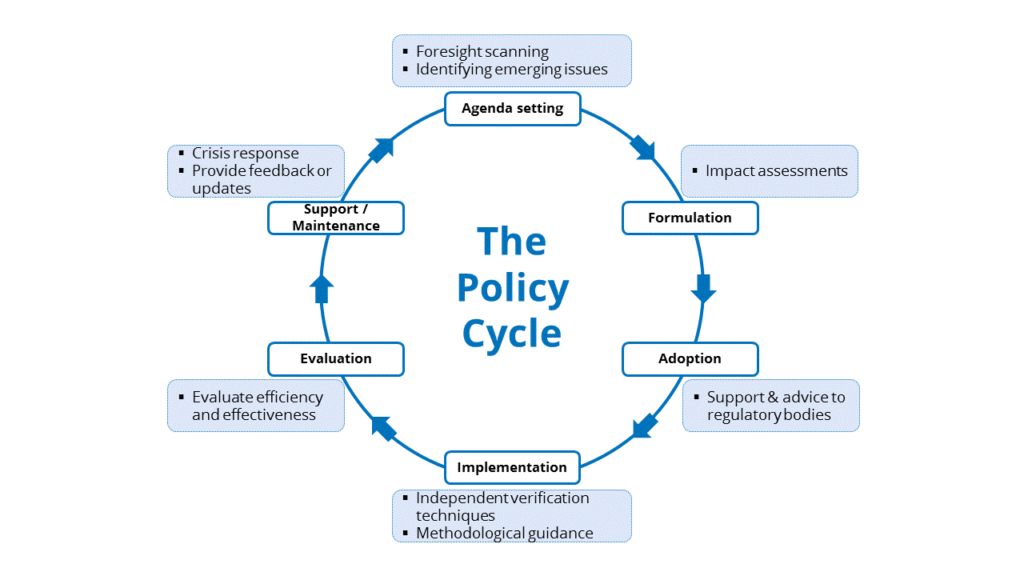
One way to improve the impact of your scientific research is to engage with policy. Doing so can create new opportunities for yourself and your research. The main challenges are knowing when and how to effectively communicate scientific results to policy. If the wrong timing or communication method is chosen then results are less likely …[Read More]
science policy
Geosciences Column: The World’s soils are under threat
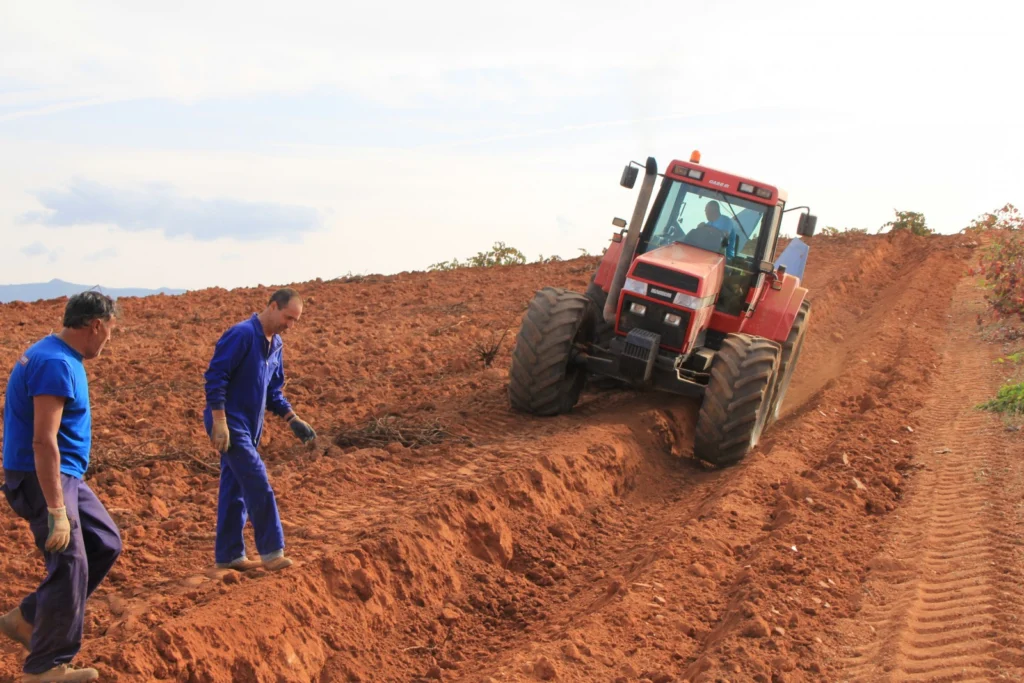
An increasing global population means that we are more dependant than ever on soils. Soils are crucial to securing our future supplies of water, food, as well as aiding adaptation to climate change and sustaining the planet’s biosphere; yet with the decrease in human labour dedicated to working the land, never have we been more …[Read More]
GeoPolicy: 8 science-based projects improving regions in the EU
As scientists, it can sometimes be difficult to see the real-world implications of some of our research. Concepts can often seem abstract and remote when sitting in a lab or taking field measurements. But researching the Earth sciences can have profound effects on global society. Understanding how the natural world works can help protect and …[Read More]
GeoPolicy: What’s next for the IPCC & how can early career scientists get involved? An interview with Valérie Masson-Delmotte
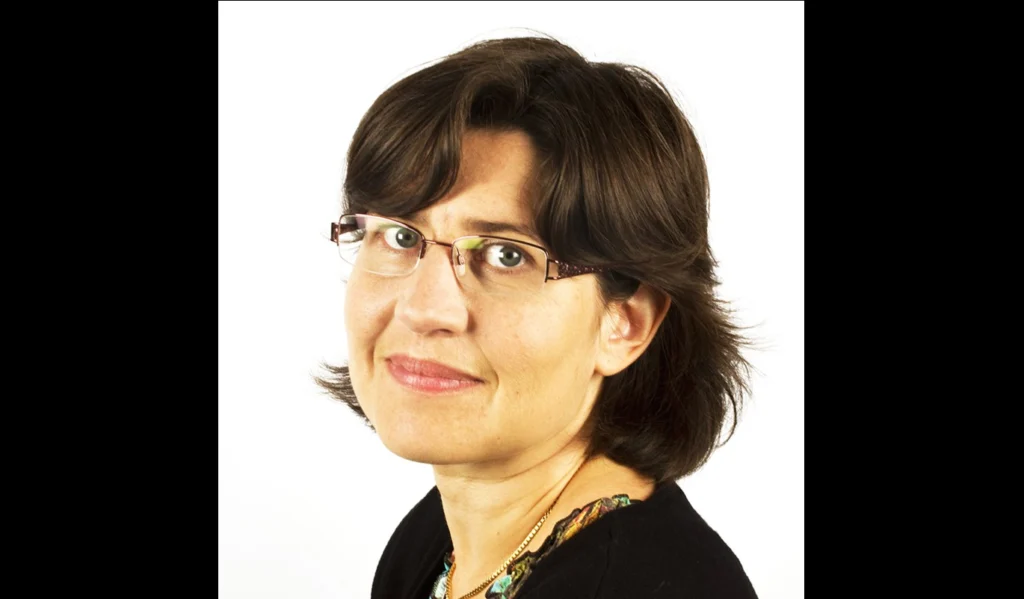
This month’s GeoPolicy post is an interview with the newly-appointed co-chair of the Intergovernmental Panel on Climate Change (IPCC) Working Group 1 (WG1): Valérie Masson-Delmotte. Valérie is also a Principle Investigator at the Laboratoire des Sciences du Climat et de l’Environnement, Paris. In this interview she discusses how she balances her two roles, what the …[Read More]
GeoPolicy: How to communicate science to policy officials – tips and tricks from the experts
The EGU General Assembly was bigger than ever this year. Over 16,500 people attended more than 500 sessions. Although many sessions featured policy-relevant science, the short course entitled ‘Working at the science policy interface‘ focused purely on the role of scientists within the policy landscape. For those of you that couldn’t attend, this month’s GeoPolicy post …[Read More]
GeoPolicy: Hazards, climate impacts, resources – Supporting science-based policy at EGU16
As researchers, we spend a lot of time and energy trying to extend the limits of our scientific knowledge, but how much of our new findings can be translated into policies, and what are the best practices for doing this? A multitude of science-policy-related sessions are scheduled at this year’s general assembly (GA), spanning most …[Read More]
GeoPolicy: Assessing environmental and social impact – applying policy in big industry
Former EGU Science Communications Fellow Edvard Glücksman is our second guest blogger for the newly established EGUPolicy column. Edvard is a Senior Environmental & Social Specialist at the UK-based consultancy Wardell Armstrong and an External Stakeholder Affiliate at the University of Exeter. He describes his work along the research-policy-industry interface. The collapse of a wastewater …[Read More]
GeoPolicy: An expert discussion on ozone – working at the science-policy interface
Erika von Schneidemesser is our first guest blogger for the newly established EGUPolicy column. Erika is a Research Scientist at the Institute for Advanced Sustainability Studies based in Potsdam, Germany. Her post gives an insight into working at the science-policy interface by describing a recent project she has been involved in. As scientists and researchers …[Read More]
GeoTalk: Catharina Landström on the safe storage of nuclear waste
Following Science in Public 2013 I had the pleasure of talking to Catharina Landström about the social and technical challenges to the geological disposal of high-level radioactive waste… Could you introduce yourself and let us know what propelled you into a project looking at the issues surrounding geological disposal of radioactive waste? Specialising in Science …[Read More]