Last week, the EGU Science Policy Fellow packed her bags and flew to Brussels. Now this wasn’t to sample some of the fine beers Belgium has to offer, but to attend the 2nd International Network on Government Science Advice (INGSA) Conference. This conference, co-organised by INGSA and the European Commission, aimed to discuss the major …[Read More]
science communication
This calls for a celebration: GeoLog’s 1000 post!
As far as blogging milestones go, today is pretty special. This is GeoLog’s 1000 post! Since the EGU’s official blog launched back in March 2010 (that’s right, there’s over 6 years of back catalogue for you to enjoy!), we’ve shared posts about research spanning almost every discipline in the Earth sciences; highlighted member’s adventures in …[Read More]
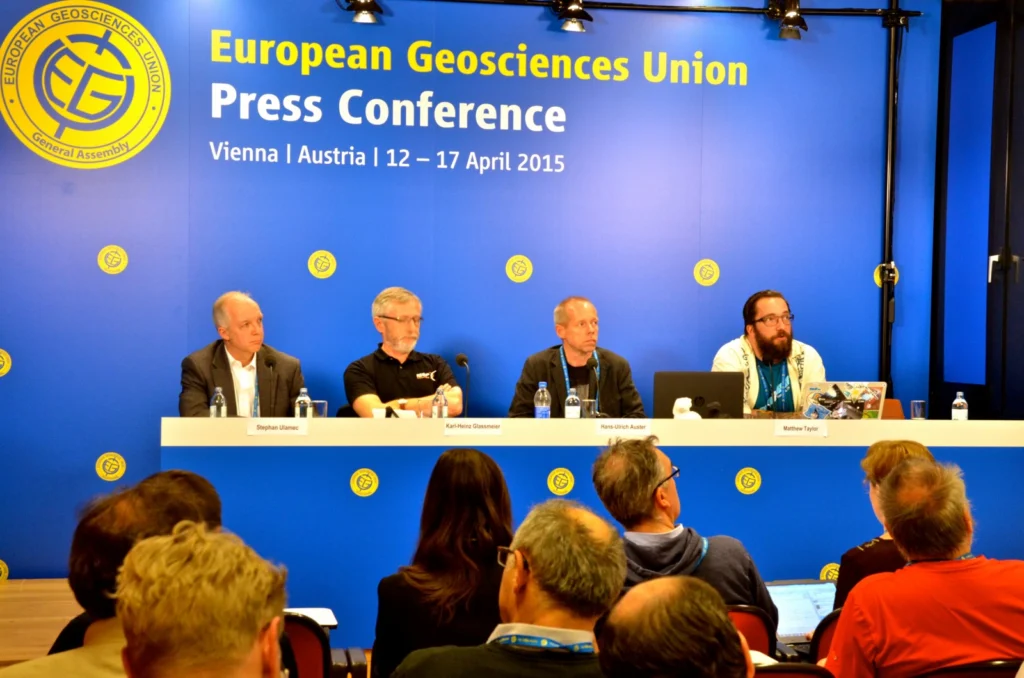
Stop the press!: How to pitch your research to a journalist or editor
Why does some research make it into the main stream media, while so many stories languish in the expanse between the lab bench and research papers? The answer isn’t straightforward. A variety of factors come into play: is the research newsworthy; is it timely; does it represent a ground-breaking discovery; or is it of human …[Read More]
My film is ready, now what?
It’s no secret that at EGU we believe using film as a medium to communicate science and engage the public with research is a great tool! So much so that we organise an annual competition for early career scientists (ECS) to produce a three-minute video to share their research with the general public, as well …[Read More]
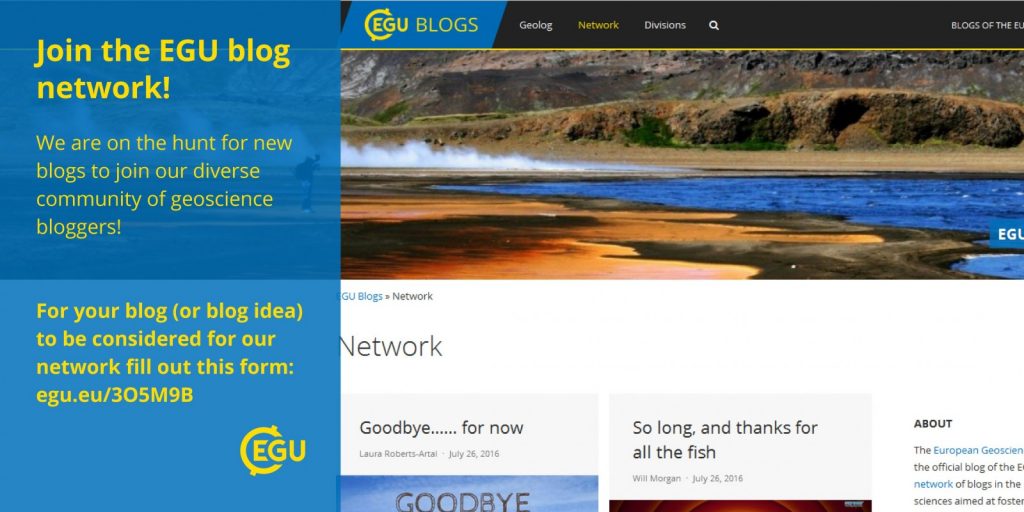
Revamping the EGU blog network: call for bloggers
The EGU blog network is getting a make-over! Since 2013 the network blogs have enjoyed thought-provoking and engaging contributions by Simon Redfern, Dan Schillereff and Laura Roberts, Jon Tennant, as well as Will Morgan on a range of topics: from the workings of the inner Earth, through to geomorphology, palaeontology and air quality. However, the …[Read More]
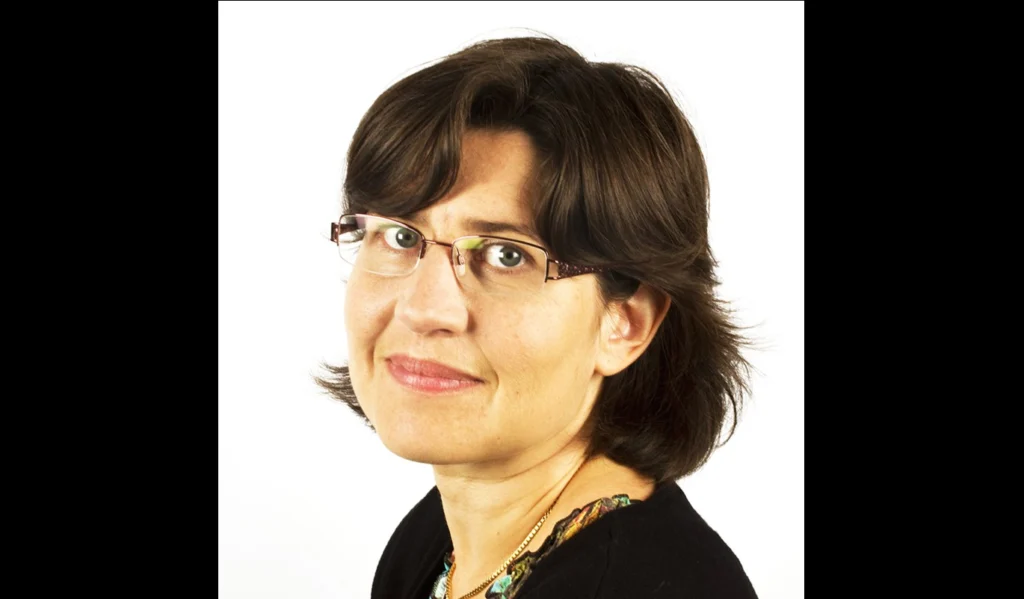
GeoPolicy: What’s next for the IPCC & how can early career scientists get involved? An interview with Valérie Masson-Delmotte
This month’s GeoPolicy post is an interview with the newly-appointed co-chair of the Intergovernmental Panel on Climate Change (IPCC) Working Group 1 (WG1): Valérie Masson-Delmotte. Valérie is also a Principle Investigator at the Laboratoire des Sciences du Climat et de l’Environnement, Paris. In this interview she discusses how she balances her two roles, what the …[Read More]
Vlogging 101: A beginners guide to video blogging
Ensuring research outputs and findings have an impact in society is becoming an increasingly important part of successfully securing research funding. Perhaps even more importantly, some might argue that it is the responsibility of all geoscientists to communicate their science and research. Whatever your motivations for choosing to engage colleagues and non-scientific audiences with your …[Read More]
Communicate your Science Video Competition finalists 2016: time to get voting!
For the third year in a row we’re running the EGU Communicate Your Science Video Competition – the aim being for early career scientists to communicate their research in a short, sweet and public-friendly video. Our judges have now selected 3 fantastic finalists from the excellent entries we received this year and it’s time to …[Read More]
Science communication opportunity at the EGU General Assembly: be a student reporter
For the first time at the 2016 General Assembly, which is taking place in Vienna, Austria, from 17–22 April, we will be implementing a Student Reporter Programme. A team of volunteer early career researchers will report, via the Union’s social media outlets and blogs, on the findings presented at scientific sessions and press conferences during …[Read More]
Job opportunity at the EGU General Assembly: press assistant
We have a vacancy for an early career science communicator or science journalism student in Europe to work at the press office of the 2016 General Assembly, which is taking place in Vienna, Austria, from 17–22 April. Applications from geosciences students with science communication experience are also welcome. We are particularly interested in receiving applications from people with …[Read More]