GeoLog

research

GeoPolicy: The academic practice of resistance: Learning solutions in the age of autocracy

GeoPolicy: The academic practice of resistance: Learning solutions in the age of autocracy
This blog summarises The Anti-Autocracy Handbook: A Scholars’ Guide to Navigating Democratic Backsliding. This handbook provides practical strategies for academics facing politically hostile environments and offers a framework to protect scientific integrity and academic freedom without compromising personal safety. Around the world, we are witnessing a disturbing rise in democratic backsliding, and academia is increasingly …[Read More]

Geosciences Column: Flooded by jargon

Geosciences Column: Flooded by jargon

When hydrologists and people of the general public use simple water-related words, are they actually saying the same thing? While many don’t consider words like flood, river and groundwater to be very technical terms, also known as jargon, water scientists and the general public can actually have pretty different definitions. This is what a team …[Read More]

Preprint power: changing the publishing scene

Preprint power: changing the publishing scene

Open access publishing has become common practice in the science community. In this guest post, David Fernández-Blanco, a contributor to the EGU Tectonics and Structural Geology Division blog, presents one facet of open access that is changing the publishing system for many geoscientists: preprints. Open access initiatives confronting the publishing system The idea of open …[Read More]

Imaggeo on Mondays: Science in the Arctic trenches

Imaggeo on Mondays: Science in the Arctic trenches

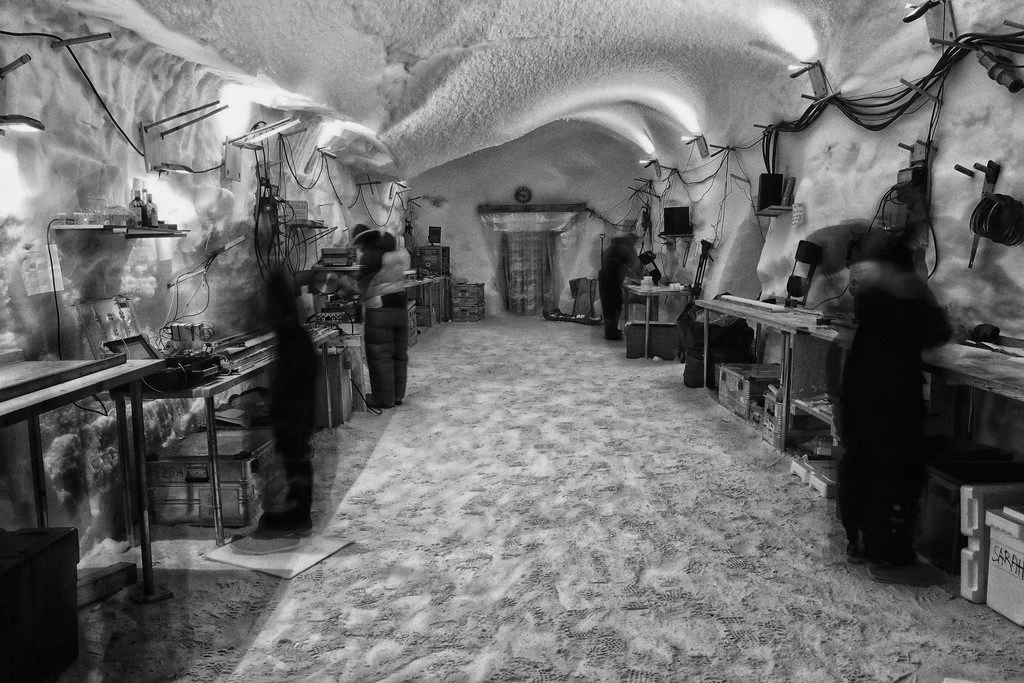
Pictured here are climate scientists processing ice core samples in the East Greenland Ice-core Project (EastGRIP) science trench 10 m under the surface of the Greenland ice cap. The trenches of this ice core camp require minimum building materials, utilising giant inflatable balloons that are dug in and covered with snow. The snow is left …[Read More]

How to make a planet habitable

How to make a planet habitable

Exoplanets without plate tectonics could harbour life, contrary to previous belief For a planet to be habitable, it needs a stable climate. On Earth, the movement of tectonic plates ensures old crust is recycled and new crust is created and weathered. This cycling of rock consequently overturns the planet’s carbon, which keeps the climate in …[Read More]

Life after geoscience

Life after geoscience

After spending 13 years (give or take) at school you are faced with a tough decision: what to study at University (if anything at all, the academic path may well not be for you)? You sift through a bunch of university prospectuses and try to plan your future. Of course, lots of things can change, …[Read More]

Finding funding: a rough guide to getting your research wishes granted

Finding funding to support your research is always a challenge, but never more so than when you’ve not done it before. During the EGU 2014 General Assembly, Grant Allen gave an excellent short course for early-career researchers on getting to grips with grant applications. His fantastically appropriate name aside, we couldn’t have asked for a …[Read More]