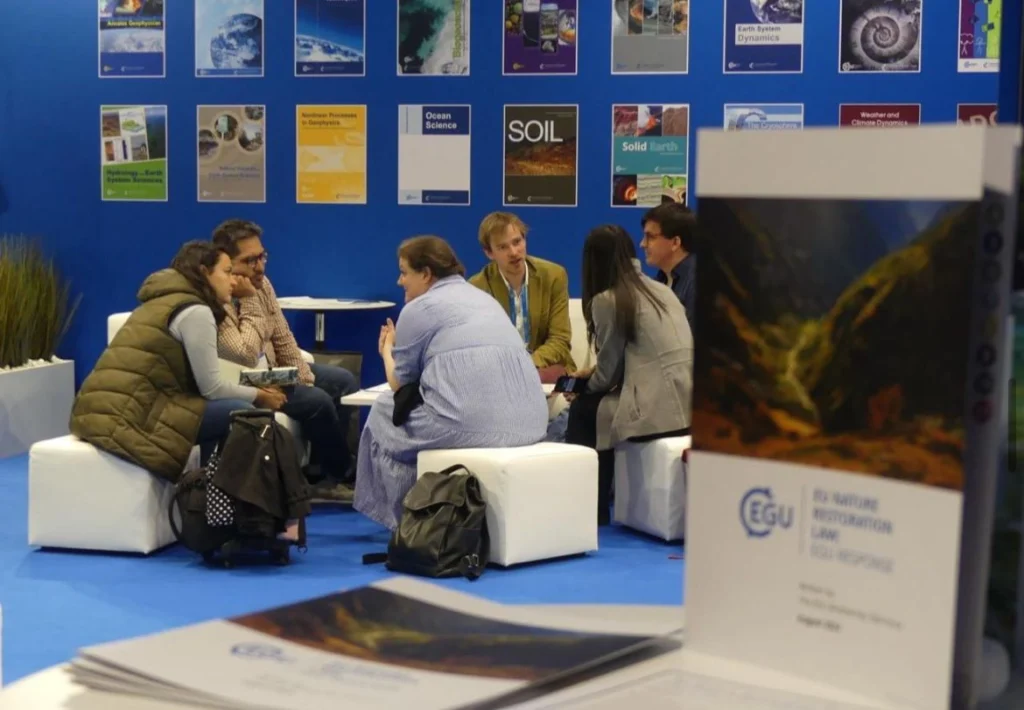
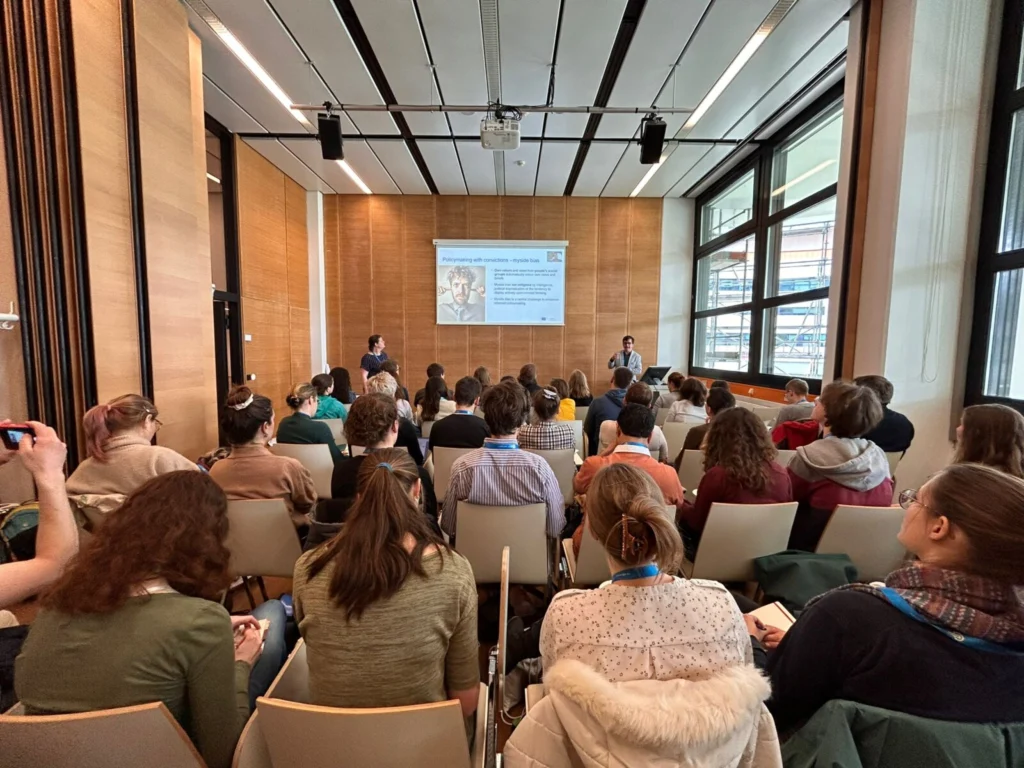
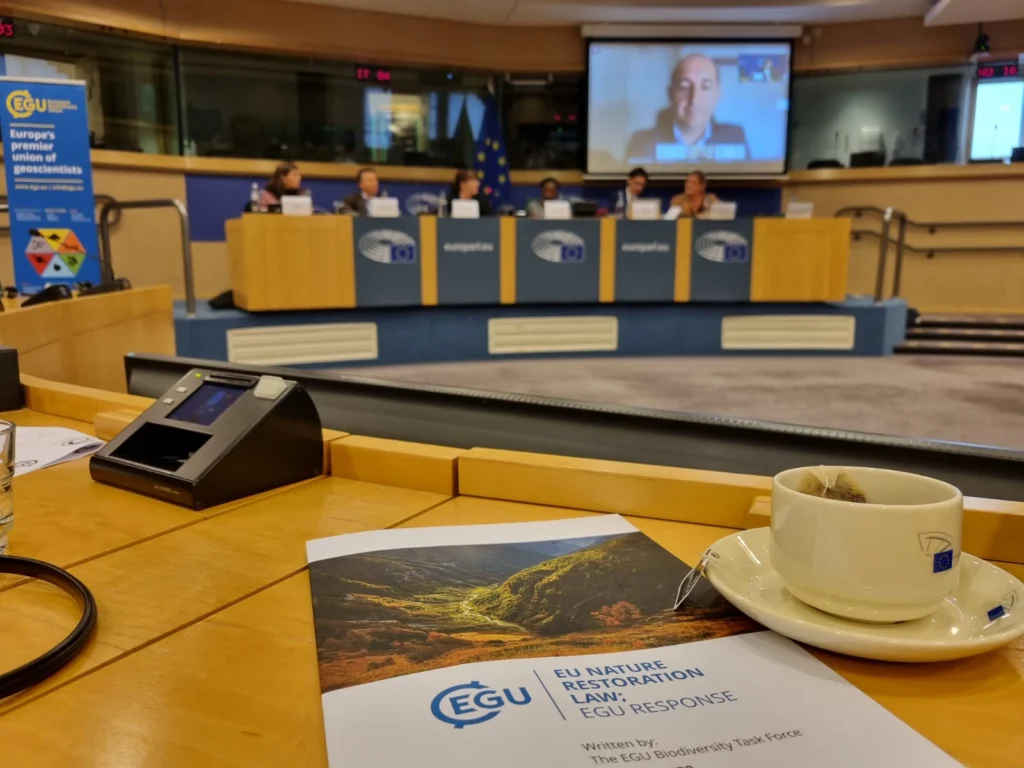
Each year, the EGU General Assembly offers a diverse programme of scientific and skills-focused sessions where participants can explore new research, grow their network, broaden their expertise, and build new skills. Among these are sessions that focus on science for policy, showcasing how researchers can start engaging in policymaking, connect with decision-makers, and create policy impact. This ...[Read More]
policymaking
GeoPolicy: Your guide to engaging with science for policy at EGU25
Each year, the EGU’s Science for Policy Programme at the EGU General Assembly provides participants with insights on how their research and expertise can be integrated into the policymaking process and the opportunities that exist for them to engage. This month’s GeoPolicy Blog post highlights some of the exciting #Sci4Pol sessions and initiatives that you can engage with! While this blog post hig ...[Read More]
GeoPolicy: 10 steps for creating a knowledge synthesis for policy impact
When working on legislation, policymakers often require scientific evidence or expertise to support their decision-making. Scientific information can help policymakers to identify any unintended consequences of a policy decision and access solutions that they may not have otherwise considered. In many cases, the information that researchers give to policymakers is a summary of a single study that ...[Read More]
GeoPolicy: Don’t Look Up – could better science advice have saved the planet?
Note: Spoilers Ahead! If you haven’t already seen it, go and watch Don’t Look Up – and then come back to this blog to find out what the scientists in the film could have done to better connect and communicate with the policymakers involved! Don’t Look Up gives us a terrifying example of what could happen when policymakers ignore the science. The film tells the story of two astronomers, PhD candida ...[Read More]
GeoPolicy: How to achieve policy impact
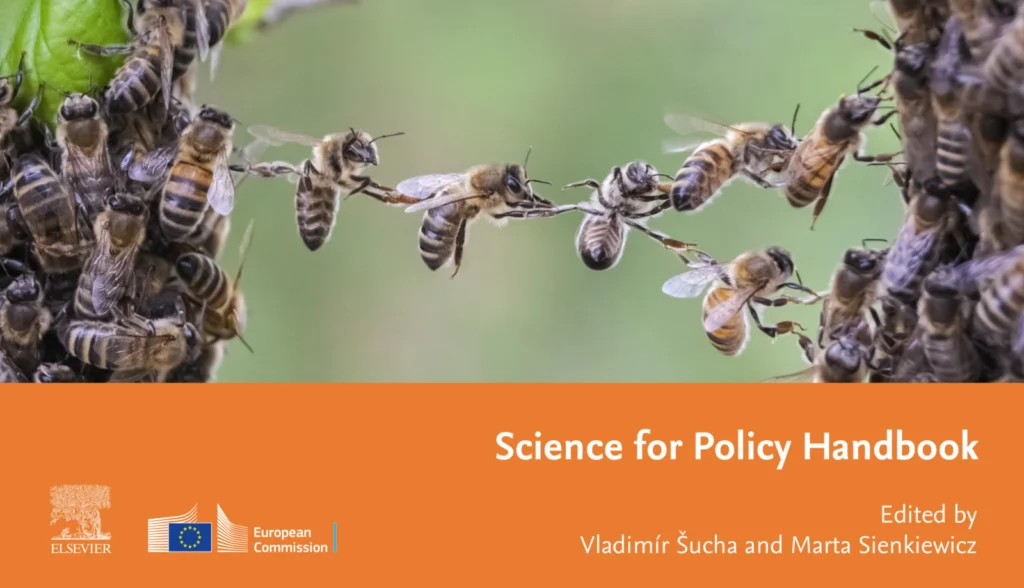
Last year, the European Commission’s Joint Research Centre (JRC) published their Science for Policy Handbook that provides advice on how to bring science to the attention of policymakers. The Handbook is divided into 19 Chapters covering different areas of science for policy as well as some of the challenges that scientists face when engaging with policy and potential solutions. This month’s GeoPo ...[Read More]
GeoPolicy: COP24 – key outcomes and what it’s like to attend
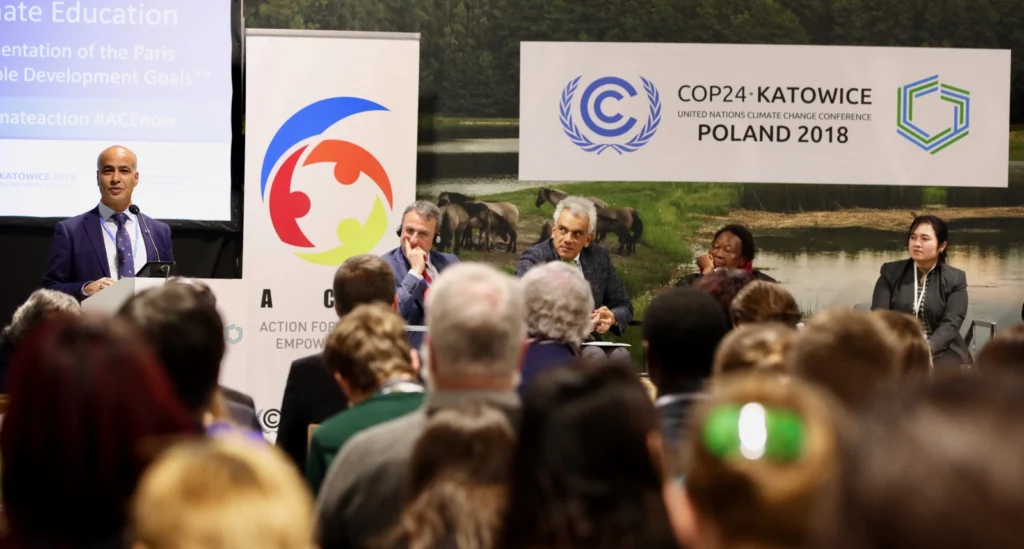
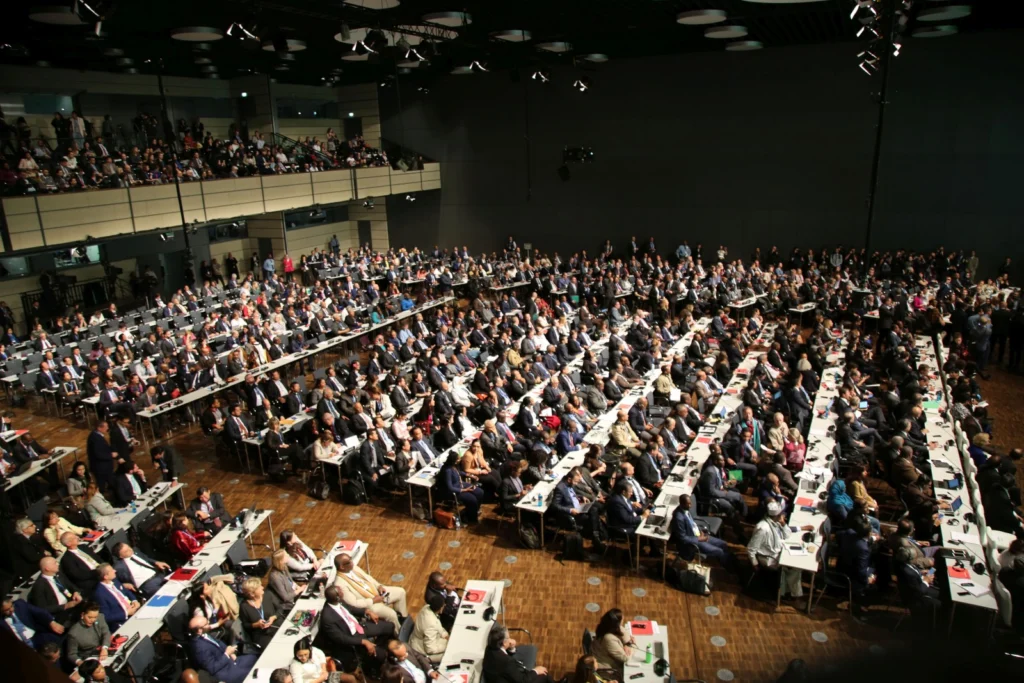
Earlier this month, the 24th Conference of the Parties (COP24), was held in Katowice, Poland. COPs are held annually and provide world leaders, policy workers, scientists and industry leaders with the opportunity to negotiate and determine how best to tackle climate change and reduce emissions on a global level. With so much at stake, these negotiations can be tense. Some COPs see more action tha ...[Read More]
Geopolicy: How does scientific uncertainty translate into policy?
Scientific uncertainty is one of the only things in science that is certain. It’s found in complex modelling systems, in the unpredictability of natural processes and even when there seems to be scientific consensus, a new scientific discovery can recreate ambiguity. But how do policymakers deal with scientific uncertainty when they are making decisions? Policymakers deal with and use scientific u ...[Read More]
GeoPolicy: COP23 – key updates and outcomes
What is COP23? Anthropogenic climate change is threatening life on this planet as we know it. It’s a global issue… and not one that is easily solved. The Conference of the Parties (COP) provides world leaders, policy workers, scientists and industry leaders with the space to share ideas and decide on how to tackle climate change and generate global transformative change. COP23 will predominantly f ...[Read More]
Meet the EGU’s new Science Policy Officer
Hi there, my name is Chloe and I’m embarking on a new challenge. After participating in the EGU’s 2017 General Assembly 3 weeks ago as a warmup, I am starting in Munich as the EGU’s Policy Officer. While the title might sound a little ambiguous, it is an incredibly exciting position that allows me to facilitate the dissemination of the EGU members’ scientific knowledge to EU policy-makers while si ...[Read More]
Improving quality of life through urban growth boundaries, 20-minute neighbourhoods, and public transportation in Oregon
The Emerging Leaders in Environmental and Energy Policy (ELEEP) Network brings together young professionals from Europe and North America with the aim of fostering transatlantic relations. Former EGU Science Communications Fellow and ELEEP member Edvard Glücksman reports back from a study tour of the US Pacific Northwest. In this first of two posts, he describes the unique urban planning strategy ...[Read More]