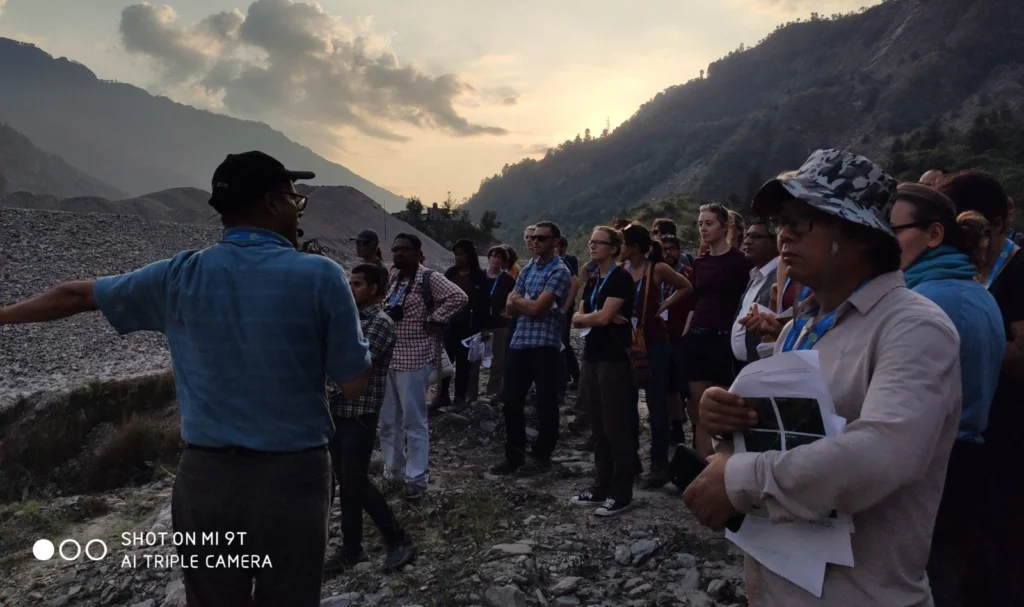
Throughout the year, EGU hosts a number of meetings, workshops, and conferences for the geoscience community. While the EGU’s annual General Assembly brings more than 15,000 scientists together under one roof, the EGU Galileo Conferences allows a smaller number of scientists to discuss and debate issues at the forefront of their discipline. In this blog …[Read More]
natural hazards
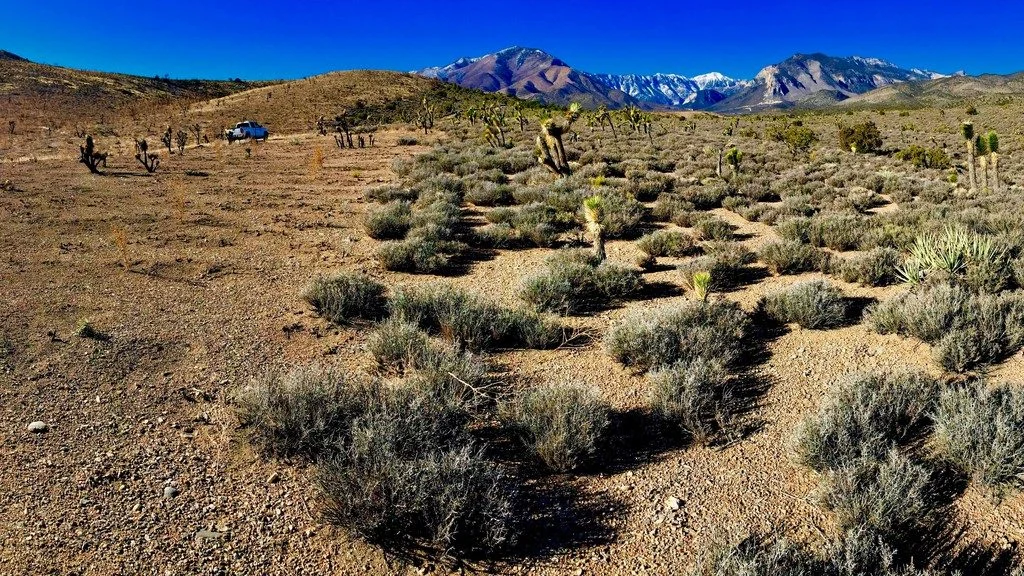
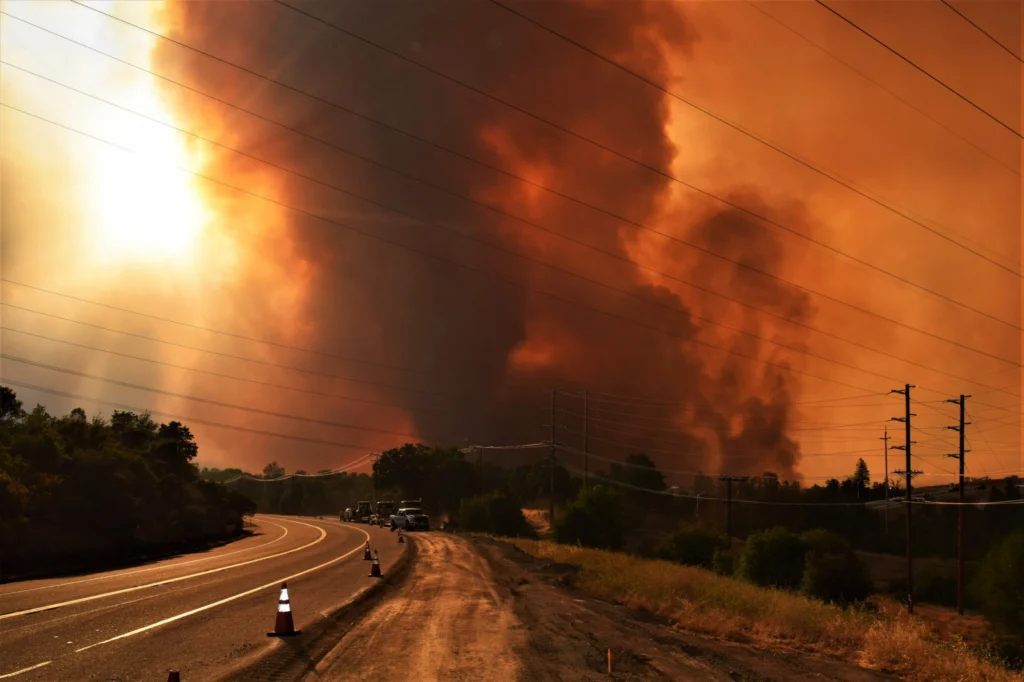
Imaggeo on Mondays: At the edge of a wildfire
The Carpenter 1 fire burned approximately 11,000 ha in the Spring Mountain National Recreation Area (Humboldt-Toiyabe National Forest) near Las Vegas, Nevada between July 1, 2013 and its containment on August 18, 2013. The left side of the photo shows the fire affected arid desert scrub ecosystems at 1500 m (foreground) to subalpine pine ecosystems …[Read More]
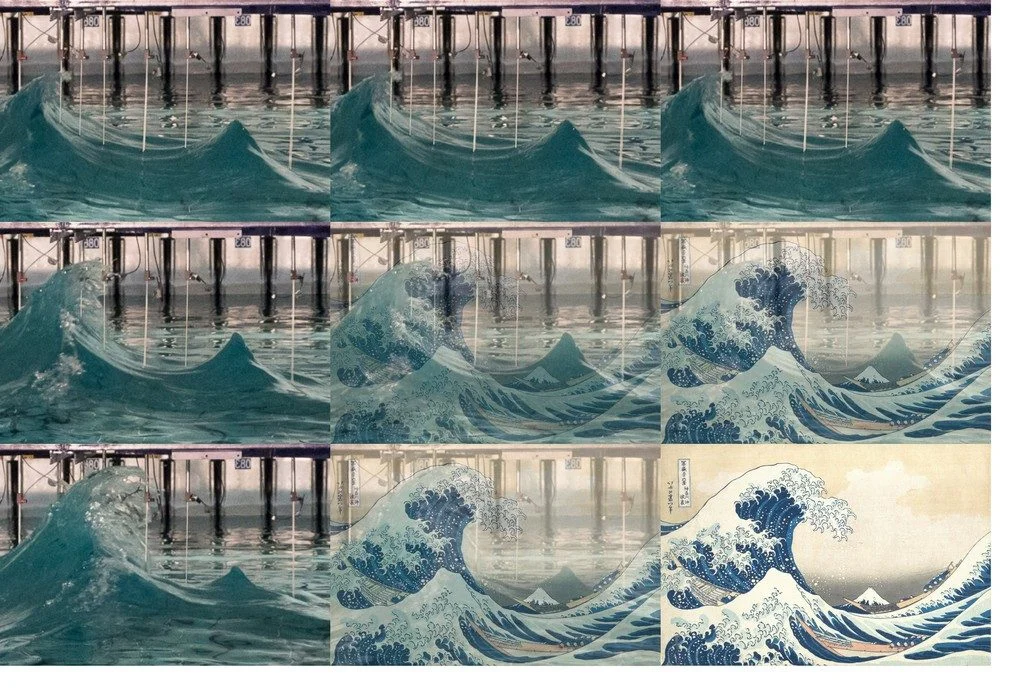
Imaggeo on Mondays: Recreating monster waves in art and science
Featured in this blog post is a collection of images that gives a picture-perfect example of life imitating art. The photos in the left column are three consecutive still frames of a breaking wave that scientists generated in a lab environment at the University of Edinburgh in the UK. The pictures in the centre and …[Read More]
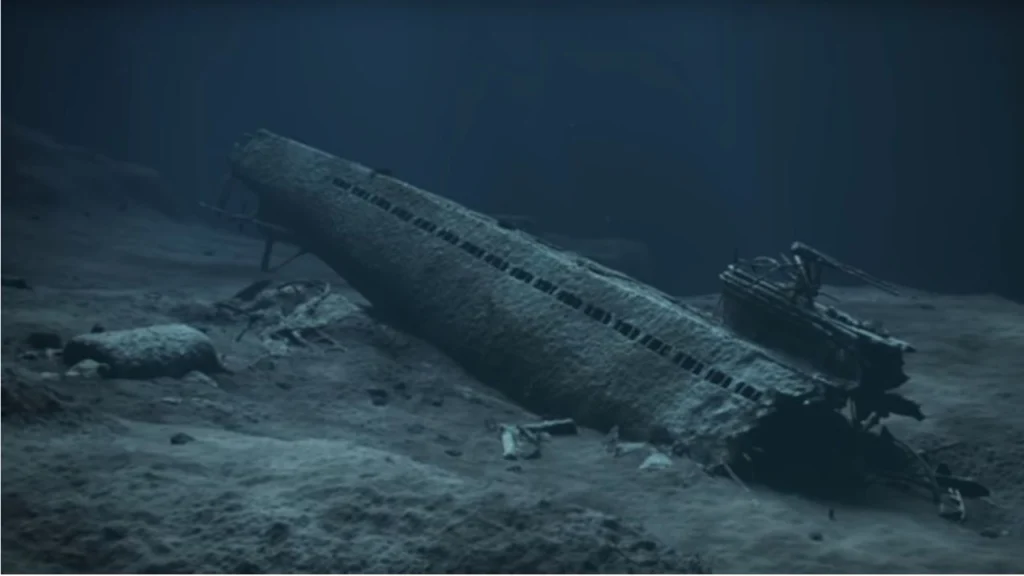
GeoPolicy: Preventing mercury leakage from a WWII submarine
I recently had the opportunity to interview Matthias Kaiser, a professor at Bergen University and, at the time of the interview, Director of the Centre for the Study of the Sciences and the Humanities. He is part of an expert team that has given scientific advice to Norwegian policymakers, highlighting the issues that should be …[Read More]
A better framework for disasters
The end of the Northern hemisphere summer tends to be a good time to regroup from natural hazards, as the frequency and intensity of storms, as well as the incidence of wildfires, tends to trail off. At the time of writing, however, Hurricane Willa had just crashed into Mexico, while Typhoon Yutu has just hit …[Read More]
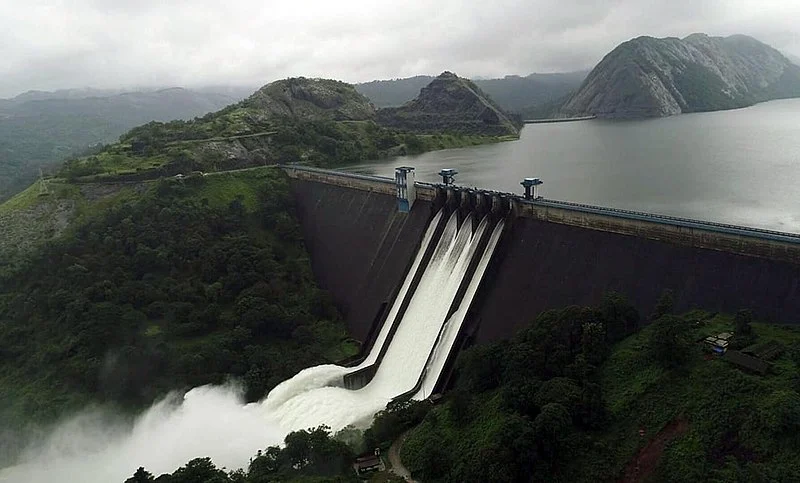
August GeoRoundUp: the best of the Earth sciences from around the web
Drawing inspiration from popular stories on our social media channels, major geoscience headlines, as well as unique and quirky research, this monthly column aims to bring you the latest Earth and planetary science news from around the web. Major story The south Indian state of Kerala has suffered unusually heavy monsoon rainfall this month, triggering …[Read More]
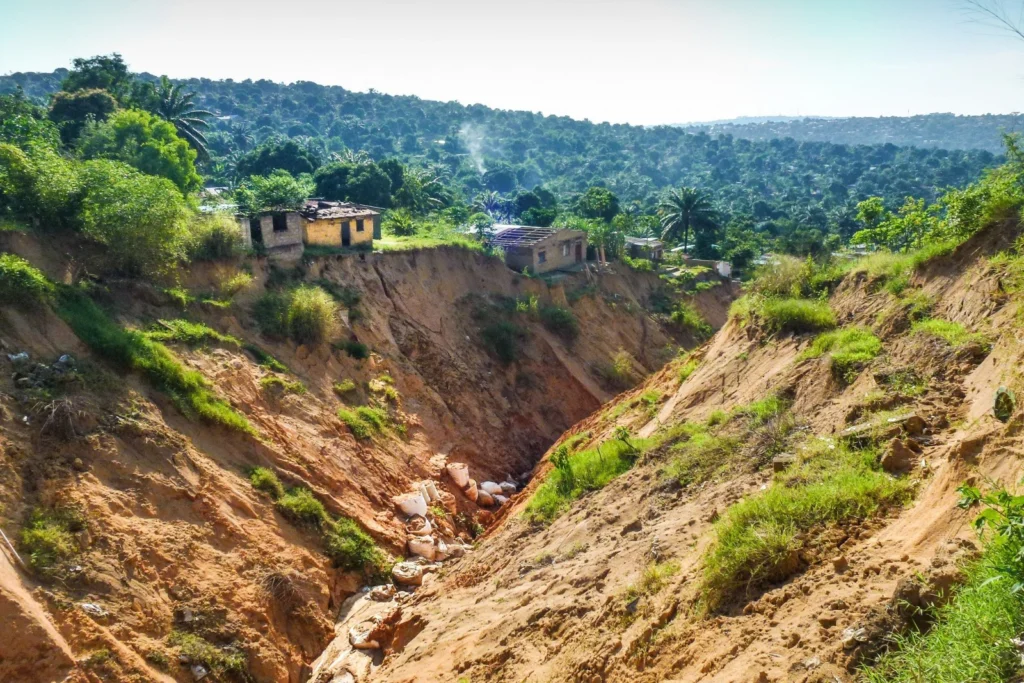
GeoTalk: Severe soil erosion events and how to predict them
Geotalk is a regular feature highlighting early career researchers and their work. In this interview we speak to Matthias Vanmaercke, an associate professor at the University of Liège in Belgium who studies soil erosion and land degradation across Europe and Africa. At the EGU General Assembly he received the 2018 Soil System Sciences Division Outstanding …[Read More]
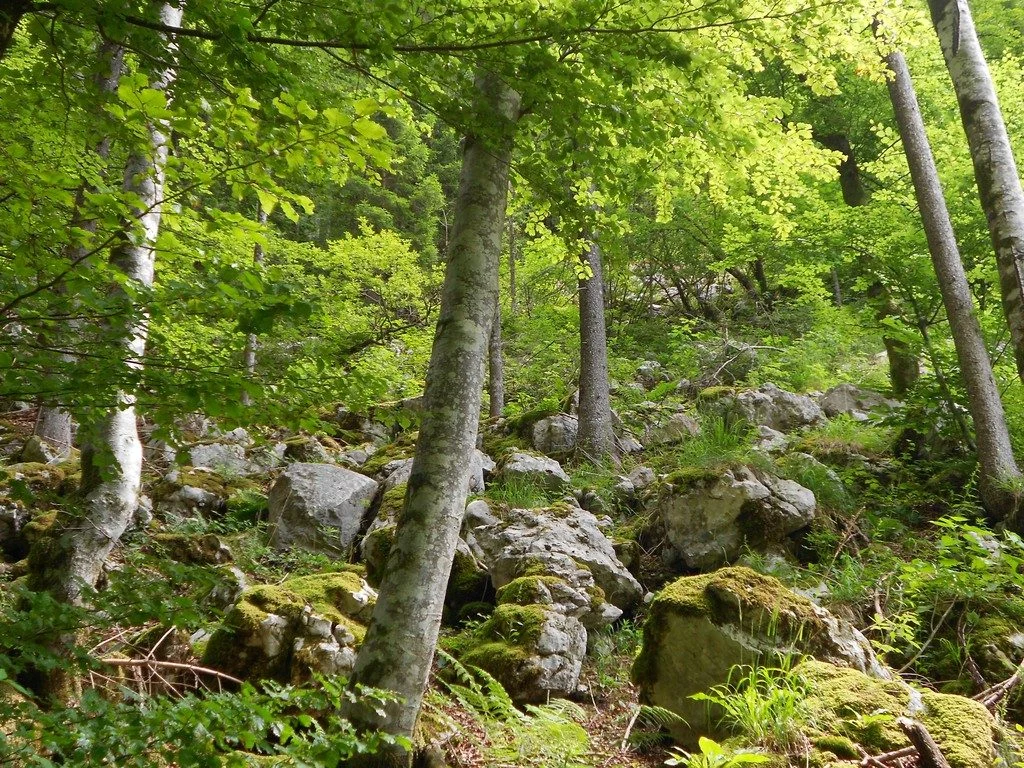
GeoPolicy: How science supported the EU’s new land use and forestry regulation
What is the land use and forestry regulation? In October 2014, the EU agreed that all sectors, including land and forestry, should contribute to the EU’s 2030 climate & energy framework target to reduce greenhouse gas emissions by at least 40% by 2030 compared to 1990 levels. Almost 4 years later, in May 2018, the …[Read More]
Geosciences Column: Landslide risk in a changing climate, and what that means for Europe’s roads
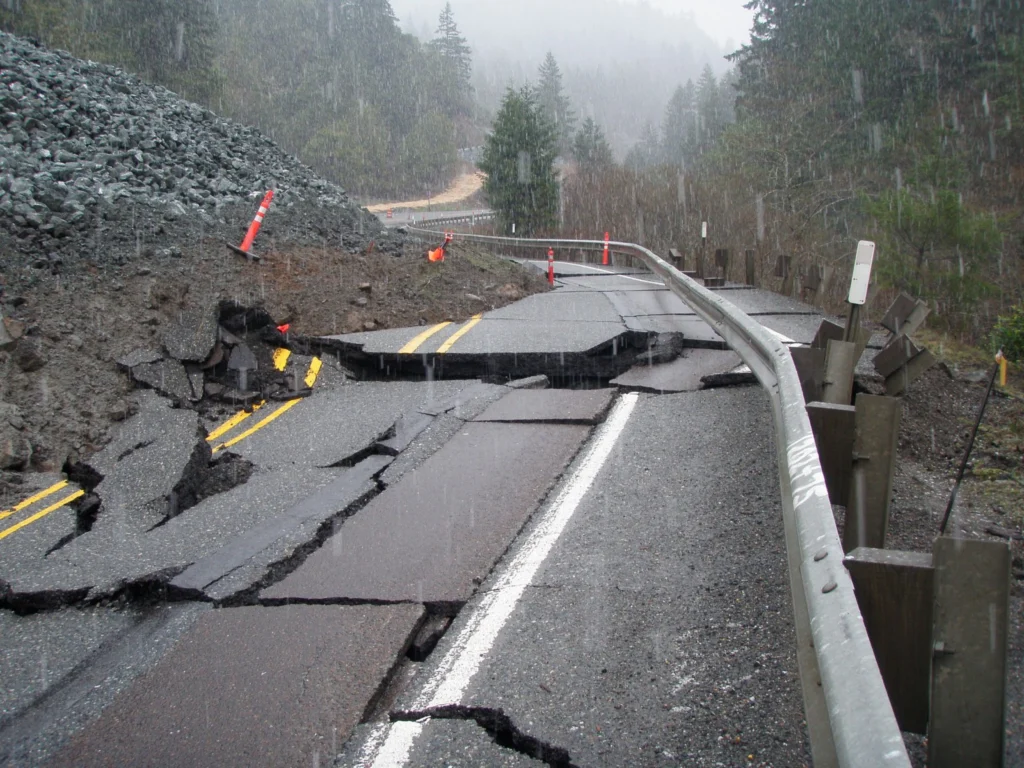
If your morning commute is already frustrating, get ready to buckle up. Our climate is changing, and that may increasingly affect some of central Europe’s major roads and railways, according to new research published in the EGU’s open access journal Natural Hazards and Earth System Sciences. The study found that, in the face of climate …[Read More]
Top ten tourist beaches threatened by tsunamis
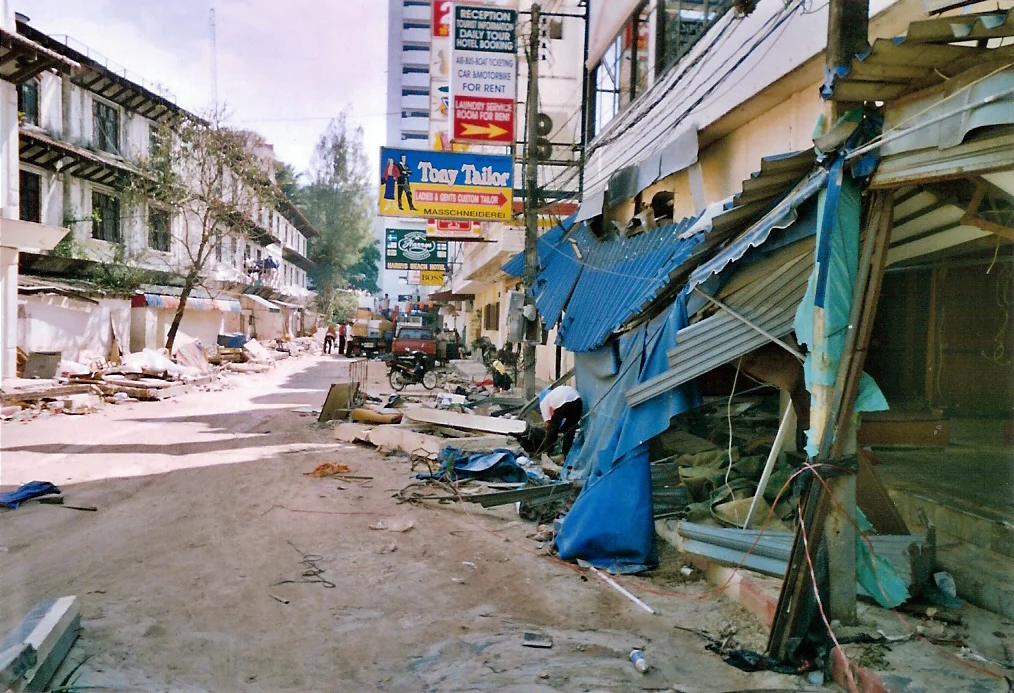
December 2004 saw one of the deadliest natural disasters in recorded history. 228,000 people were killed when an earthquake off the coast of the Indonesian island of Sumatra triggered tsunami waves up to 30 m high. The destruction was extreme as the waves hit 14 different countries around the Indian Ocean. Economic losses totalled over …[Read More]