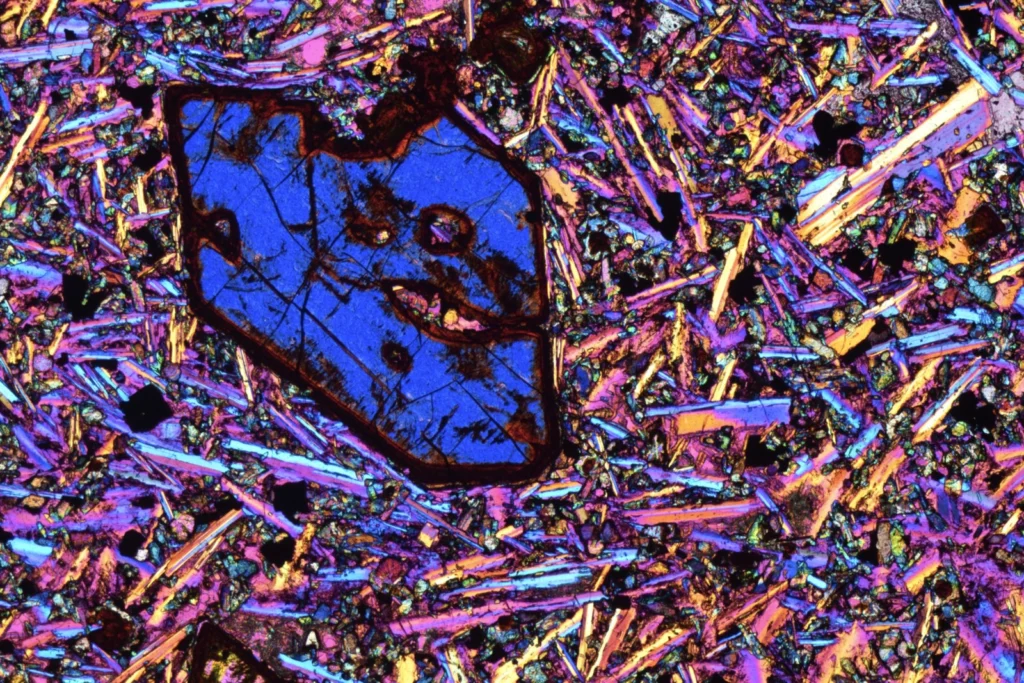
Blue Olivine set in a matrix of pyroxene, magnetite and plagioclase in a basalt collected by the photographer, Bernardo Cesare, on the shore of the Sea of Galilee, Israel. Polarized light photomicrograph. Crossed polarizers and red tint plate. Width c. 2.7 mm. Who may have been throwing this stone a couple millennia ago? Description by Bernardo Cesare, after the description on imaggeo.egu.e ...[Read More]
mineralogy
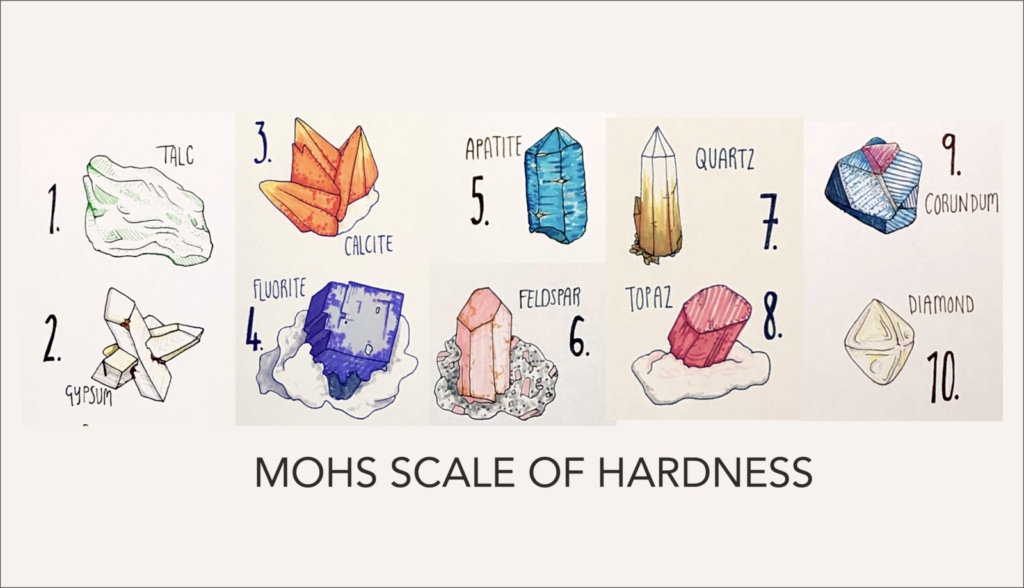
Friedrich Mohs and the mineral scale of hardness
One of the most famous identification methods in the study of mineralogy is the Mohs Scale of Hardness. A comparative scale, based on the hardness of each mineral, it is a way geoscientists can compare minerals to each other and organise them based upon an easily testable physical characteristic. Each level of hardness has a value, from 1 (the softest) to 10 (the hardest) and each number is associ ...[Read More]
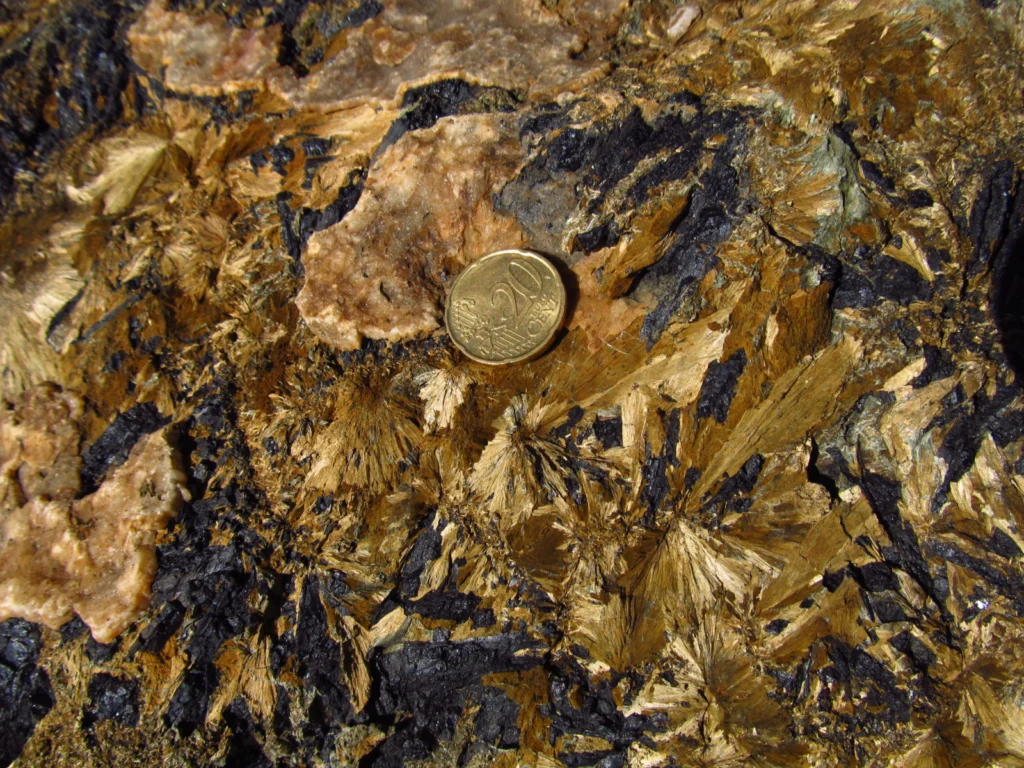
Imaggeo On Monday: Hedenbergite – Ilvaite skarn, Calamita, Island of Elba
In this photo taken on the Isle of Elba in Italy you can see several radiating crystals of greenish Hedenbergite, inter-grown with blackish coloured Ilvaite in skarn bodies. Skarn is an unique formation that formed as a result of the interaction between geothermal fluids and the host rock. In this case the geothermal fluids come from the Late Miocene Porto Azzurro monzogranite, and Mesozoic marble ...[Read More]
Colour deficient vision and the geosciences; just another way of looking at things
Like a reasonably large proportion of the population, I have colour vision deficiency (also known as colour deficient vision or colourblindness). I’m not going to get into the technical aspects of what this is like as they are covered well here and here, and you can do an Ishihara test, and other tests here, to check your own vision. The other reason I’m not going to discuss the technicalities of ...[Read More]
Imaggeo On Monday: Emoji from meteorites; impact spherule
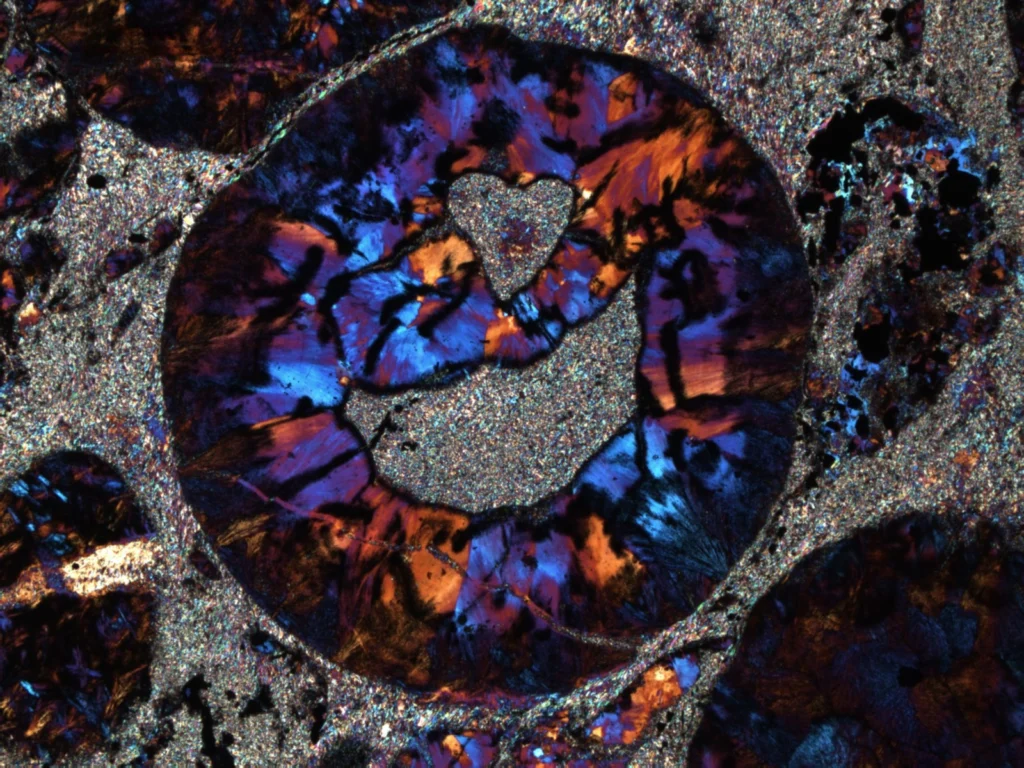
This is a crossed polarized light photomicrograph of an impact spherule; a small mineralisation made when a meteorite hits the Earth and melts the rock at the point of impact, from Barberton Greenstone Belt, in South Africa. These spherules are the only remnants of Early Earth’s meteorite impact history, from between of 3.2 and 3.5 billion years ago. In this photo you can see the K-feldspar ...[Read More]
Imaggeo On Monday: Condensation drop on sulphur
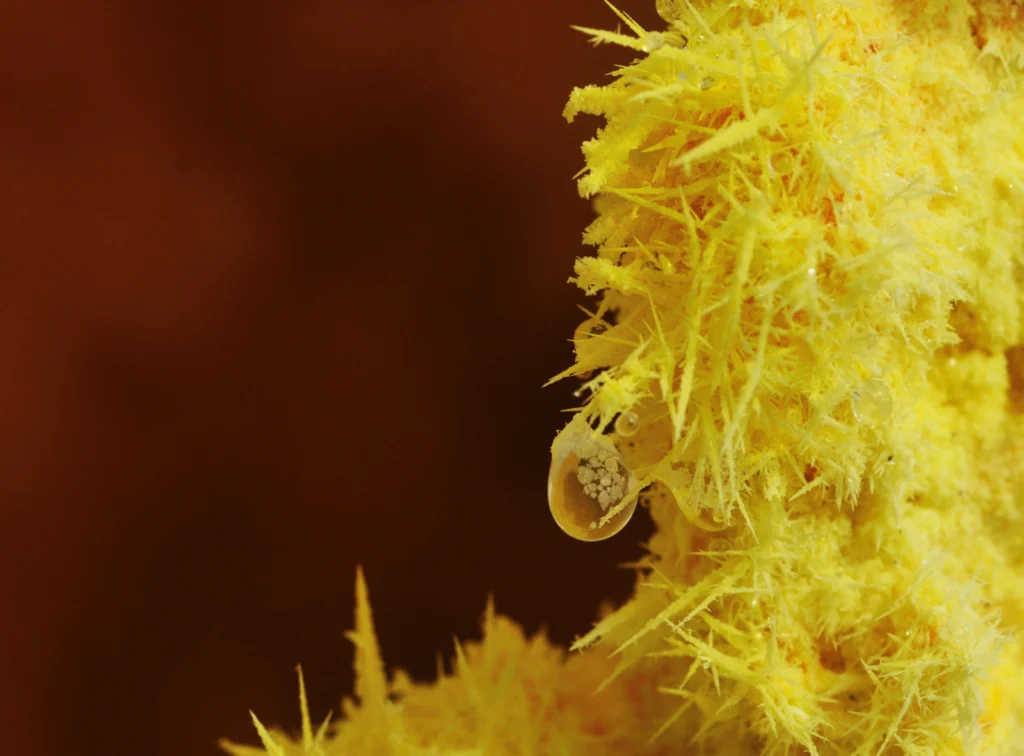
Mineralogy, as a subject, often has a hard time. Despite it’s place at the core of the traditional geological sciences, and its importance in a huge variety of other subjects, mineralogy sometimes has a reputation of being complicated and inaccessible and, well, some people have even called it boring. This is also related to the way that minerals are often hugely misunderstood by non-geoscie ...[Read More]
Imaggeo on Mondays: The colourful sinkhole clusters at Ghor Al-Haditha
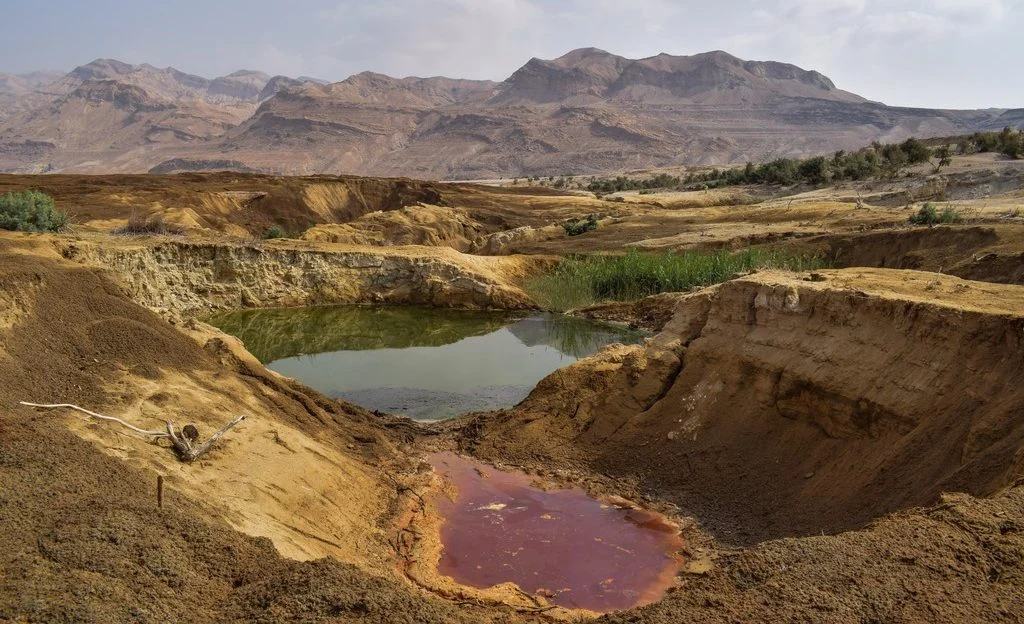
Sinkholes that form on the Dead Sea shore at Ghor Al-Haditha, Jordan, often occur in clusters, with many holes packed into a small area. However the visual appearance of neighbouring sinkholes can vary significantly. Mineral precipitation in the foremost sinkhole in this picture, which has no fresh water supply, gives it a garish pink-orange colouration. The larger hole behind has a groundwater-de ...[Read More]
Imaggeo on Mondays: River in a charoite schist
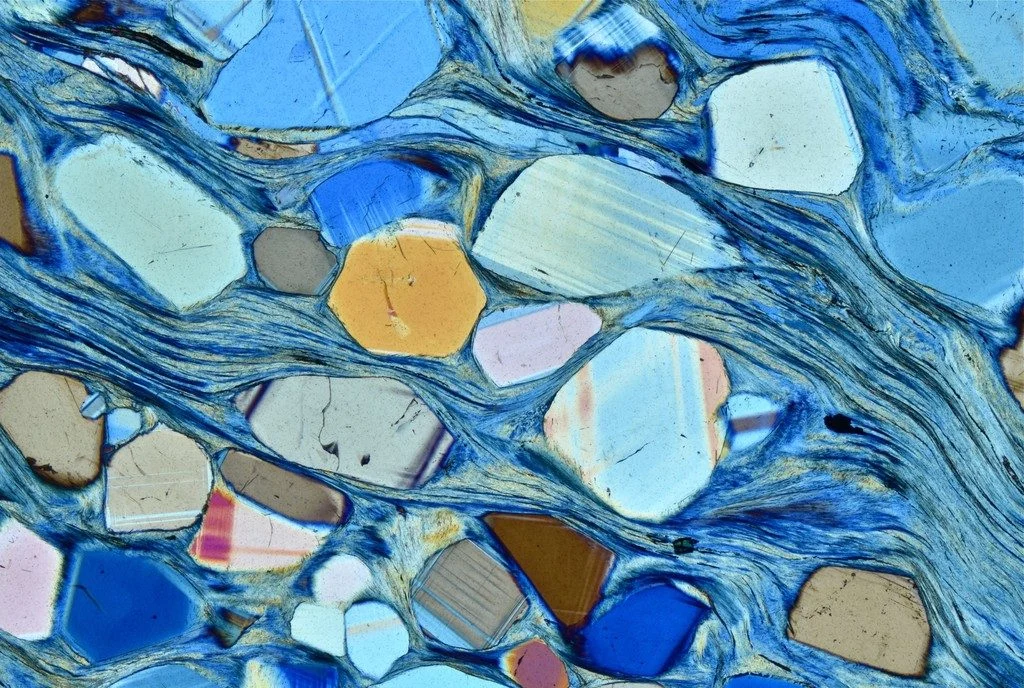
Polarized light photomicrograph of a thin section of a charoite-bearing schist. Charoite is a rare silicate found only at one location in Yakutia, Russia. For its beautiful and uncommon purple color it is used as a semi-precious stone in jewelry. Under the microscope charoite-bearing rocks give an overall feeling of movement, with charoite forming fibrous mats that swirl and fold as a result of de ...[Read More]
MinCup: Elevating humble minerals to new heights
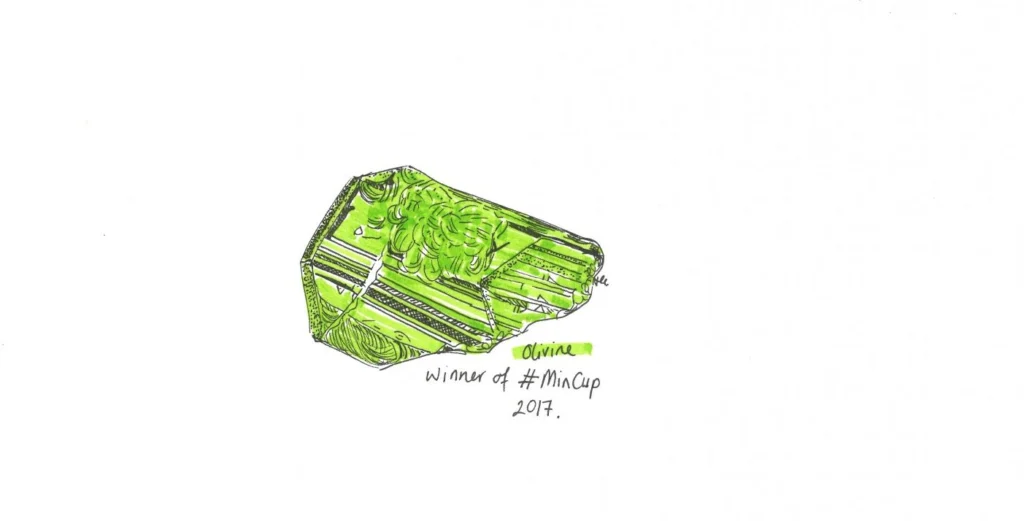
Throughout October and November, the world of (Earth science) Twitter was taken by storm: Day after day, Eddie Dempsey (a lecturer at the University of Hull, and @Tectonictweets for those of you more familair with his Twitter handle) pitted minerals against each other, in a knock out style popular contest. The aim? To see which mineral would eventually be crowned the best of 2017. Who knew fiery ( ...[Read More]
Introducing the new EGU Bloggers!
Since it started, the EGU Blog Network has had great coverage of geochemistry, palaeontology and geoscience in global development, but what about the other fields in the geosciences? Well, over the past couple of months we’ve been seeking out some fantastic Earth science bloggers who are keen to share their knowledge, experiences and the latest research in their fields with you. They’ve put togeth ...[Read More]