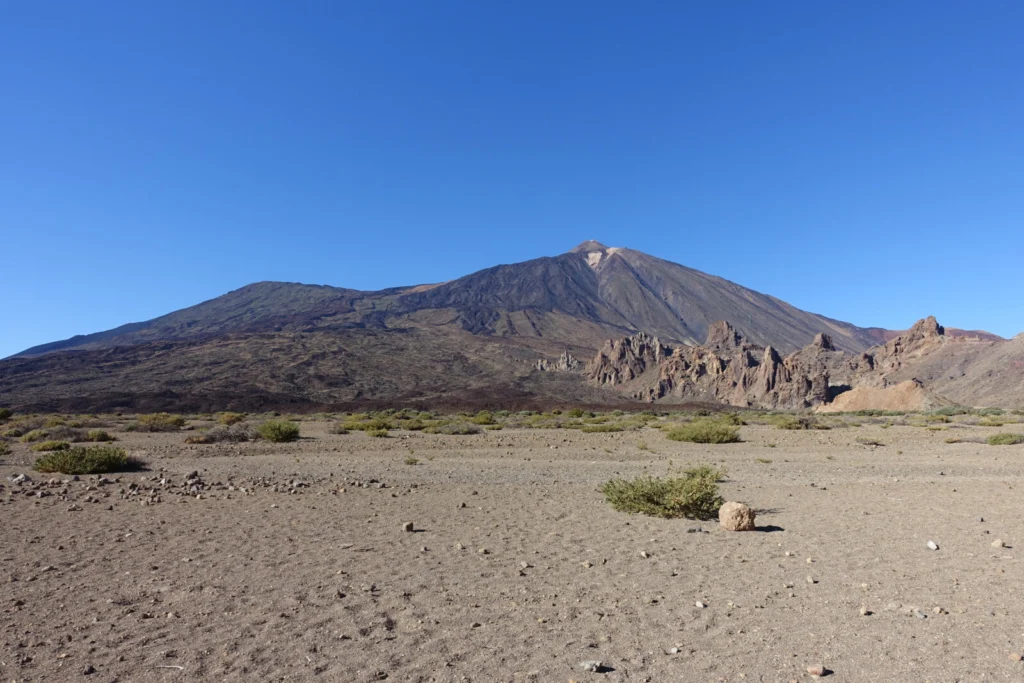
Tenerife, the largest active volcanic island in the Canarian archipelago, encompasses a diverse landscape shaped by volcanic activity. This picturesque island of the Mediterranean not only boasts stunning vistas but also harbours a dynamic volcanic system that requires diligent monitoring. In recent years, an international team of researchers from Instituto Volcanológico de Canarias (INVOLCAN), In ...[Read More]
hazards
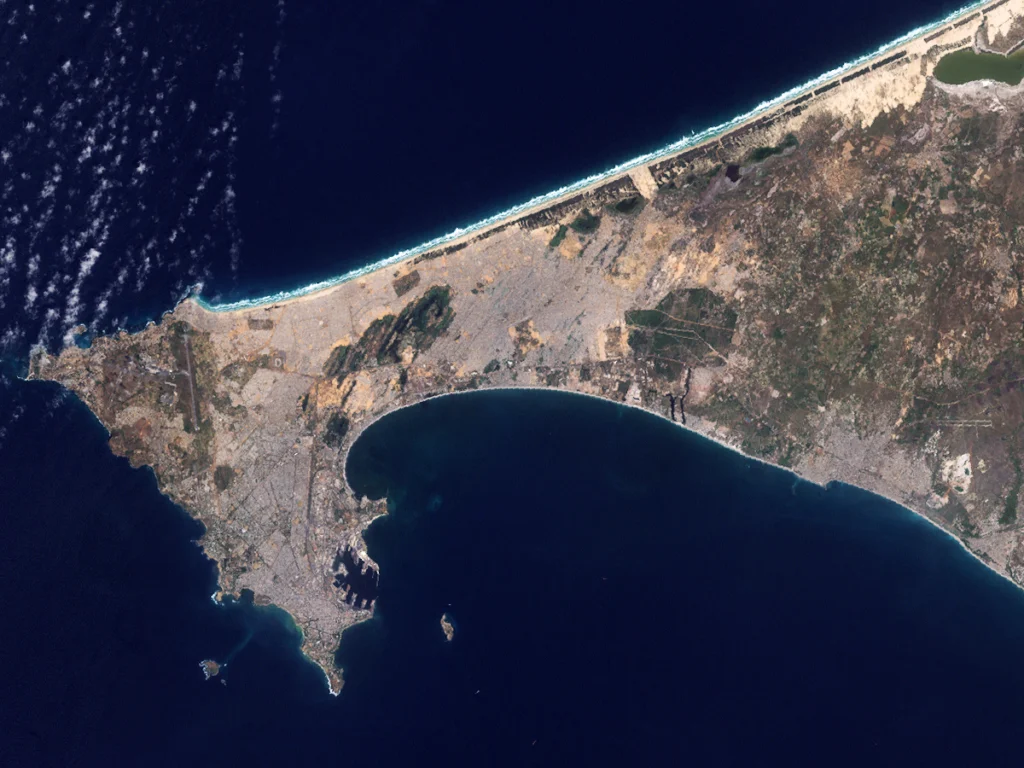
Inclusive flood mapping: using citizen science to collect historical flood data in Dakar, Senegal.
During the month of February, we are focusing on ‘Accessibility and Inclusivity’ here at the EGU. Although these topics are clearly relevant to the General Assembly, some people may wonder whether they also relate to scientific research. Clearly all geoscientists are people, so accessibility and inclusivity matter regardless of what scientific discipline they are in. But there can also be tangible ...[Read More]
Taking the pulse of an extreme landscape
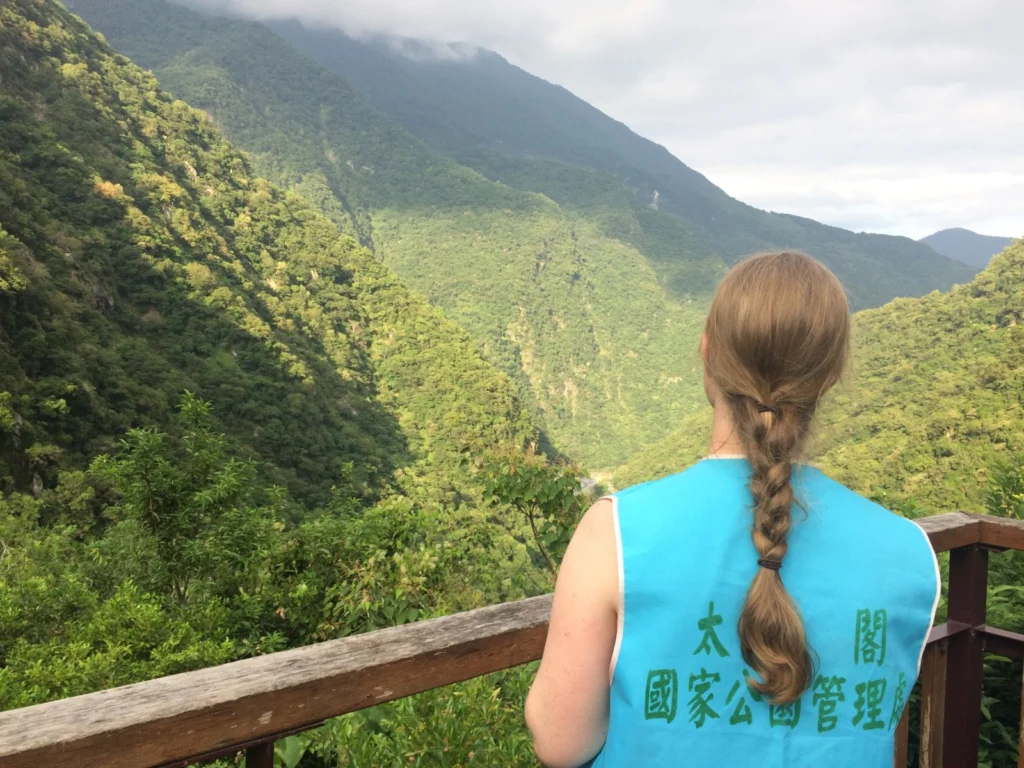
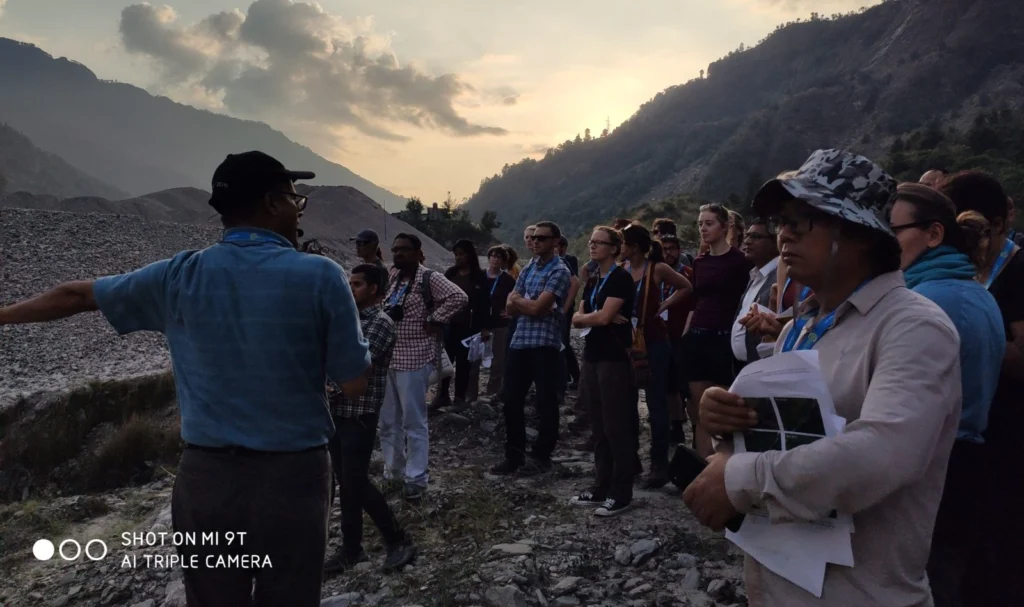
Welcome to Taroko National Park. Would you like to borrow a safety helmet? In this precipitously steep landscape, covering one’s head is strongly encouraged. Rockfalls and landslides, triggered by frequent seismic activity and torrential rainfall, are mainstays in Taiwan’s preeminent national park. Evidence of this mass-wasting is everywhere: roadways are littered with fallen rocks, boulders choke ...[Read More]
Imaggeo on Mondays: Civita di Bagnoregio – the dying town
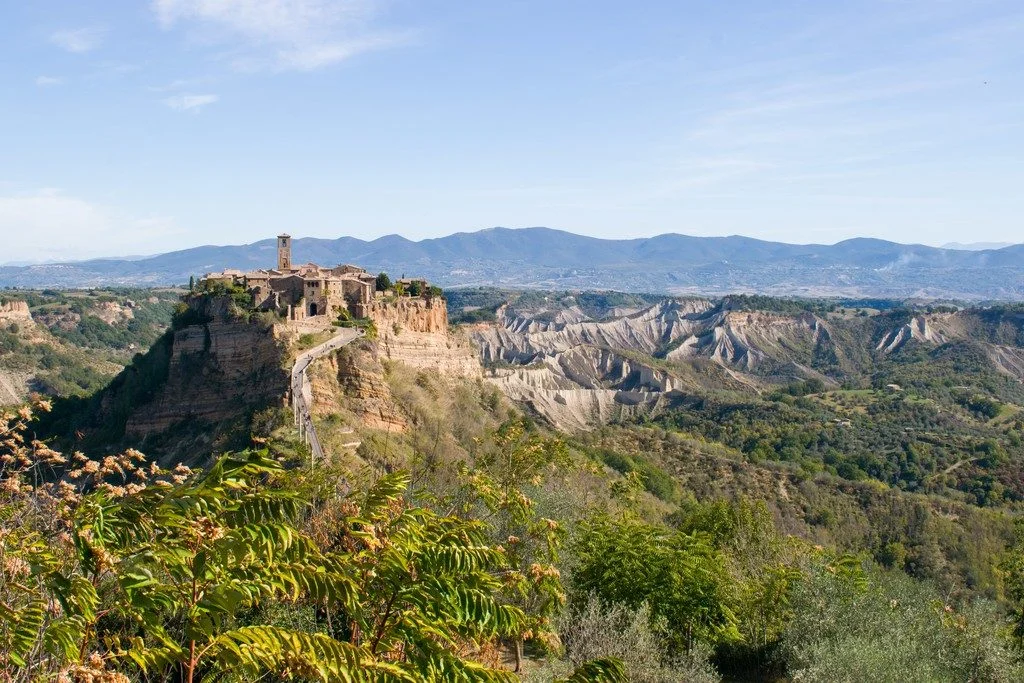
On top of a steep cliff standing out from the surrounding countryside, lies the small town of Civita di Bagnoregio, one of the most famous villages of Italy. It is often called the dying town, although more recently people have started to refer to it as fighting to live. What this little town is fighting against is the threat of erosion, as its walls are slowly crumbling down. Located in central I ...[Read More]
How extreme events impact Earth’s surface: reports from the 6th EGU Galileo conference
Throughout the year, EGU hosts a number of meetings, workshops, and conferences for the geoscience community. While the EGU’s annual General Assembly brings more than 15,000 scientists together under one roof, the EGU Galileo Conferences allows a smaller number of scientists to discuss and debate issues at the forefront of their discipline. In this blog post, the organisers of the 6th Galileo Conf ...[Read More]
Imaggeo on Mondays: Recreating monster waves in art and science
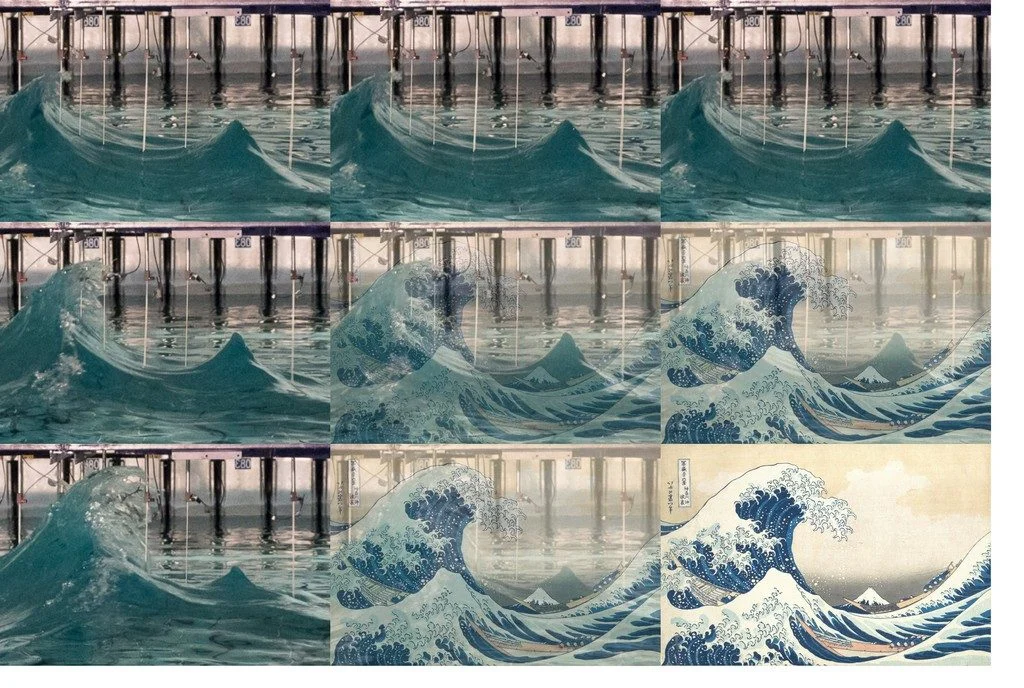
Featured in this blog post is a collection of images that gives a picture-perfect example of life imitating art. The photos in the left column are three consecutive still frames of a breaking wave that scientists generated in a lab environment at the University of Edinburgh in the UK. The pictures in the centre and right columns show the same wave images, but now superimposed with the famous 19th ...[Read More]
Imaggeo on Mondays: A painted forest fire
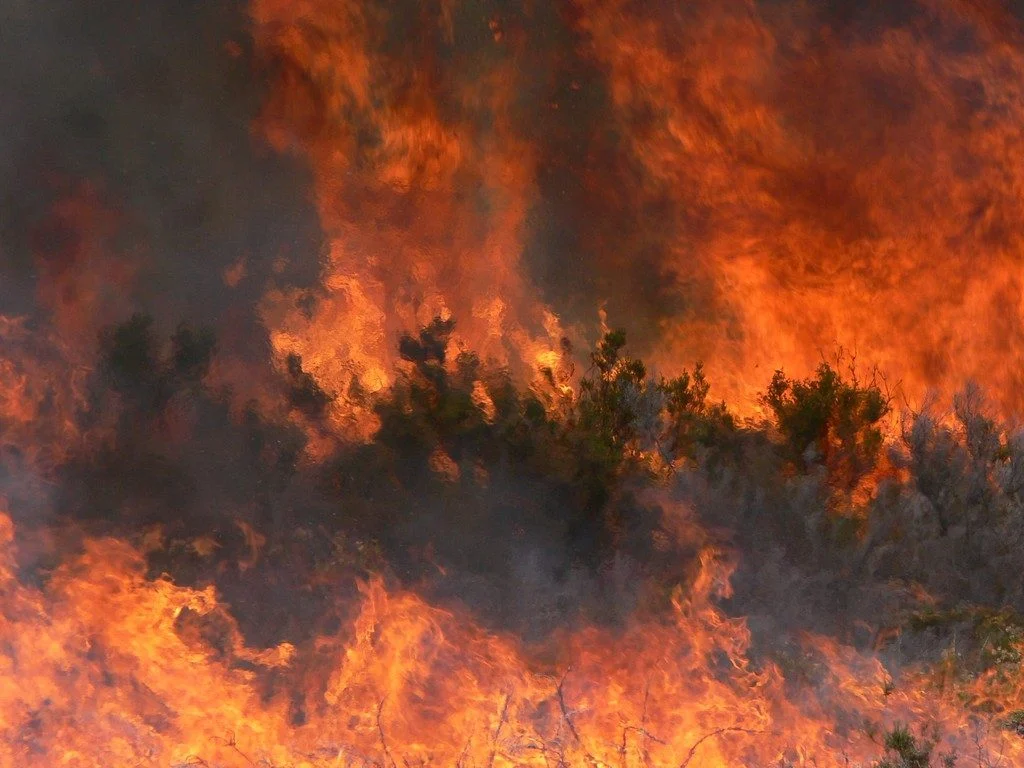
This week’s featured image may appear to be a painted landscape, but the picture is in fact a photo, taken ten years ago by Victoria Arcenegui, an associate professor at Miguel Hernández University in Spain, during a controlled forest fire in northern Portugal. The blaze is actually hot enough to distort the image, making some of the flames appear as brush strokes, beautifully blurring together th ...[Read More]
A better framework for disasters
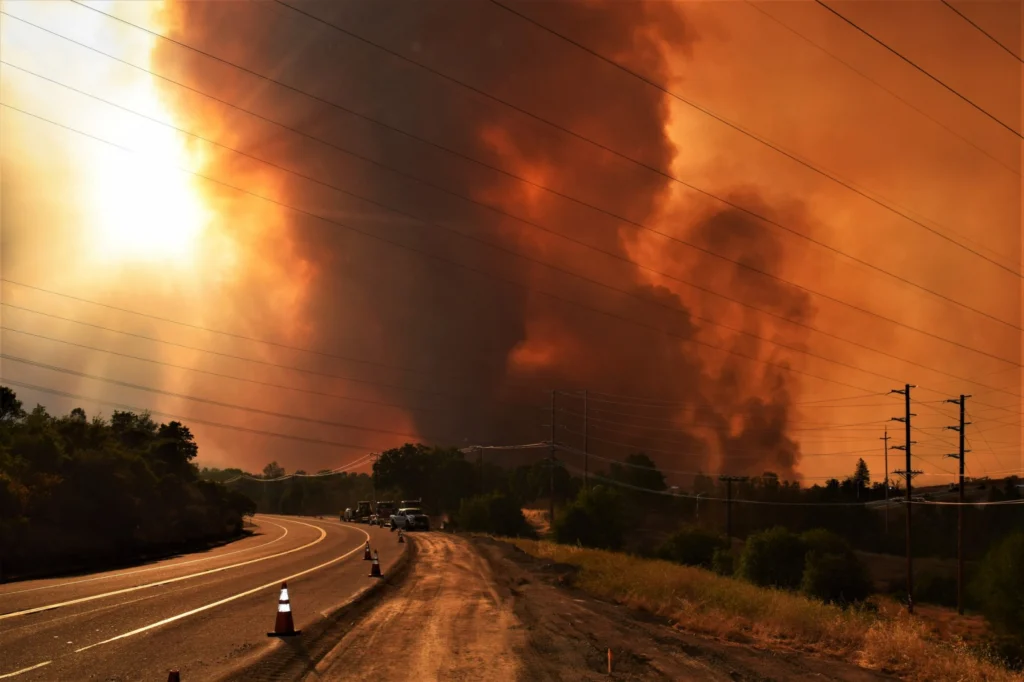
The end of the Northern hemisphere summer tends to be a good time to regroup from natural hazards, as the frequency and intensity of storms, as well as the incidence of wildfires, tends to trail off. At the time of writing, however, Hurricane Willa had just crashed into Mexico, while Typhoon Yutu has just hit the Northern Mariana Islands so hard that any equipment designed to record wind-speed had ...[Read More]
Imaggeo on Mondays: Hole in a hole in a hole…
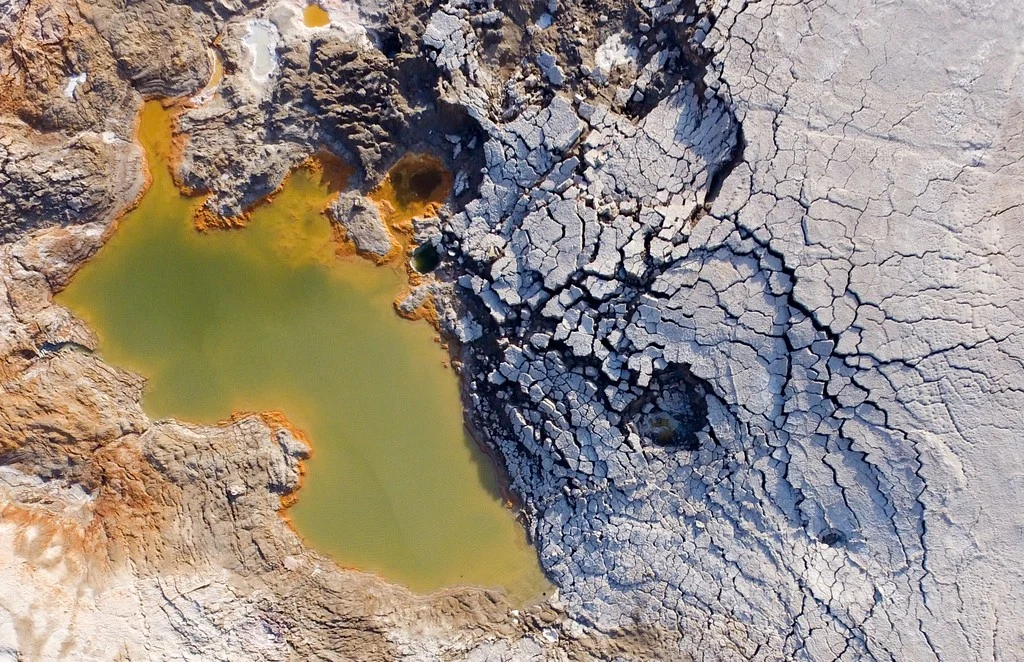
This photo, captured by drone about 80 metres above the ground, shows a nested sinkhole system in the Dead Sea. Such systems typically take form in karst areas, landscapes where soluble rock, such as limestone, dolomite or gypsum, are sculpted and perforated by dissolution and erosion. Over time, these deteriorating processes can cause the surface to crack and collapse. The olive-green hued sinkho ...[Read More]
An overnight train view of China’s Anthropocene – Part 1
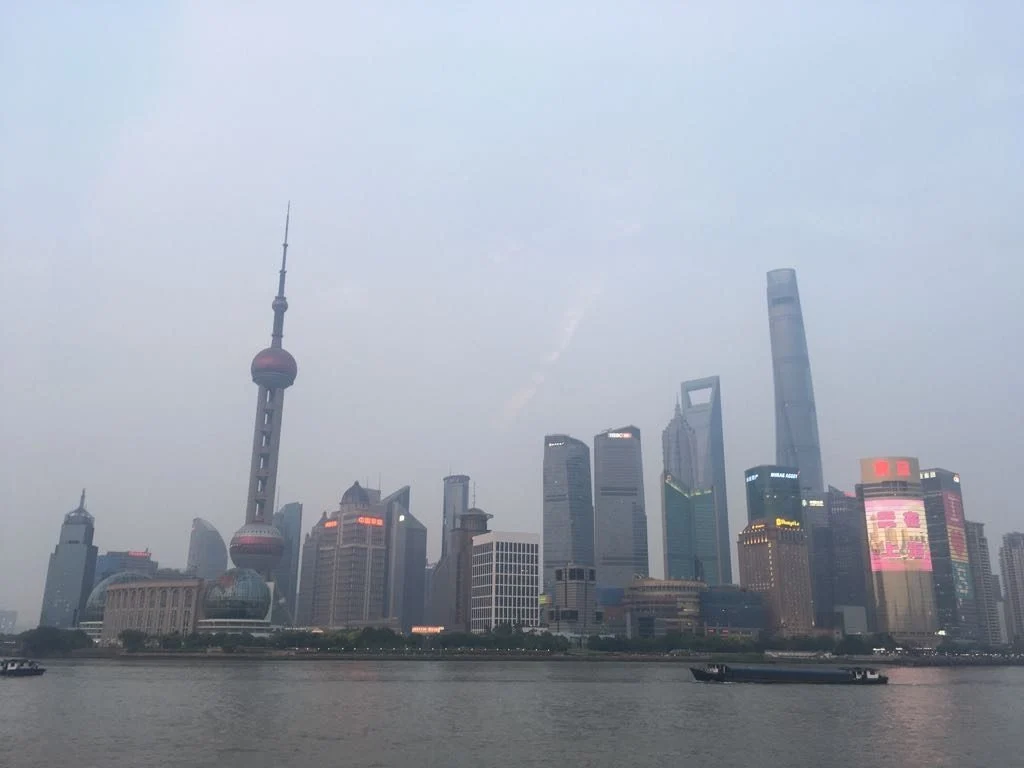
The nighttrain from Shanghai to Beijing is a comfortable affair. The train is new and clean. My travel partner and I can charge our phones and relax on soft beds. The railway is almost frictionless, and overall the experience is similar to any ride in the West. But outside, as the vehicle roars through the early night, things become increasingly hazy. As we reach further out from the Shanghai metr ...[Read More]