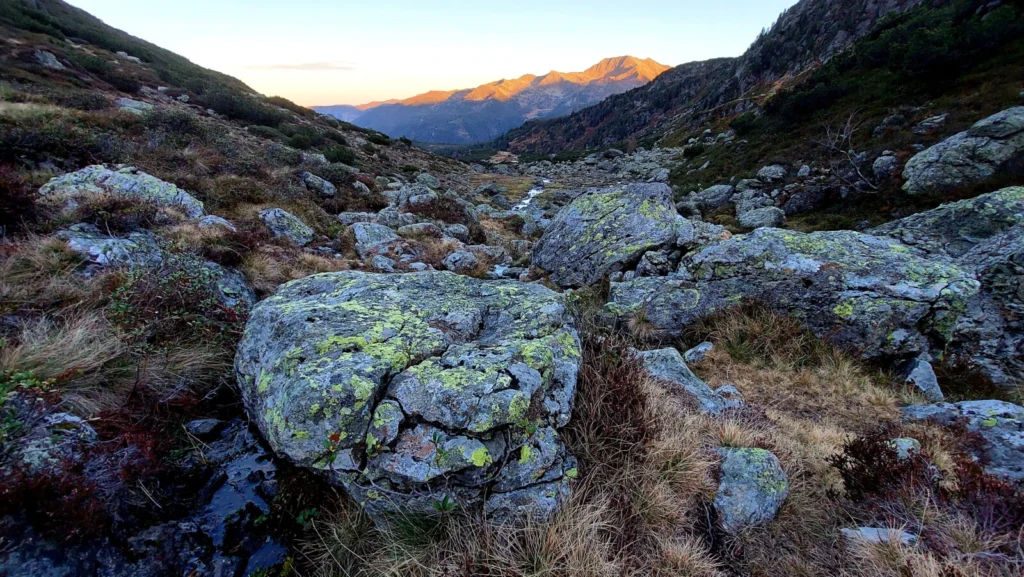
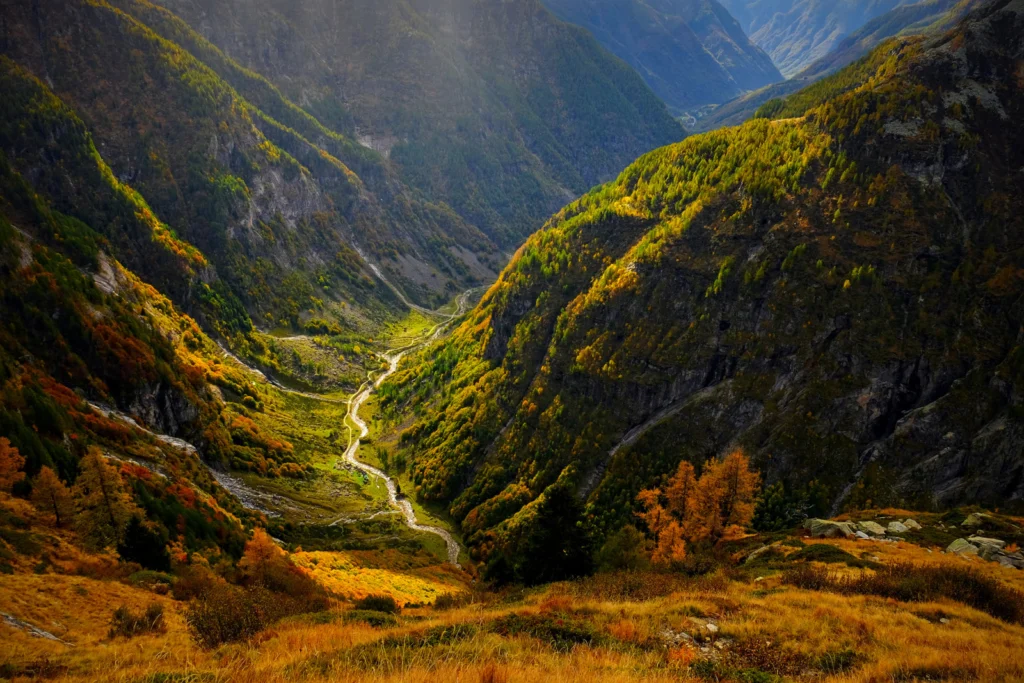
Today, 3 November, is globally recognized as the International Day for Biosphere Reserves. The first edition of this observance day was marked last year, with UNESCO urging our relationship with nature needed “a radical rethink.” As Audrey Azoulay, Director-General of UNESCO explains, “The logic is simple: to improve our relationship with nature, we must first improve our understanding of how we a ...[Read More]
GeoPolicy: Responding to the EU Nature Restoration Law
On 22 June 2022, the European Commission presented its proposal for the EU Nature Restoration Law with the aim to recover biodiverse and resilient nature across the EU. Like all new legislation, the EU Nature Restoration Law was proposed by the European Commission and underwent numerous rounds of feedback from the public, stakeholders, and organisations via the Commission’s Have your say pla ...[Read More]
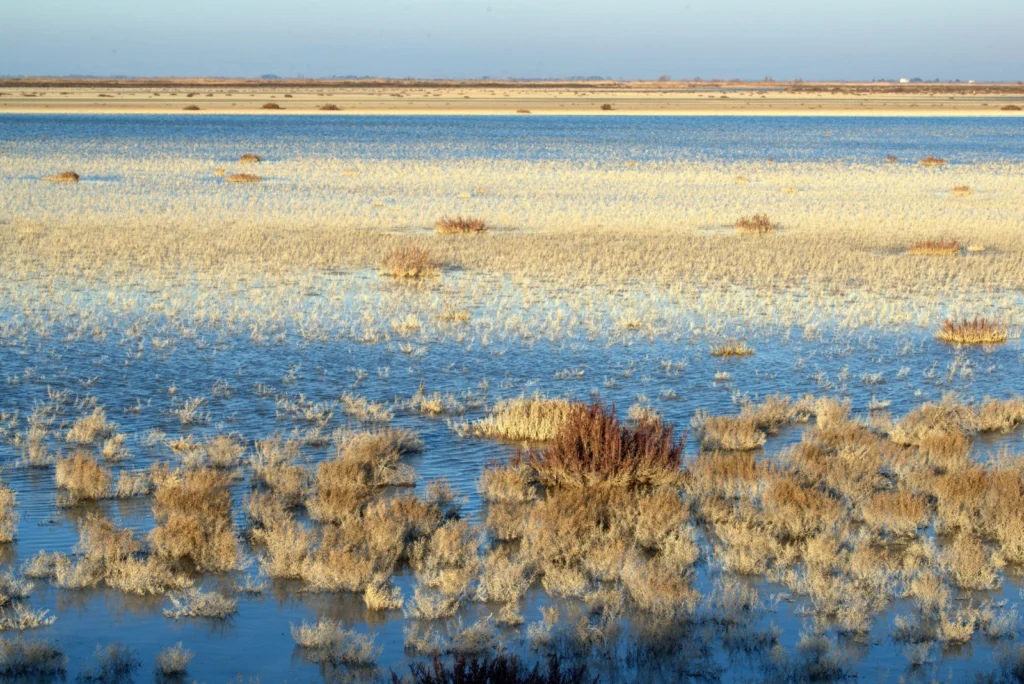
Imaggeo On Monday: The kidneys of the Planet
In the past, humans considered wetlands as morbid environments where it was difficult, if not impossible, to live. Wetlands, instead, are vital to the health of wildlife and humans, as the Ramsar convention stated in 1971. Wetlands regulate the water flow, buffering droughts as well as floods, and also contribute to the provision of clean water. In addition to water flow regulations and to the pro ...[Read More]
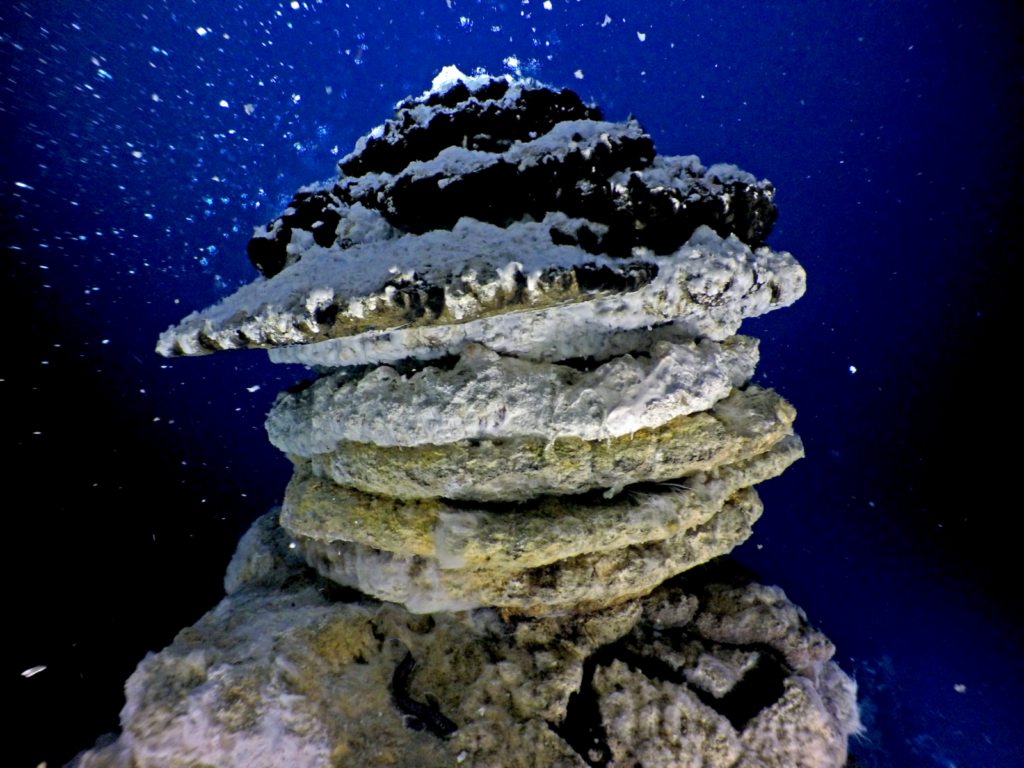
Imaggeo On Monday: Under the sea, in the deep, where fire meets water and life emerges III
650 metres below the chilly waves of the North Atlantic Arctic Ocean, equidistant between Norway, Iceland and Greenland, are the Jan Mayen Vent Fields. Home to a series of hydrothermal vents strung along a set of normal faults and fissures that run parallel to the seafloor ridge, this is a strange and fascinating place. Hydrothermal vents are places where tectonic activity provides a way for the h ...[Read More]
Imaggeo on Mondays: Bristlecone pines, some of Earth’s oldest living life forms
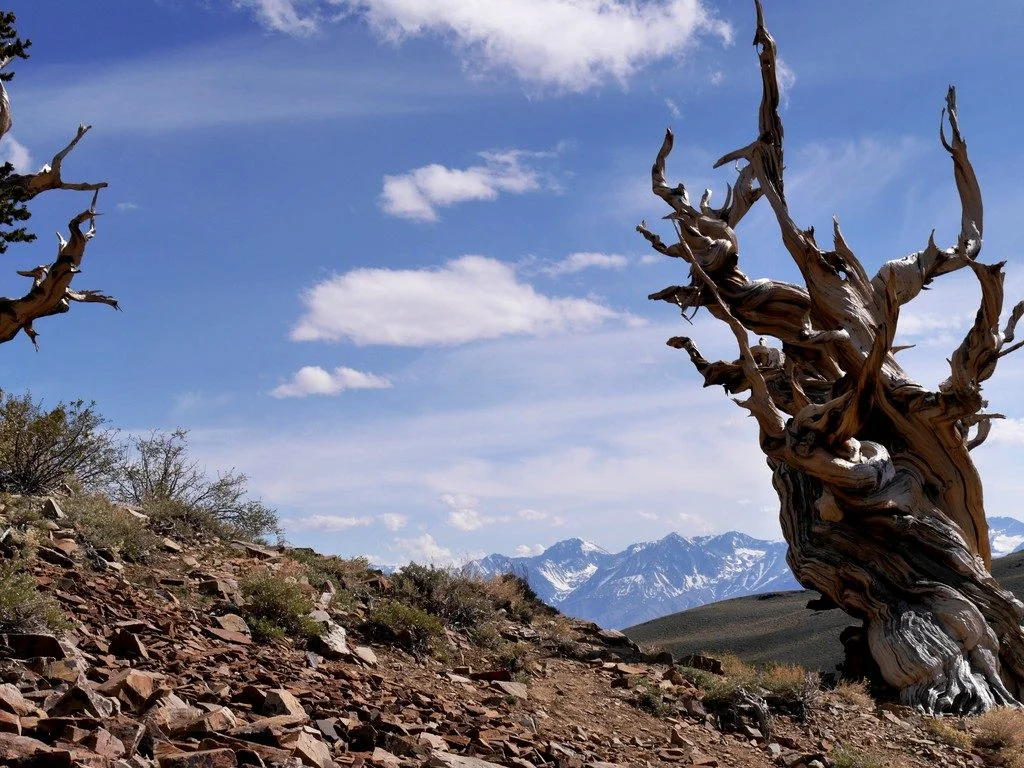
About 5,000 years ago, the ancient city Troy was founded, Stonehenge was under construction, and in the rugged Sierra Nevada mountain range, groves of bristlecone pine seedlings began to take root. Many of these pines are still alive today, making them the world’s oldest known living non-clonal life forms. Raphael Knevels, a PhD student from the Friedrich-Schiller-University’s Department of Geogra ...[Read More]
June GeoRoundUp: the best of the Earth sciences from around the web
Drawing inspiration from popular stories on our social media channels, as well as unique and quirky research news, this monthly column aims to bring you the best of the Earth and planetary sciences from around the web. Major Story With June being the month when the world’s oceans are celebrated with World Ocean Day (8th June) and the month when the UN’s Ocean Conference took place, it seemed apt t ...[Read More]
Imaggeo on Mondays: Emerald Moss
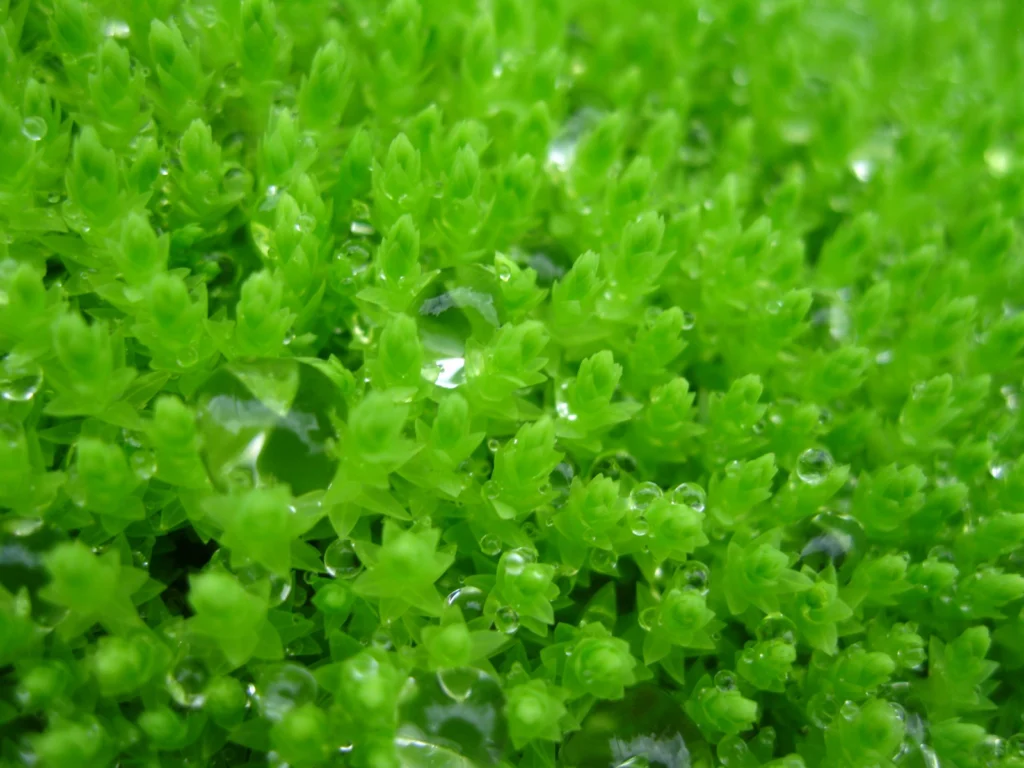
The high peaks of the Tien Shan Range, one of the biggest and largest mountain ranges of Central Asia, conjure up images of snowcapped peaks, rugged terrains and inhospitable conditions. Yet, if you are prepared to look a little further, the foothills of these towering peaks are a safe haven for life. Bulat Zubairov, a researcher at Humboldt University, takes us on a journey of discovery to the Il ...[Read More]