GeoLog

earthquake

Making earthquakes understandable: How “Near Me” search behavior can guide better risk communication

Making earthquakes understandable: How “Near Me” search behavior can guide better risk communication

When a tremor shakes the ground, the first thing many people do isn’t check a scientific database: they reach for their phone. Within seconds, searches like “earthquake near me” surge across Google. This simple phrase captures something profound: a universal need not to understand seismic mechanics, but to know “Am I safe?” Over the past few years, this “near me” framing has quietly reshaped how t ...[Read More]

The 1950 Assam-Tibet earthquake: A singular Himalayan earthquake on its 75th Anniversary

The 1950 Assam-Tibet earthquake: A singular Himalayan earthquake on its 75th Anniversary

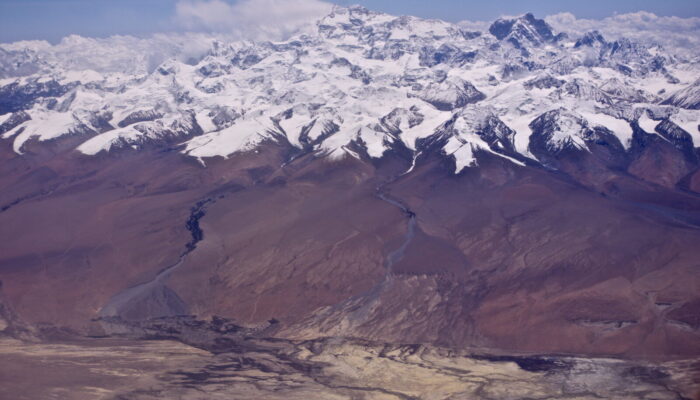
August 15, 1950, marked India’s fourth year of Independence. The young nation’s mood was optimistic. People all over India were celebrating the country’s newfound freedom. Known as the land of the rising Sun, the jubilant people of the northeastern part of the country were about to conclude the celebrations and retire for the day. In the northeast corner, surrounded by the Himalayan mountains, the ...[Read More]

Where to next? A Geotourism guide to some of the World’s most epic landscapes

Where to next? A Geotourism guide to some of the World’s most epic landscapes

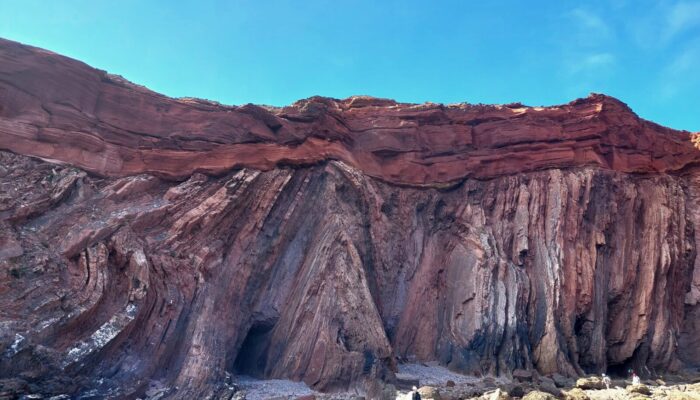
Geological tourism, or geotourism, offers a unique way to experience our planet’s incredible history and ongoing dynamic processes. Beyond simply admiring beautiful landscapes, geotourism invites us to understand the forces that shaped them, from ancient tectonic movements to the relentless power of erosion. Join us as we explore some remarkable geotourism destinations, each telling a compel ...[Read More]

Palaeoseismic crisis in the Galera Fault (southern Spain): consequences in Bronze Age settlements?

Palaeoseismic crisis in the Galera Fault (southern Spain): consequences in Bronze Age settlements?

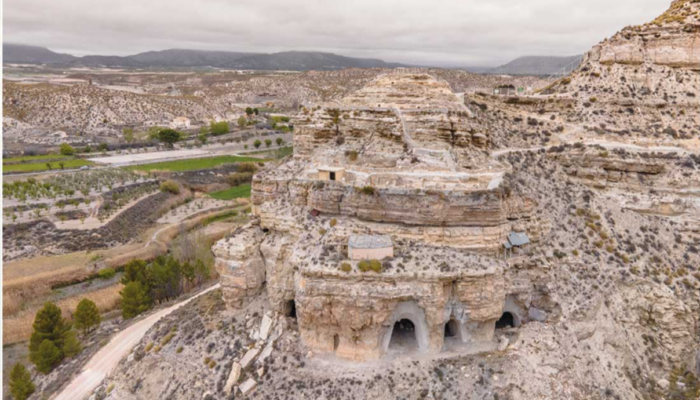
Alright, buckle up folks for this blog post, because we’re about to explore the wild ride of plate tectonics between the Iberian Peninsula (Eurasia plate) and North Africa (Nubia plate). These two plates are moving slowly at a moderate pace of 5-7 mm per year, which might not seem like much, but it’s enough to shake things up—literally! In a recent paper, published by our journal Solid Earth ...[Read More]