GeoLog

Cryosphere

Imaggeo on Mondays: Science in the Arctic trenches
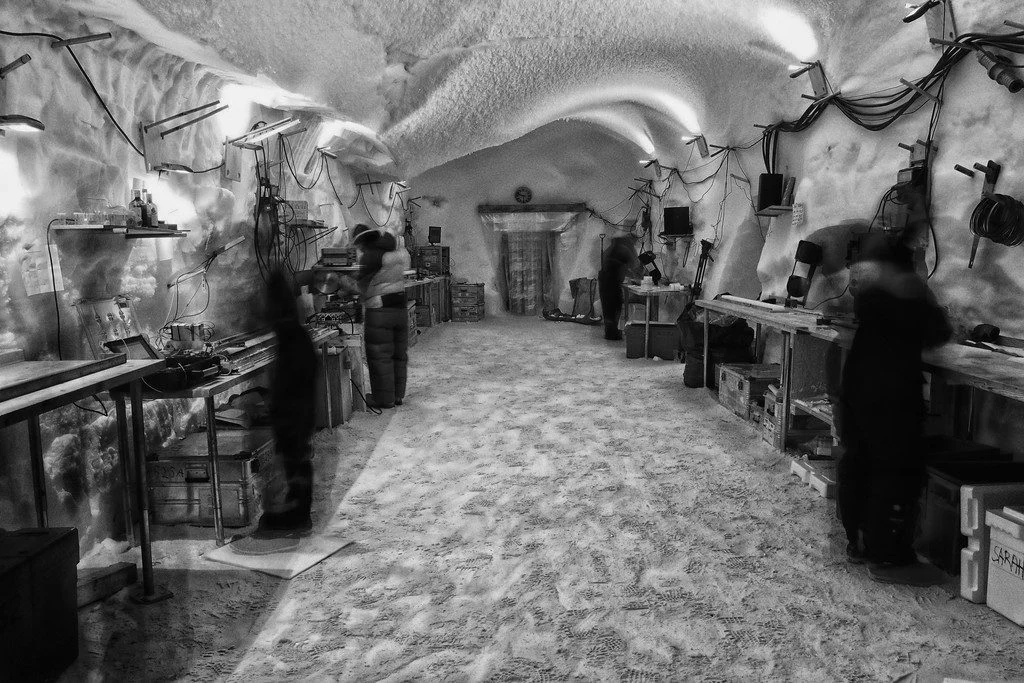
Imaggeo on Mondays: Science in the Arctic trenches
Pictured here are climate scientists processing ice core samples in the East Greenland Ice-core Project (EastGRIP) science trench 10 m under the surface of the Greenland ice cap. The trenches of this ice core camp require minimum building materials, utilising giant inflatable balloons that are dug in and covered with snow. The snow is left …[Read More]

Geosciences Column: The science behind snow farming

Geosciences Column: The science behind snow farming

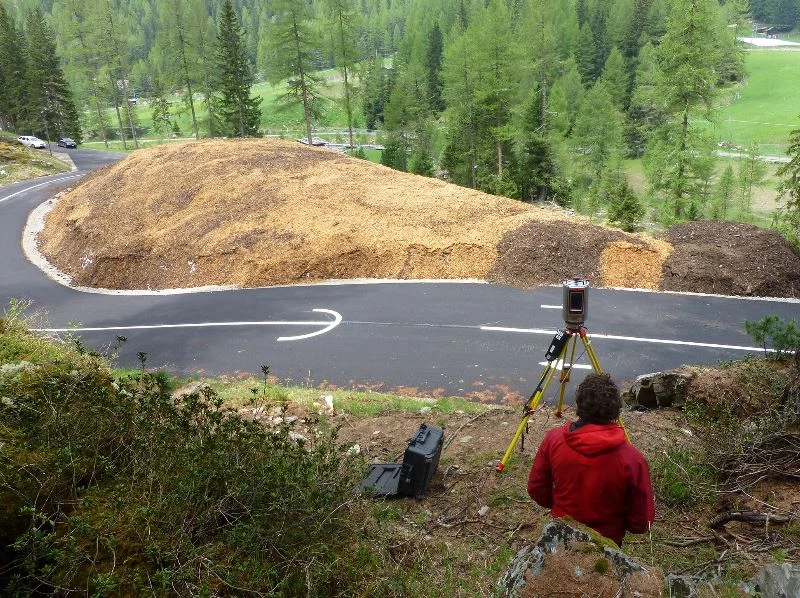
For roughly the last decade, some ski resorts and other winter sport facilities have been using a pretty unusual method to ensure white slopes in winter. It’s called snow farming. The practice involves collecting natural or artificially made snow towards the end of winter, then storing the frozen mass in bulk over the summer under …[Read More]

Imaggeo on Mondays: Tongue of a small giant

Imaggeo on Mondays: Tongue of a small giant

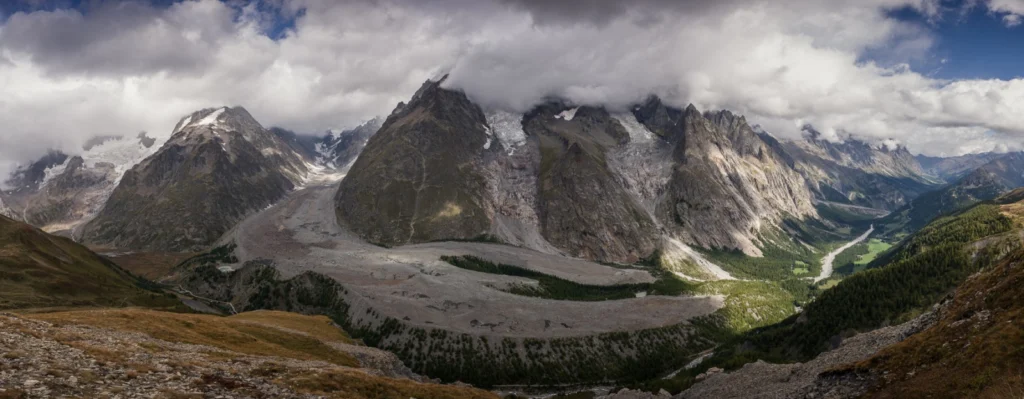
In a world where climate change causes many mountain glaciers to shrink away, bucking the ‘melting’ trend is not easy. In today’s post, Antonello Provenzale, a researcher in Italy, tells us of one glacier in the Alps which is doing just that. Mountain glaciers are retreating worldwide, with the possible exception of the Karakoram area. …[Read More]

Imaggeo on Mondays: Sneaking up from above

Imaggeo on Mondays: Sneaking up from above

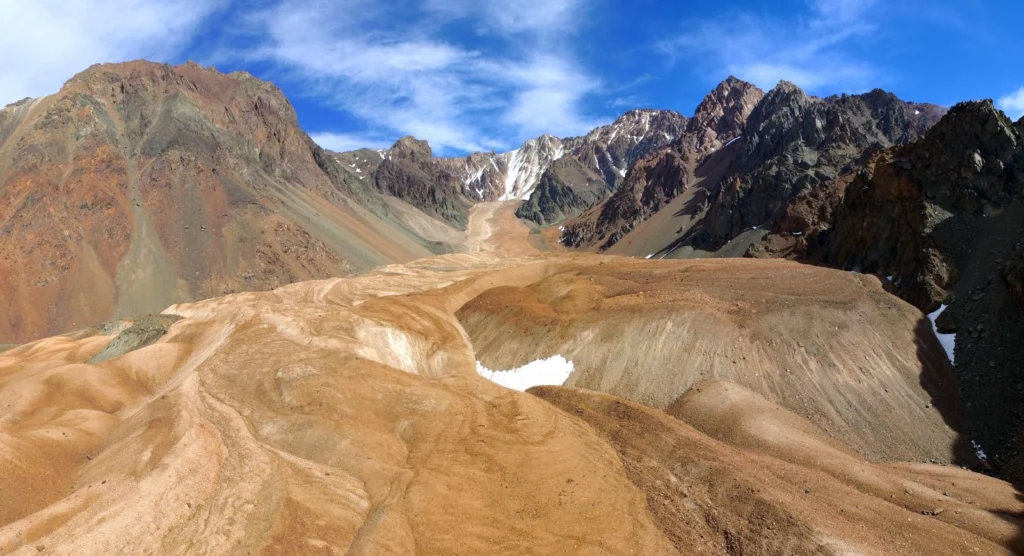
Take some ice, mix in some rock, snow and maybe a little mud and the result is a rock glacier. Unlike ice glaciers (the ones we are most familiar with), rock glaciers have very little ice at the surface. Looking at today’s featured image, you’d be forgiven for thinking the Morenas Coloradas rock glacier wasn’t …[Read More]

Imaggeo on Mondays: Why does a Norwegian glacier look blue?

Imaggeo on Mondays: Why does a Norwegian glacier look blue?

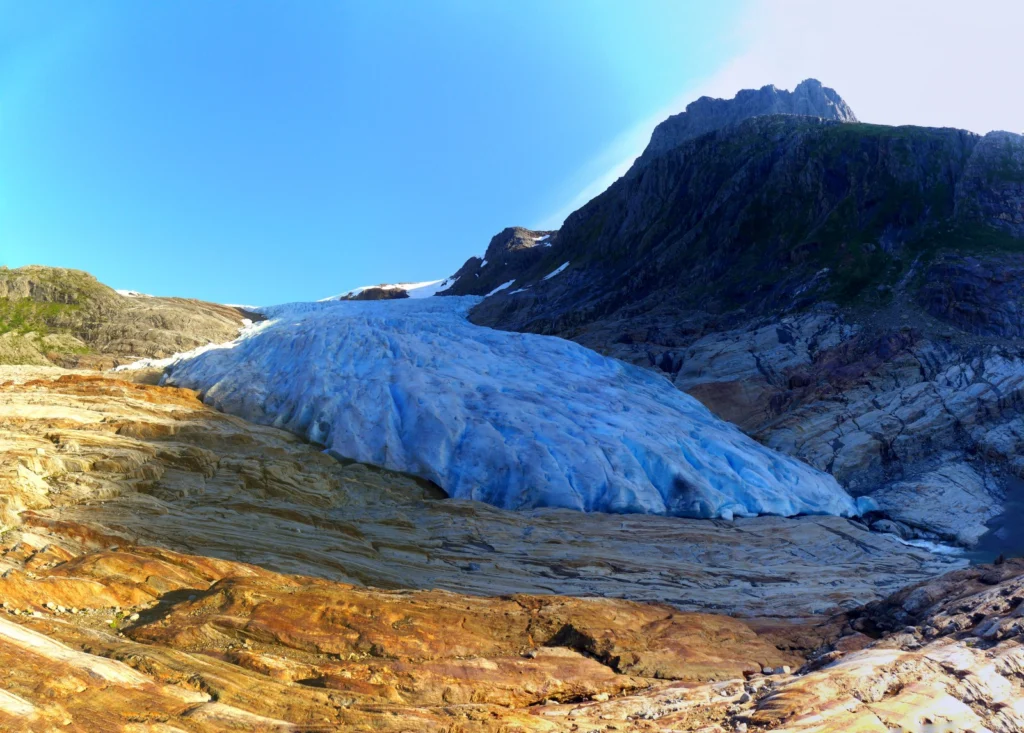
This picture shows the outlet glacier Engabreen running down from the plateau of Svartisen in Norway. Svartisen ice cap comprises two glacier systems of which the Vestre (western) Svartisen is Norway’s second largest glacier. Located right at the polar circle, Svartisen covers a total of 369 km² of the Nordland region. These coastal mountains accumulate …[Read More]

Imaggeo on Mondays: Glacier de la Pilatte

Imaggeo on Mondays: Glacier de la Pilatte

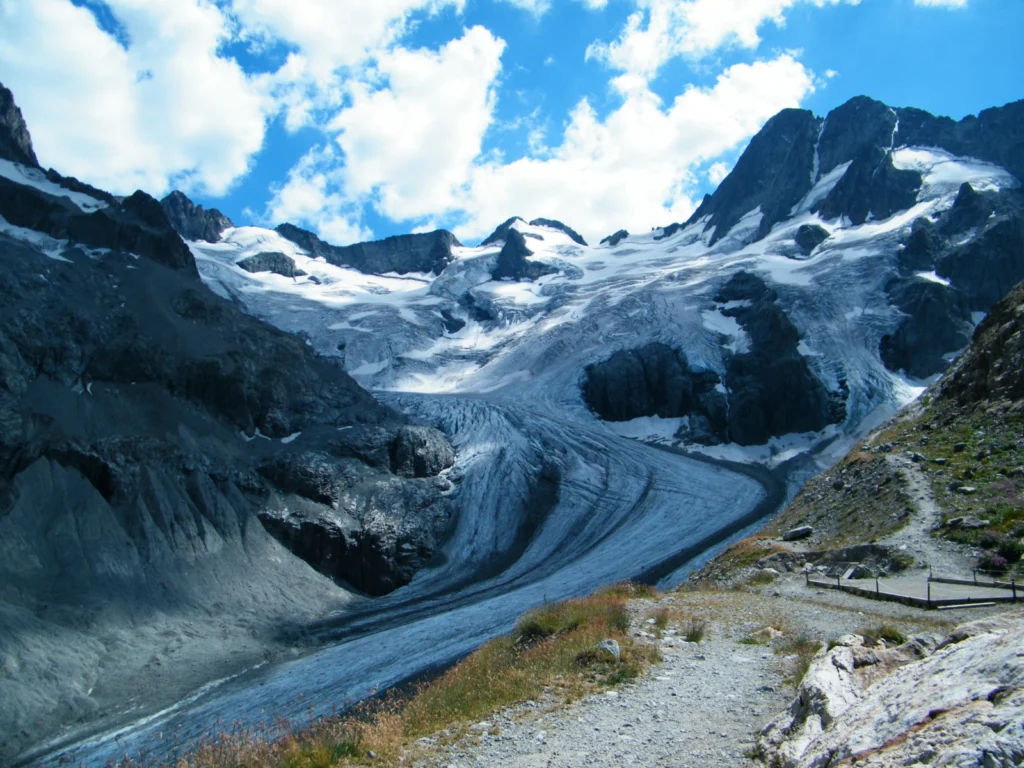
The relentless retreat of glaciers, globally, is widely studied and reported. The causes for the loss of these precious landforms are complex and the dynamics which govern them difficult to unravel. So are the consequences and impacts of reduced glacial extent atop the world’s high peaks, as Alexis Merlaud, explains in this week’s edition of …[Read More]

Imaggeo on Mondays: Rock glaciers

Imaggeo on Mondays: Rock glaciers

Picture a glacier and you probably imagine a vast, dense mass of slow moving ice; the likes of which you’d expect to see atop the planet’s high peaks and at high latitudes. Now, what if not all glaciers look like that? Take some ice, mix in some rock, snow and maybe a little mud and …[Read More]

GeoPolicy: How to communicate science to policy officials – tips and tricks from the experts

GeoPolicy: How to communicate science to policy officials – tips and tricks from the experts

The EGU General Assembly was bigger than ever this year. Over 16,500 people attended more than 500 sessions. Although many sessions featured policy-relevant science, the short course entitled ‘Working at the science policy interface‘ focused purely on the role of scientists within the policy landscape. For those of you that couldn’t attend, this month’s GeoPolicy post …[Read More]

The best of Imaggeo in 2015: in pictures

The best of Imaggeo in 2015: in pictures

Last year we prepared a round-up blog post of our favourite Imaggeo pictures, including header images from across our social media channels and Immageo on Mondays blog posts of 2014. This year, we want YOU to pick the best Imaggeo pictures of 2015, so we compiled an album on our Facebook page, which you can …[Read More]