GeoLog

clouds

Under the Mediterranean sun: The thousand year tale of changing skies
Under the Mediterranean sun: The thousand year tale of changing skies
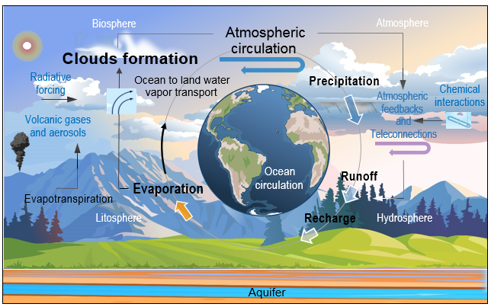
When you picture the western Mediterranean, you likely imagine sun-drenched beaches, terracotta roofs, and bright blue skies. But has it always been this sunny? A groundbreaking study published in the journal Research provides a definitive answer: it has not. By pulling back the curtain – or rather, the cloud cover – on a thousand years of climate history, scientists have developed the ...[Read More]

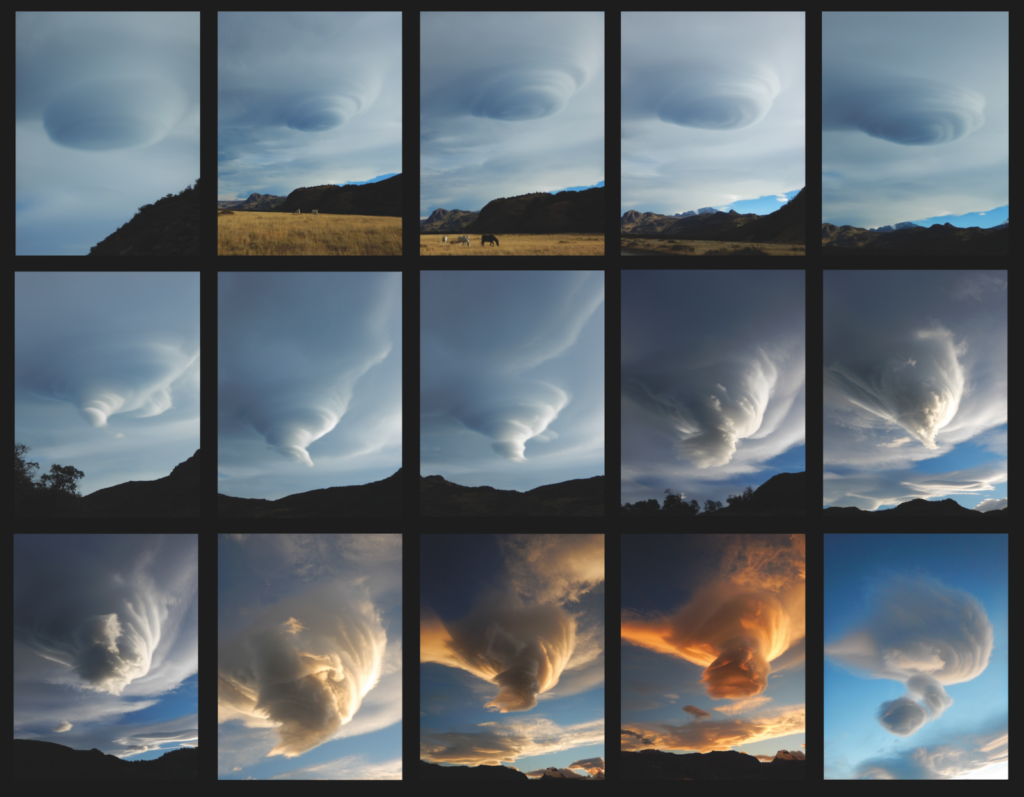
Imaggeo On Monday: The evolution of a cloud during a day

Imaggeo On Monday: The evolution of a cloud during a day

A cloud in the lee of the Patagonian Andes observed during an entire day. The shape of the cloud changed from lenticular to whirl- and funnel-shaped. Description by Christoph Mayr, after the description on imaggeo.egu.eu.   Konstantinos Kourtidis also added a comment to the image, explaining more about how lenticular clouds like these can form: “That’s a great photo sequence. The ...[Read More]

Imaggeo on Mondays: Inside the whale’s mouth

Imaggeo on Mondays: Inside the whale’s mouth

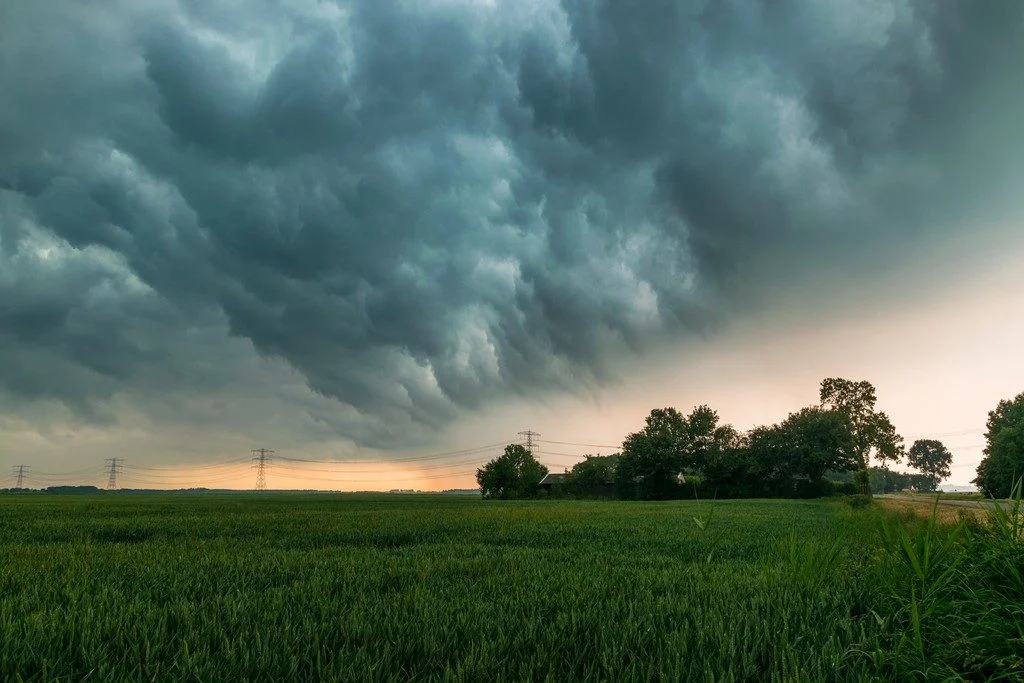
Often there are moments in our lives when we are reminded of the strength and magnitude of our environment, whether that’s trekking through a mountain range or gazing at the horizon from the ocean shore. Yet arguably there are few things that can make you feel as small as a particularly powerful summer storm. “The atmosphere is undoubtedly one of the most dynamic components in the Earth System. No ...[Read More]

Imaggeo on Mondays: Cumulonimbus, king of clouds

Imaggeo on Mondays: Cumulonimbus, king of clouds

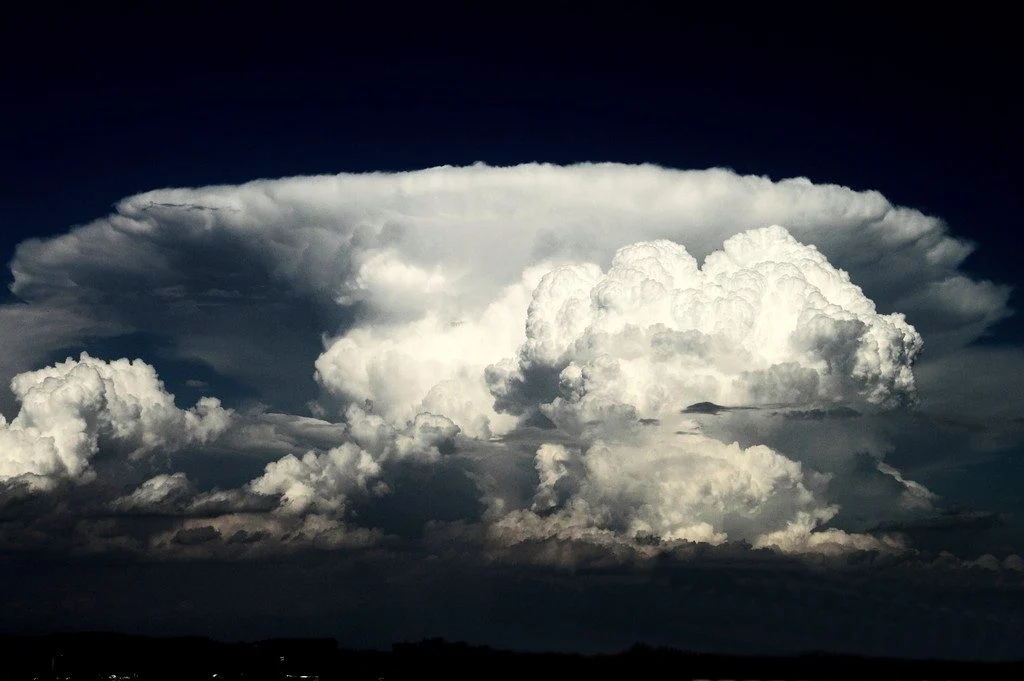
This wonderful mature thunderstorm cell was observed near the German Aerospace Center (DLR) Oberpfaffenhofen. A distinct anvil can be seen in the background meanwhile a new storm cell is growing in the foreground of the cumulonimbus structure. Mature storm cells like this are common in Southern Germany during the summer season. Strong heat, enough moisture, and a labile stratification of the atmos ...[Read More]