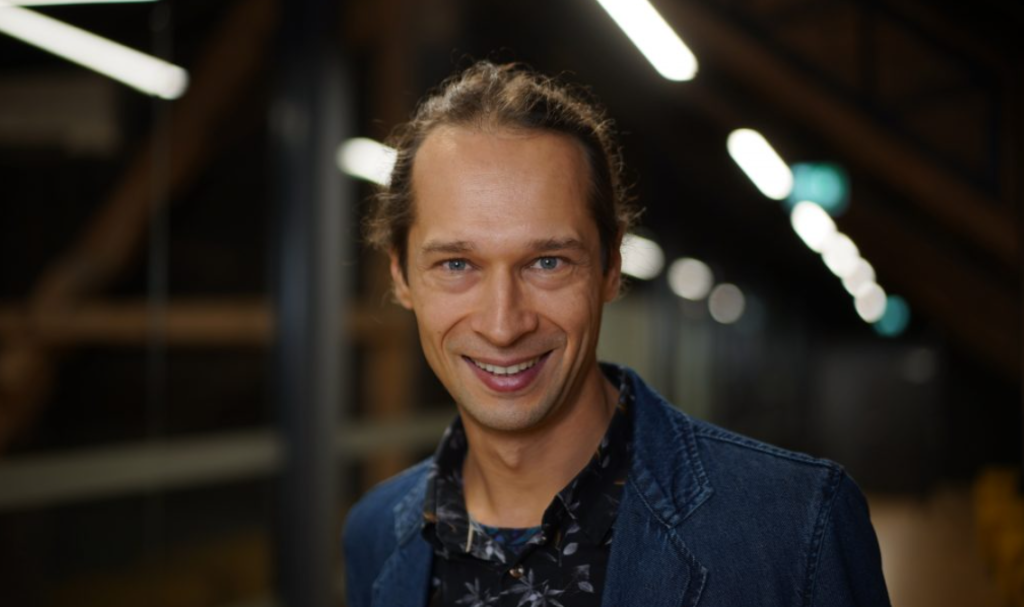
Adam, welcome to GeoTalk! You’re an environmental historian and human ecologist, with an interest in biodiversity. Can you tell us how understanding historic changes to social and ecological systems can provide an insight into biodiversity loss today? This is a question that environmental historians face every time they talk about their work! Let me put …[Read More]
biodiversity
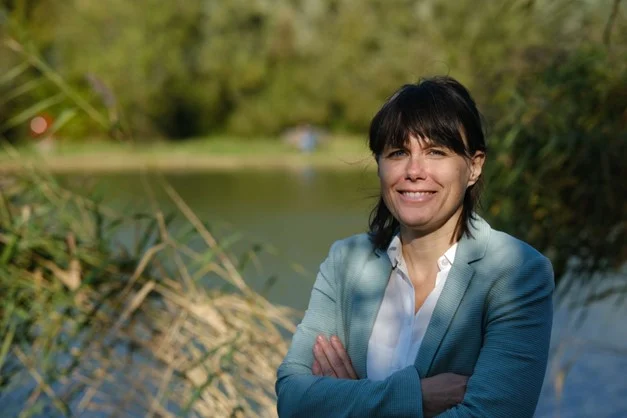
GeoTalk: Meet Annegret Larsen, Biogeomorphologist and Quaternary Scientist passionate about rewilding and a member of EGU’s Biodiversity Task Force.
Annegret, welcome to GeoTalk! You’re a researcher who focuses on abiotic-biotic environmental interactions. Can you tell us how the implications of your research extend to sustainable management practices? The United Nations, European Union, and national governments require us to restore landscapes to a ‘natural’ state. However, European landscapes have been shaped by human activity for …[Read More]
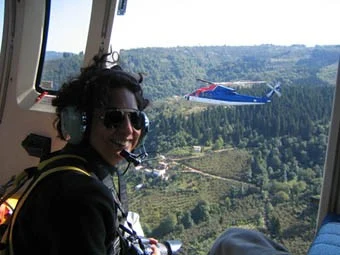
GeoTalk: Meet Bikem Ekberzade, conflict and photo journalist turned earth-systems science researcher and EGU Biodiversity Task Force member
Bikem – Welcome to GeoTalk! Can you tell us a bit about your research on climate change and its impact on terrestrial ecosystems? Thank you for having me. My current research focuses on forests and the impact of changes in climatic drivers on these ecosystems in terms of species composition, range shifts, and so on. …[Read More]
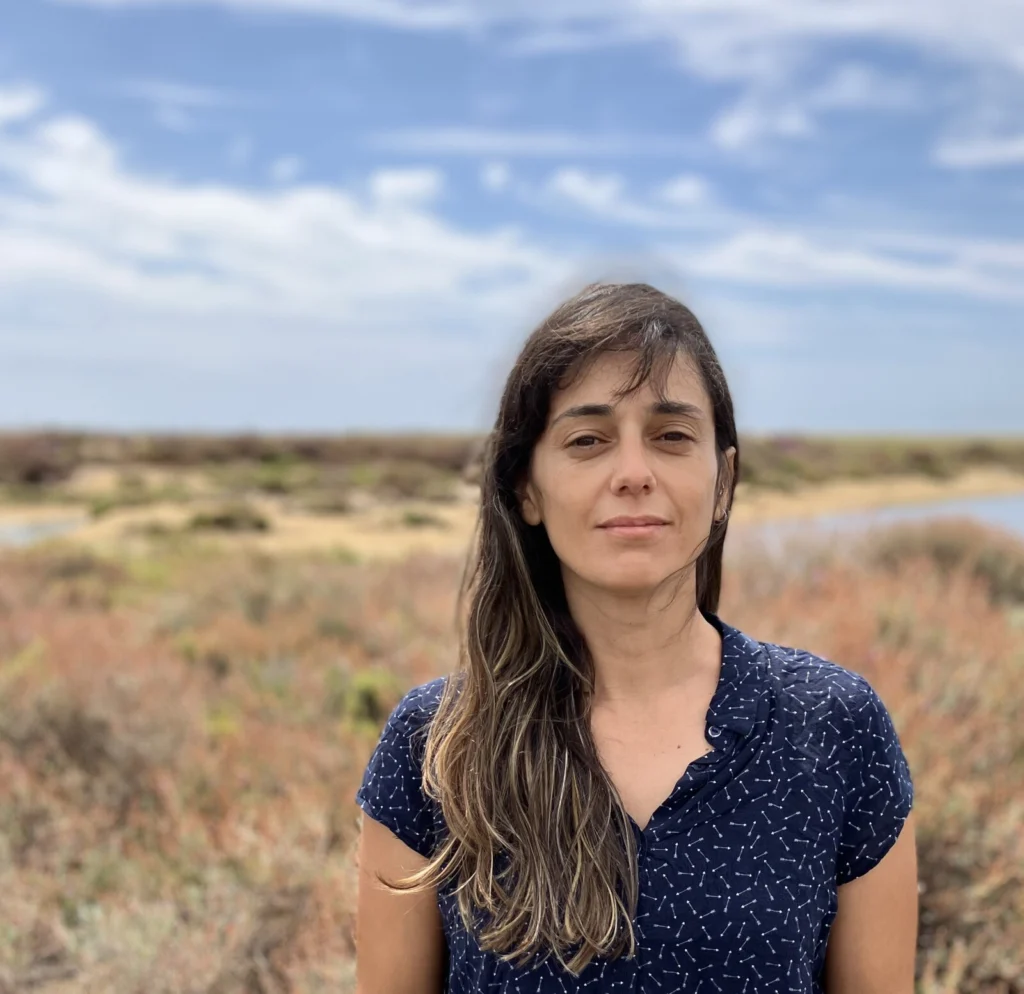
GeoTalk: Rita Carrasco: Researcher in wetlands biogeormorphology and EGU Biodiversity Task Force member
Rita, welcome to GeoTalk! Can you tell us a bit about what initially drew you to the field of coastal geomorphology and wetland ecosystems? Thanks for inviting me! My academic background is in environmental engineering, with a lifelong passion for coastal areas and geomorphology. The real inspiration comes from a constant desire to contribute to …[Read More]
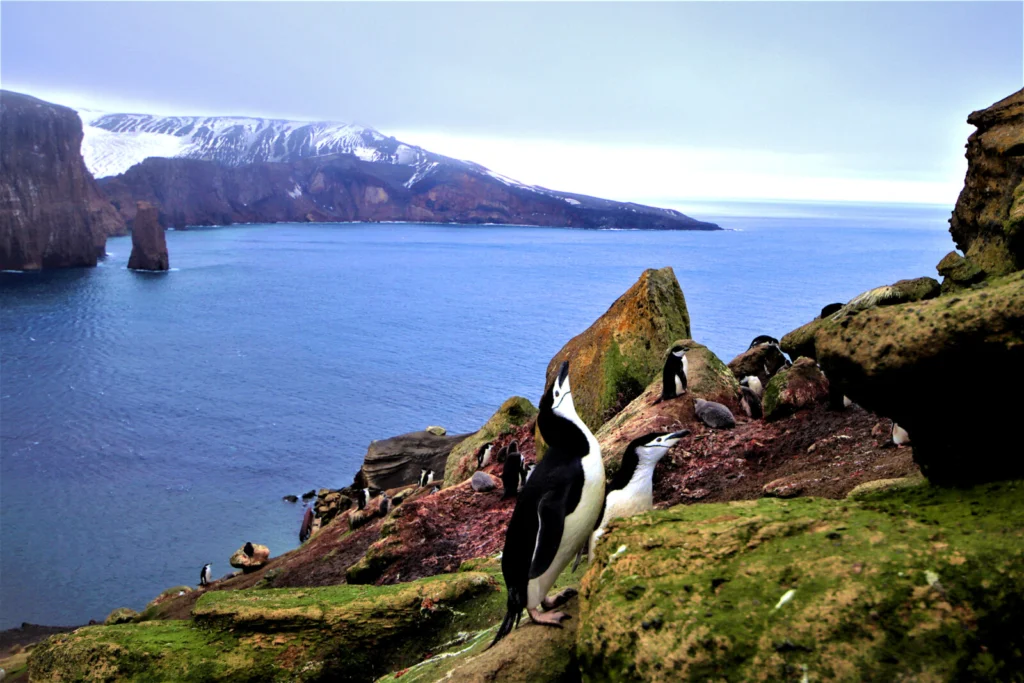
Predators or gardeners: how penguins fertilise Antarctica’s biodiversity
On the desolate Antarctic peninsula, a colony of penguins creates a hub of biodiversity. One may ask, how exactly do those aquatic birds help maintain and enrich the variety of different kinds of organisms from plants and animals, to a wide range of insects and micro-organisms that live on our planet? The answer is quite …[Read More]
Women claim their space in science and encourage you to do the same!
The world we live in today has innumerably more career options than our parents and their parents did. But women and young girls continue to be a minority when it comes to careers in science. Experts call this the “STEM Gap”, where STEM stands for Science, Technology, Engineering and Mathematics. According to a UNESCO report, …[Read More]
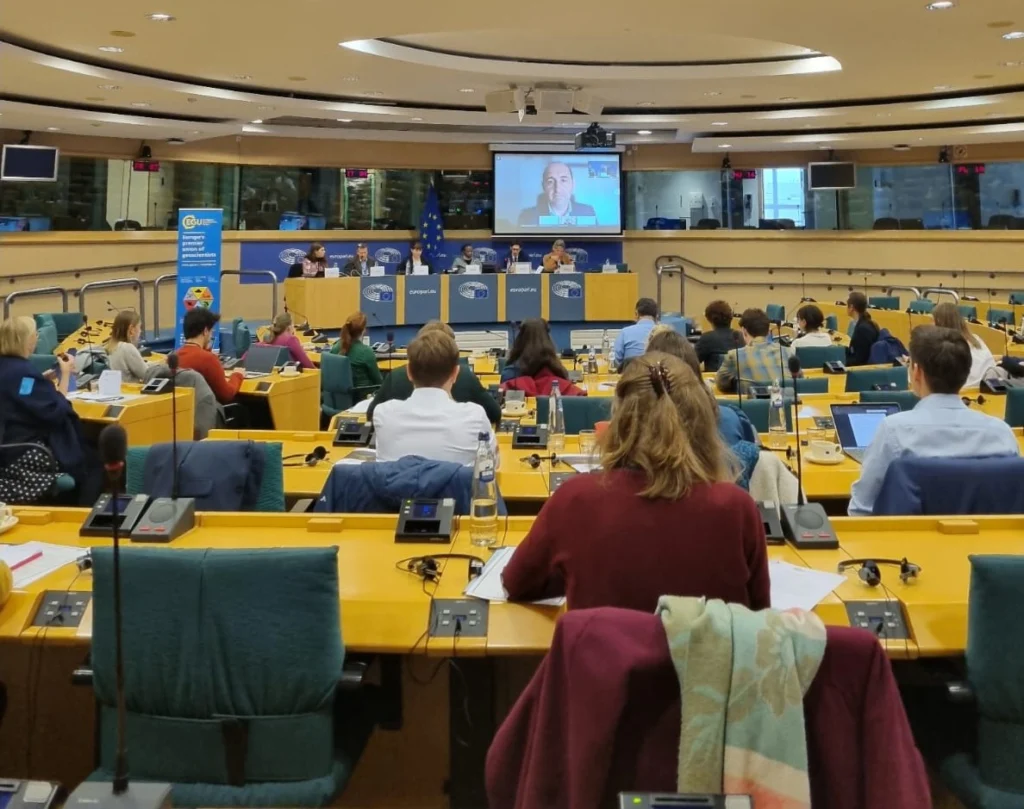
GeoPolicy: 5 ways for scientists to take the lead on evidence-informed policymaking
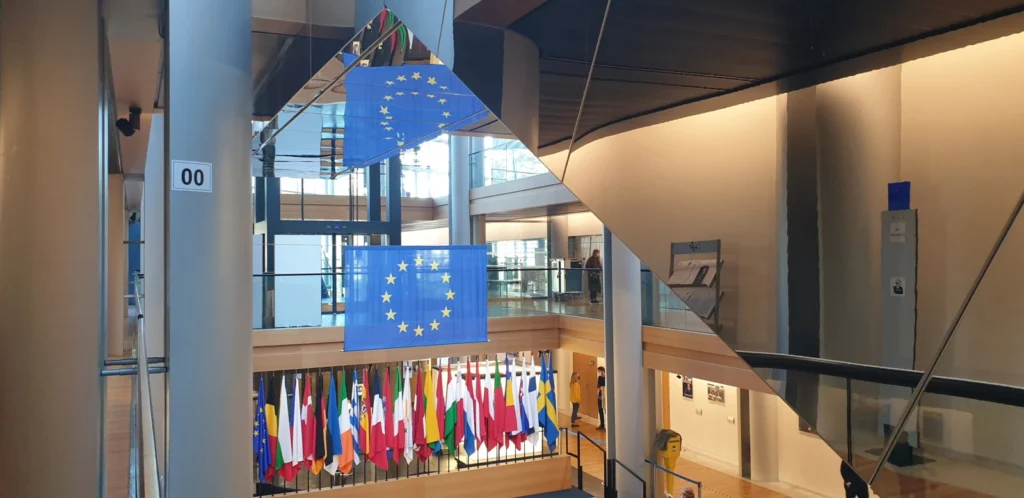
On 15 November 2022, the EGU and the European Parliament Intergroup on ‘Climate Change, Biodiversity and Sustainable Development’ jointly coordinated an event, ‘Supporting the EU’s Biodiversity Targets by Bridging the Science-Policy Divide’. The event highlighted how science could be used to support the ambitious targets outlined in the EU Biodiversity Strategy for 2030 and proposed EU Nature Restoration Law. But …[Read More]
GeoPolicy: Responding to the EU Nature Restoration Law
On 22 June 2022, the European Commission presented its proposal for the EU Nature Restoration Law with the aim to recover biodiverse and resilient nature across the EU. Like all new legislation, the EU Nature Restoration Law was proposed by the European Commission and underwent numerous rounds of feedback from the public, stakeholders, and organisations …[Read More]
Imaggeo On Monday: Križna jama
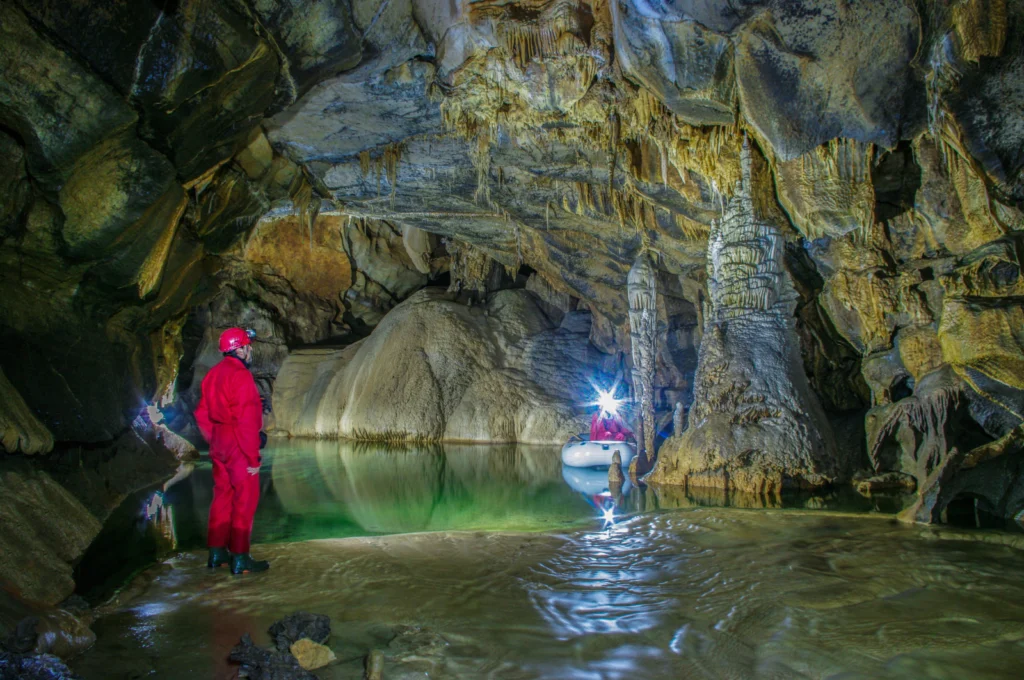
The Križna jama Cave on the east side of the periodic Cerknica Lake in Slovenia is an underground karstic cave primarily famous as a rich site of bones of the extinct cave bear, Ursus speleus. The eight kilometer long cave is full of stalagmites and stalactites (sometimes called drip-stone decorations) and also boasts 50 underground …[Read More]
GeoPolicy: What’s new in 2022?
2021 was yet another year of uncertainty, with many changes and disruptions to our plans, activities, and goals. EGU’s science for policy programme was no exception to this with the Science for Policy Pairing Scheme and annual Science for Policy Event taking a back seat. We hope that 2022 will not only bring new activities …[Read More]