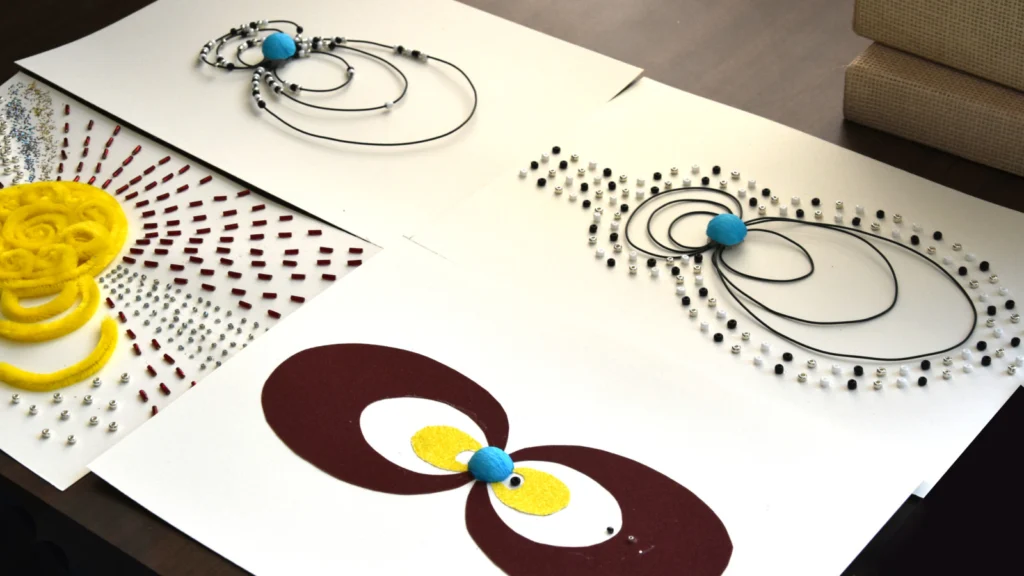
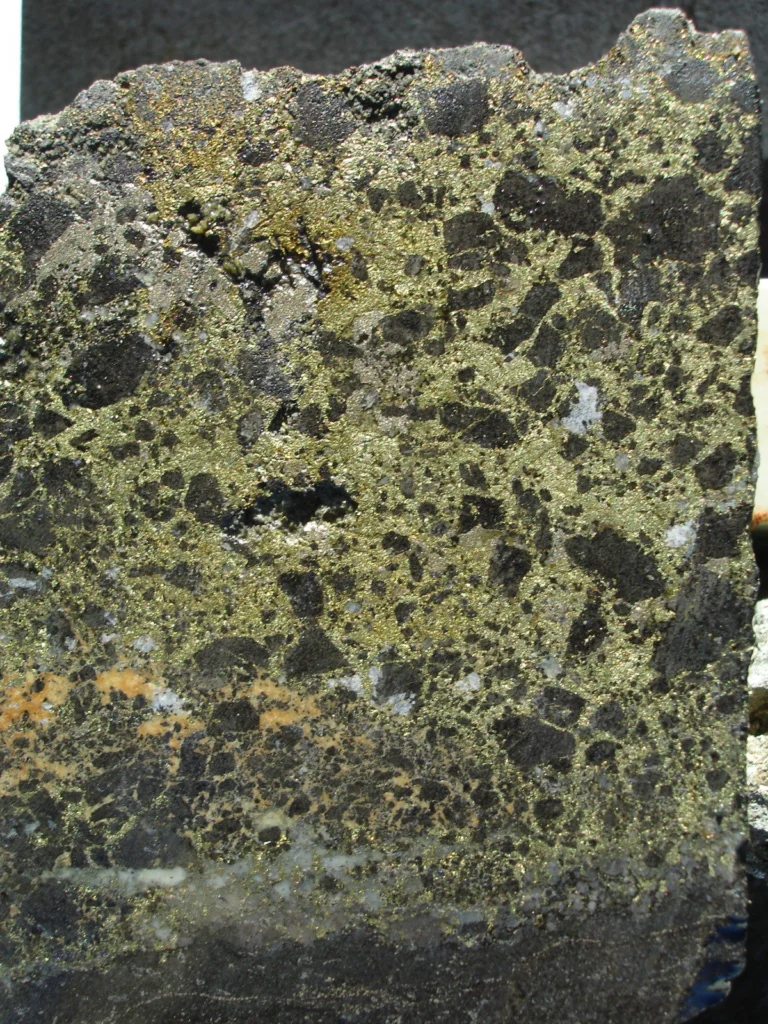
We can all probably agree that the Northern Lights are one of the world’s most spectacular natural displays. But how do we share this beauty with children who are blind? How do we explain the processes behind the aurora creation to the visually impaired when all the illustrations of Earth’s magnetosphere are in 2D? The …[Read More]
Accessibility
EGU22: Rethinking (geo)scientific conferences today
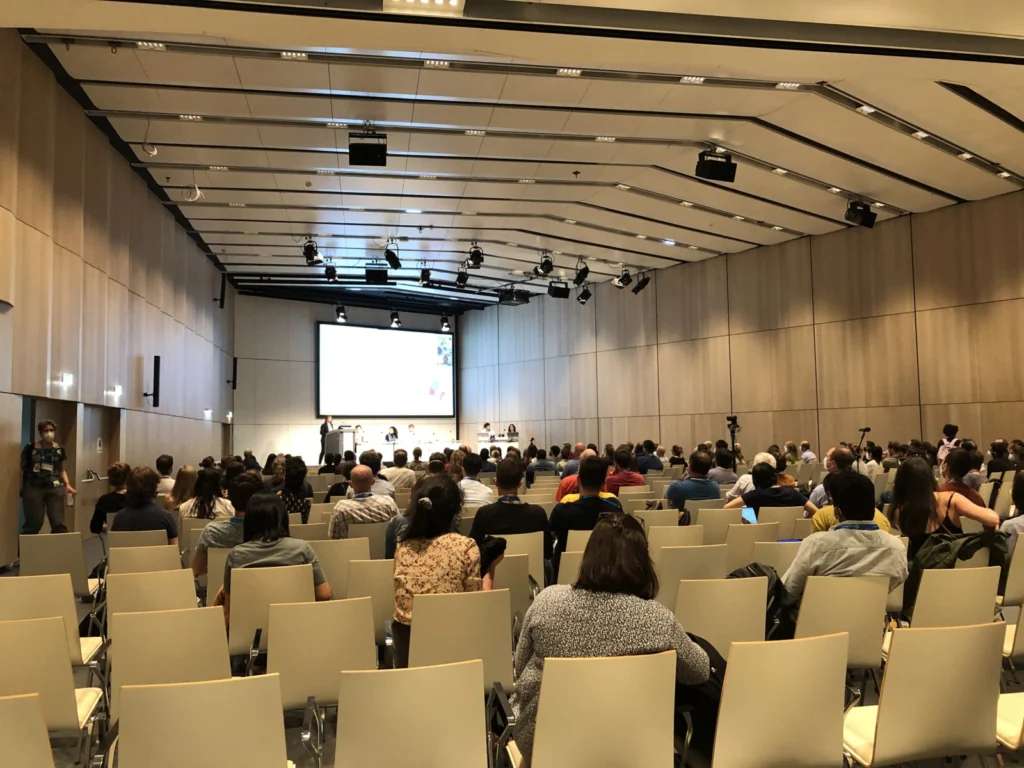
From aiming at globally distributed, but virtually connected conference hubs to live subtitles and translations: never has the scientific conference format been on a trajectory of such abrupt change. What the new format of the coming years will be is still unclear, but it will need fewer chairs and more bandwidth, and should be sensibly …[Read More]
How to EGU22: Help us ensure a safe and inclusive EGU22!
It is true that academic gatherings like scientific conferences can offer great opportunities for career advancement, such as building stronger networks, highlighting your research, and finding new opportunities for collaboration. Unfortunately, many conferences are not equally inclusive to all (see the image below) and can pose as unsafe environments for presenters and participants. With EGU22 …[Read More]
How to EGU22: Making your presentation accessible to all!
The last couple of years have changed the way we communicate with each other – both in our professional and personal lives. The pandemic has inspired many of us to experiment with and embrace new digital ways of working, catching up with family and friends, networking, and more! This is also true for the way …[Read More]
Accessibility at vEGU21: creating an accessible (and effective) presentation!
Even before the global pandemic reshaped how we share our scientific research, presenting our results online has become more and more a normal activity for researchers around the world. Digital conferencing, remote presentations and pre-recorded talks shared over the internet have a lot of positives and negatives, not least of which is the ability to …[Read More]
Accessibility at EGU: Promoting inclusive language, an incomplete guide – VERSION 2!
Like all people, geoscientists can sometimes forget the importance of language. How scientists use language is important because it not only allows us to communicate effectively with different groups, from policymakers to concerned citizens and other researchers, but it can also influence how people respond on an emotional or personal level. The way we use …[Read More]
Colour deficient vision and the geosciences; just another way of looking at things
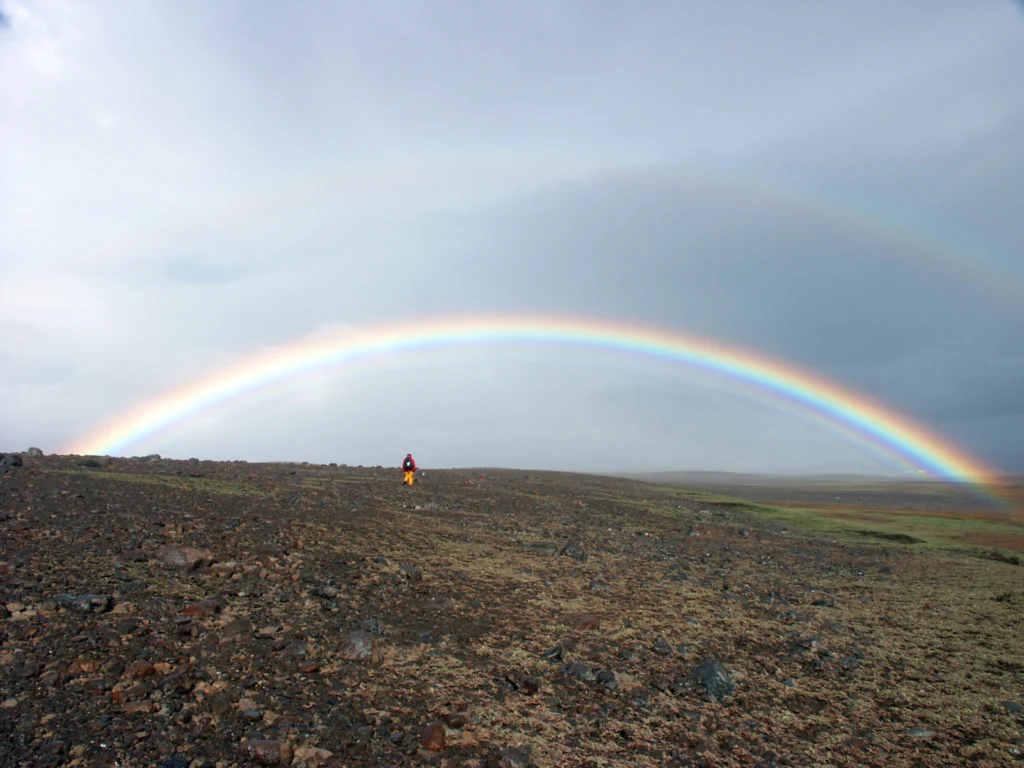
Like a reasonably large proportion of the population, I have colour vision deficiency (also known as colour deficient vision or colourblindness). I’m not going to get into the technical aspects of what this is like as they are covered well here and here, and you can do an Ishihara test, and other tests here, to …[Read More]
LGBTQIA+ in the field
As a part of any field-based science work, whether it be as an individual scientist, research team or with students, we must first conduct a risk assessment. This often focuses on the physical dangers that you, your colleagues or students may encounter whilst working in stressful and sometimes unfamiliar environments. More recently, field-based risk assessments …[Read More]
GeoTalk: Inaugural Katia and Maurice Krafft Award winner, Rhian Meara talks about the EGU award nominations.
Hi Rhian, thanks for talking with us today about the EGU’s Award nominations, please start by introducing yourself! I’m a physical geography and geology lecturer at Swansea University, with a particular focus on teaching through the medium of Welsh. I have been awarded the Katia and Maurice Krafft Award for my work on the British …[Read More]
#shareEGU20: A closing message from Susanne Buiter, outgoing Programme Committee Chair.
Susanne Buiter, a Professor at RWTH Aachen University in Germany and former President of the Tectonics and Structural Geology Division of EGU, will be stepping down from her current role as Programme Committee Chair at the end of this year’s General Assembly. Whilst that should have happened in Vienna as normal, EGU was faced with …[Read More]