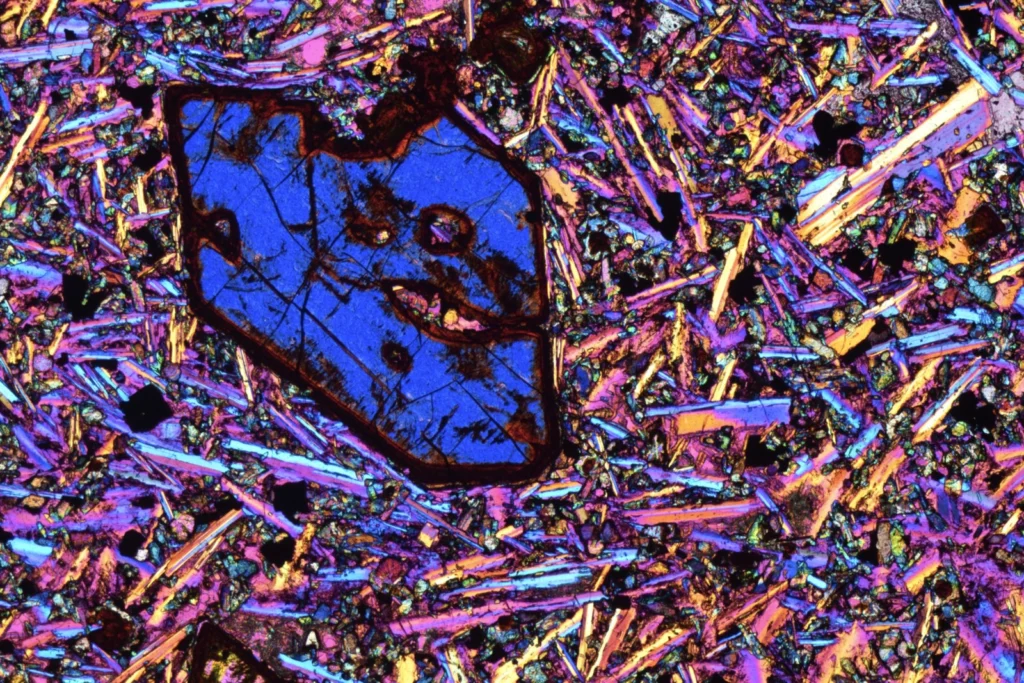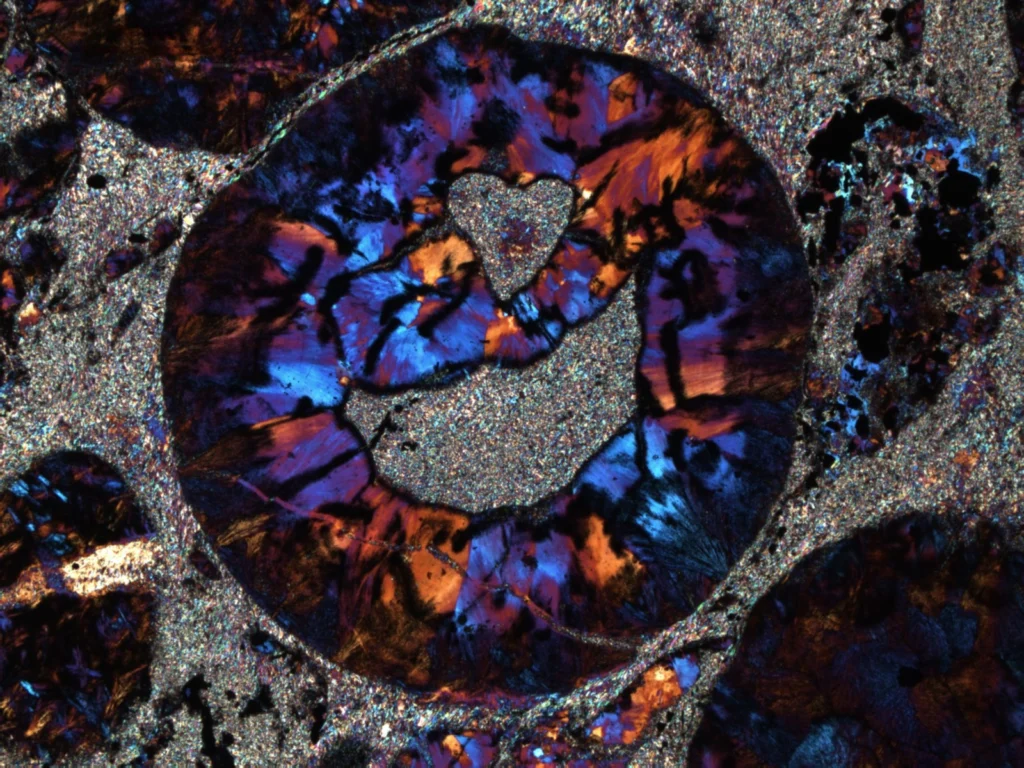
This is a crossed polarized light photomicrograph of an impact spherule; a small mineralisation made when a meteorite hits the Earth and melts the rock at the point of impact, from Barberton Greenstone Belt, in South Africa. These spherules are the only remnants of Early Earth’s meteorite impact history, from between of 3.2 and 3.5 …[Read More]
GeoLog
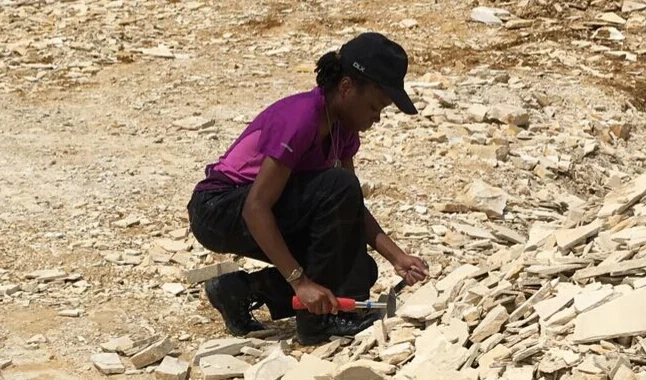
GeoTalk: Nadine Gabriel, creator of #AreYouSiO2? and Assistant Curator of Fossil Mammals.
Hi Nadine, thanks for speaking with us today, can you tell us a little bit about your background and how you got to where you are now? Thank you for inviting me! I’m a geologist and the Assistant Curator of Fossil Mammals at the Natural History Museum, London. I studied MSci Geology at University College …[Read More]
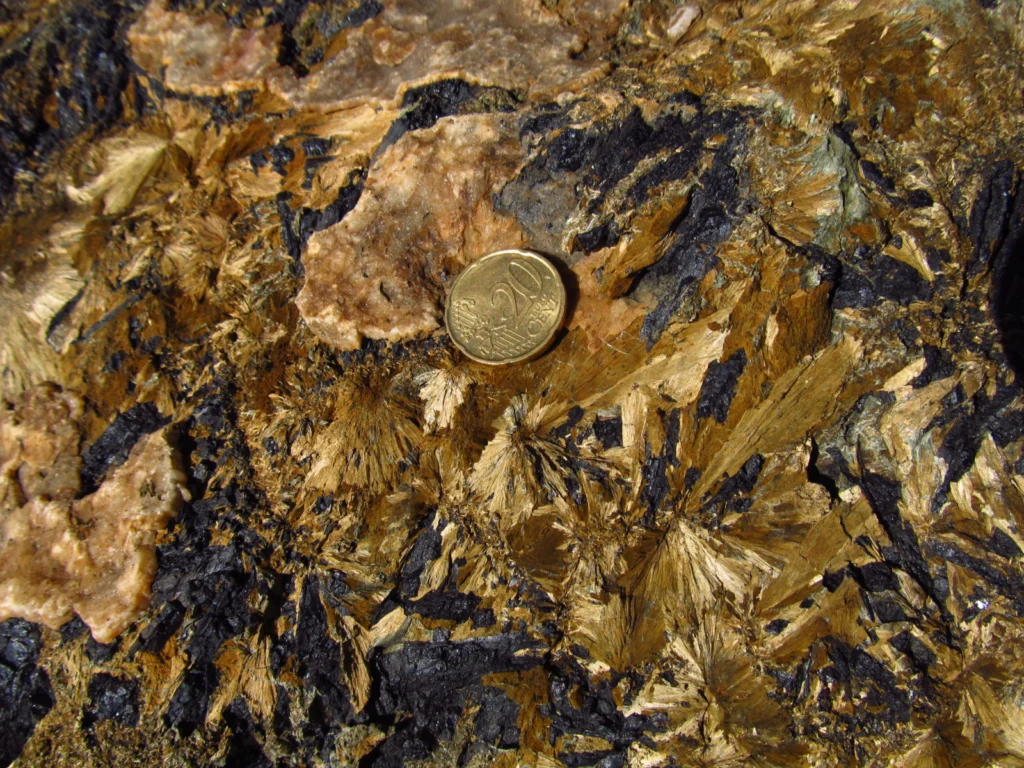
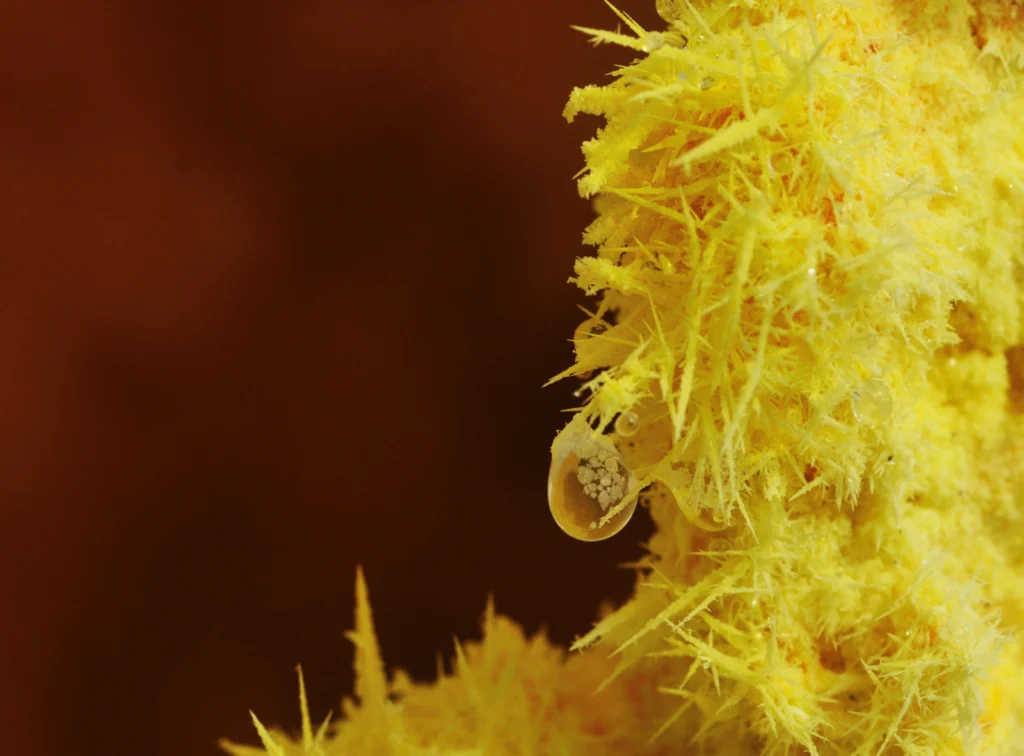
Imaggeo On Monday: Condensation drop on sulphur
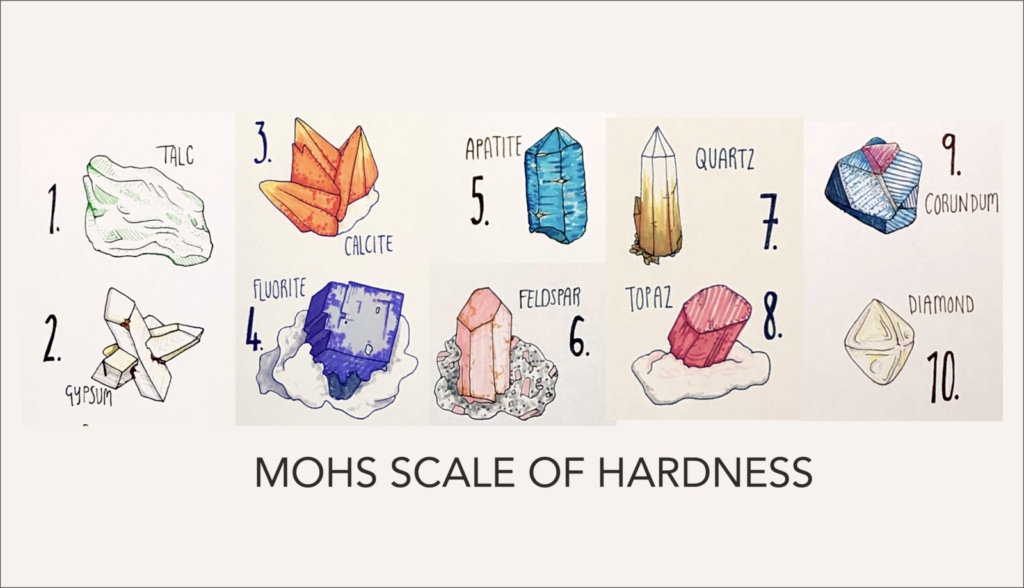
Mineralogy, as a subject, often has a hard time. Despite it’s place at the core of the traditional geological sciences, and its importance in a huge variety of other subjects, mineralogy sometimes has a reputation of being complicated and inaccessible and, well, some people have even called it boring. This is also related to the …[Read More]
GeoPolicy: A window into a career in Science Policy, as EGU’s first Policy Intern.
My name is Ned Staniland and I am a third year PhD student in space physics at Imperial College London. I study the magnetic field of Saturn using data from the Cassini-Huygens mission that was launched in 1997. In July 2020, I was lucky enough to be EGU’s first intern where I worked in their …[Read More]
Imaggeo On Monday: The kidneys of the Planet
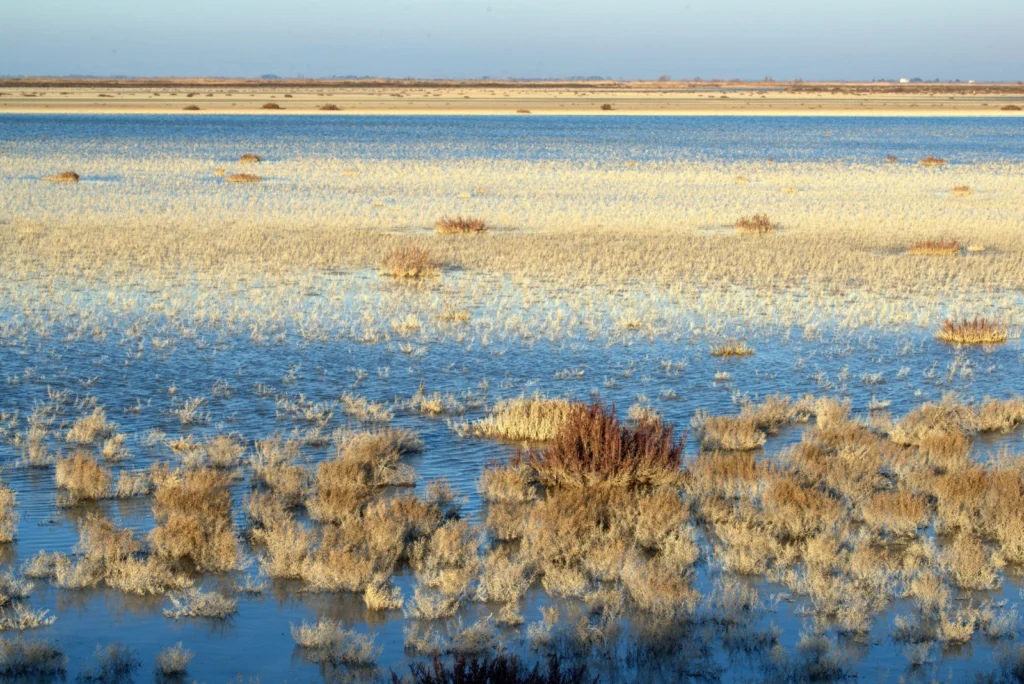
In the past, humans considered wetlands as morbid environments where it was difficult, if not impossible, to live. Wetlands, instead, are vital to the health of wildlife and humans, as the Ramsar convention stated in 1971. Wetlands regulate the water flow, buffering droughts as well as floods, and also contribute to the provision of clean …[Read More]
GeoRoundup: the highlights of EGU Journals published during August!
Each month we feature specific Divisions of EGU and during the monthly GeoRoundup we will be putting the journals that publish science from those Divisions at the top of the Highlights roundup. For August, the Divisions we are featuring are: Biogeosciences (BG) and Soil System Sciences (SSS). They are served by the journals: Biogeosciences (BG), …[Read More]
3 ways geoscientists can support the Biodiversity Strategy for the EU’s Green Deal
The European Union Green Deal outlines an ambitious plan for turning climate and environmental challenges into opportunities to make the EU’s economy sustainable and make Europe the first climate-neutral continent. This plan covers a wide range of topics such as preventing biodiversity loss, achieving net-zero pollution and making the agricultural industry more sustainable. These topics …[Read More]
Don’t leaf it to the trees: Amazonian soils also work to store carbon.
The Amazon rainforest covers an area of 5.5 million km² and is well known for being an invaluable global resource for carbon storage. But it’s not just the trees and vegetation of the Amazonian rainforest that lock in and store carbon – the very soil in these forests can do the same thing, according to …[Read More]
Imaggeo On Monday: The veins of the living planet
Today’s imaggeo on Monday provides us with a space to reflect on the interconnected nature of our planet’s systems. The photographer, Antonello Provenzale, wrote of this image: Earth is a living planet, where the water cycle plays an essential role. A waterfall in the mountains of Valle Pesio, Italy, in a landscape of vegetation and …[Read More]
Geotalk: Olga Vindušková, the Soil System Sciences Division’s co-blog and social media co-ordinator!
Hello Olga, thanks for speaking with us today, can you tell us a little about your background and how you got to where you are now? Thank you for inviting me for what might be my first interview! My background is in environmental science and I chose to study soils because of how useful they …[Read More]