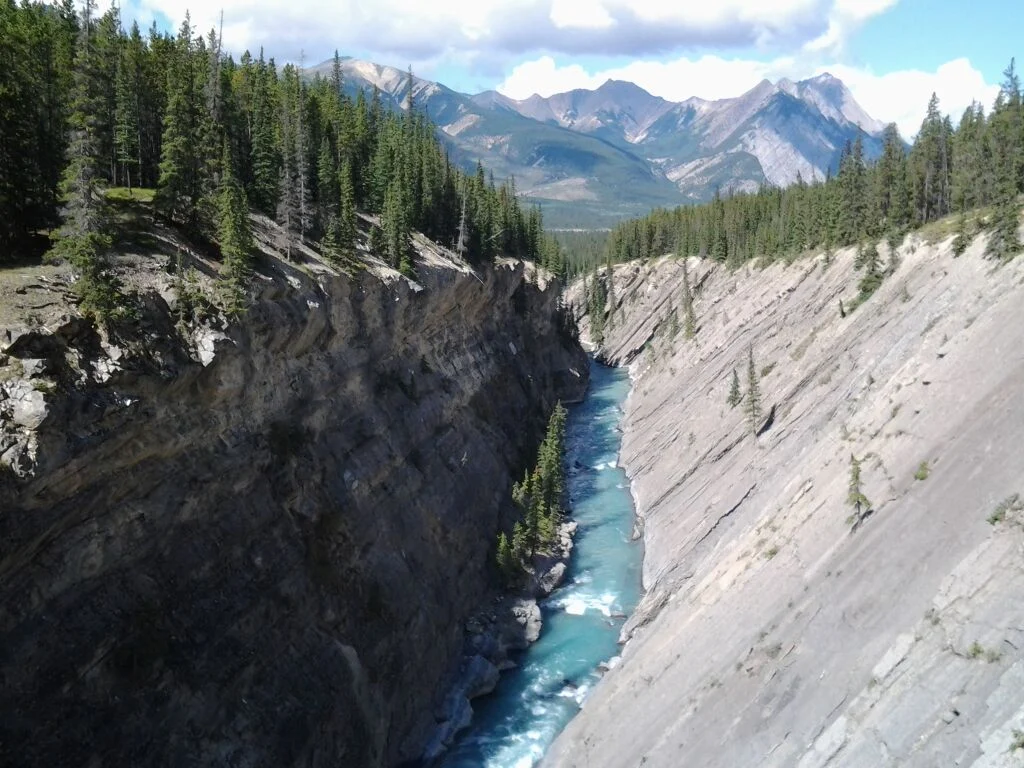
A force is a push or pull upon an object resulting from the object’s interaction with another object. This image shows the most magnificent force in nature; water, interacting with an inclined rock formation, with a backdrop of the magnificent landscapes of Canada. Description by Daniela Lobianco, after the description on imaggeo.egu.eu. Imaggeo is …[Read More]
GeoLog
GeoRoundup: the highlights of EGU Journals published during May!
Each month we feature specific Divisions of EGU and during the monthly GeoRoundup we will be putting the journals that publish science from those Divisions at the top of the Highlights roundup. For May, the Divisions we are featuring are: Geodynamics (GD) and Earth Magnetism and Rock Physics (EMRP). They are served by the journals: …[Read More]
EGU virtual Science-Policy Pairing Scheme with MEP Maria Spyraki
The EGU sponsors an annual science-policy pairing scheme each year to help promote a culture of evidence-informed policymaking and encourage stronger science-policy partnerships! The EGU’s 2020/21 pairing scheme was slightly different from normal, being run virtually rather than in person as a result of the COVID-19 restrictions. This month’s GeoPolicy blog post is written by …[Read More]
Imaggeo On Monday: Yardangs in the Gobi desert
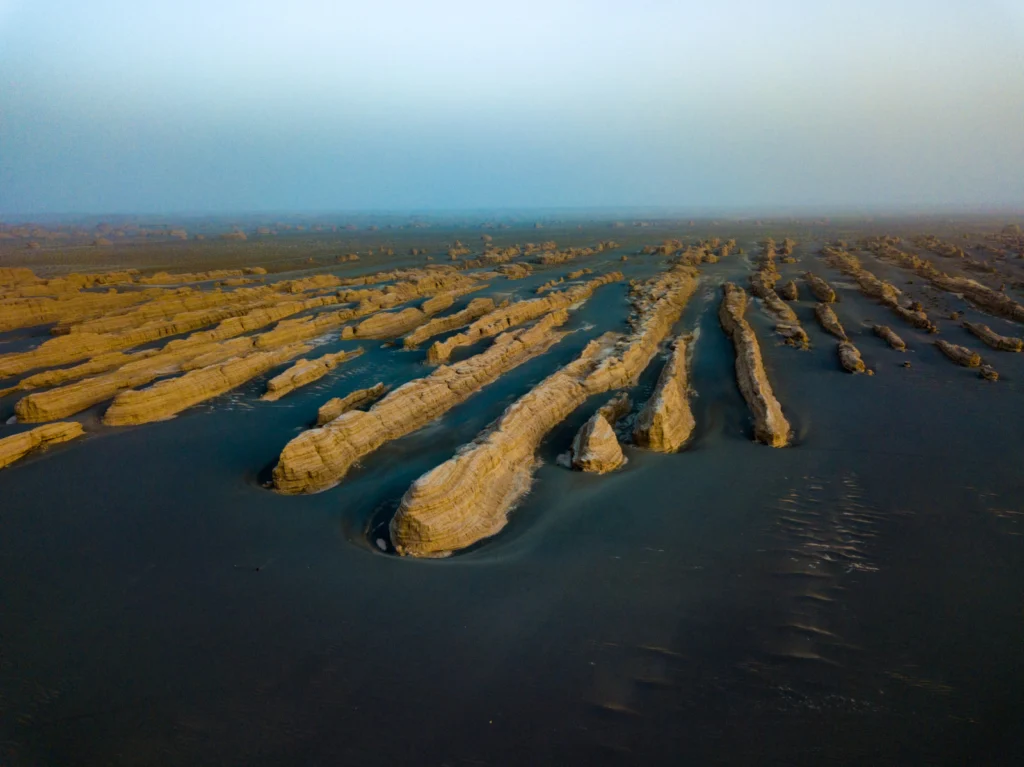
Seeing the Yardang rock formations during sunset was a surreal experience. While they seem to have be standing in a sea of water that formed them, the fluid dynamics that actually lead to their existence is the result of wind abrasion by dust and sand and the removal of loose material by wind turbulence. The …[Read More]
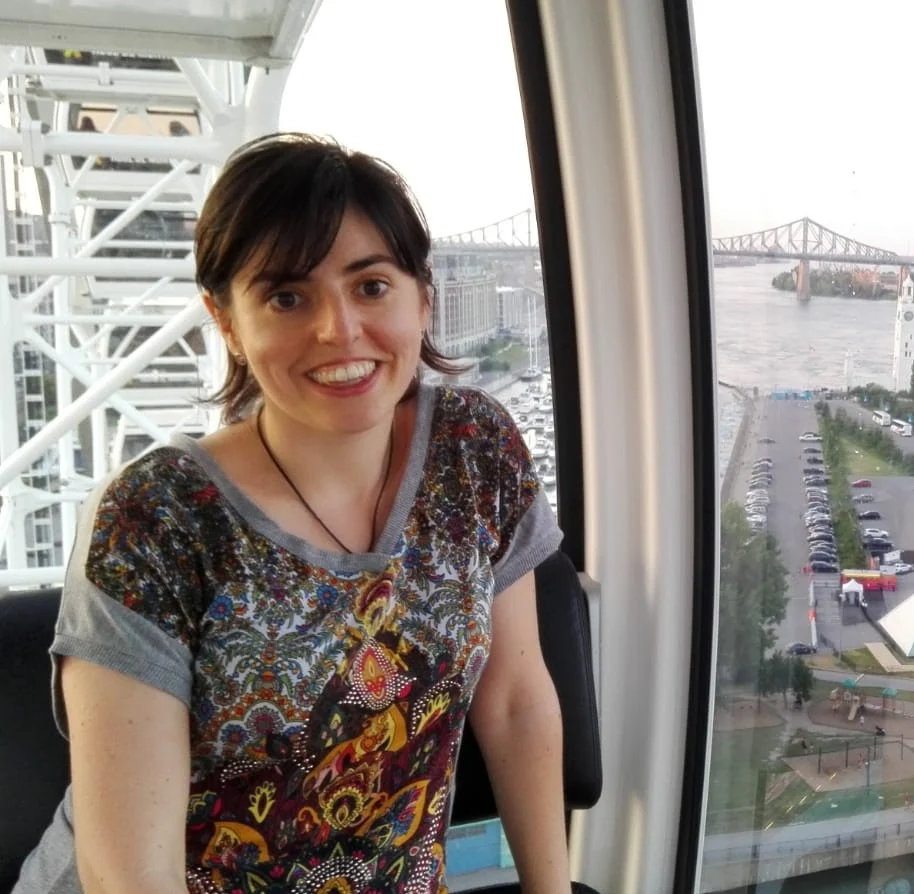
GeoTalk: Meet Saioa Arquero, the Earth Magnetism and Rock Physics Division’s Early Career Scientist Representative
Hello Saioa, thank you for speaking with us today! Could you introduce yourself? My name is Saioa Arquero Campuzano. I’m a postdoctoral researcher at the Geosciences Institute in Madrid and I’m the Early Career Scientist (ECS) Representative for the Earth Magnetism and Rock Physics Division at EGU. This is my fourth year as a postdoc. …[Read More]
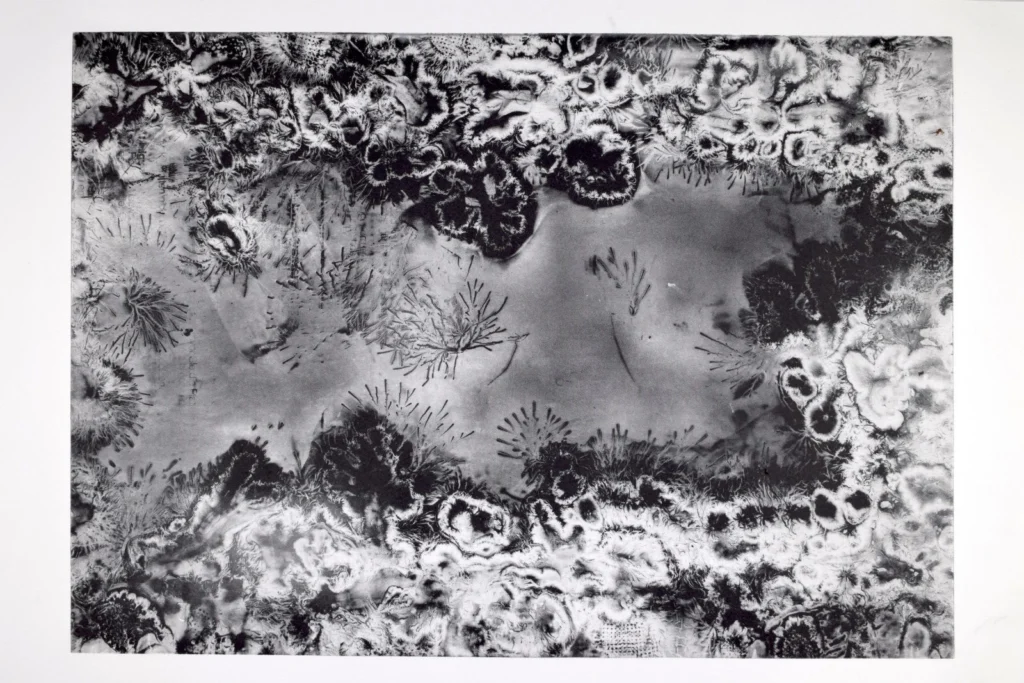
Imaggeo On Monday: Lichtenberg Figure Visualisation
A visualisation of an electrical charge moving through plastic. Machines are used to discharge electricity onto surfaces then metallic powders are used to visualise the static. The image is then exposed onto a photopolymer plate and etched with ink. Is is called the photogravure process. Description by Nicolas Strappini, after the description on imaggeo.egu.eu. …[Read More]
#vEGU21: meet the new EGU Early Career Scientist Representatives!
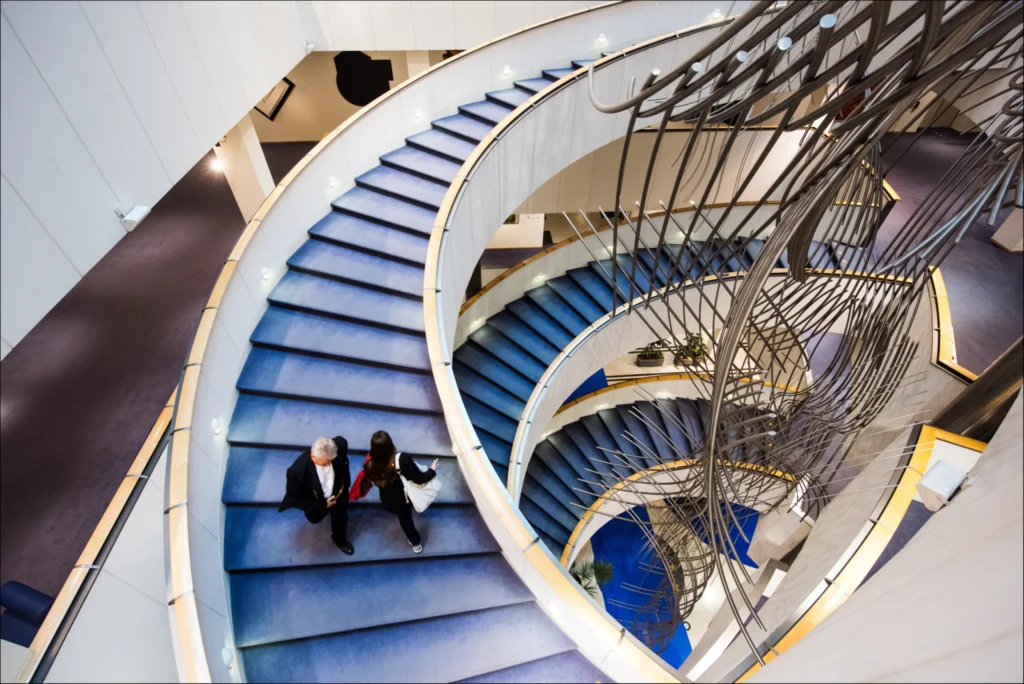
Each year, at the end of the General Assembly, EGU’s volunteers who have come to the end of their terms go through the handover. This year in our Early Career Scientist (ECS) Division Representatives teams, we have nine new members (or members in a new role) joining us to start their terms volunteering to help …[Read More]
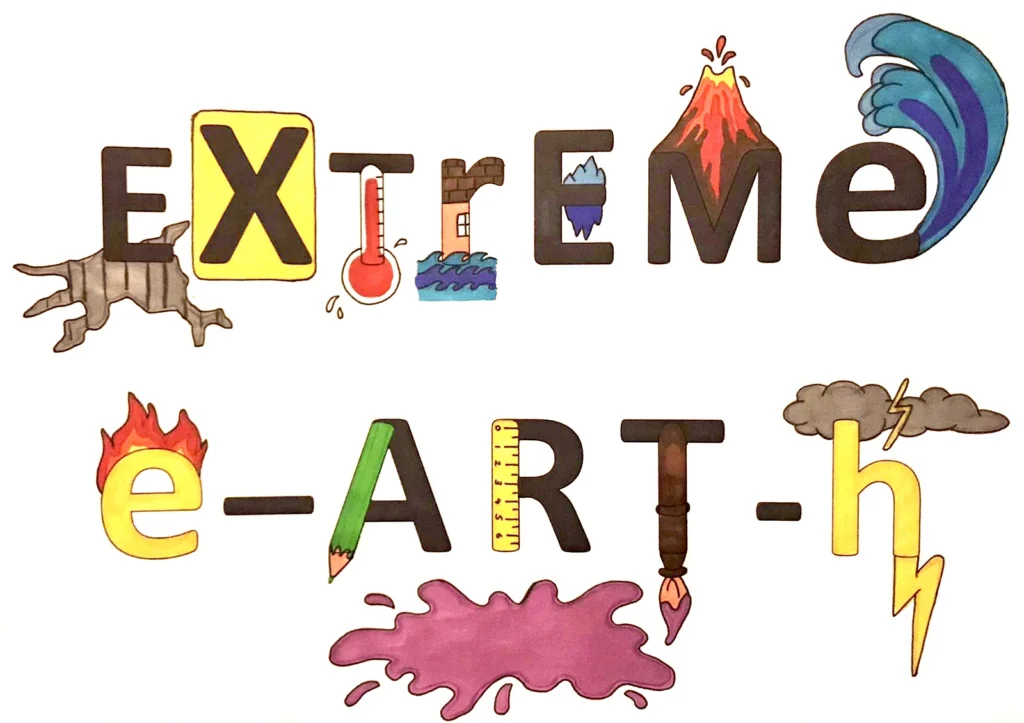
#vEGU21: #EGUartKIDS Hall of Fame – Extreme e-ART-h!
The EGU Kids Art activity normally happens in person in the creche at the conference centre during the General Assembly, but first last year and now this year we have had to move all our activities online instead. Working together – two of our Division Early Career Scientist teams, one from Natural Hazards and one …[Read More]
Imaggeo On Monday: Tides at Young Sound
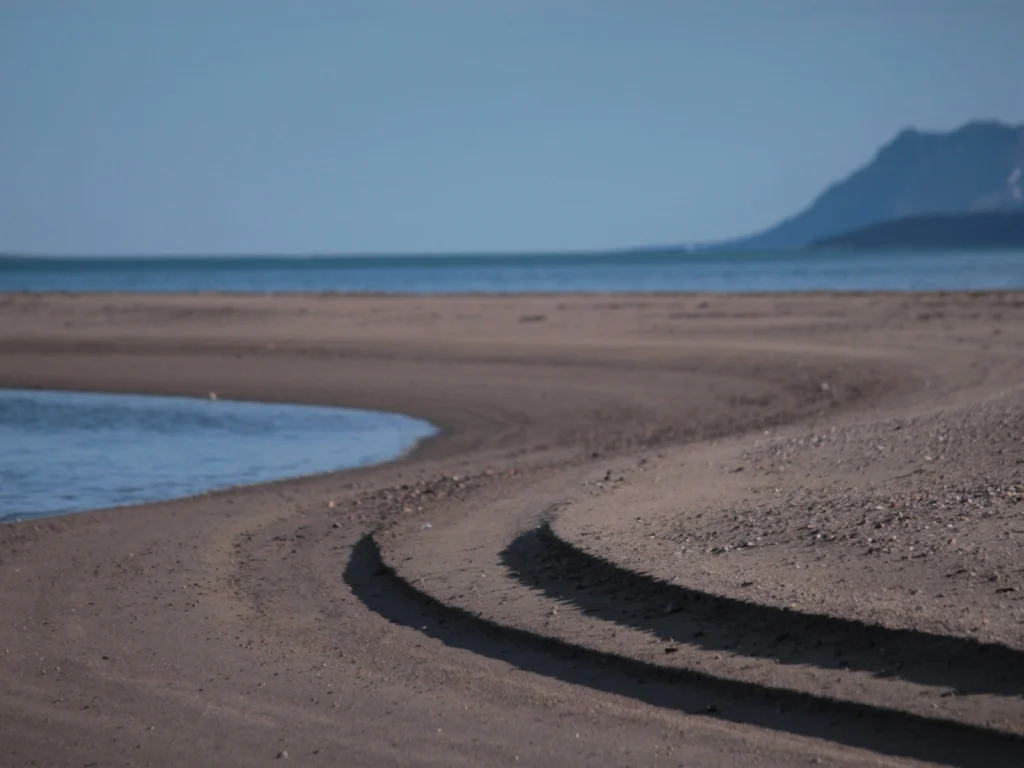
The work of the autumn tides at Young Sound, Northeast Greenland, created a fine sand artwork just before the freezing in of the fjord with the approaching winter. Due to the changing sediment of the nearby Zackenberg river, the local coastal erosion is an object of great recent investigations. Description by Maria Scheel, after …[Read More]
Artist in Residence – Plastic problems, hurdles, and nurdles
Microplastics are a big topic these days, so I take a look at some vital research… Plastic problems, hurdles, and nurdles A happy, healthy body has veins and arteries free from clogs and constrictions caused by build-up of lipid junk. This includes our external, shared body, a body on which we all rely, the landscape …[Read More]