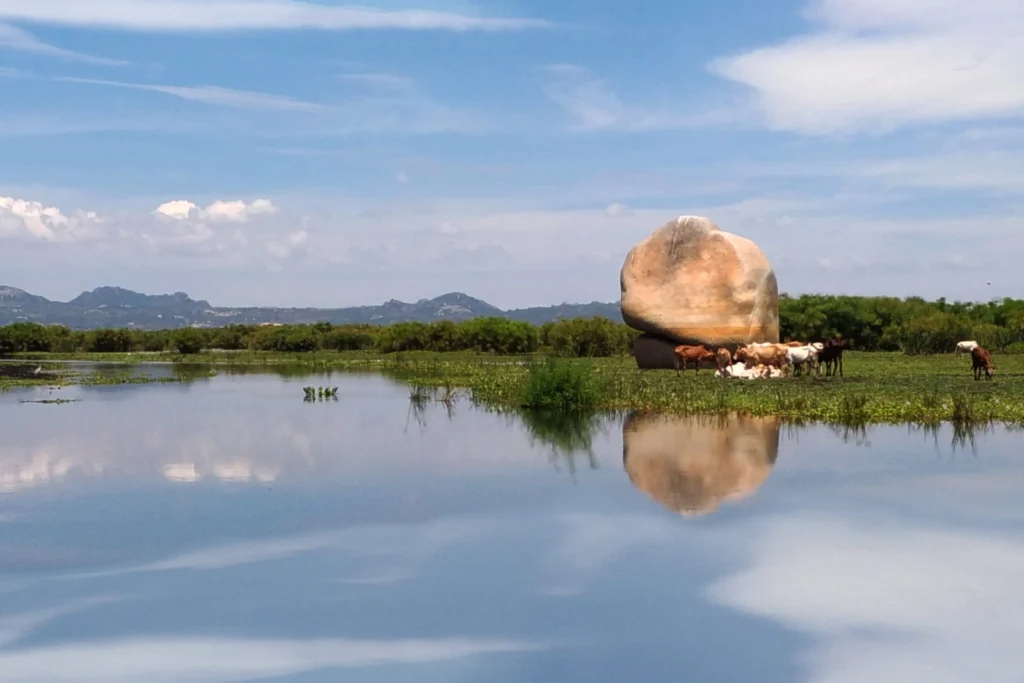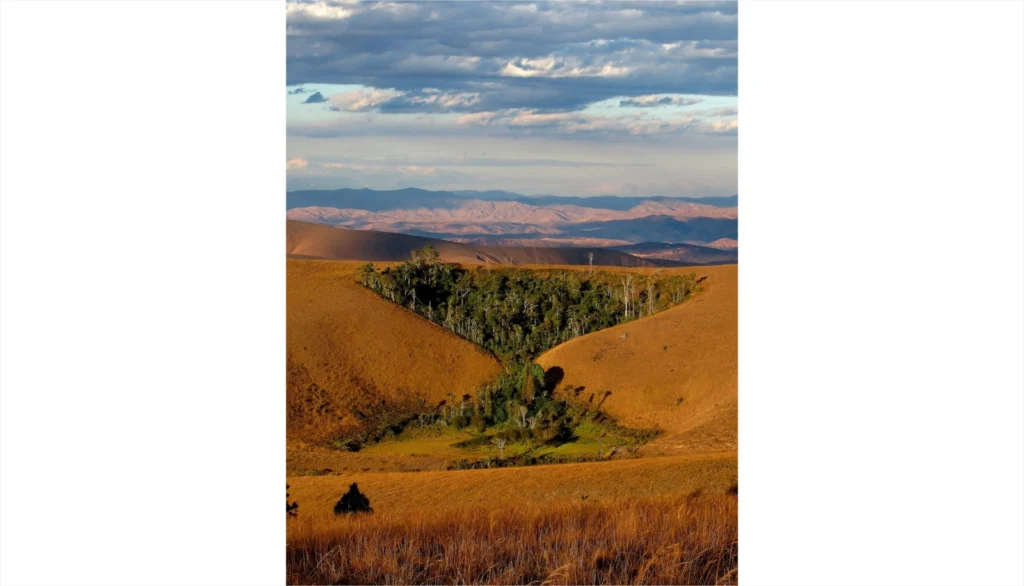
I took this picture during a sunny field work day in the Mara Wetland, Tanzania. The granitic inselberg appeared to me as a huge silent witness not only of siltation and inundation of the wetland but also of the human actions. Slash-and-burn is widely used to deforest lands and riparian vegetation for new crops and …[Read More]
GeoLog
GeoRoundup: the highlights of EGU Journals published during February!
Each month we feature specific Divisions of EGU and during the monthly GeoRoundup we will be putting the journals that publish science from those Divisions at the top of the Highlights roundup. For February, the Divisions we are featuring are: Hydrological Sciences (HS) and Stratigraphy, Sedimentology and Palaeontology(SSP). They are served by the journals: Geoscientific …[Read More]
Discover the BASE of academic writing to become a better writer
Has anyone ever had a chat with you about your writing? Or their writing for that matter – and I don’t mean about their last publication but their writing process? Writing and in particular academic writing is one of those skills that people assume everyone has and picks up somehow by doing it – without …[Read More]
EGUsphere preprints: moderators celebrate more opportunities and increased flexibility
Preprints are in the spotlight this month at EGU, with the newest feature of our Open Access repository EGUsphere now officially available! As we observe this new milestone, EGU is aware of the important role that its moderators will play in this process. This week, four EGUsphere moderators tell us what they look forward to …[Read More]
Imaggeo On Monday: Stands of Time
Within the heart of the Malagasy Hauts-Plateaux, the rolling grasslands are pitted by deep incisions locally referred to as lavaka (‘hole’ in Malagasy). These mass failure features provide vast quantities of terrestrial matter to local freshwater arteries, accounting for over 80% of the annual sediment load of the Betsiboka River. The collapse of the overlying …[Read More]
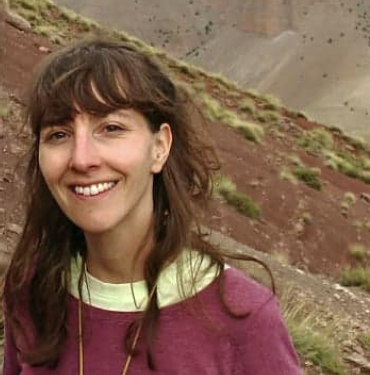
GeoTalk: meet Alicia Fantasia, researcher in ancient Earth climates & ECS representative for SSP Division
Hello Alicia, thank you for agreeing to this interview! Before we dig in, could you tell us a little about yourself and your research? Hi Simon, many thanks for giving the nice opportunity to present my research activities. I am Alicia Fantasia and I was born in Switzerland. I have always been passionate about the …[Read More]
EGUsphere preprints: new pathways for discussion, sharing and feedback
After a long wait, EGU has this month launched our much-anticipated preprints – the newest feature of the Open Access repository EGUsphere. Now for the first time, authors can upload preprints to the online server, taking advantage of EGU’s pioneering public peer-review process, whilst preparing their papers for future release. Three different roads for preprints …[Read More]
Job opportunity at the EGU General Assembly: photography press assistant
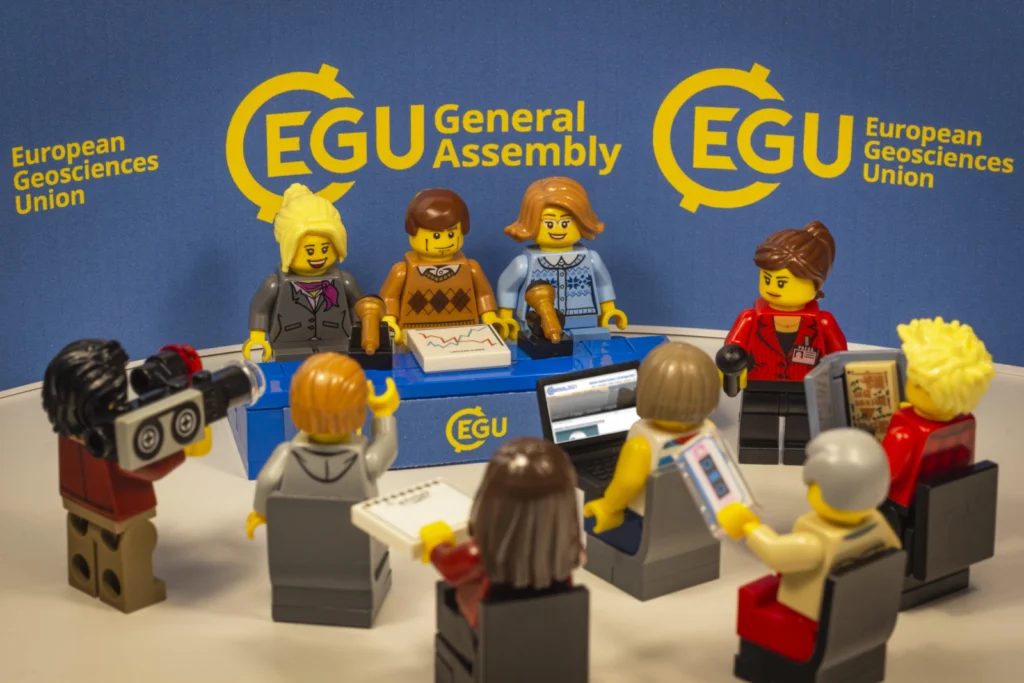
We have one vacancy for a photographer with an interest in science communication to work at the press centre of the EGU22 General Assembly which will be held in Vienna, Austria and online, from 23–27 May. The successful candidate will be required to attend the General Assembly in-person in Vienna. Applications from geoscience students with …[Read More]
Imaggeo On Monday: The Heart of a Stone
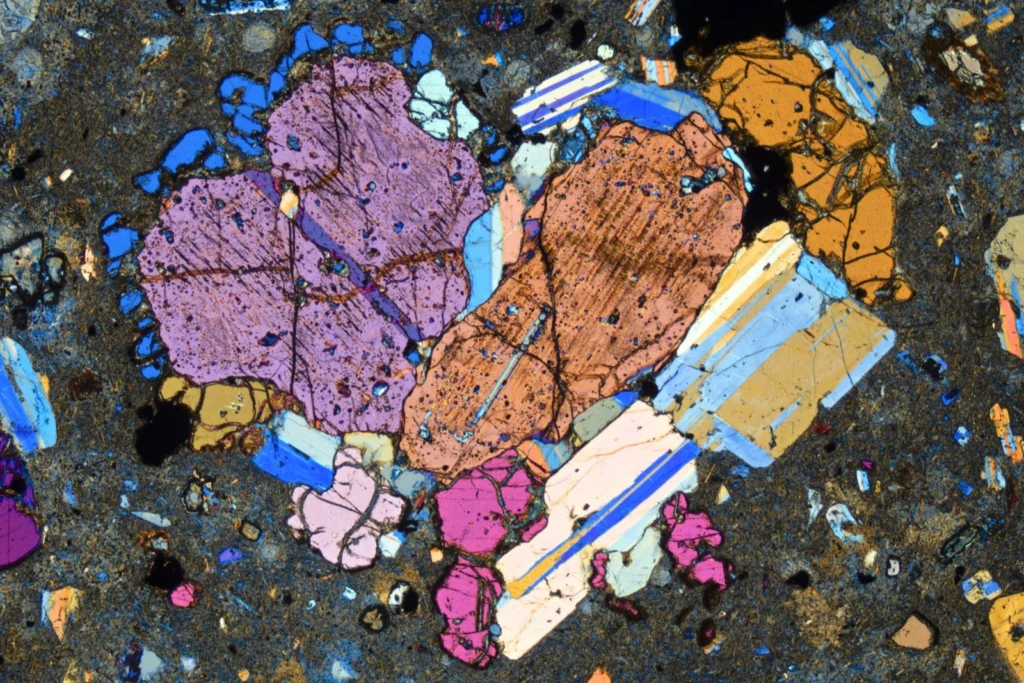
Heart-shaped glomerocryst (aggregate of phenocrysts) made of plagioclase and pyroxene in a cordierite-bearing dacitic lava from Lipari (Eolie Islands). I study the crustal xenoliths of these lavas to understand the processes accompanying high-temperature metamorphism and crustal melting. But I came across this spectacular glomerocryst and couldn’t help but take a picture! Polarized light photomicrograph. Crossed …[Read More]
Women in science: Inspiring and honest stories that call for support and change
Sometimes, a simple story in a book or movie lights a spark and makes a young person curious about science. These young minds grow up dreaming to be mathematicians, scientists, doctors, engineers, technologists, and astronauts. But the road to being a woman or girl in science is rarely an easy one – even today in …[Read More]