GeoLog

GeoLog

Imaggeo On Monday: Blue cements in Jurassic rocks?
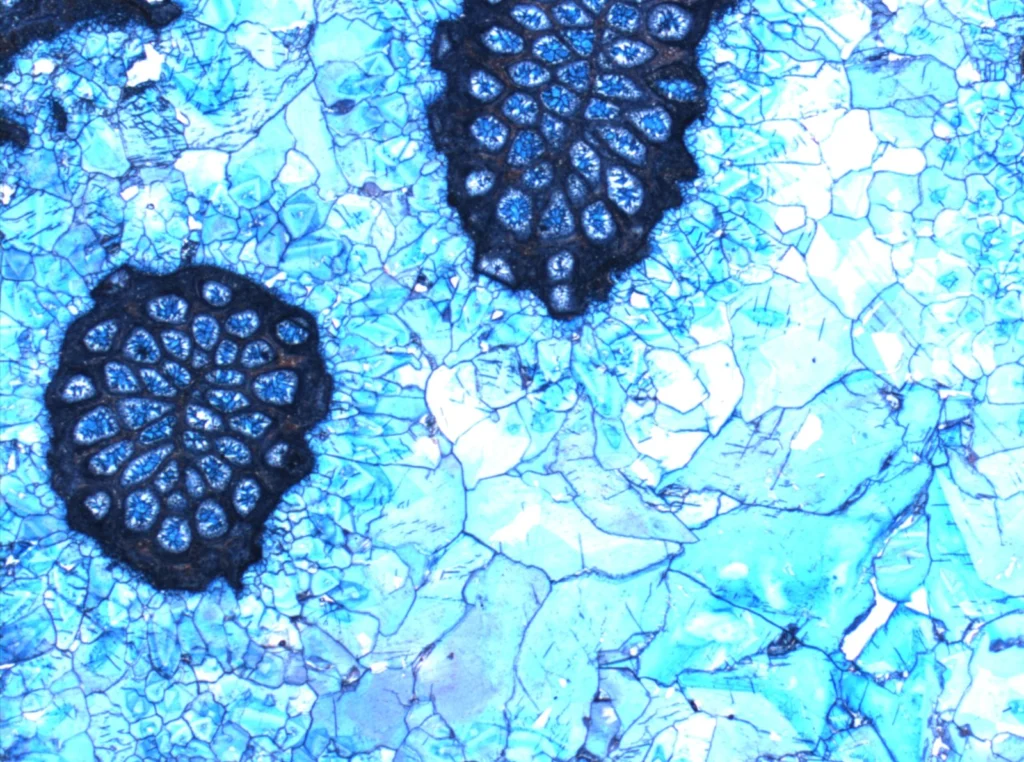
Imaggeo On Monday: Blue cements in Jurassic rocks?

Staining of thin sections and rock slabs is a method of identification that has long helped researchers to distinguish certain minerals which often otherwise appeared very similar. Modern studies have now largely replaced this method of identification with more analytical techniques that usually provide a higher degree of certainty, such as analysis with a microprobe …[Read More]

Imaggeo On Monday: One with the Cosmos

Imaggeo On Monday: One with the Cosmos

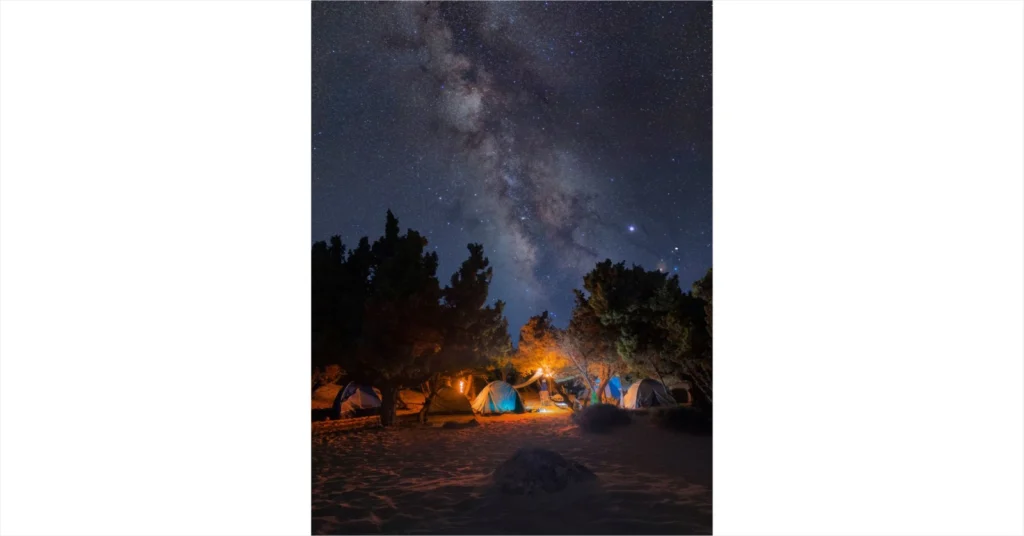
Camping under the stars is an experience that allows people to connect with the cosmos in a unique and profound way. As they set up their tents and gaze up at the night sky, they are reminded of the vastness and beauty of the universe. They can see the stars, the planets and other celestial …[Read More]

Imaggeo On Monday: Pantone of Blue Mountains, light scattering.

Imaggeo On Monday: Pantone of Blue Mountains, light scattering.

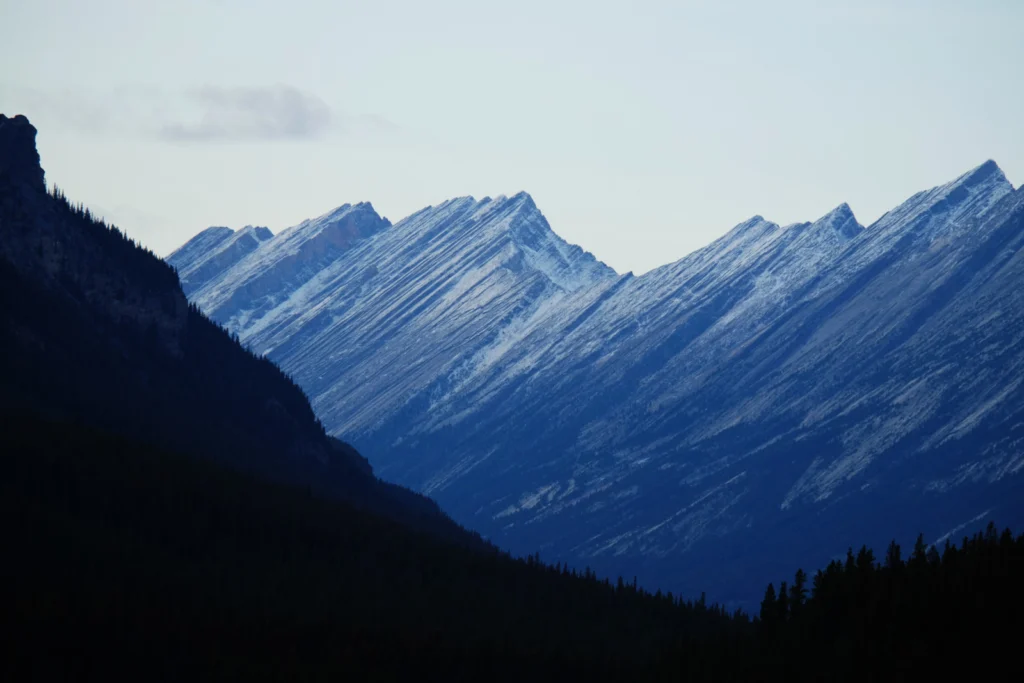
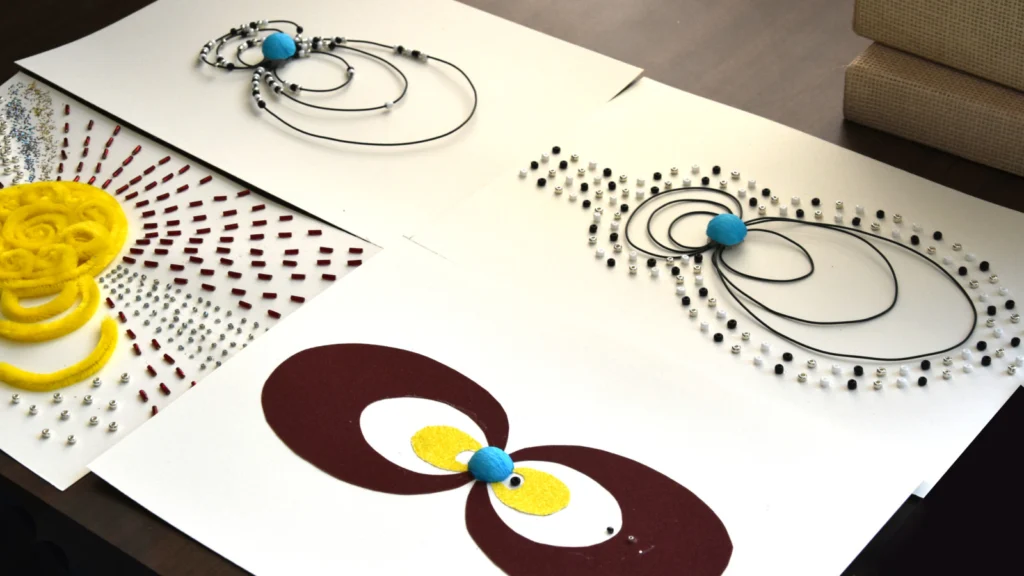
The light’s interaction with matter enables scientists to observe greenhouse gases from space, but also creates the shifting blue tones throughout the mountains that hikers travel long distances to admire! The blue shades are created by an effect called Raleigh scattering, where very small atmospheric particles between the viewer (or camera) and the mountains cause …[Read More]

EGU Photo Competition 2023: Now open for submissions!

EGU Photo Competition 2023: Now open for submissions!

If you are registered for the EGU23 General Assembly (23 – 28 April), you can take part in our annual photo competition. Winners receive free registration to next year’s General Assembly! It’s that time of year again! Yes, today, the 13 January, the thirteenth annual EGU photo competition opened for submissions!! Until 31 March, every participant …[Read More]

Imaggeo On Monday: Blood moon over Germany

Imaggeo On Monday: Blood moon over Germany

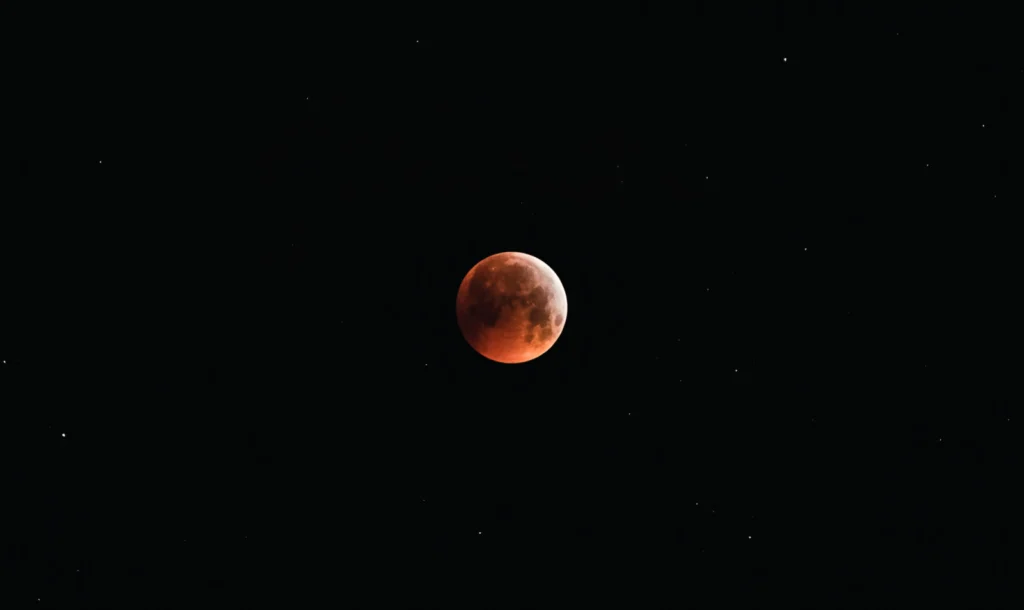
A blood moon occurs during a total lunar eclipse. The sunlight falling through the air layers of the Earth’s atmosphere is refracted inwards, whereby especially the short-wave blue components are weakened by scattering. The long-wave red components, on the other hand, still reach the moon, which leads to the red colouring.   Photo by Simon Fuhrmann …[Read More]

GeoPolicy: What’s coming up for 2023?

GeoPolicy: What’s coming up for 2023?

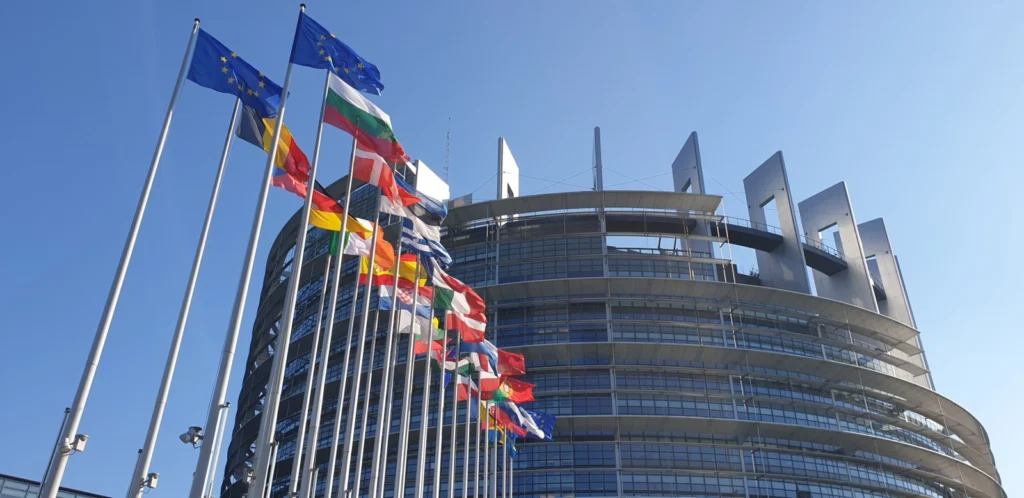
2022 was an exciting GeoPolicy year with many new science for policy projects and opportunities beginning and others being restored after a 2020/2021 pause due to COVID19. In 2023, we hope to build on EGU’s current initiatives and bring you yet more opportunities to engage and get involved in European policy! This blog post will …[Read More]

Imaggeo On Monday: Aurora show on the road

Imaggeo On Monday: Aurora show on the road

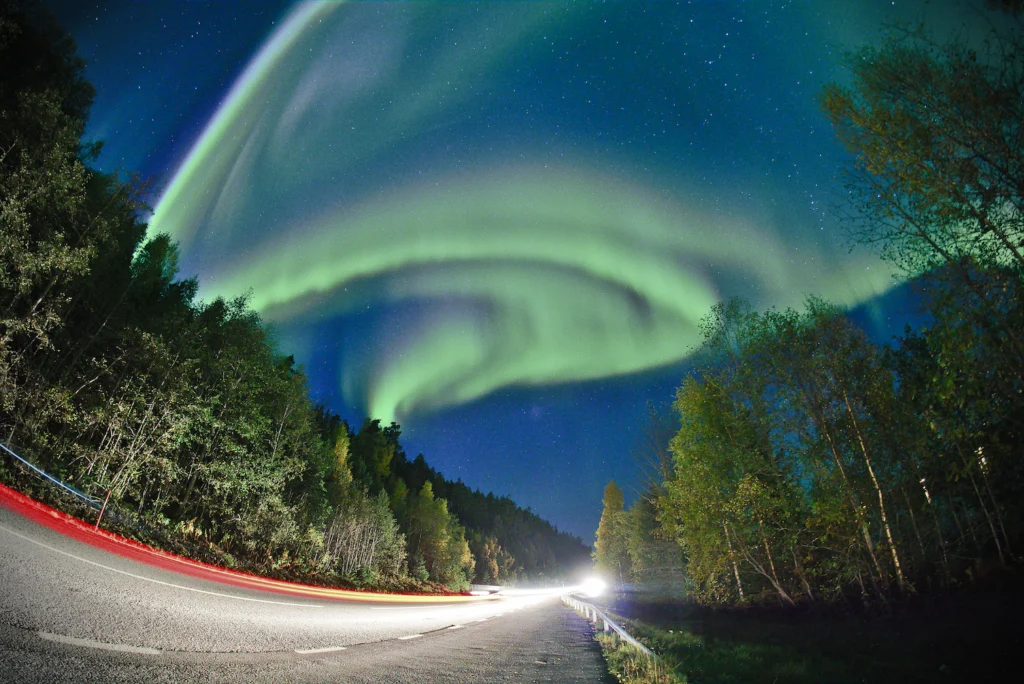
In Sweden a beautiful Northern Lights show proceeds unnoticed by the busy drivers passing by. The Northern Lights or Aurora Borealis are spectacular lights created as a result of disturbances in the Earth’s magnetosphere caused by solar winds. They are visible at both polar regions and or often seen as veils or lines of greenish-blue …[Read More]