For the first time, EGU organized a Peer Review Training in September and October this year. It was attended by 50 participants, most of whom were early career scientists with little to no background in the peer review process. The training comprised three online sessions and an at-home exercise of reviewing real manuscripts. And of …[Read More]
GeoLog
Dive into the depths: 90 Years of Loch Ness monster lore
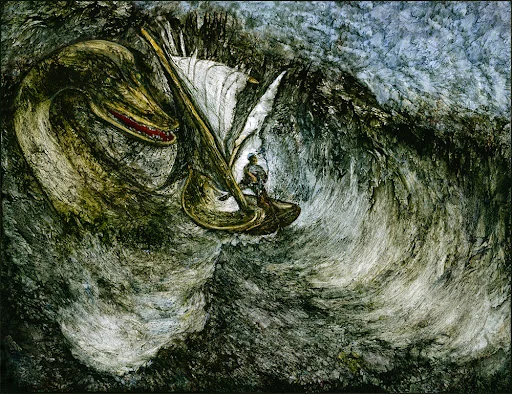
Folk tales and myths, they’ve lasted for a reason. We tell them over and over because we keep finding truths in them, and we keep finding life in them. ~ Patrick Ness, American-British author (*nae, this Ness isn’t related to Nessie) Is it an eel? Is it a snake? Is it a diplodocus with …[Read More]
Biosphere Reserves: What are they and why must we care for them?
Today, 3 November, is globally recognized as the International Day for Biosphere Reserves. The first edition of this observance day was marked last year, with UNESCO urging our relationship with nature needed “a radical rethink.” As Audrey Azoulay, Director-General of UNESCO explains, “The logic is simple: to improve our relationship with nature, we must first …[Read More]
GeoRoundup: the highlights of EGU Journals published during October!
Each month we feature specific Divisions of EGU and during the monthly GeoRoundup we put the journals that publish science from those Divisions at the top of the Highlights roundup. For October, the Divisions we are featuring are: Planetary and Solar System Sciences (PS) and Solar-terrestrial Sciences (ST). They are served by the journals: Annales …[Read More]
Swamps may be considered spooky, but is there more than meets the eye?
Swamps are spooky. This is the prevailing notion from the depiction of wetlands – the saturated lands of swamps, bogs, and fens – in the media. From the folktales of Will-o’-the-Wisps guiding travellers astray to the many, many swamp monsters of Scooby Doo, the sign is clear: a scrawled “stay away from here” thrust deep …[Read More]
GeoPolicy: From research to regulation – unpacking the EU Soil Directive
This month’s GeoPolicy Blog post unpacks the Directive on Soil Monitoring and Resilience, it’s impacts from research to regulation and how scientists can get involved with it. It can be challenging for scientists to understand and engage with the European policymaking process. The intricacies and nuances of the legislative process, with its numerous institutions, committees, …[Read More]
GeoTalk: Meet Liliana Macotela, researcher of radio waves at the Earth-Space boundary & Solar-Terrestrial ECS Representative!
Hi Liliana. Welcome to GeoTalk! Can you tell us a bit about yourself and your background? Hi, I was born in the highlands in Peru. This gave me the advantage of living more in contact with nature. Since I remember, I was fascinated about the shape of the clouds, the sounds of the wind in …[Read More]
International Archaeology Day: Challenging stereotypes about migration
Discoveries like excavations of prehistoric civilizations, shipwrecks with long-lost treasures, forgotten cities, and ancient tombs and temples, paint a vivid picture of archaeology and human history. Yet understanding how cultures evolved is often a more laborious process focused on prosaic finds; pottery shards, tools, implements, skeletal remains, art, inscriptions, pollen or soil samples, among other …[Read More]
What does open science mean in the real world? My experiences in becoming EGU’s editorial manager
For nearly 7 months now, I have held the position of EGU’s editorial manager. However, my interest in and passion for open access and open science in general goes back several years. Here, it is important to make the distinction: open science is a broad concept that encompasses transparency and accessibility in the entire research …[Read More]
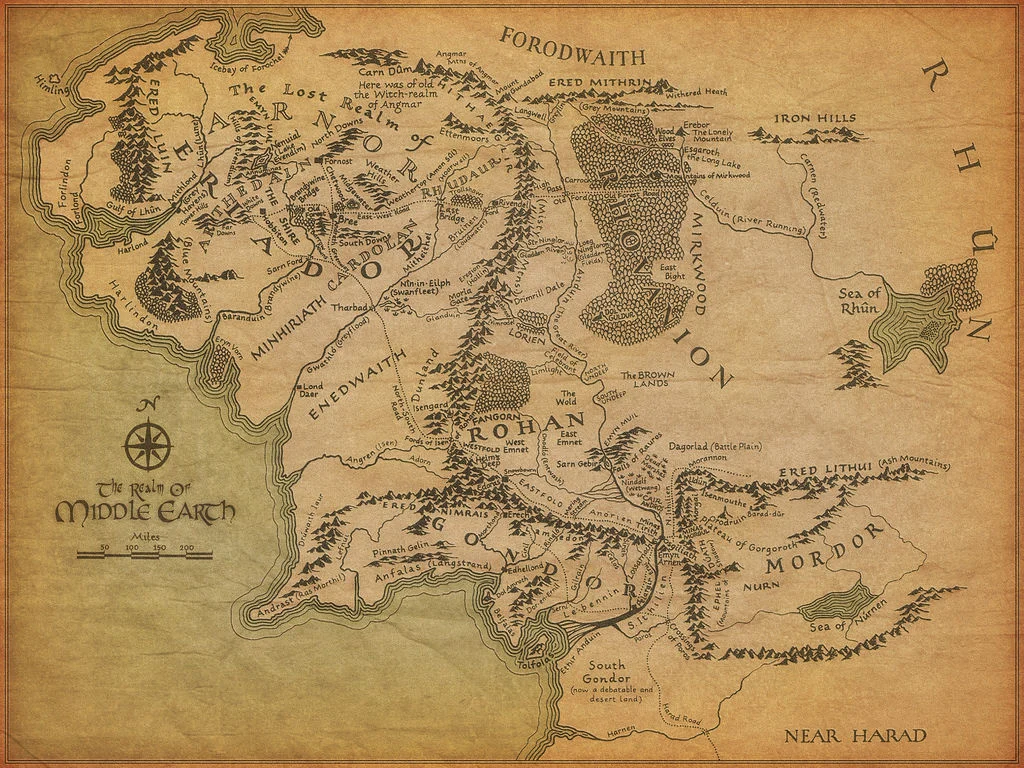
Far over the Misty Mountains cold, to dungeons deep and caverns old: the geology of the Lord of the Rings.
“He loved mountains, or he had loved the thought of them marching on the edge of stories brought from far away; but now he was borne down by the insupportable weight of Middle-earth.” J.R.R. Tolkien (1955) Return of the King ‘The Lord of the Rings‘ by J.R.R. Tolkien is one of the most famous english-language …[Read More]