For the second year in a row we’re running the EGU Communicate Your Science Video Competition – the aim being for young scientists to communicate their research in a short, sweet and public-friendly video. Our judges have now selected 3 fantastic finalists from the excellent entries we received this year and it’s time to find the best geoscience communication clip! The shortlisted videos will be o ...[Read More]
GeoLog
Looking for a job in the geosciences? Visit the job spot at EGU 2015
The General Assembly can be an excellent source of information for those looking for jobs or doctoral positions. The Job Spot, is located in the EGU and Friends area, next to the EGU Booth (Hall X, Blue Level) has a searching station linked to the EGU jobs portal, so you can find the latest vacancies and who’s providing them. Check the session programme and see if they’re here too – what better pl ...[Read More]
EGU 2015: Get the Assembly mobile app!
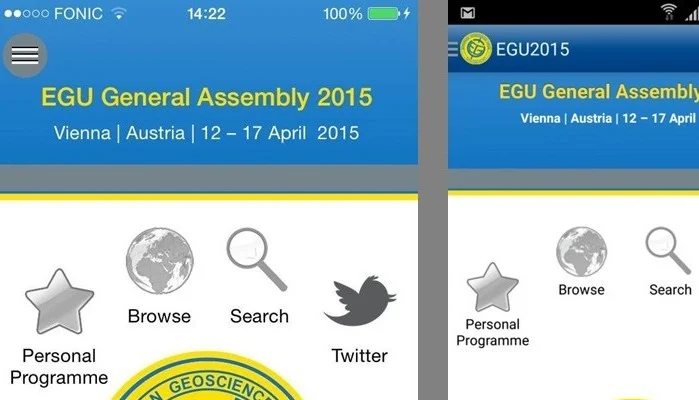
The EGU 2015 mobile app is now available for iPhones and Android smartphones. To download it, you can scan the QR code available at the General Assembly website or go directly to http://app.egu2015.eu on your mobile device. You will be directed to the version of the EGU 2015 app for your particular smartphone, which you can download for free. Once you open the app, the dashboard will show you four ...[Read More]
Imaggeo on Mondays: Escullos
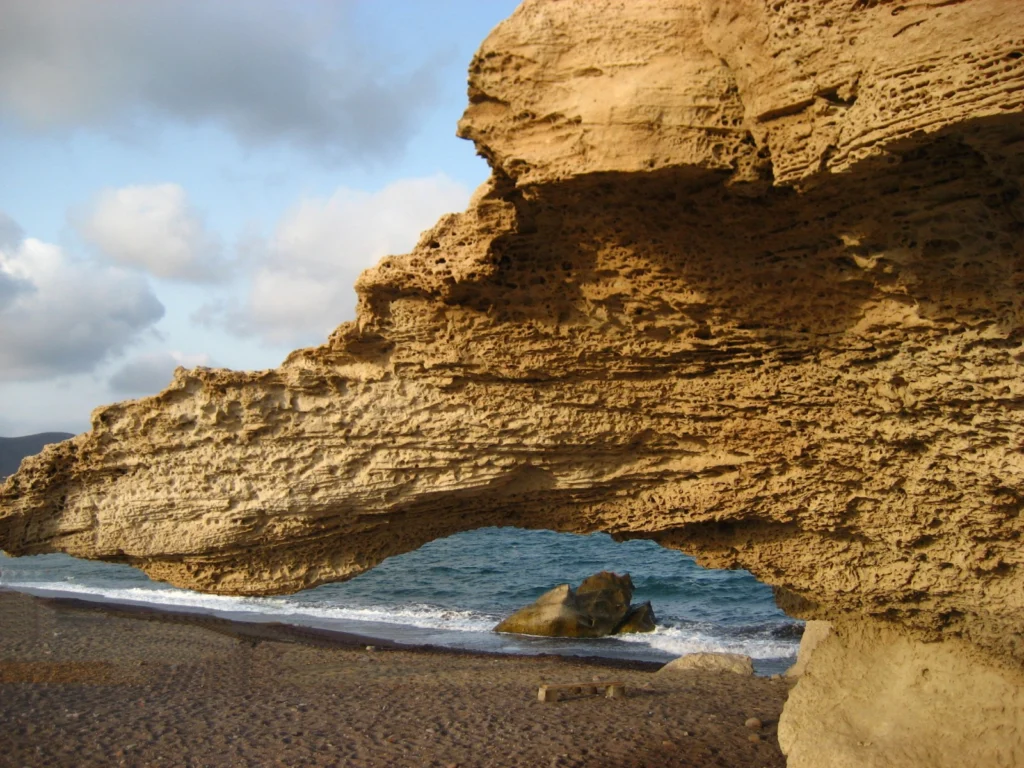
This picture shows a Quaternary aeolianite fossil dune at the Escullos beach, in the Nature Reserve of Cabo de Gata (Almeria, Spain). Originally a soft accumulation of sand grains, shaped by the wind into large mounds and ridges, the dunes eventually turn into rock. As the sediments compact under their own pressure and expel any moisture and fluids retained within them, they become lithified and b ...[Read More]
Short courses at EGU 2015
This year there are more short courses than ever to choose from at the General Assembly. You can supercharge your scientific skills, broaden your base in science communication and pick up tips on how to boost your career – be it in academia or outside. Here’s a small selection of what’s in store at EGU 2015: Supercharge your science – new techniques and dealing with data Short course on soil mappi ...[Read More]
Presenting at the Assembly: A quick ‘how to’ from the EGU
The schedule is out, presentation slots have been assigned and it’s time to start thinking about putting yours together. Whether you have an oral, poster or PICO slot, we have a suite of simple guidelines to get you ready for the conference! Orals The guidelines for oral presentations are online. All oral presentations should have the dimensions 4:3 and last about 12 minutes, with 3 minutes for qu ...[Read More]
Imaggeo on Mondays: Retreating Glacier
The Svalbard archipelago is considered to be one of the best places to study the geological history of the Earth because its rocks represent every geological period. This image shows a view from the peak of Fugleberget (569 m a. s. l.; 77º 00’ N, 15º 30’ E) on the south-western coast of the island of Spitsbergen. Glaciation of this geologically diverse area gave rise to a variety of geomorphic fea ...[Read More]
EGU 2015: Getting to Vienna, getting to sleep and getting to know the city
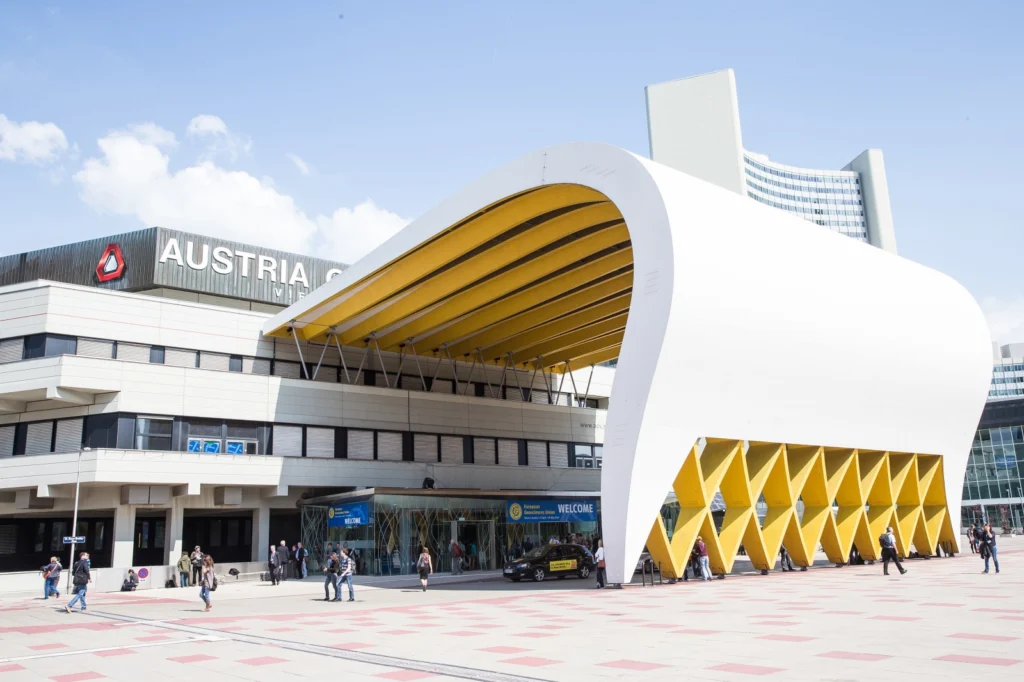
With the conference only a month away here is a brief, and by no means comprehensive, introduction of how to get to Vienna and what to do when you’re there! Getting here Vienna’s International Airport is served by many of the major European airlines. If you would like to consider overland you’ll find more information on the General Assembly website. And, if you haven’t seen it already, make sure y ...[Read More]
Imaggeo on Mondays: Pyroclastic flow, Montserrat
Below the warm and tranquil waters of the Caribbean, some 480 km away from Puerto Rico, the North America Plate is being subducted under the Caribbean Plate. This has led to the formation of the Lesser Antilles volcanic arc; the result of the formation of reservoirs of magma as fluids from the down going North America Plate are mixed with the rocks of the overlying Caribbean Plate. The continued m ...[Read More]
GeoEd: Education vs. Communication
In this guest blog post, Sam Illingworth, discusses the perceived differences between science education and science communication in light of a recent publication on this very subject. If you are involved in either of these, we’d love to hear your opinions on how you think they differ (if at all) and how the approach to engaging the public might differ too! We look forward to your comments. The Jo ...[Read More]